Categories
Albania Europe

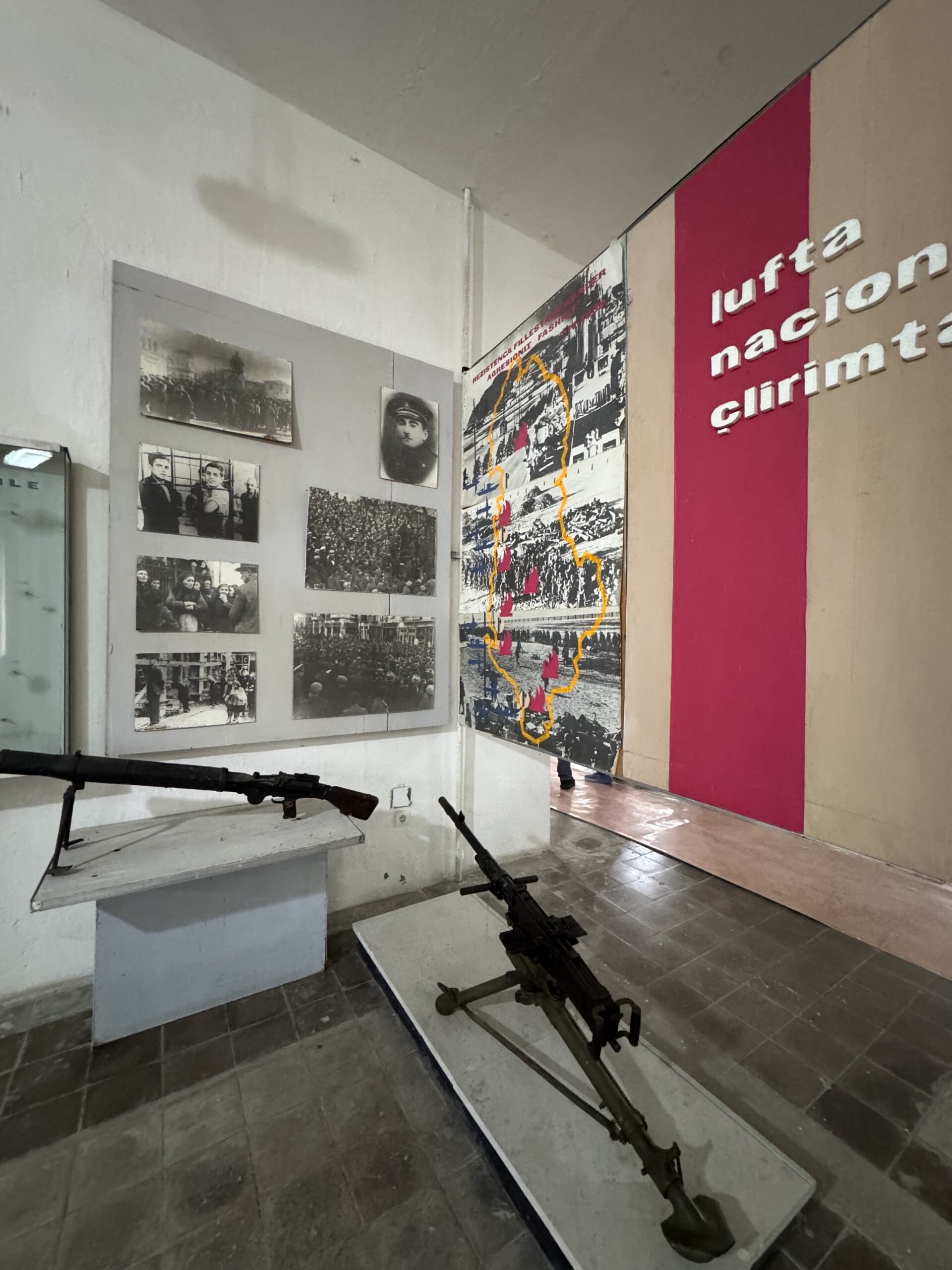
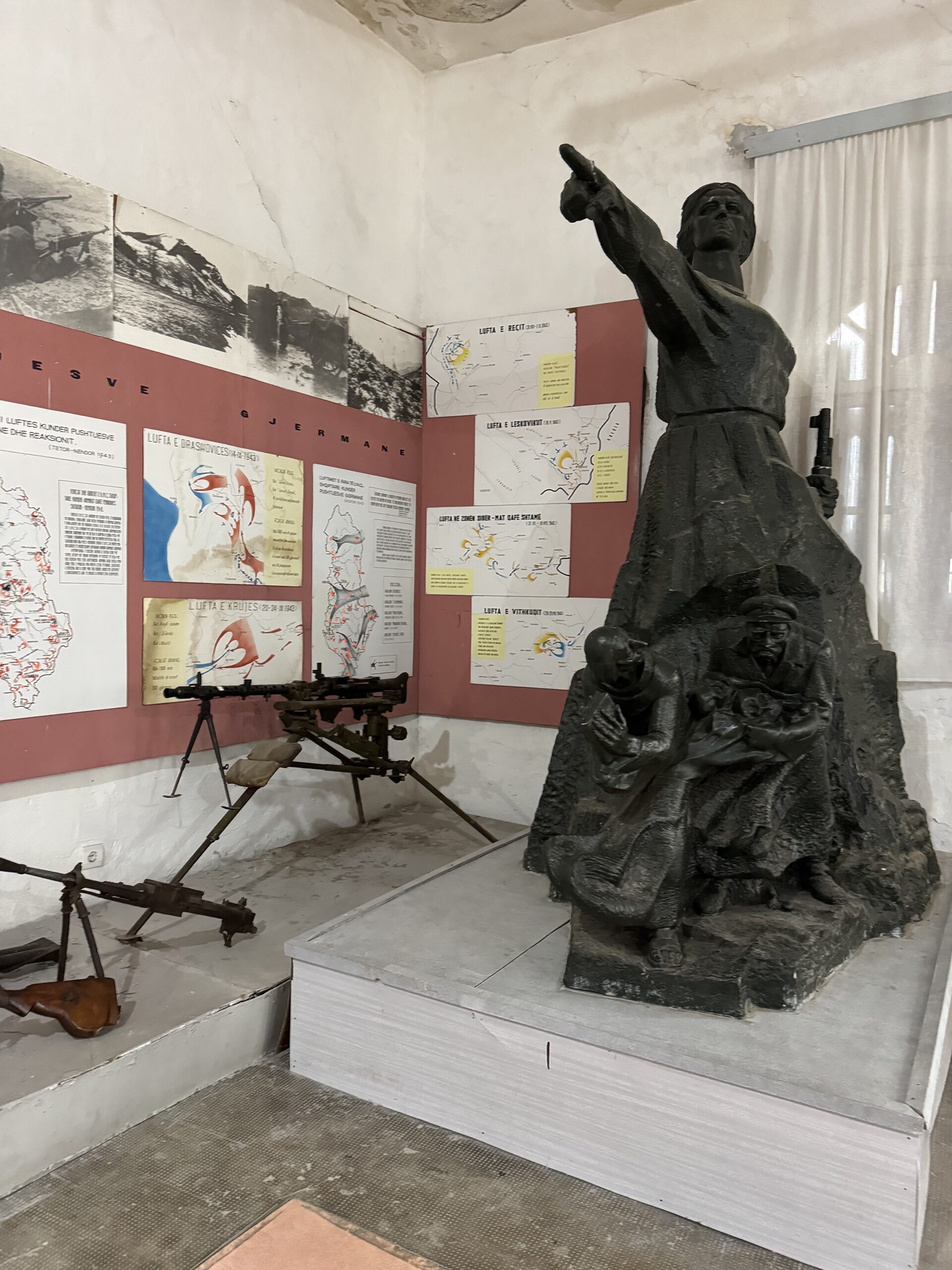
The Museums of Tirana

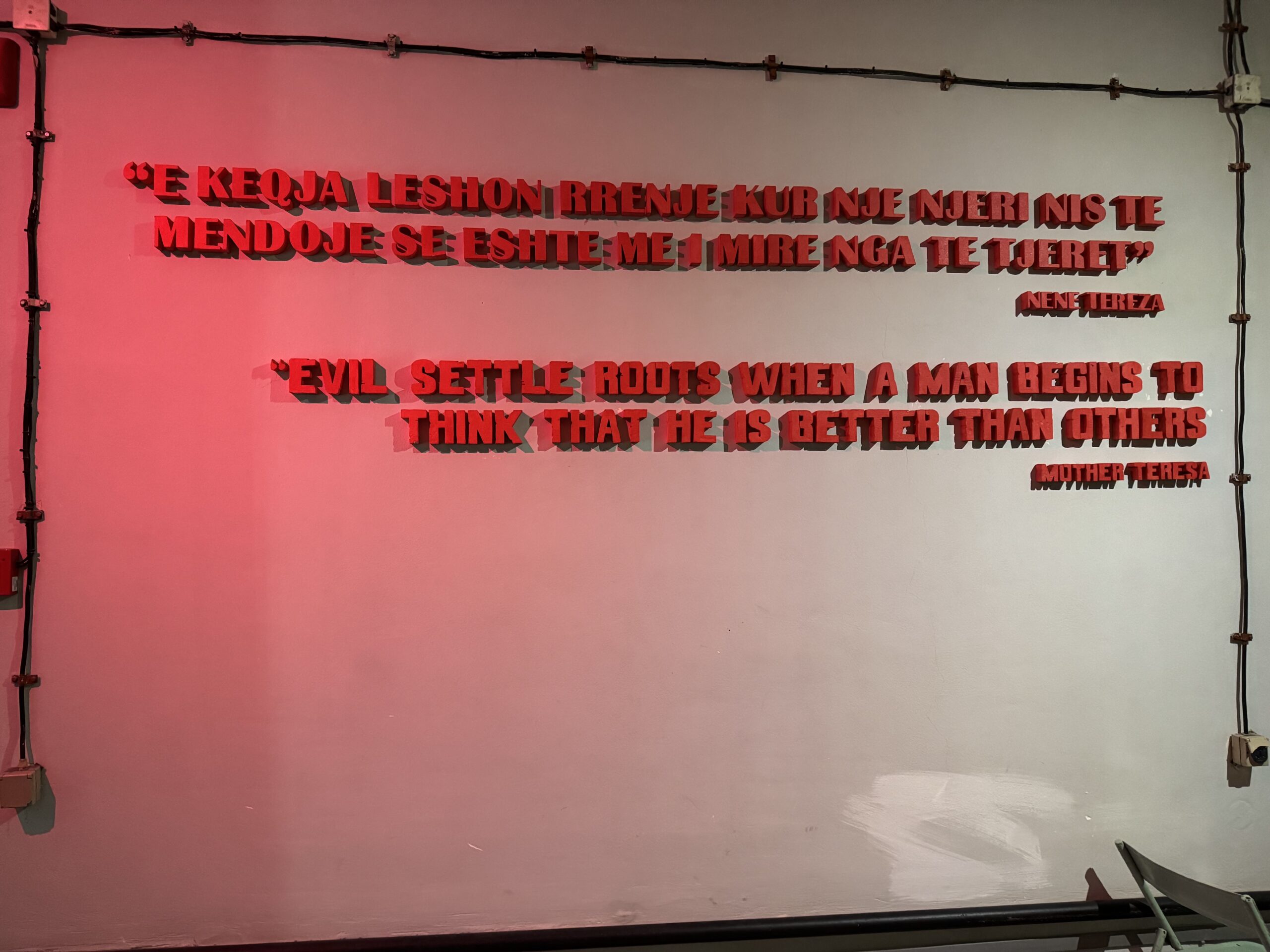
Before I started planning for this trip, I’ll admit I didn’t know that much about Albania. I would have guessed that it was part of Yugoslavia, which it was not, and the only thing I did know was that it is the homeland of Mother Theresa (although interestingly, not her birthplace, which was Skopje, North Macedonia). As it turns out, Albania actually has a very interesting and unique history!

It was once part of the Ottoman empire, but declared independence in 1912. During WW1 and WW2, the primary focus was on maintaining their independence, which was made more difficult by Italian and then German occupation. In 1944, Albania managed to free themselves from German occupation under Enver Hoxha, ushering in the next chapter of history in Albania: communism.

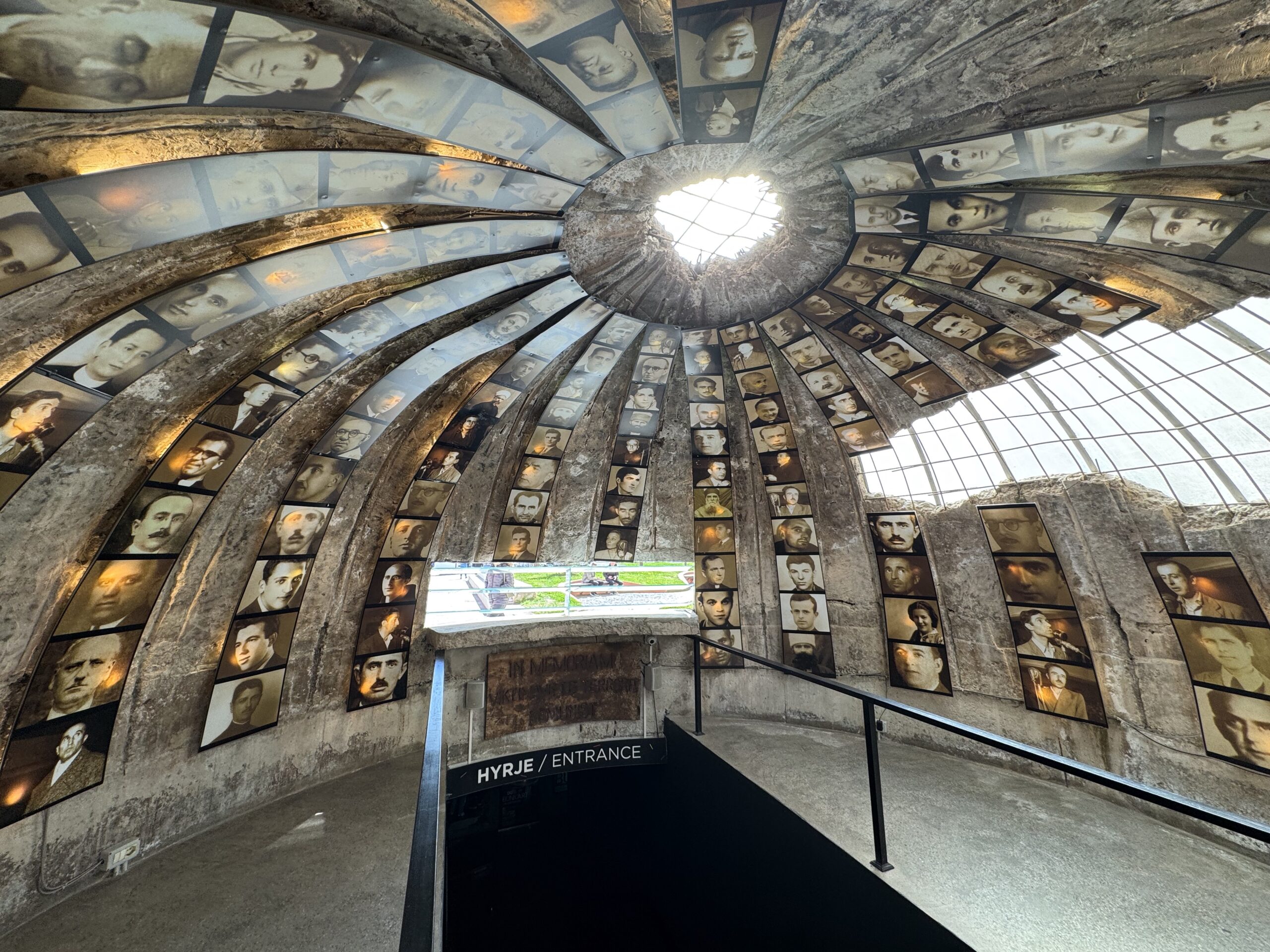
Hoxha led Albania from 1944 to 1985, leading an intensely authoritarian and isolationist regime. Albania toyed with the idea of allying themselves with Yugoslavia, the USSR, and China at various points in its history, but none of those lasted, as Albania tended to view the relationships as a threat to Albanian independence. Hoxha consistently told Albanians how every other country was out to get them, and wanted to invade them, and used that messaging to keep their citizens isolated and afraid. Albania built over 750,000 bunkers from the 1960s through the 1980s, which means there are still 14.7 bunkers per square mile in Albania.

Between Hoxha’s death in 1985 and the fall of communism across Europe in 1989, including but not limited to the fall of the Berlin Wall, Albania transitioned toward democracy in the early 90s. It was pretty rocky, though, as they weren’t financially stable, and it led to a brief civil war in the late 90s before they were able to stabilize. They’re now a NATO member and they have official candidate status with the EU.

An isolated culture and the lasting impacts of a dictatorship are both things that definitely check the boxes for me as a traveler, so I was really looking forward to the museums of Tirana to get a better perspective on Albania! Which is good, because I was there in March, when it would be a little too cold the main tourist activities of hiking and going to the beach.

I flew from Aden to Cairo to Athens to Tirana, in a flight path that my friends called “totally unprecedented” and “very weird.” I based myself in Tirana for about a week and did a few day trips outside of the city as well to explore more of Albania.

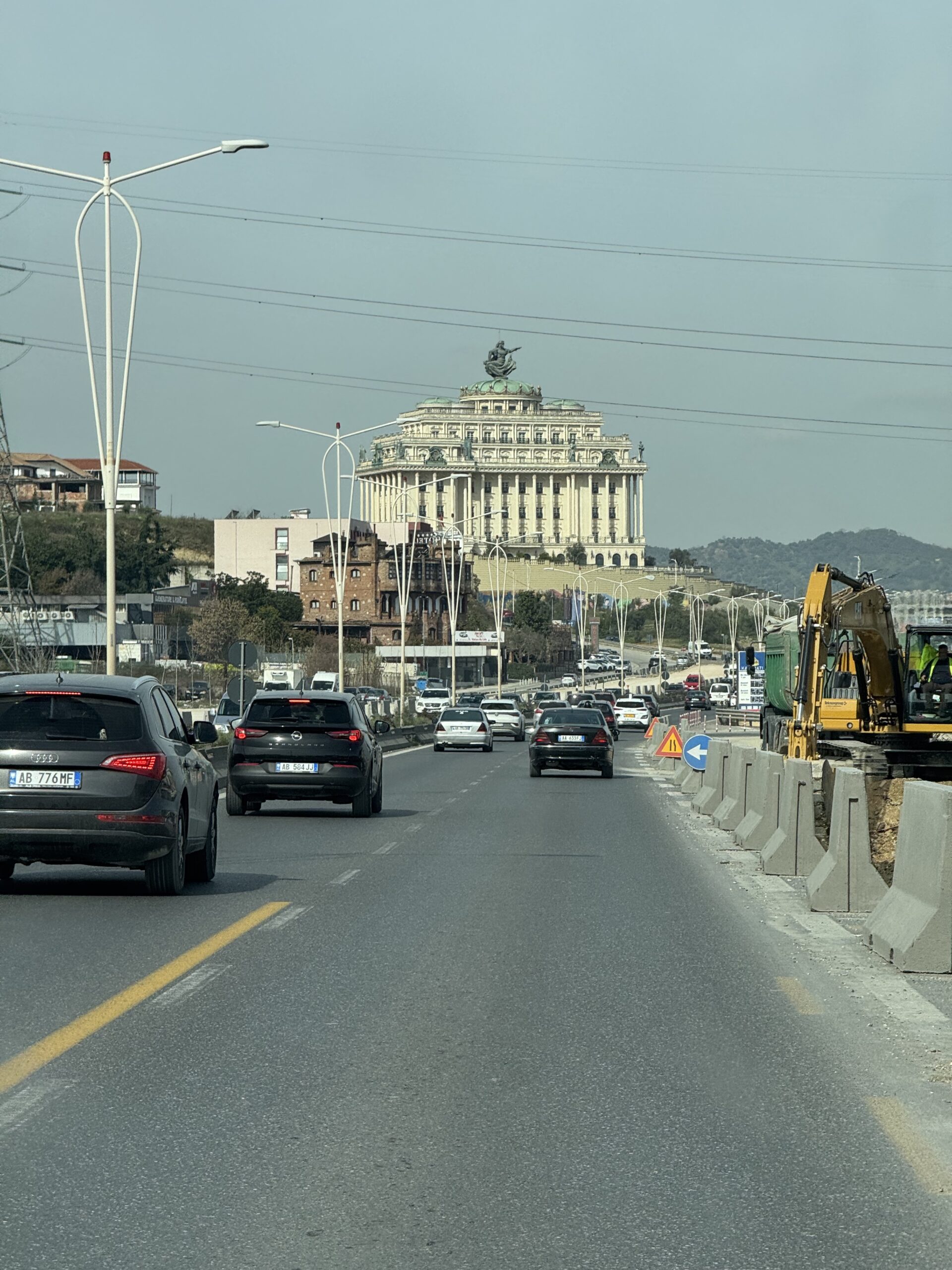
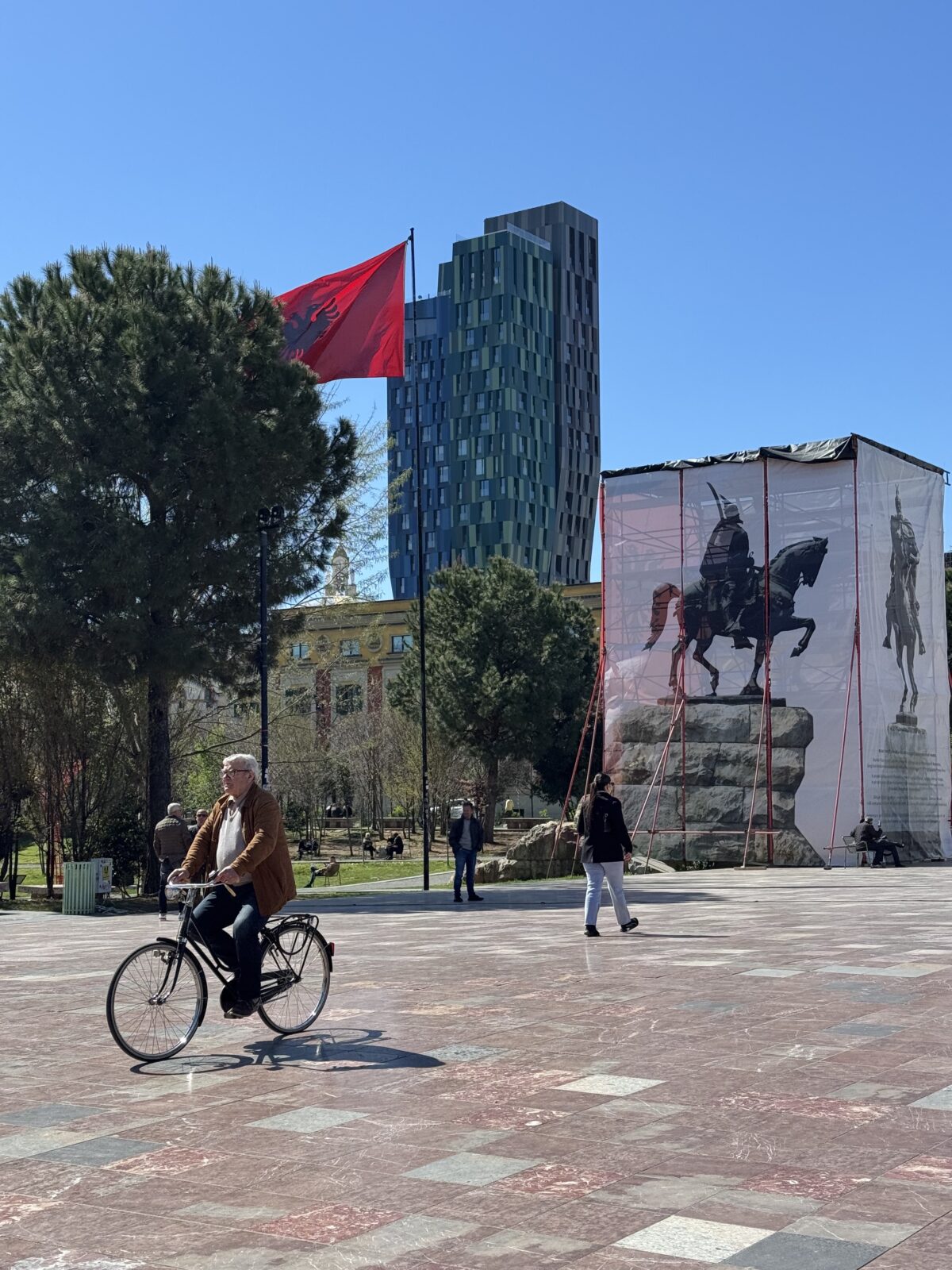
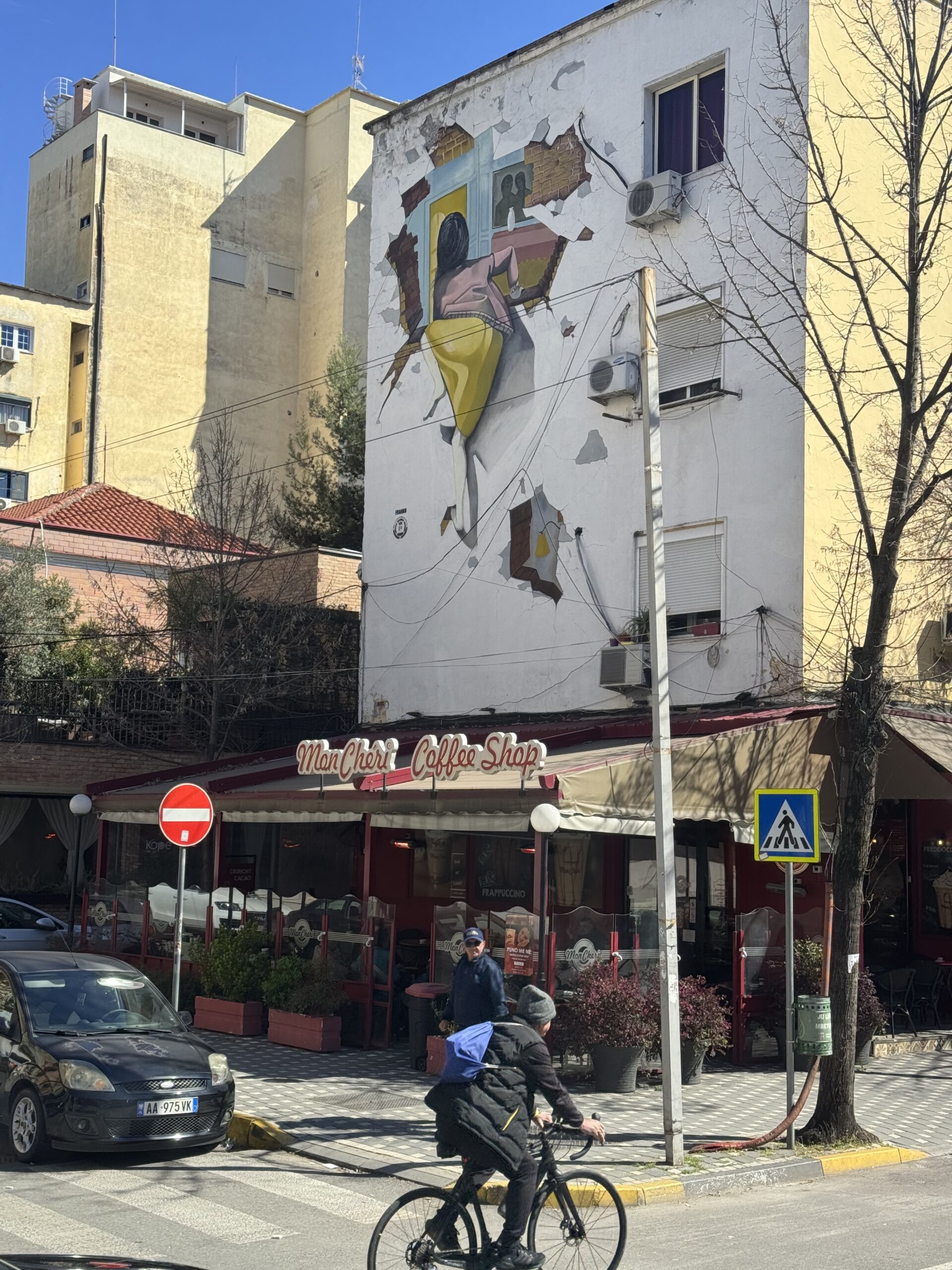
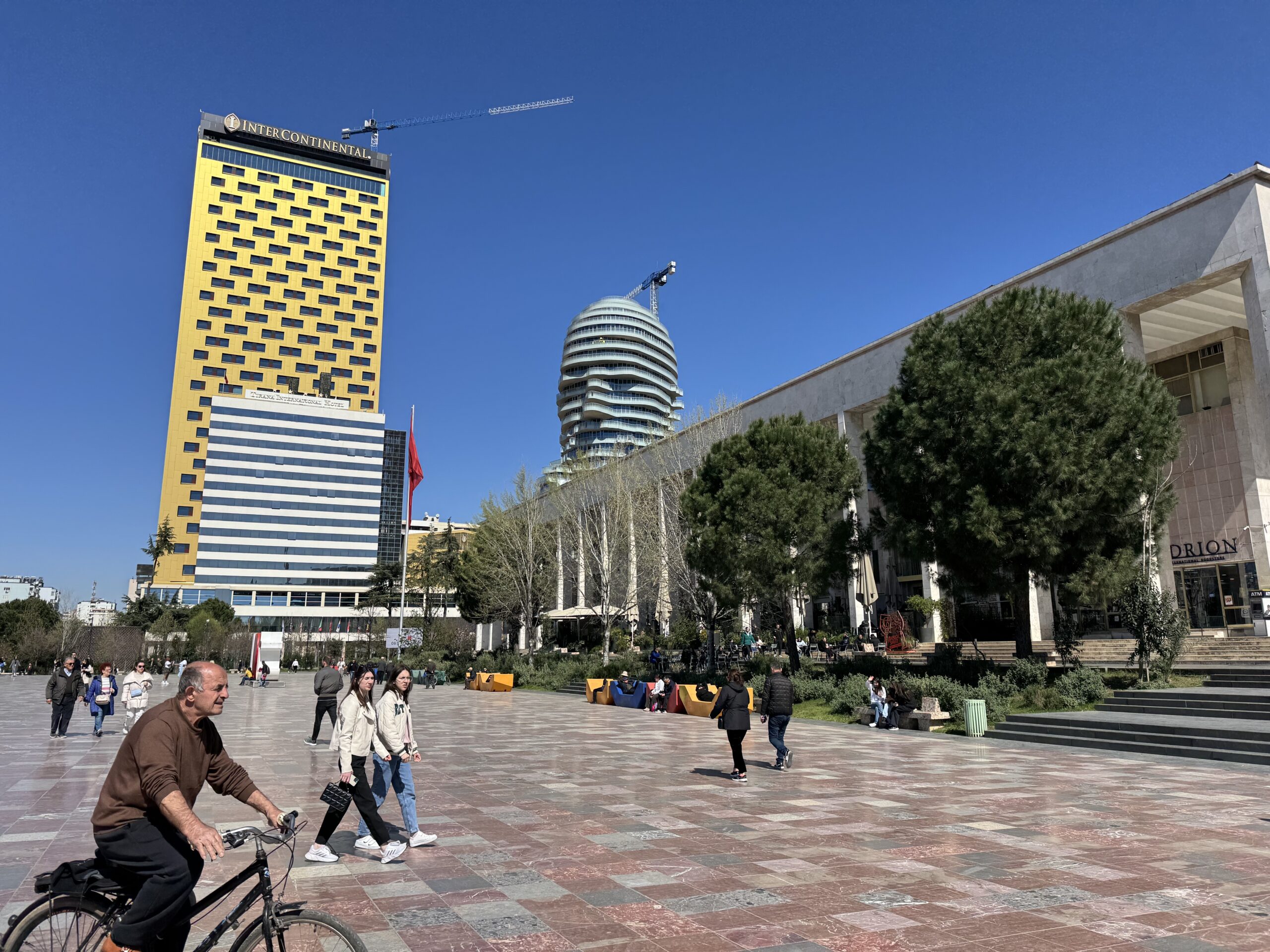
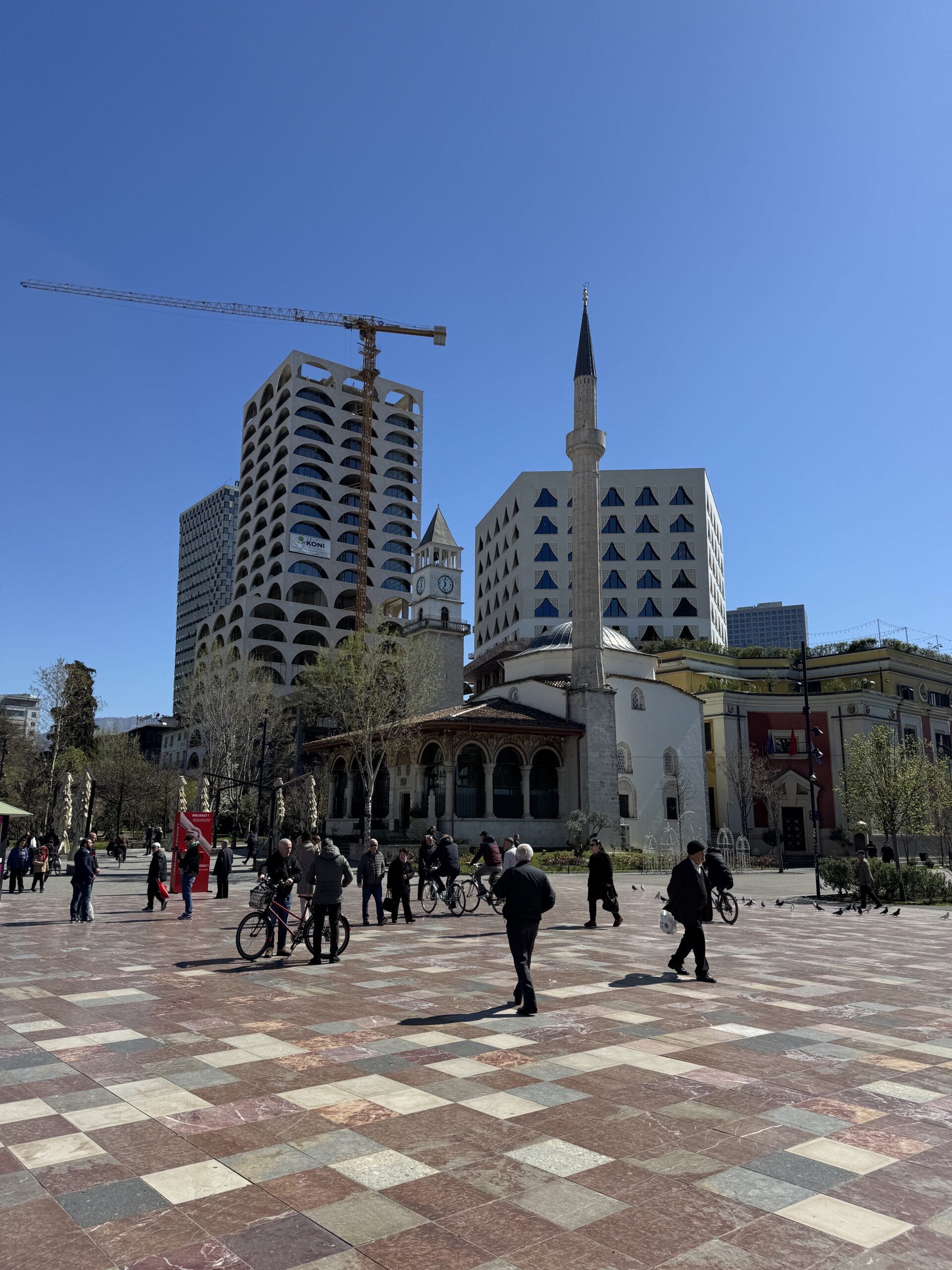
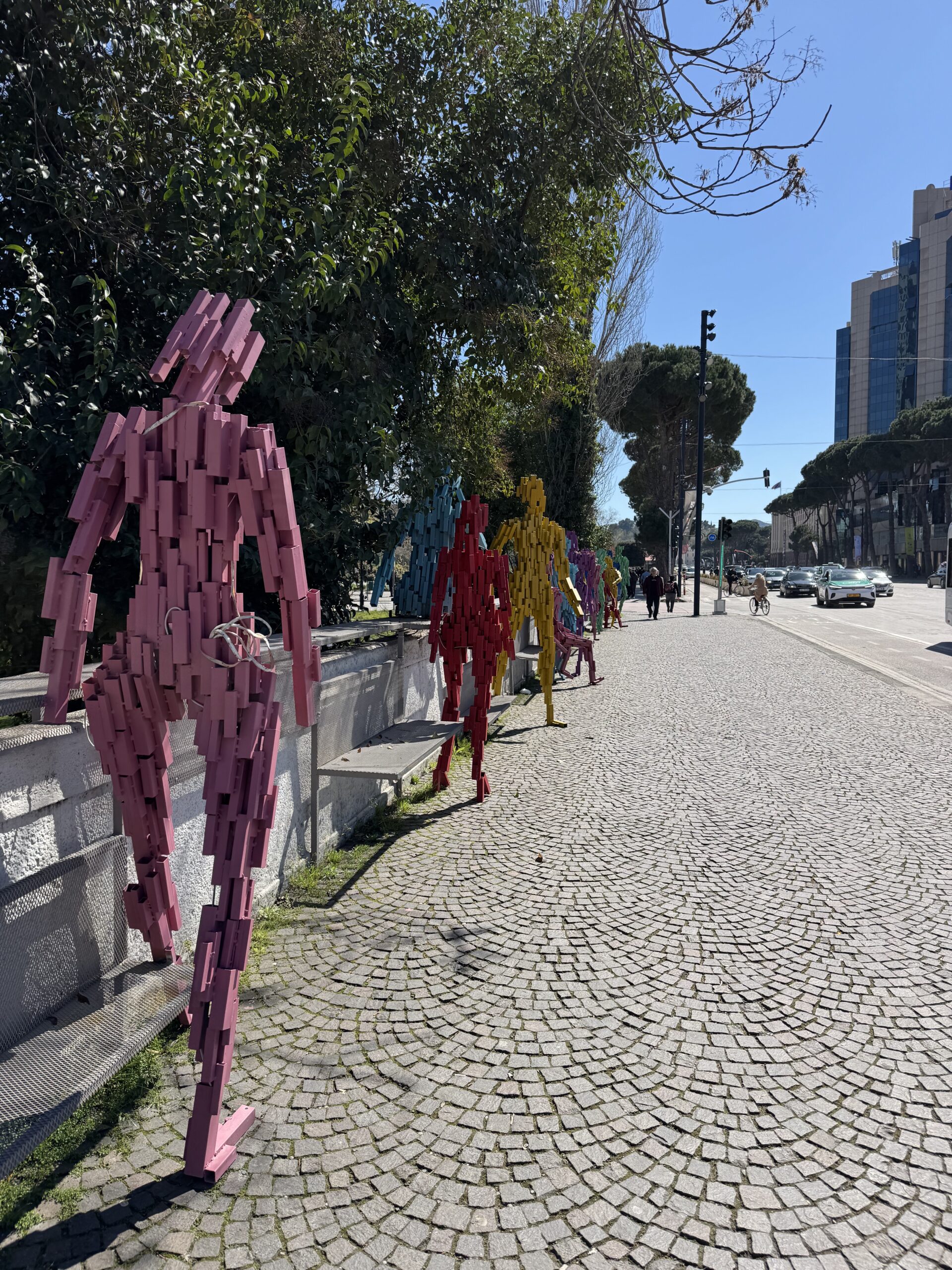
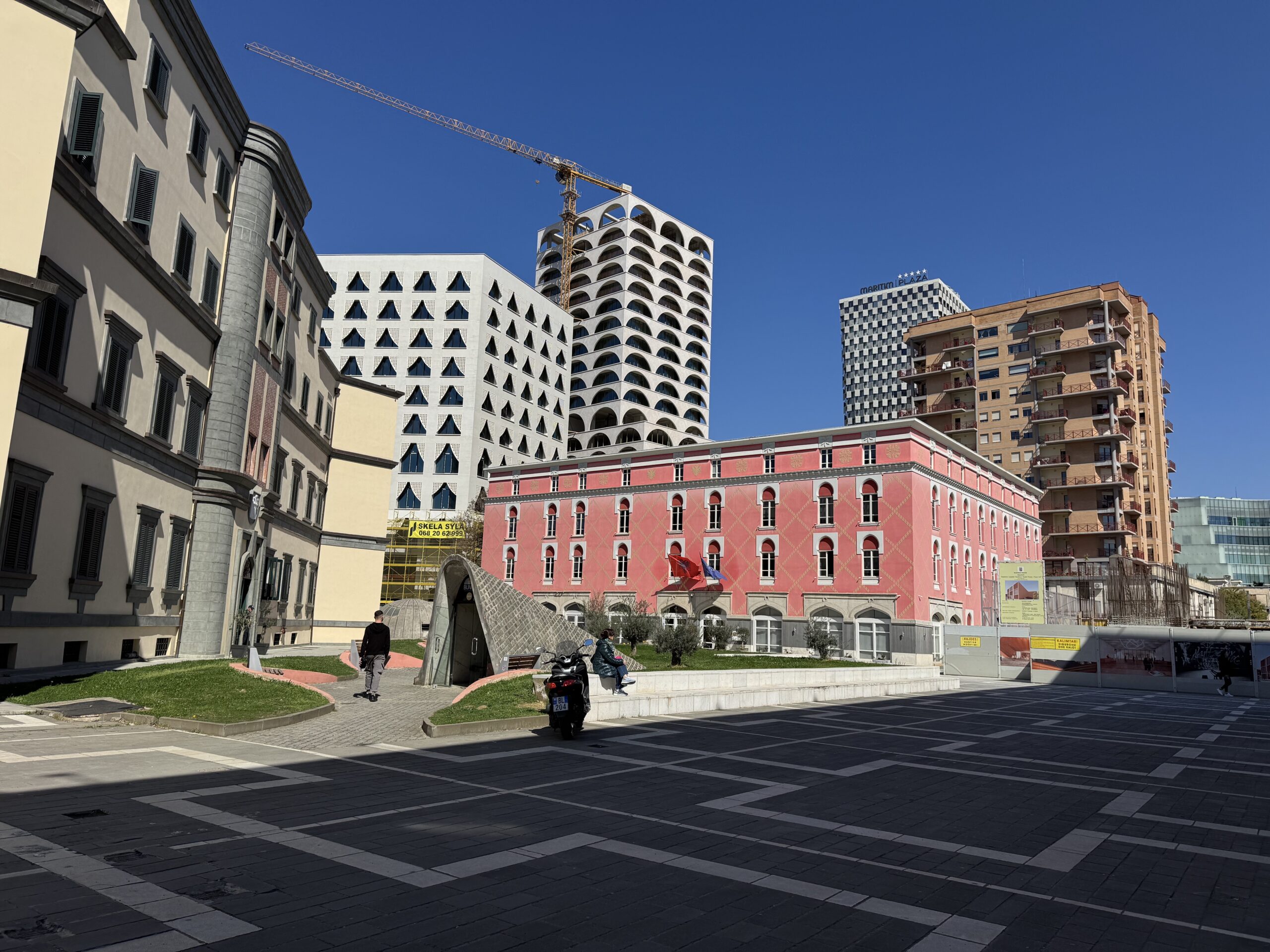
Tirana has an interesting vibe. There’s a lot of modern architecture and street art, which makes it fun to walk around and explore. It’s not a huge city. It was pretty easy to walk from my hotel to all of the major tourist sites and museums.

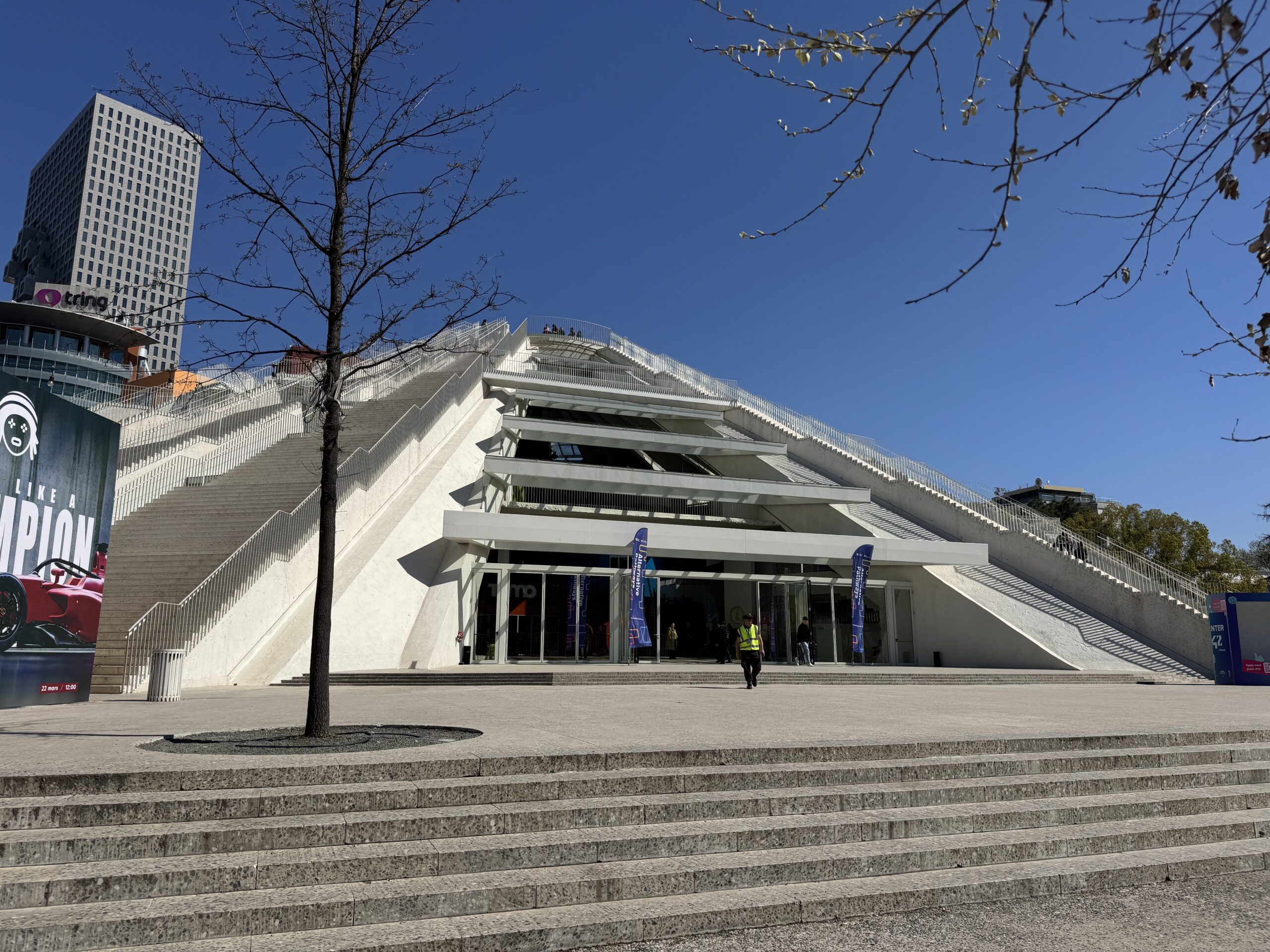
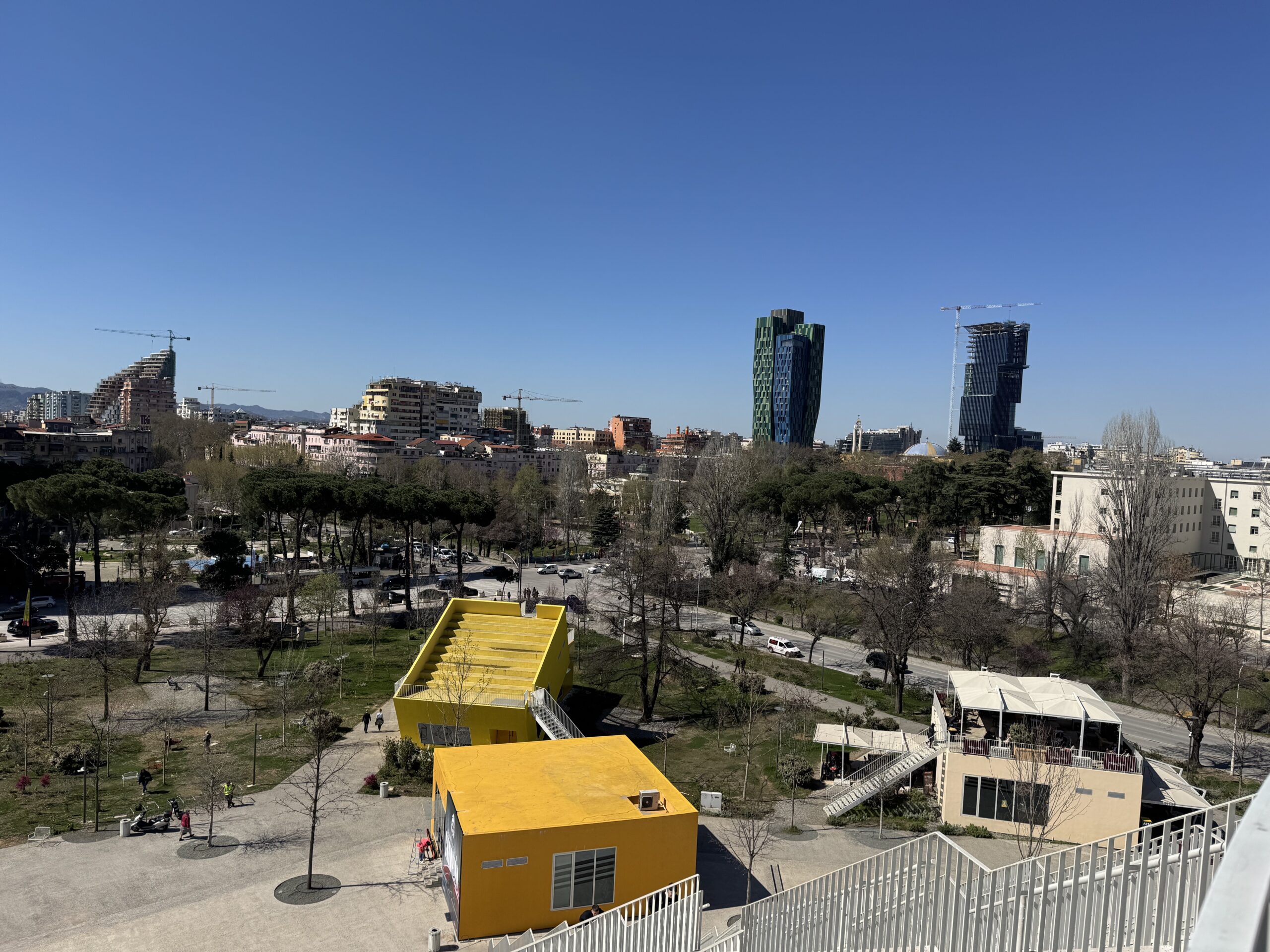
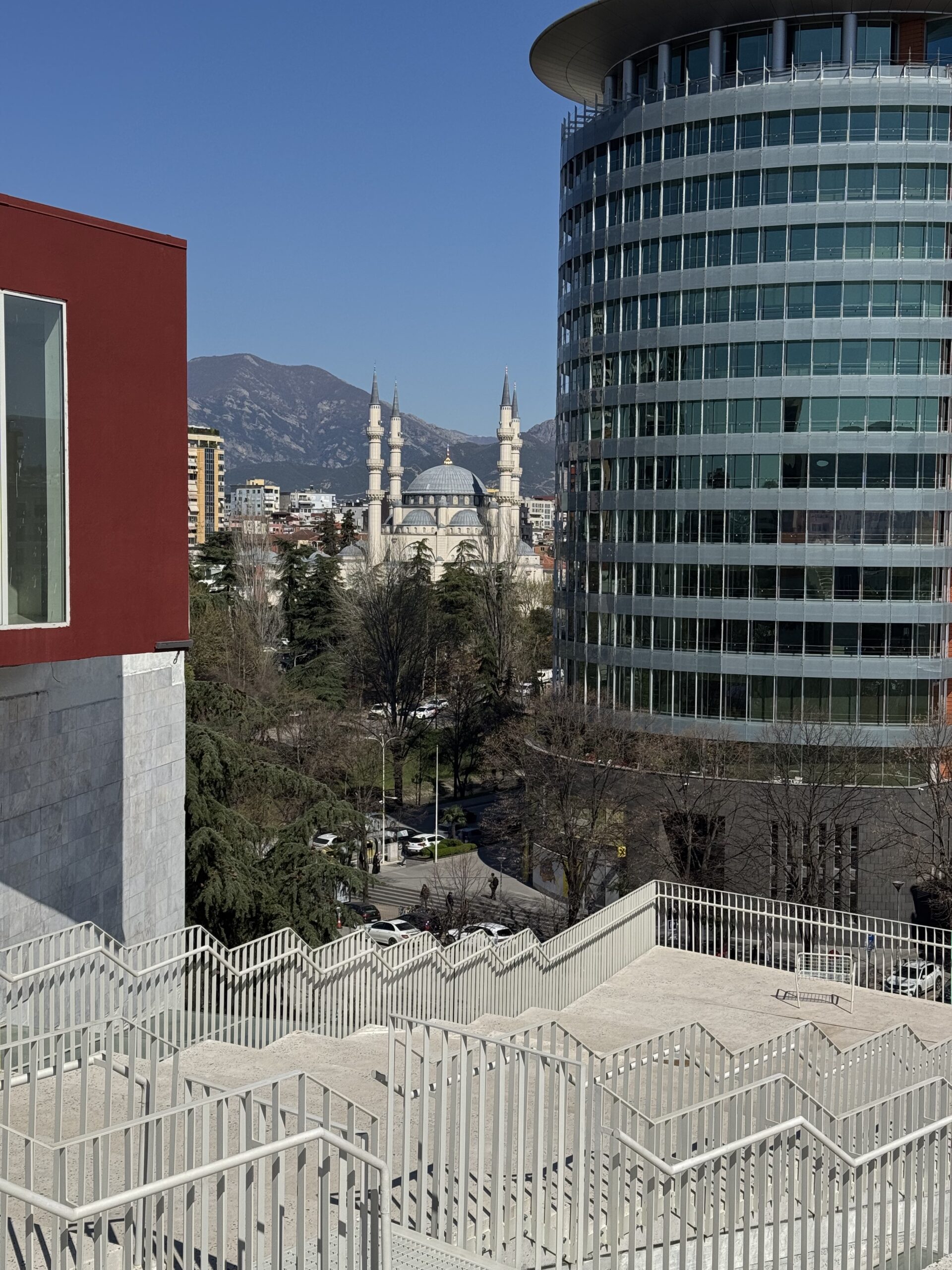
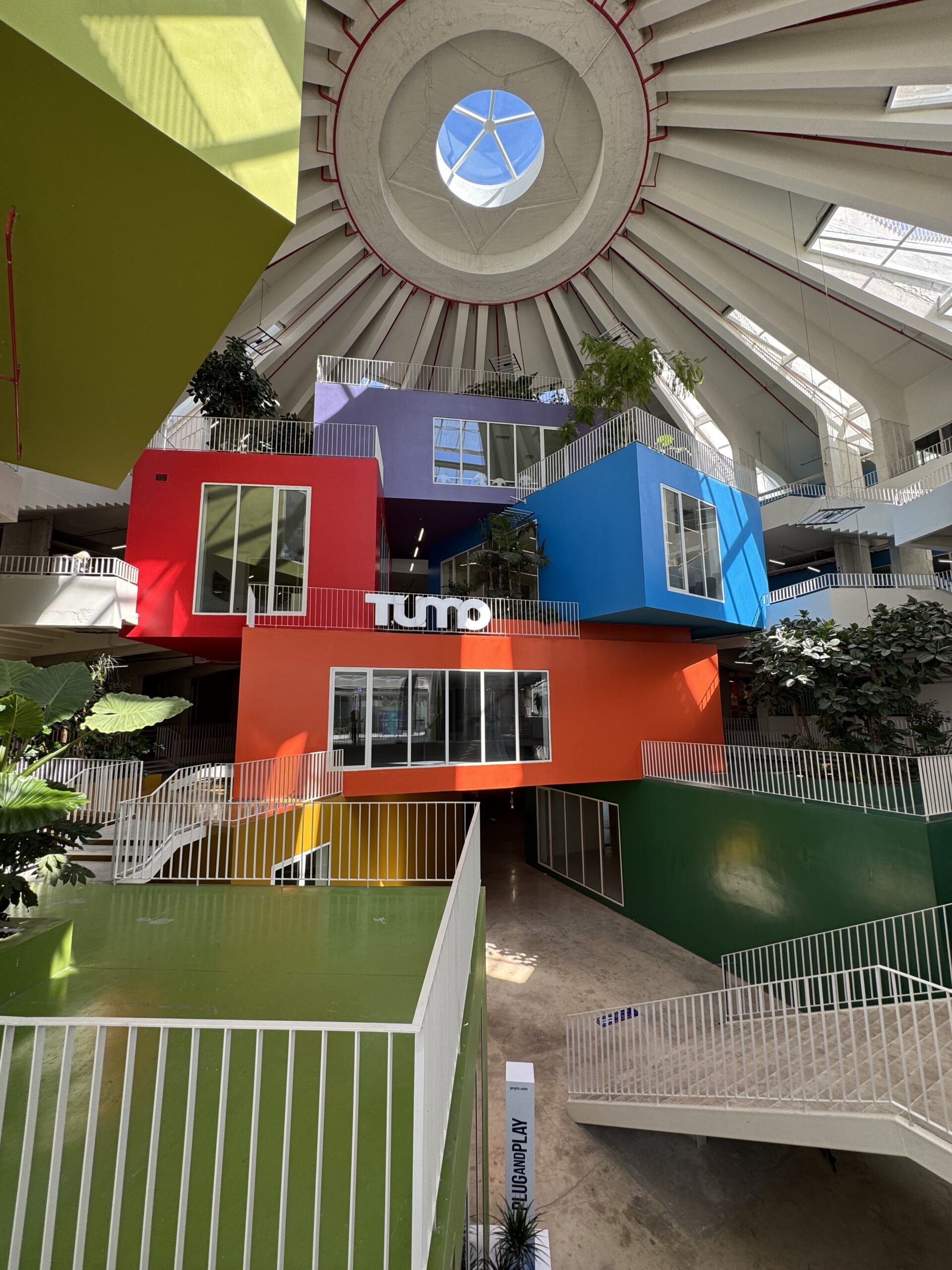
My first stop was the Pyramid of Tirana! I love a weird landmark, obviously. This one was opened up as a monument to and museum for Enver Hoxha in 1988, and was the most expensive individual structure ever built in Albania at the time. When communism collapsed very shortly thereafter, it stopped being a museum and has been kind of a multi-functional community center every since, with a lot of iterations of what people use it for. They’ve even talked about demolishing it. But for now, it exists, and you can climb to the top of it for some pretty decent views of Tirana.

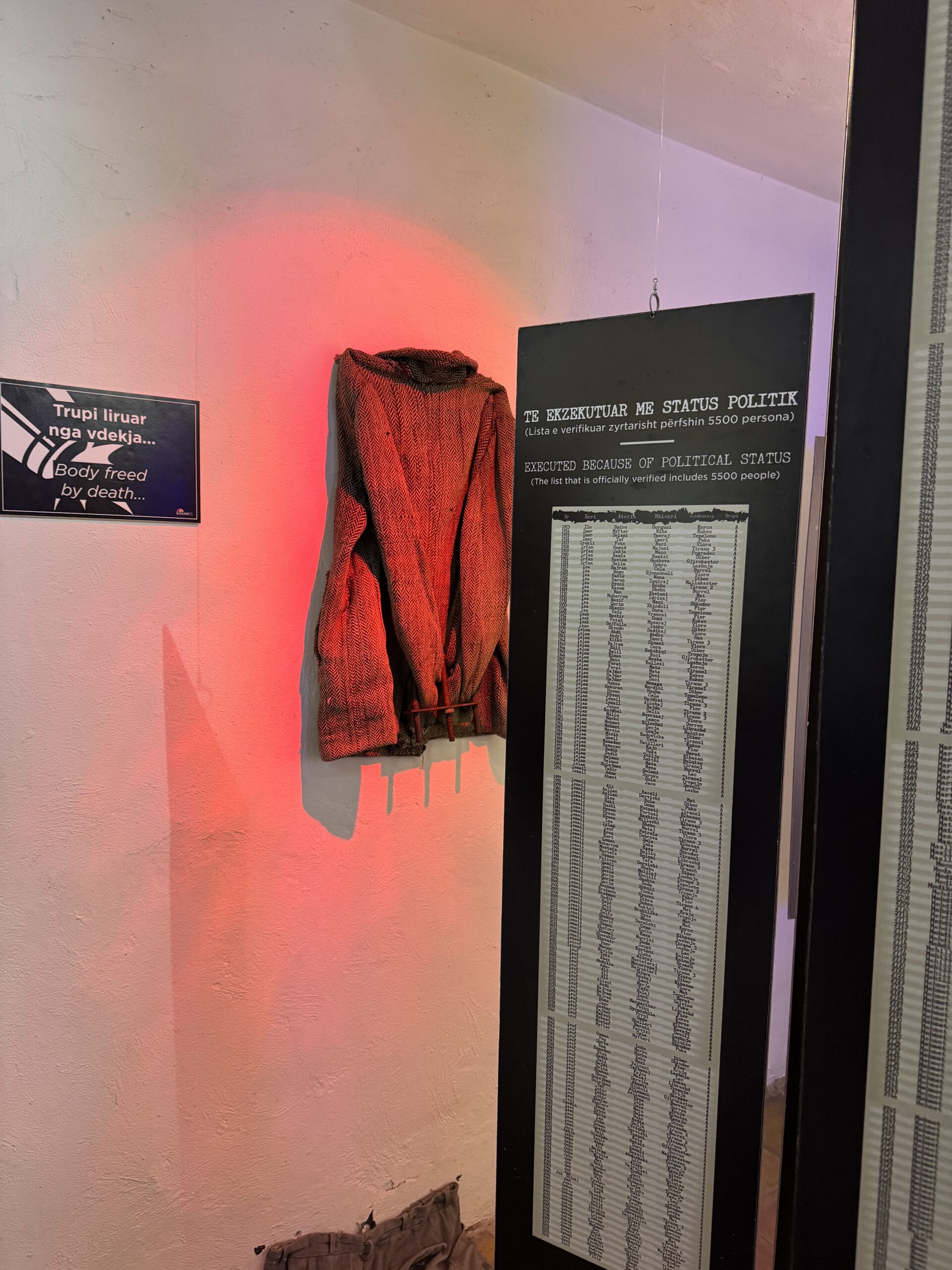
I also went to the House of Leaves, which I couldn’t take pictures in, but this one was about the surveillance systems that the Albanian government used on its citizens for decades. The secret police were very busy monitoring and arresting and torturing Albanians for all sorts of crimes, real and imagined. This, in conjunction with Bunk Art 2, gave me a very good overview of the communist era.

Bunk Art 2 is a museum located in a bunker in the middle of Tirana! There is also a Bunk Art 1, but that’s located a bit outside of the city and I had other priorities for my day trips outside of Tirana, so I missed that one. It was really interesting, and went more into the interrogations and torture that were done by the secret police, as well as the overall impact of the communist era.

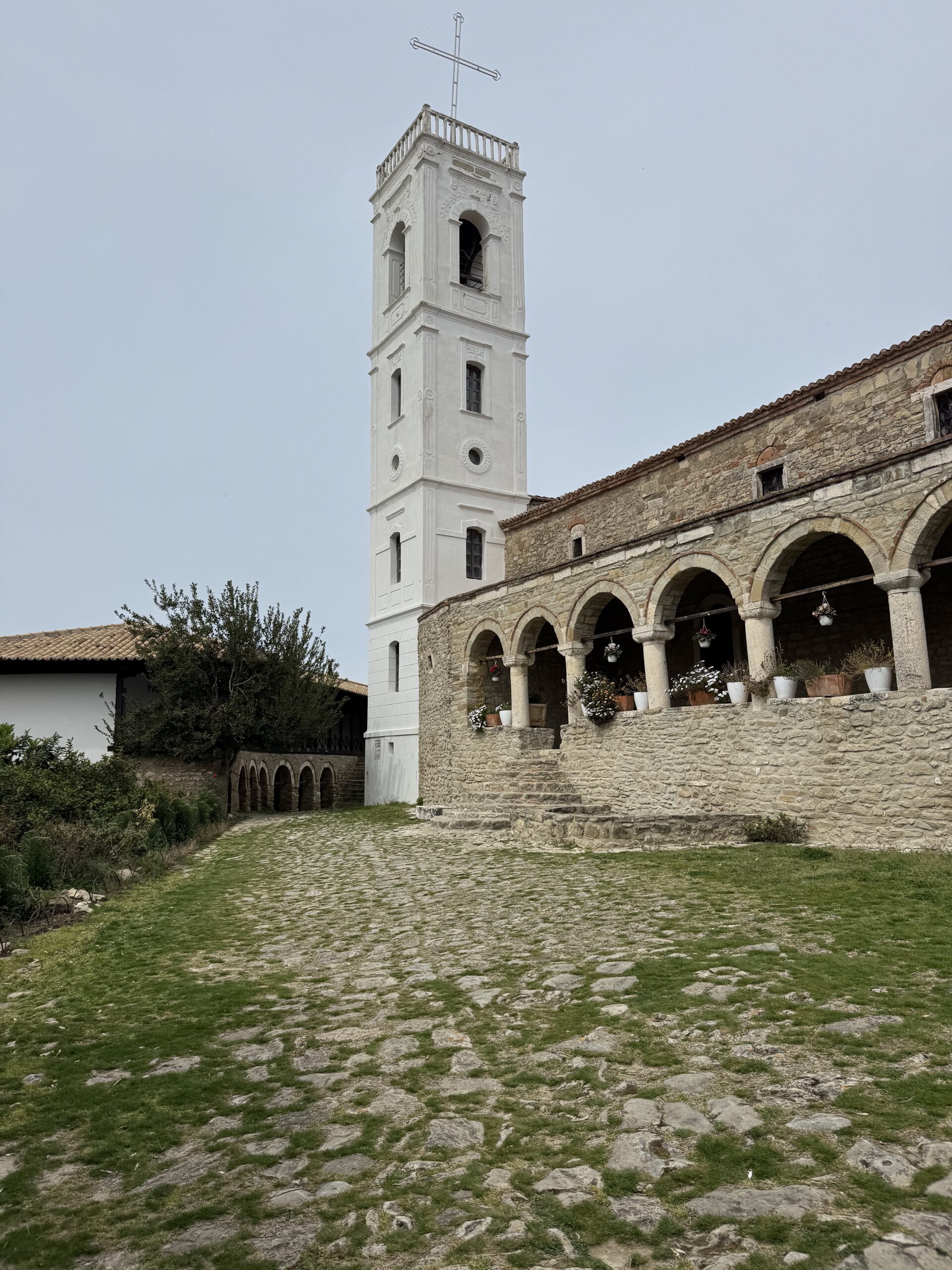
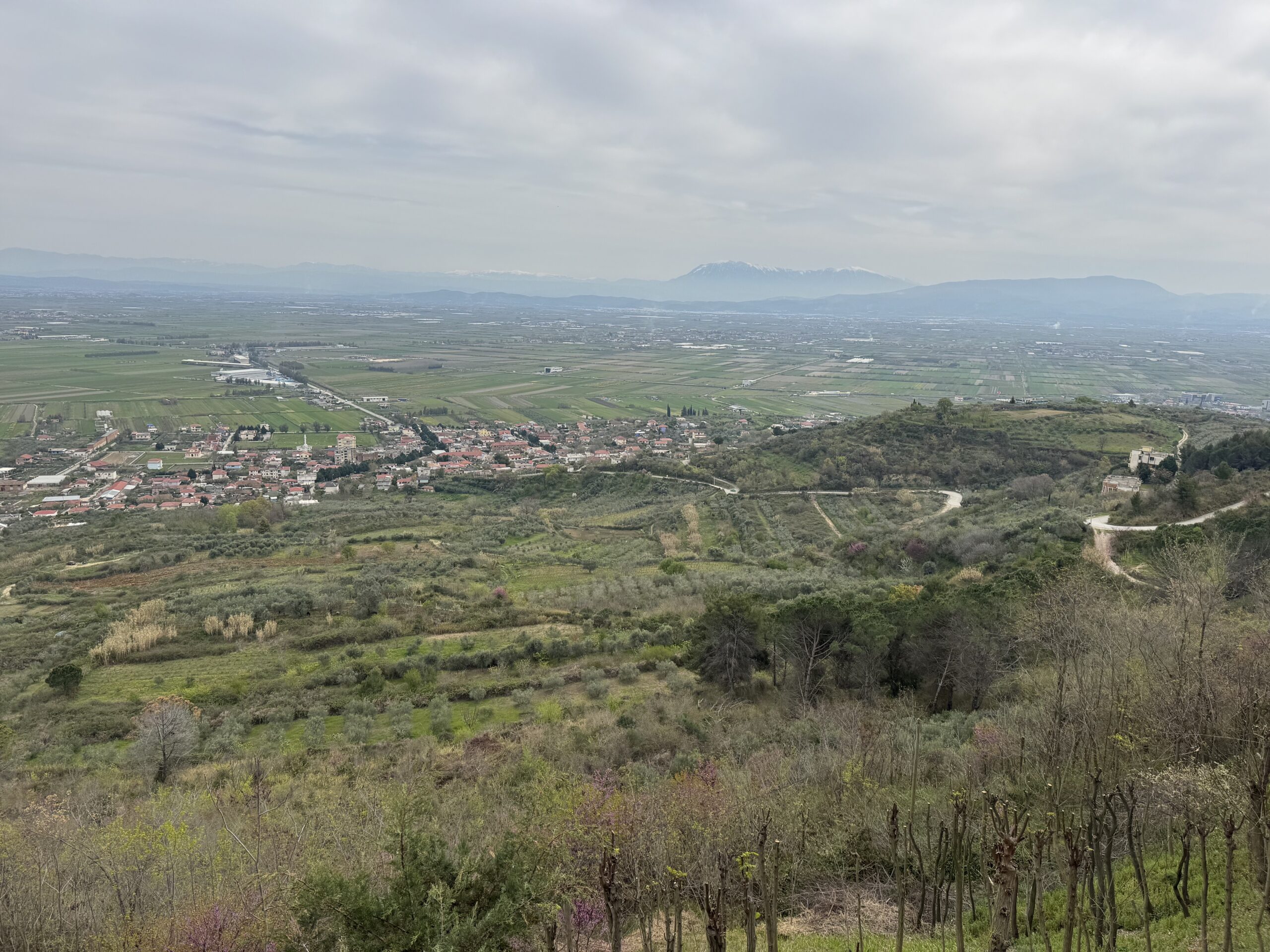
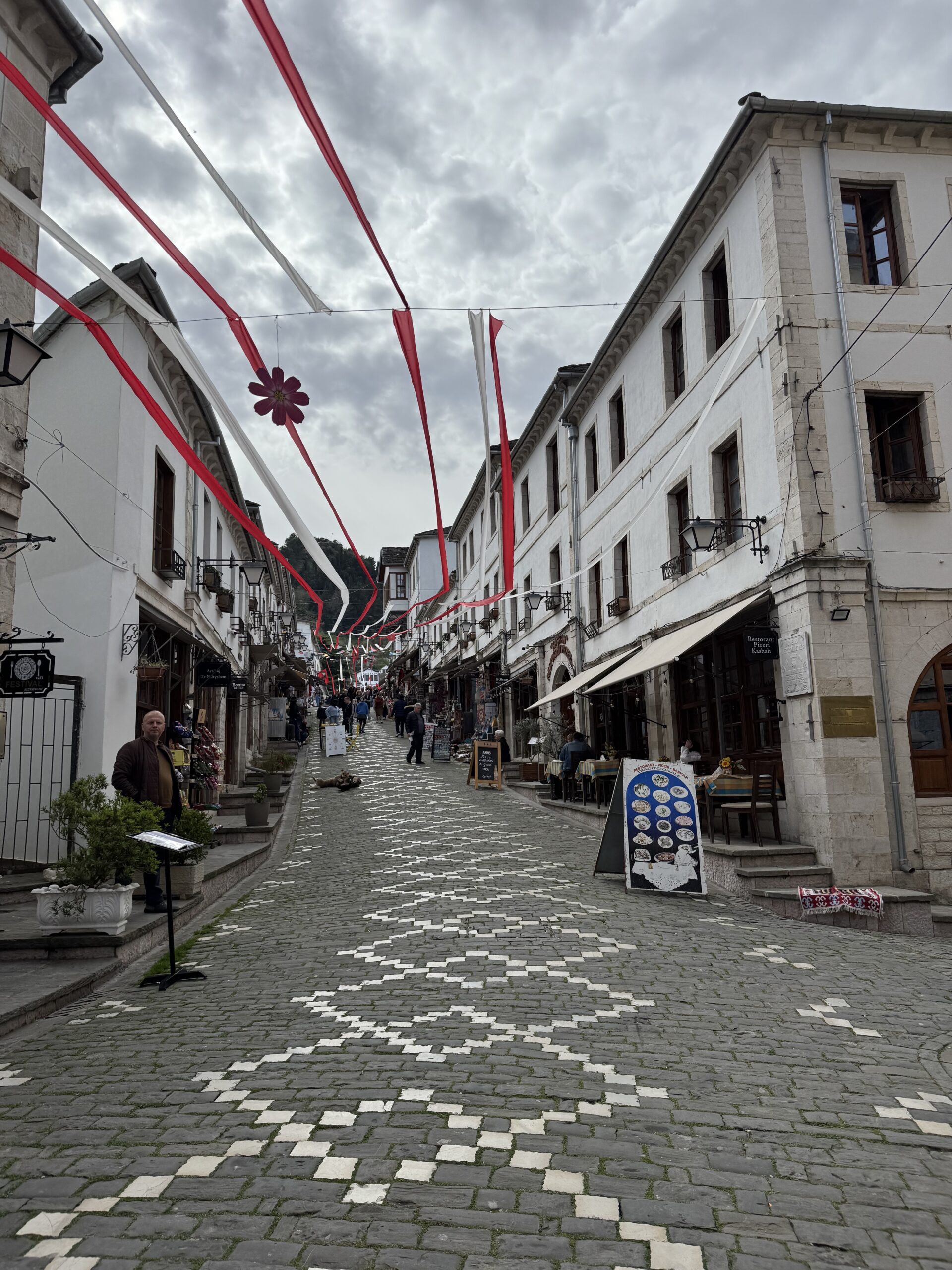
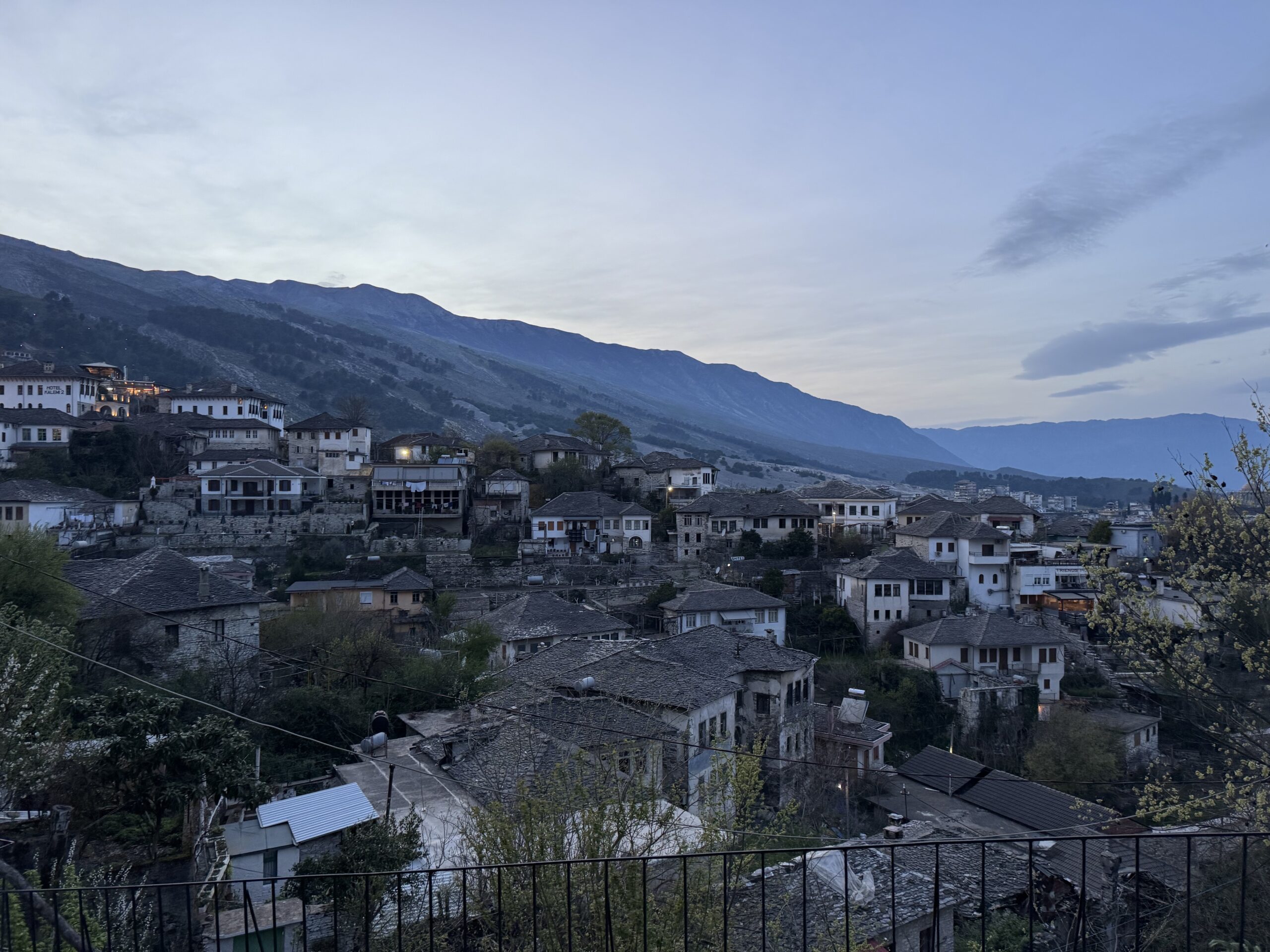
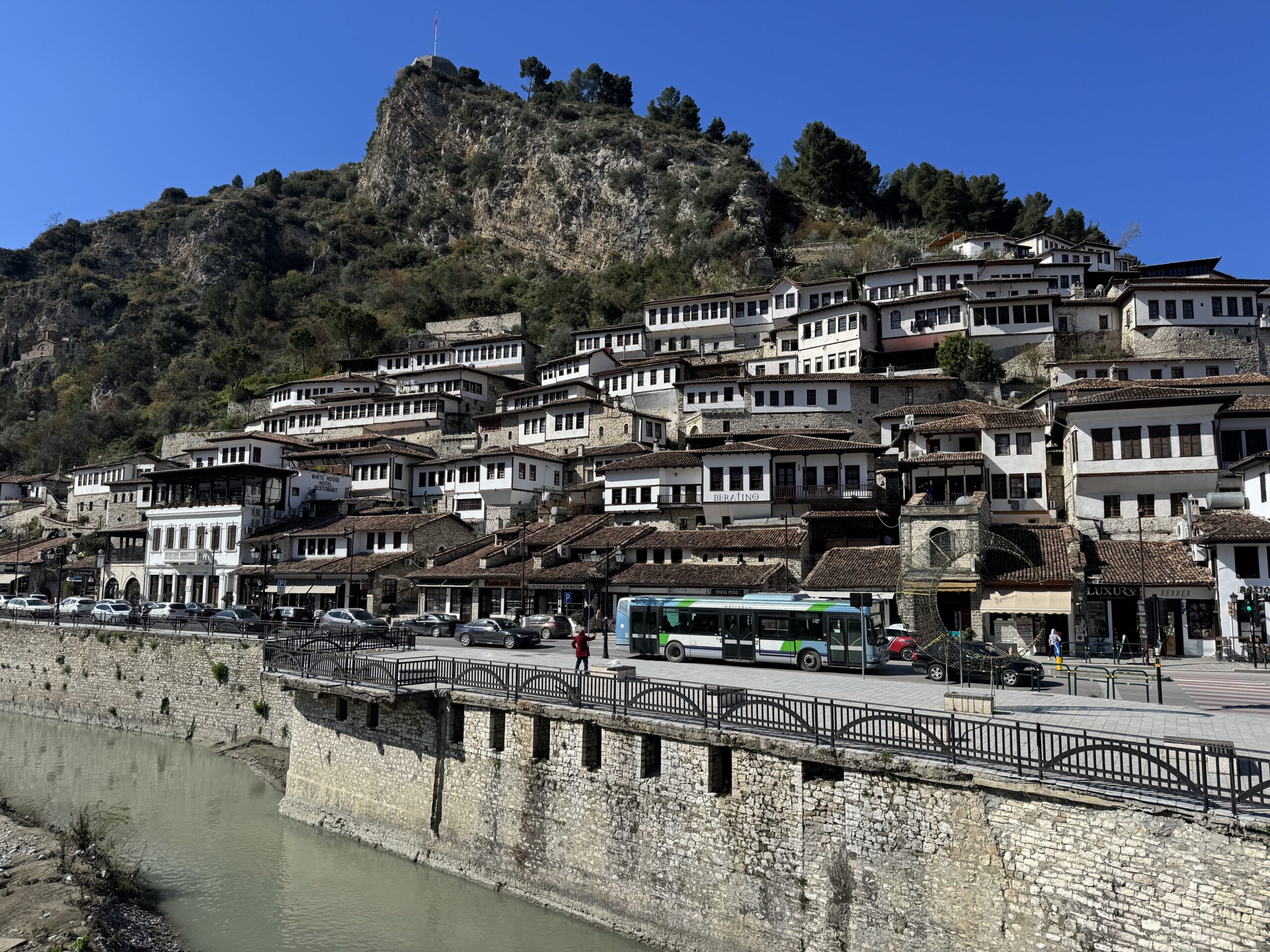
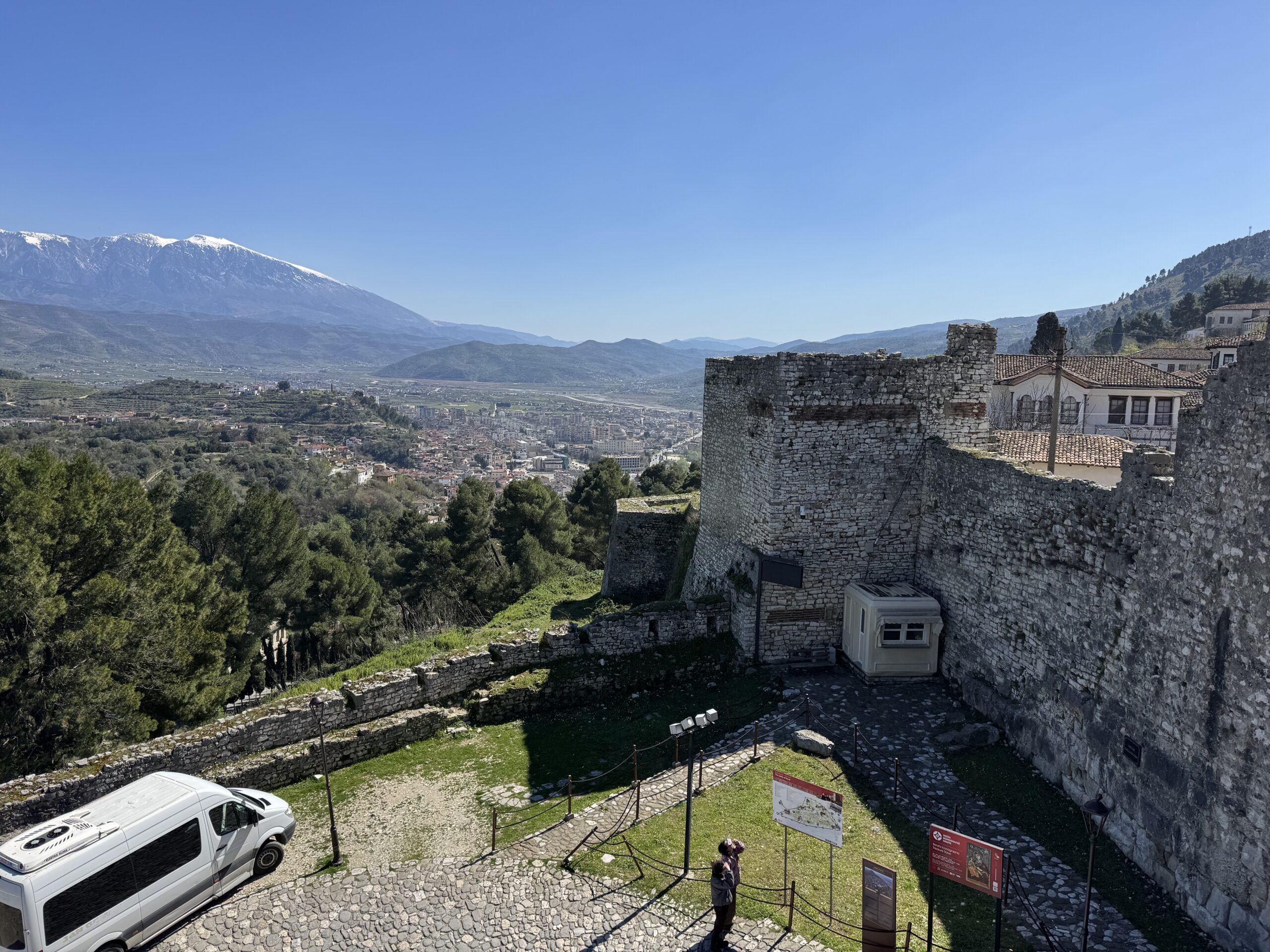
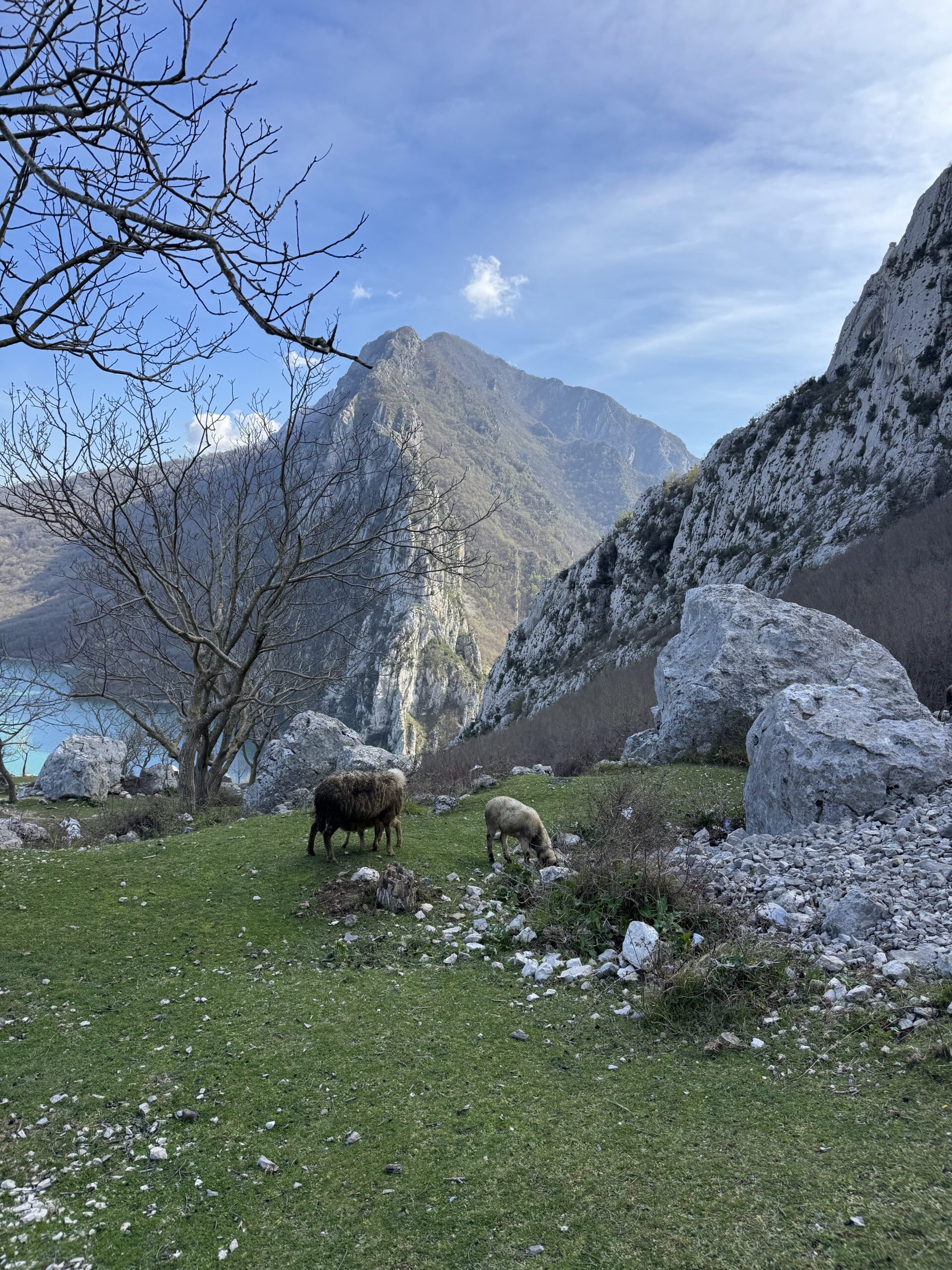
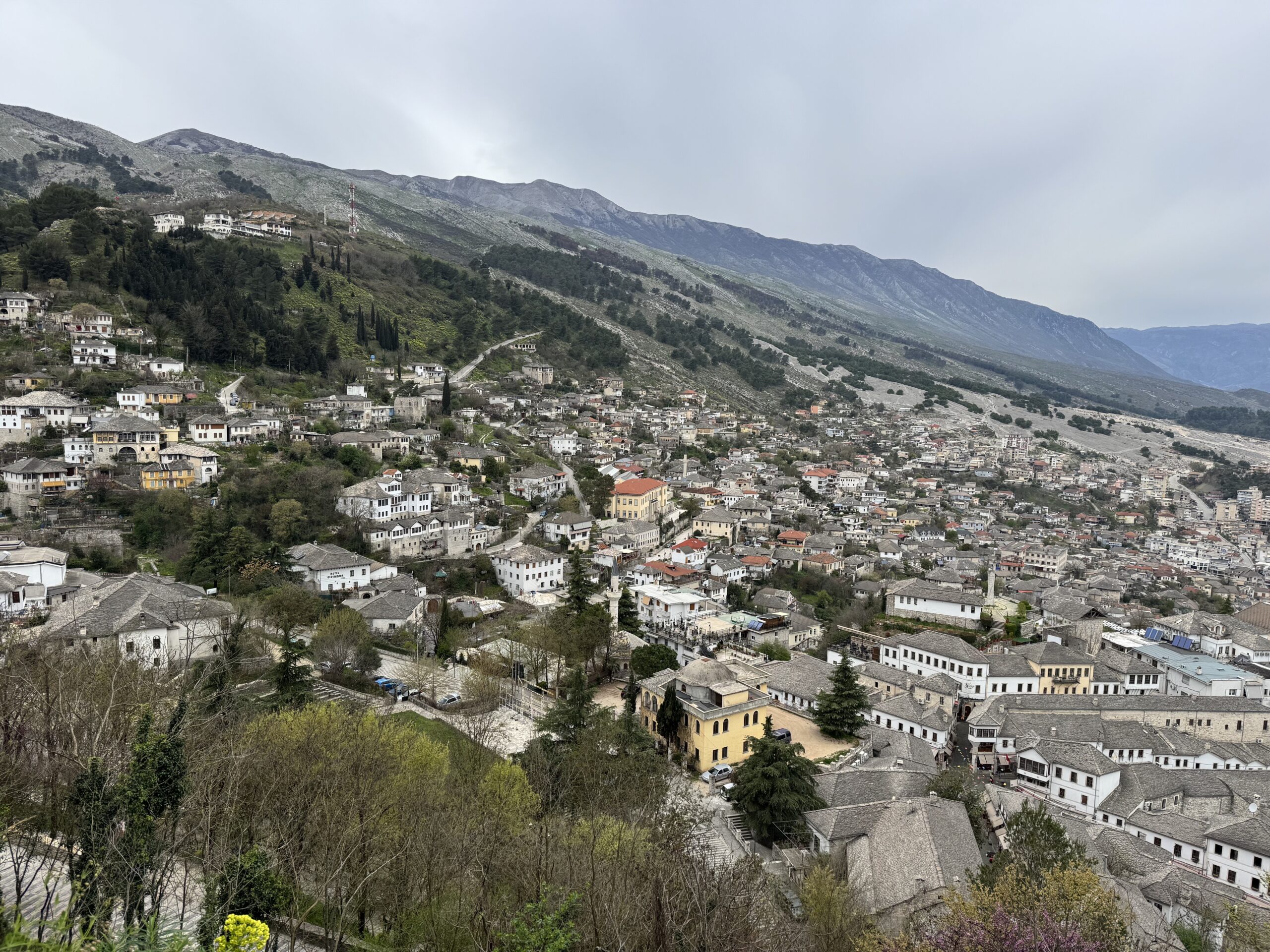
Overall, I liked Tirana a lot, and it made for a great base as I explored the rest of Albania. I went to Berat, Lake Bovilla, and Gjirokaster from Tirana, the last of which was a very long day, but I think it gave me a good sense of Albania and what it offers. Tourism is definitely starting to take off in Albania, especially along the coast – from what I’m seeing in tourism trends, it is on its way to becoming the next Croatia in coastal beach tourism during the summers, but I felt as though I was still seeing some of its cultural sites in a more nascent stage of tourism. More on the day trips out of the city in my next post, but I definitely enjoyed Albania and would recommend it for any itinerary in the Balkans!

Categories
Bosnia and Herzegovina Europe Serbia

Stuck in the Snow in Serbia

While looking for good day trips outside of Sarajevo that weren’t Mostar, I found one that I was really excited about that went to East Srpska and Western Serbia. Bosnia and Herzegovina is very interesting, politically – even from the name, it’s easy to tell that it defines itself as multiple different segments, under one umbrella. Geographically, Herzegovina is the southern part, which includes Mostar, and then the north and east are considered Bosnia. There are also two political entities. One is the Federation of Bosnia and Herzegovina, and the other is Republika Srpska. Srpska often identifies more heavily with Serbia, both in their flag and their traditions. It made for a very interesting day trip, because we got to see very different parts of BiH and we had a guide for this portion, so we could ask lots of questions.

The landscape felt a lot like Colorado as we headed out of Sarajevo and headed to our first stop, Visegrad. The bridge was originally built during the Ottoman empire and is now a UNESCO World Heritage site. After walking across it and admiring the town from the bridge, we boarded a boat to get a better view!

Once we had taken it all in, we headed into town. Part of Visegrad had been built as a film set, called Andricgrad. It had very strange vibes – kind of Truman Show, with the appearance of an “old town” but clearly brand new.

One of the other interesting things we saw in Srpska was this billboard, with their leader, Milorad Dodik. We had asked if there were going to be any celebrations for the 30th anniversary of the peace treaty, and our guide shook his head and told us that things were still tense. In my understanding, Dodik had attempted to enact new laws that were challenged by the courts, and the courts in the Federation also responded by sentencing him to prison. He responded that he would not recognize their decision and was attempting to rile up the population in Srpska to support him against the Federation. Things seem to be settling down again now – the news articles aren’t more recent than March, when I was there.

Our next stop was the Dobrun Monastery, which Wikipedia informs me was built in 1343. Its location along the banks of the river was very scenic.

After that stop, we crossed into Serbia! We ended up getting lunch at another film set town. Is it odd they have so many film sets in this tiny part of the Balkans? This was designed to look like a traditional Serbian village for the film Life Is a Miracle. I found it to be more charming than Andricgrad, personally.

Once we’d had lunch, we headed into Tara National Park to go to a viewpoint. Unfortunately, the farther we got on the road, the icier it got, until we went down a hill and then weren’t able to get up the next one. Which was fine, we would just turn around…. except, we couldn’t get up the hill we had just come down, either. Our guide told us to get out of the car (me, Grace, and a Polish woman who was on the tour with us) and he tried to get it up the hill. And then tried, and tried, and tried. All told, it took about two hours where we were stuck on the side of the road, waiting for our car. A huge thank you to all the lovely Serbians who stopped to try to help us and wait with us!

Luckily, the car did get unstuck, and we got down the mountain again and back to Sarajevo! It was certainly an adventure. I will want to go back to Serbia, as I’d like to see Belgrade and Nish and a few other places, but I will never forget my first time.

Categories
Bosnia and Herzegovina Europe

Sarajevo Weekend

I first visited Bosnia and Herzegovina on a day trip from Dubrovnik, when I went to Mostar. I loved it immediately – it was one of the highlights of a whole month of travel, and I was eager to go back to experience more of the country! As it turns out, I ended up getting to come back sooner than I expected, in a long weekend with a friend of a friend who I only met when she showed up at the Airbnb. Alan, our mutual friend, ended up having to pull out of the trip at the last minute due to a skiing injury. While it was a bummer not to get to experience the trip with him, I still had an amazing time!

I had most of the first day by myself, since I landed at 11 am (after an extremely tight layover) and then Grace didn’t arrive until dinner time. I started by wandering around the city center. The airport is a bit of a haul from the city. I wanted to take the bus, but it was infrequent and I would have had to wait for a long time, so I ended up sharing a taxi van to the city center with a few other travelers. Once you get there, though, almost everything is walkable, with one historical site as an exception.

Walking around the Old Town is very cool. The architecture is beautiful and I loved looking at all the shop displays, with the Bosnian tea sets and carpets and handicrafts. Grace and I didn’t do much the first night beyond figuring out dinner and getting settled in, but we got up early the next morning to see as much as we could!

We started with the Latin Bridge, which is one of the most important historical sites of the 20th century. This is where Archduke Franz Ferdinand was assassinated, which kicked off WW1 and led to millions of deaths. It’s such an unassuming place. It was very strange to stand there and think about how consequential it once was.

From there, we headed up to the Yellow Fortress, which had great views of the city! Luckily, the weather wasn’t too hot, because it did take a few steep hills to get there.

Sarajevo has a very dark recent history, and the museum options are plentiful but depressing. We ended up going with the Museum of Crimes Against Humanity and Genocide, which was a very good overview of the conflict and resulting genocide in the 90s. I knew a little about it, but not that much, and Grace and I ended up staying there for a long time reading through all the details and watching the videos of what life was like during the Siege.

It was so recent. This November will mark the 30th anniversary of the peace treaty between Bosnia & Herzegovina and Serbia, which means that pretty much any adult that we spoke with lived through the war and the genocide and the siege. As I’ve said before on this blog, I love to see when a place is resilient and manages to thrive after such horrible circumstances, and Sarajevo is an incredible example of it. The marks that were made on the city are still evident, from a few collapsed buildings that have never been rebuilt to evidence of mortar shellings, like the “Sarajevo roses” in the sidewalks where the holes were filled with a red material.

I spy at least three mortar shell scars on this building

After lunch, we continued with the historical tour, which did require a taxi. We wanted to go to the Sarajevo Tunnel, which is also known as the Tunnel of Salvation or Tunnel of Hope. It’s located back near the airport, pretty far out from the city center. It was worth the journey, though – very interesting to see how they got food and supplies into the city despite the blockades. I can’t imagine how harrowing it must have been in the dark under the threat of sniper fire and bombings.

With that, we called it a day, and had a really nice meal and drinks at a local restaurant. We had scheduled a tour for the next day, which deserves its own post (stay tuned), but it meant an early morning to make sure we had time to experience the full itinerary.

For our final day, Grace had more time than I did, so she managed to swing a day trip out to Mostar! I was heading out at 3 pm, so I had another quick walk around the city, trying to see some of the areas that we had been driven by but hadn’t had a chance to walk through, like Veliki Park and along the river.

I also managed to make it to another one of the museums I was very interested in, which was Gallery 11/07/95. It is a photo gallery of the genocide. The audio guide was excellent. They had several short films that did a great job illustrating what it was like to be there during the war. It was so impactful and moving. I am glad we did the museums in the order that we did, though, because I think this one benefitted from the knowledge I had gained up to that point. It allowed me to spend more time reflecting on what had happened vs. piecing together timelines and the progression of the tragedy.

After that, it was back to the airport for another set of flights. In this case, Sarajevo to Istanbul, Istanbul to Cairo, and a night at the airport hotel before a morning flight to my next destination.

If I ever intended to rank the countries I’ve visited, Bosnia and Herzegovina would definitely be up there for me! I’ve really enjoyed both of my visits. The culture is friendly, the landscapes are beautiful, and they do such a good job presenting their history and how it fits into the broader regional conflicts that were occurring throughout the fall of Yugoslavia.

Categories
Europe France

Last Night in Lyon

I don’t have that many photos of Lyon, partially because we spent most of our time there at one museum and partially because it was raining pretty hard when we arrived. After two weeks of going through a heat wave, it was a relief to feel the cooler air on our skin. It had felt as though the heat wave had been following us across the continent.

We started by heading up the funicular to Fourvière Hill, which has an old set of Roman ruins as well as a couple very nice churches. It might have been a more fun area to explore if it hadn’t been raining so hard – it didn’t seem like a lot of things were open, so we worked our way back down to the main part of the city. We had a great lunch back on the bottom of the hill and then headed to our next site.

Most of our time was spent at a museum I had found online, which was Musée Cinéma et Miniature. This managed to capture two things I love! I find movie behind-the-scenes to be fascinating, and I enjoyed seeing all the different aspects of props and mannequins and costuming that creates so many of the famous characters of pop culture. They had a really cool section on Wes Anderson that had a whole section about how they filmed Asteroid City, and the elaborate sets that it takes to get those perfect aesthetic shots. The top floor was dedicated to miniatures, which were SO cool. I’ve always loved those kinds of dioramas – the Art Institute in Chicago has a great room of them, which was one of my favorite sections. These were beautifully done.

After the museum, we really didn’t do much. The next morning was a very long day – we were getting up early so that we could take a TGV back to the Paris airport and then board a flight to head back to DC. Plus, we had to repack, because the advantage of taking trains is that you don’t have to worry about the strict luggage limits or liquid rules, and so we had to get ourselves back into compliance.

Overall, I liked what I saw of Lyon. It had a nice energy, and it is absolutely somewhere I would spend more time on a future French itinerary. Also, it was a very nice change of pace to have French pricing for food instead of Swiss pricing for food on the last day of our trip!

Categories
Europe Switzerland

A Train Journey Across Switzerland

Once we left Vaduz, we headed to Zurich! The train ride across the country from Sargans was absolutely gorgeous. I was immediately impressed with the landscapes in Switzerland.

The view from Sargans train station!

We didn’t end up spending much time in Zurich. Ultimately, we weighed it against the other places we were going, and we didn’t feel like one day in Zurich would do it justice, so we felt like our time would be better spent in the smaller cities on our itinerary. That said, we did walk along the water and it was beautiful. The next time I visit Switzerland, I’ll definitely give myself a little more time to explore.

With our first full day in Switzerland, we headed to Lucerne! We started in the Old Town, walking across the famous Chapel Bridge and visiting the Lion of Lucerne, a somewhat controversial monument within Switzerland that’s located in a quiet garden.

From there, we got on the first ferry we could find and took it a couple stops to the charming town of Weggis, on Lake Lucerne. We sat near the water and had lunch (and watched the birds try to work up the confidence to steal our food), and overall had a lovely afternoon. The app that we had been using to organize our train tickets also worked on the ferry, and it was so smooth.

On our way back to Lucerne, we stopped off at one more location on the ferry. If you know Sam at all, it should not surprise you that he had read about the Swiss Museum of Transport, and he was interested in going. The museum seemed hella expensive, but I came around on the prices once we’d experienced it – there were a ton of exhibits and they were done really well, covering all different types of transport and appealing to a lot of interests.

The next morning we headed to Bern, the capital of Switzerland. Bern has about a third of the population of Zurich and is one of those capitals that everyone forgets, which of course made me more interested in going. And it delivered – it felt delightfully quirky. They’re obsessed with their symbol, the bear. Our hotel had paintings of bears doing all sorts of activities, like playing poker and drinking beer and rock climbing wearing harnesses. And when I researched what to do in Bern, multiple sources assured me that I couldn’t possibly go to Bern without going to see the bear pit. So we went to see the bear pit.

The Old Town in Bern was very charming. I loved their giant clock tower in the middle of the city. There were lots of cafés and restaurants and shops, and we had a nice time walking around through the streets and exploring. It also felt like a manageable size. We didn’t need to go to seek out any particular area to feel as though we got the vibes of the city.

Bern is also where we tried Swiss fondue for the first time! Well, it wasn’t Sam’s first time. He’d been to Switzerland before. But I was pretty excited about the prospect.

The next day, we crossed into French Switzerland. I’ve always found the multi-lingual aspect of Switzerland to be particularly interesting – and while we didn’t cross into the Italian or Romansh areas, I would be interested in that on a future trip. I did love seeing the culture and the architecture changing slowly as we move from East to West. We went as far east as Bratislava and then made our way steadily west all the way to Lyon, which meant we covered quite a large swath of Europe laterally. Some themes across their history were repeated in museum after museum, but we also got to watch as the different histories collided and morphed from one culture to another. It was such a cool trip.

We started with the train down to Lausanne, where we stored our luggage. This was more of a pain than I expected, since the locker situation in Lausanne station was woefully inadequate for a city of their size. Nonetheless, we managed to find a solution, even though it required several extra buses (and no, I’m not salty about it at all, why do you ask?).

Once our luggage was settled, we made our way over to Montreux and Château de Chillon. There’s so much along the shore of Lake Geneva, and I’m sure we could have spent several days in that region alone, but as always, we had to prioritize. We made a quick stop to say hello to the Freddie Mercury statue and then headed to the castle!

Château de Chillon is one of those castles I’ve wanted to visit for years, and its views of Lake Geneva were stunning. Even with the grey and rainy weather, the castle was gorgeous, and the inside is so well preserved.

And with that, our time in Switzerland came to an end. We spent our last night in Geneva and had one more fondue dinner, which was even better than the one in Bern. For as much as we saw, I know there is so much more that we couldn’t get to, and I have a long list of places I’m interested in when I eventually make my way back. The prices are high, but as long as you prepare for the sticker shock, Switzerland is an excellent destination with a lot to offer. I’m glad we were able to go as part of this trip.

Categories
Europe Liechtenstein

Learning About Liechtenstein

There we were, in our hotel room in Innsbruck, and Sam asked me what I knew about Liechtenstein. Not much, I admitted. I was intrigued by this tiny country tucked in between Austria and Switzerland, and I’d researched what kinds of things there were to see there, but I wasn’t particularly familiar with their history. So we did some research!

Liechtenstein was founded by the Liechtenstein family, who bought the land in order to have a vote in the Holy Roman Empire. Basically, they needed land that didn’t have an intermediary feudal lord, and this small stretch of land fit the bill. Shortly thereafter, the Holy Roman Empire was dissolved, but the Liechtenstein family kept the land and it was one of their many castles. They didn’t visit particularly often.

It wasn’t really until the years leading up to WW2 that the Liechtenstein family took a look around at what was happening in German-speaking Europe. And they did not like what they saw. They started moving their money and resources out of Vienna and the rest of Austria, and moved into their castle on the hill in Liechtenstein. Then they asked Switzerland to help them stay neutral through WW2, which worked! They managed to keep their sovereignty and preserve the microstate.

This includes historical and recent satellite pictures of every town in Liechtenstein, which underscores their size

Liechtenstein also has a strange relationship with democracy and civil rights. Wikipedia calls them a “semi-constitutional monarchy,” which might be underselling it. In 2003, they adopted a new constitution after two referendums were put to a vote. One of the referendums was called the “Constitutional Peace Initiative,” which was intended to amend the constitution to restrict the prince’s powers, and this failed by a vote of 83.44%. The other, which passed by 64.32% of the vote, was called the “Princely Initiative” and gave the prince power to dismiss the government, nominate judges, and veto legislation. The BBC has said that Liechtenstein is effectively an “absolute monarchy” and the Venice Commission has said that the new constitution is “not compatible with the European standard of democracy.”

The Prince watching over Vaduz from above

Liechtenstein has the dubious honor of being the last country in Europe to allow women to vote. Women’s suffrage was finally approved in 1984. While we were there, the National Museum had a celebration of 40 years of women’s voting! While it’s absolutely wild to see such a recent year on that milestone, the exhibit was really well done. They went through the entire timeline of women’s suffrage, including important decisions on related feminist issues, and there was a section across the hall where people could respond and make posters about voting and having a voice.

Learning all this gave us a fascinating visit to the National Museum! I am always interested in the stories that countries tell about themselves, and Sam and I had a great time reading through as much as we could from the museum. It was even better for Sam since he can speak German. We also went to the Treasury, which was mostly Fabergé eggs, but had maybe the coolest entrance of any museum I’ve been to where they gave us a coin that unlocked the exhibit. We made a quick stop to the Postal Museum as well, then got some lunch and made our way into Switzerland.

Liechtenstein is tiny, but its unexpected history made it way more interesting than I’d thought it would be. I learned a lot in our brief, museum-filled visit, and I’m glad Sam and I took the time (and the multiple buses) required to visit Vaduz.

Categories
Austria Europe

Adventure in the Alps

From Salzburg, it was about two more hours on the train and we found ourselves in Innsbruck! Austria and Switzerland were amazing for transportation – the fact that Swiss trains run on time should surprise no one, but there are also apps in both Austria and Switzerland that allow you to simply take whatever train you want, turn it on as you board, turn it off as you exit, and the app will calculate your fare, applying any discounts or fare caps that you might qualify for. We had booked a few things in advance, but not everything, and it was amazing to be able to just figure it out as we went.

Innsbruck is stunning, right next to the mountains. I wanted to do some sort of day up in the mountains while we were in Central Europe, and while I’d originally expected that would be in Switzerland, there were several good options in Innsbruck. One option is visiting the ski jump, but we opted instead to take the gondola up to Nordkette!

It starts with a steep funicular up the mountain, and then two gondolas until you get to the top of the mountain. From there, you can take a short walk to get to the peak. It was a bit windy but the views were stunning, and we were happy to get out of the heat for a little while. Throughout our entire trip, we seemed to be following a heat wave across Europe – it wasn’t until the very last day when we had grey skies and rain.

From there, we had lunch at the restaurant at the top and worked our way back down the mountain, taking the two gondolas and then the funicular. It was quite crowded, and we waited in fairly long lines at each stage. Luckily, it didn’t feel too crowded up at the top once everyone had spread out, but we were glad we weren’t in a hurry to get back down to the city.

What we saw of Innsbruck was lovely, although we spent comparatively less time in the city. I think it would have been interesting to go to a museum here, in Tyrol, as I could feel the cultural shift in Austria as we moved from Vienna to the comparatively less urban regions, and I would have liked to get a sense of how they viewed their national identity as well. But there were still many museums ahead of us on this trip and the mountains were calling.

This was our last full day in Austria! I loved Austria – I would absolutely go back. It has the natural beauty of Switzerland but for much more reasonable prices, and so many towns and cities came up in my research that looked like they would have been fun to explore. Hopefully I can make it back at some point soon. Our last few hours in Innsbruck, though, were spent researching our next destination: Liechtenstein! And it turned out it was a lot more interesting than we’d expected.

Categories
Austria Europe

The Hills Are Alive

….with the sound of music! It is so funny to me that Austrians are generally unfamiliar with The Sound of Music. Coming to Salzburg and making a pilgrimage to the filming locations has been on my bucket list for longer than I even knew what a bucket list was. Somehow, the movie never caught on in Austria, though, so they regard the tourists who are recreating Do Re Mi on the steps with bemusement.

It was a two and a half hour train ride from Vienna, so we arrived in mid morning. After dropping our bags off at the hotel and grabbing a quick breakfast, we headed to Mirabell Gardens! It was a beautiful stroll through the park, although it might have been more pleasant if we weren’t in the midst of a massive heat wave. From there, we worked our way over to the Hohensalzburg Fortress on the top of the hill.

The fortress provided me with one of my all time funniest moments in a museum. We were in a section on military history, and it was going through various weaponry, regalia, and other details about Austria in various wars. We got to a whole room on WW1. I’m always fascinated to see how various parts of Europe reflect on WW2, and I leaned over to Sam.

“I wonder what the next room will say about their military history,” I said. And then we walked into the next room to find…. A brand new exhibit on the Middle Ages! Are you interested in the recipes they cooked? The lutes they played music on? We just skipped all of the Austrian military history after, say, 1918, and we never went back to it. It was Middle Ages for the rest of the tour. I’ve decided that’s my new favorite segue when I don’t want to talk about something.

The city managed to feel both quaint and lively. My favorite area to walk around was over by the university, which felt a little more laid back. We had lots of good food options and ended up taking a bus out towards the outskirts of town to an Indian restaurant, which was fun to see a different area outside of where the majority of tourists were congregated.

Salzburg officially wins for fanciest Foot Locker, by the way. I was stunned to see the corporate logo above the door.

Salzburg had been on my list for so long, and it didn’t disappoint! I liked Vienna, but I loved the rest of Austria, and I would absolutely go back and explore more of the countryside and the smaller towns and cities. The next morning, we boarded another train and it was off to Innsbruck!

Categories
Europe Slovakia

Day Trip to Bratislava

Because we had a few days in Vienna, we had time for a day trip to a surrounding area. And Bratislava was on the top of my list! There aren’t many places where there are multiple world capitals that close together, and it was an easy hour long train ride to get there. The train station isn’t the most convenient to the city center, so we also took a bus to get closer.

It’s not a huge city. Slovakia only has about five million people across the whole country, with about 730,000 of those in the Bratislava metro area. Old Town is particularly compact, and that’s where most of the tourist sites are. We felt pretty content with a day in Bratislava, although I think you could extend it if there were more museums you were interested in. If I was going back to Slovakia, I would focus my attention on the national parks in the eastern side, which look gorgeous.

If you’re picturing Bratislava, it’s likely that you’re imagining the castle on the hill. We started our day there! It had a lot of exhibits. We started in the basement section, which had more of the history as well as the foundation of the castle. From there, we headed up, where there were additional exhibits on military history and artwork. We were starting to reach our limit of museums for the day, though, and we wanted to see more of the city, so we went back down the hill and into the city center.

Bratislava was the farthest east we got during our trip. As we headed back west, we had the chance to start to draw parallels, from the castle we saw in Luxembourg to Bratislava and to the fortresses that we found on hills in Salzburg, Vaduz, and Lyon. And while we all know about the history that shaped this region in the 20th century, we got a chance to see multiple exhibits across multiple countries about the Romans and much earlier eras of history that replicated across the continent.
It also had a lot of charming cafés, some nice street art in the form of statues, and the types of winding alleyways that seem like they’re straight out of a fairy tale. While the main area was a bit crowded with tourists, it was easy enough to find a quiet side street as well.

All in all, Bratislava was a charming and convenient day trip from Vienna, and definitely worth a look if you’re in the region. It’s not the most exciting capital city, but it was pleasant to spend some time in. I’m always interested in new regions and new places when I travel, so it was exciting to get a taste of Slovakia!

Categories
Austria Europe

Vacation in Vienna

I have been to Austria before this summer, technically. When I visited family in Germany, we walked across the border and went to a café and had a pastry. I’ve counted it as my 7th country visited, right between Germany and Finland. But I’ve always known that I wanted to come back and explore, because Austria has a lot to offer!

From Paris, Sam and I flew to Vienna. We originally wanted to try the night train but it sold out too quickly. It was a bit of a strange time to be in Vienna – I hadn’t realized it when we’d booked, but it was meant to be the same dates that Taylor Swift was in town. At first I was glad we had found a reasonably priced hotel but worried everything would be crowded. Then, when the concert was cancelled due to the foiled terrorism threat, it morphed into a different worry. Huge shout out to the Austrian authorities for figuring that out and preventing the attack!

This isn’t my best picture but it does show one of the many Taylor Swift related discounts that the shopkeepers in Vienna offered!

It didn’t impact our trip, really. It meant a few areas were more crowded, and instead of tourists taking photos, it was sad would-be concert goers exchanging wristbands and singing in the streets. The stores were offering discounts to anyone who presented a concert ticket, usually at 22% as a tie-in to Taylor Swift. It was sobering to think that something tragic could have happened while we were there, and a little ironic for it to happen immediately after we left the massive international event that is the Olympics.

Anyway. On to Vienna! This was one of our more chill stops – most of what I wanted was to experience café culture and explore some of the neighborhoods. After so many busy day trips out of Luxembourg and the excitement of the Olympics, these were a few days to rest and enjoy being in a beautiful city before we went back to traversing through Central Europe by train and switching hotels every night.

The amount of pictures I’ve taken of ceiling domes is probably excessive but look at it!

Vienna is known for its museums – so much so that there’s actually a whole district devoted to them, called MuseumsQuartier. If I’ve learned anything from living in DC, it’s that it’s all too easy to get museum’d out, so we picked the one we were most interested in and started there – the Museum of Austrian Contemporary History, which covers their history starting in 1918. The museum was housed in the Hofburg in Heldenplatz, which was a gorgeous building!

In love with these haunting pictures of abandoned checkpoints rendered obsolete by Schengen and Free Movement

Austria has a bit of a complex relationship with its recent history, as, I suppose, any German-speaking country in Europe might. This was a theme throughout our trip. When we were buying our ticket, the woman actually asked us if we realized this museum wouldn’t have any history from before 1918, seemingly confused why we would want to go to this one. It was fascinating – Austria seems to want to have a dual narrative of WW2, in which they were both completely innocent of any actions taken by the Nazi regime and also that they were never conquered as a nation. The two ideas seem to be at odds, yet both are present throughout their telling of history.
I’ve heard travelers debate at length about whether Vienna is boring. I think there is a sense that everything functions as it should, that all its edges have been worn away and replaced by public parks and efficient transit and more cultural institutions than you could ever hope to see in a single visit, and that it makes Vienna somehow less interesting than places that are less organized.

I love this federal government building tbh

Was Vienna my favorite place we went to? No, but I liked it a lot. And if you told me I had to pick somewhere to live in Europe for a few years, Vienna would be among my top choices. There’s something very pleasant about being somewhere where things just sort of…. work. I also had an excellent time in the rest of Austria (more on this soon!) and would love to return at some point to see more.