Categories
South America Suriname

The Stunning Suriname River

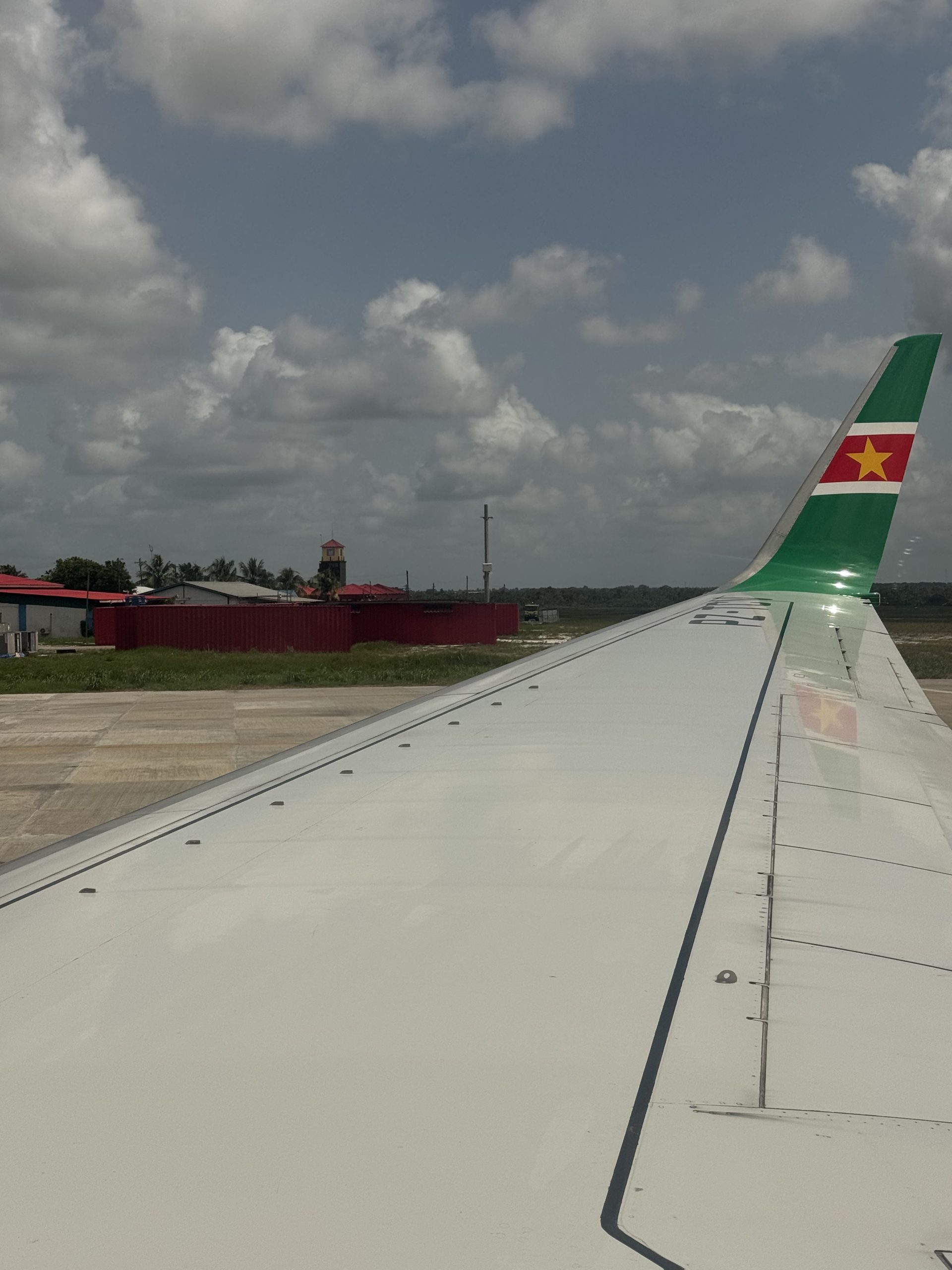
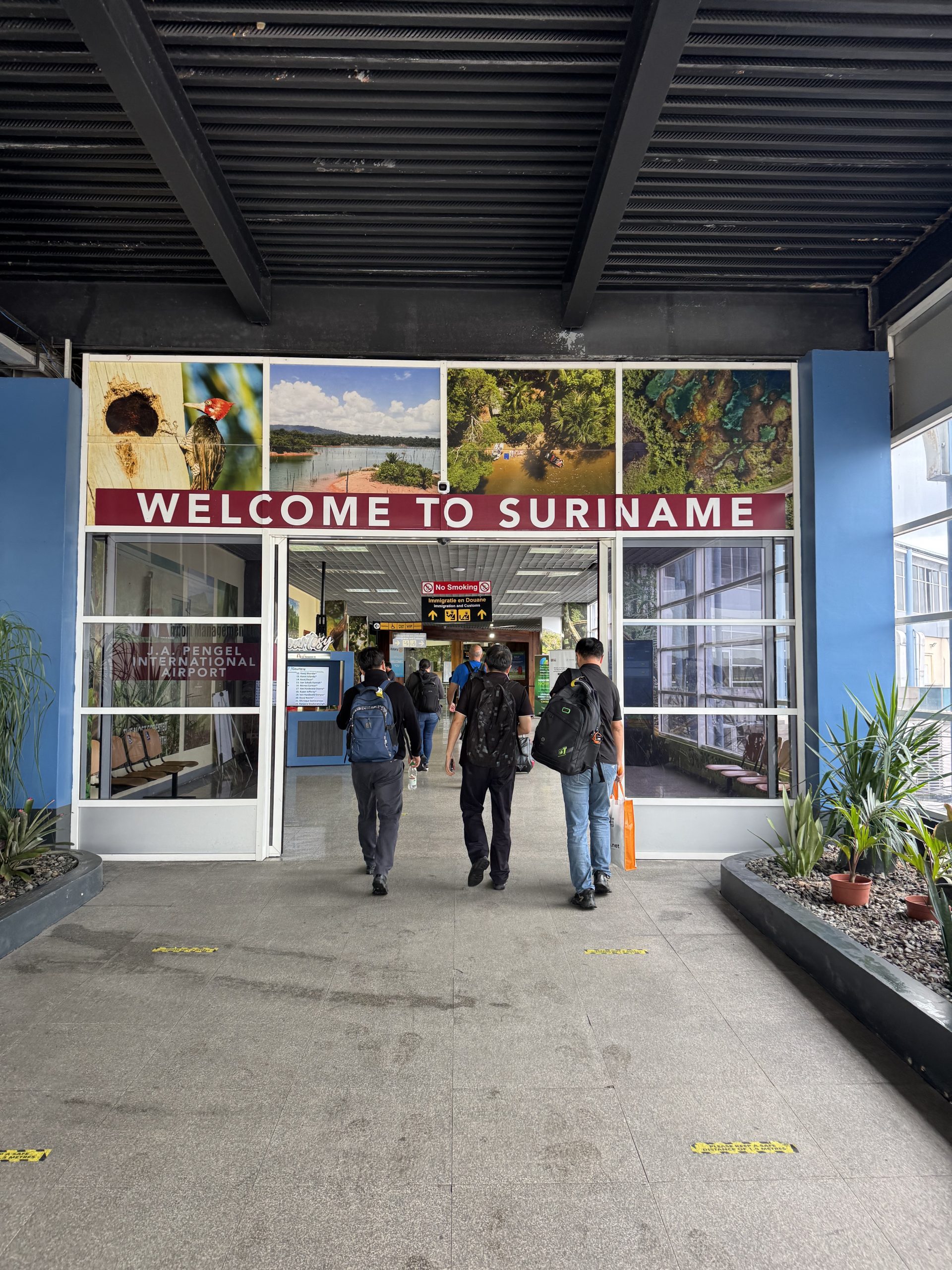
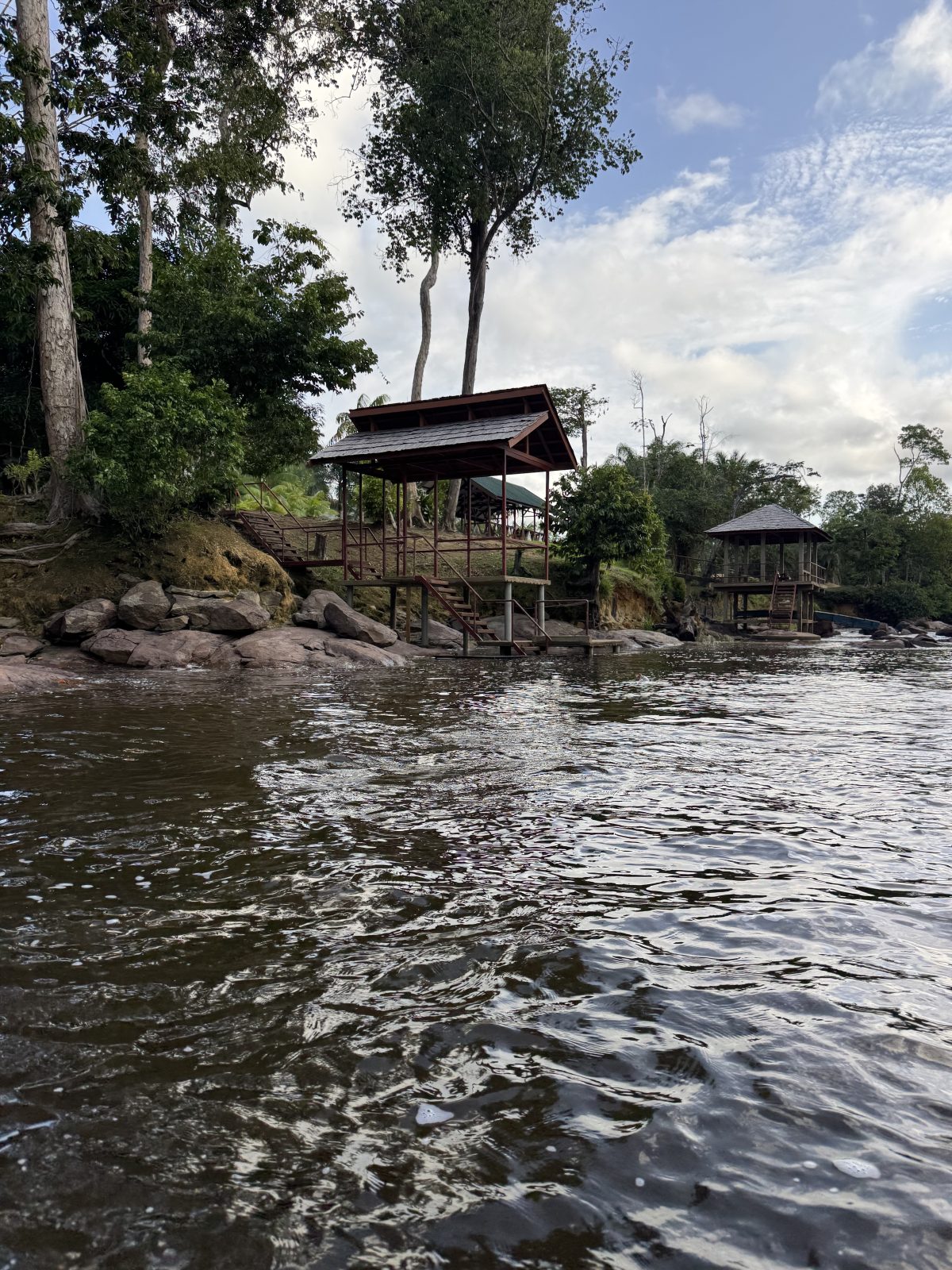
It took a lot of effort to get to Suriname, and the logistics didn’t stop once we arrived. From the airport, we drove for a couple hours until we got to a river, where we all loaded onto boats for about an hour’s ride to get to our ecolodge.
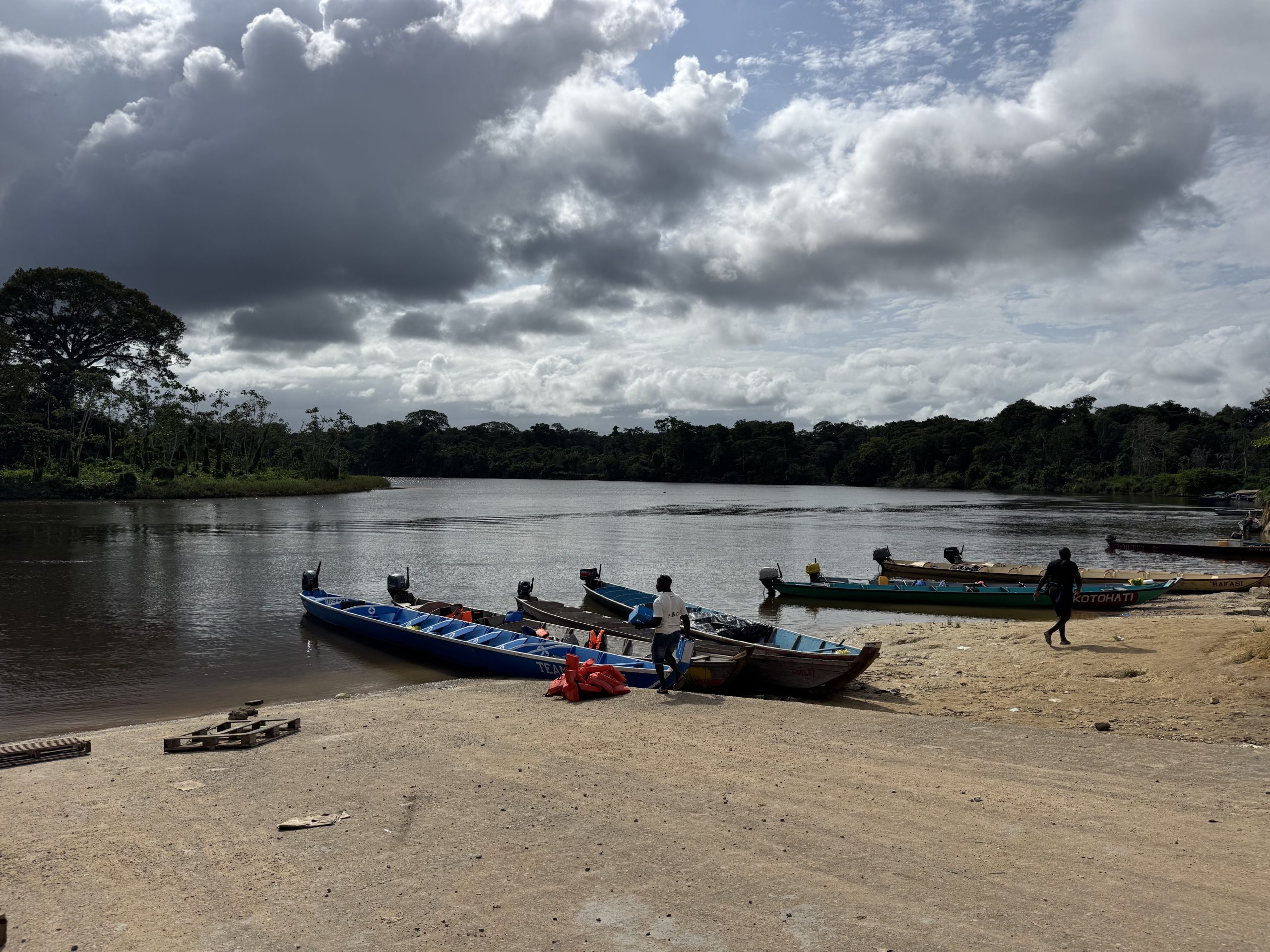
Getting on the boats was such a huge relief. I’m pretty sure the ecolodge would have been amazing regardless, but it was particularly nice after the failed ferry attempt and that extra night in Georgetown.
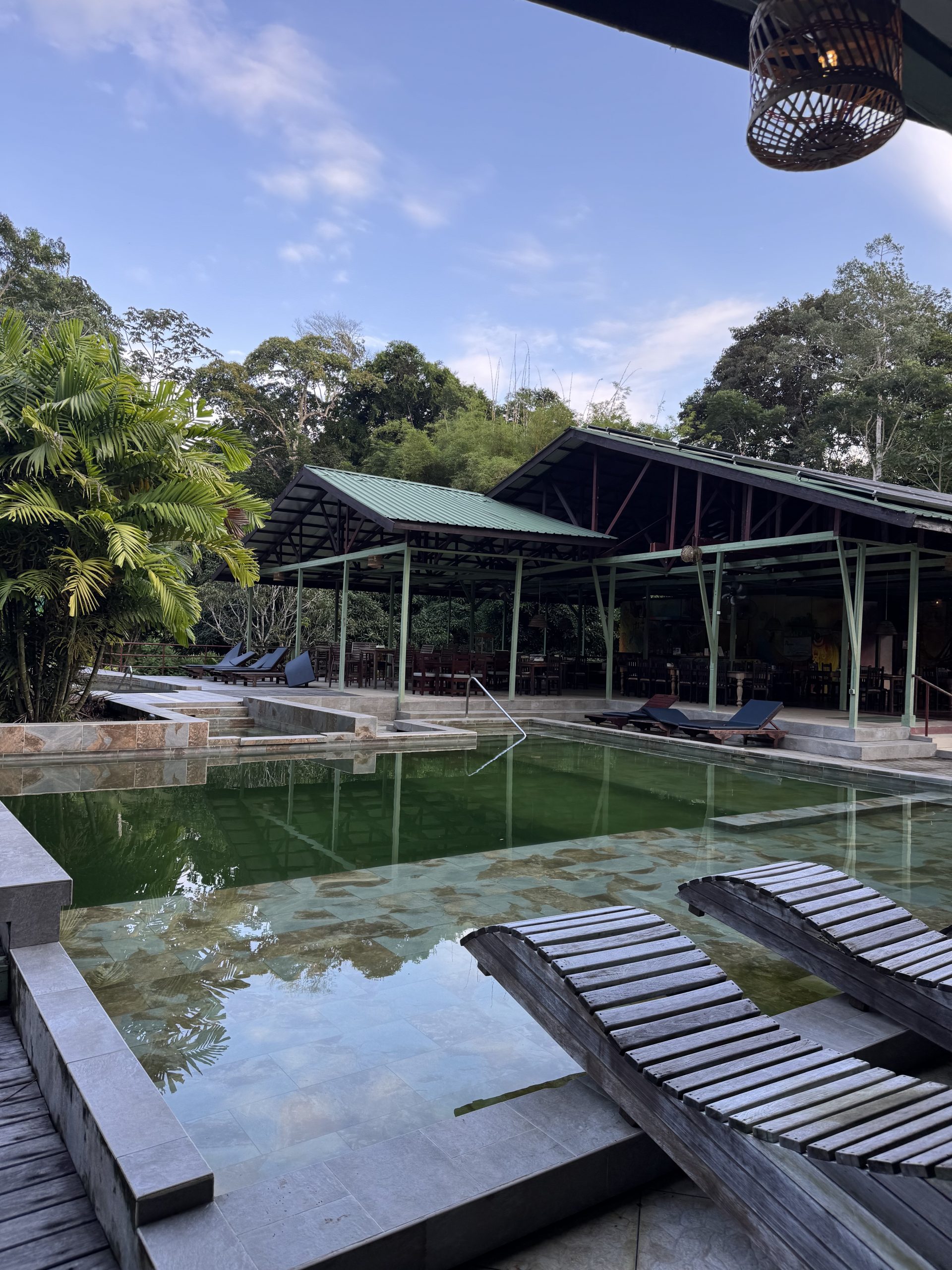
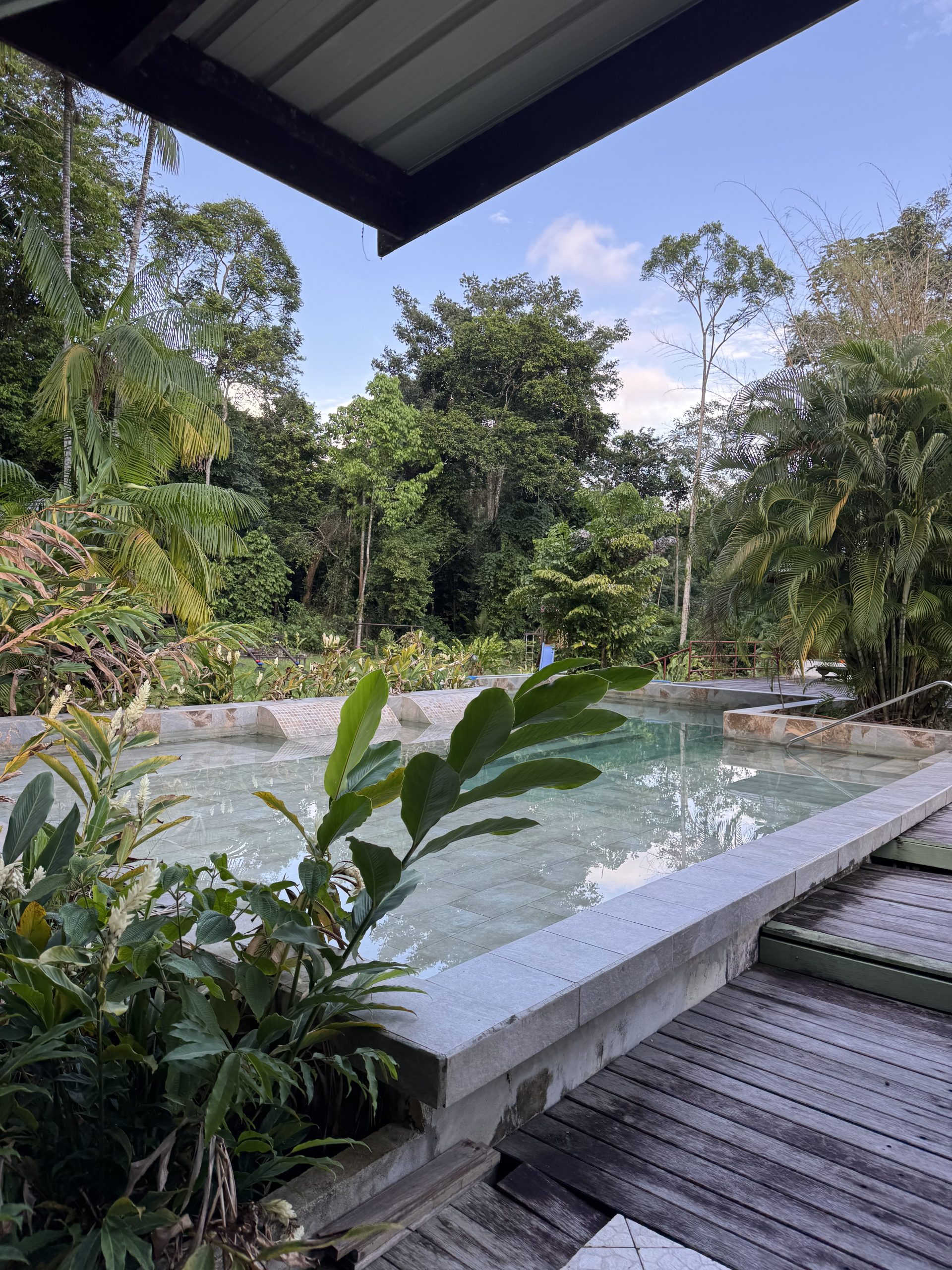
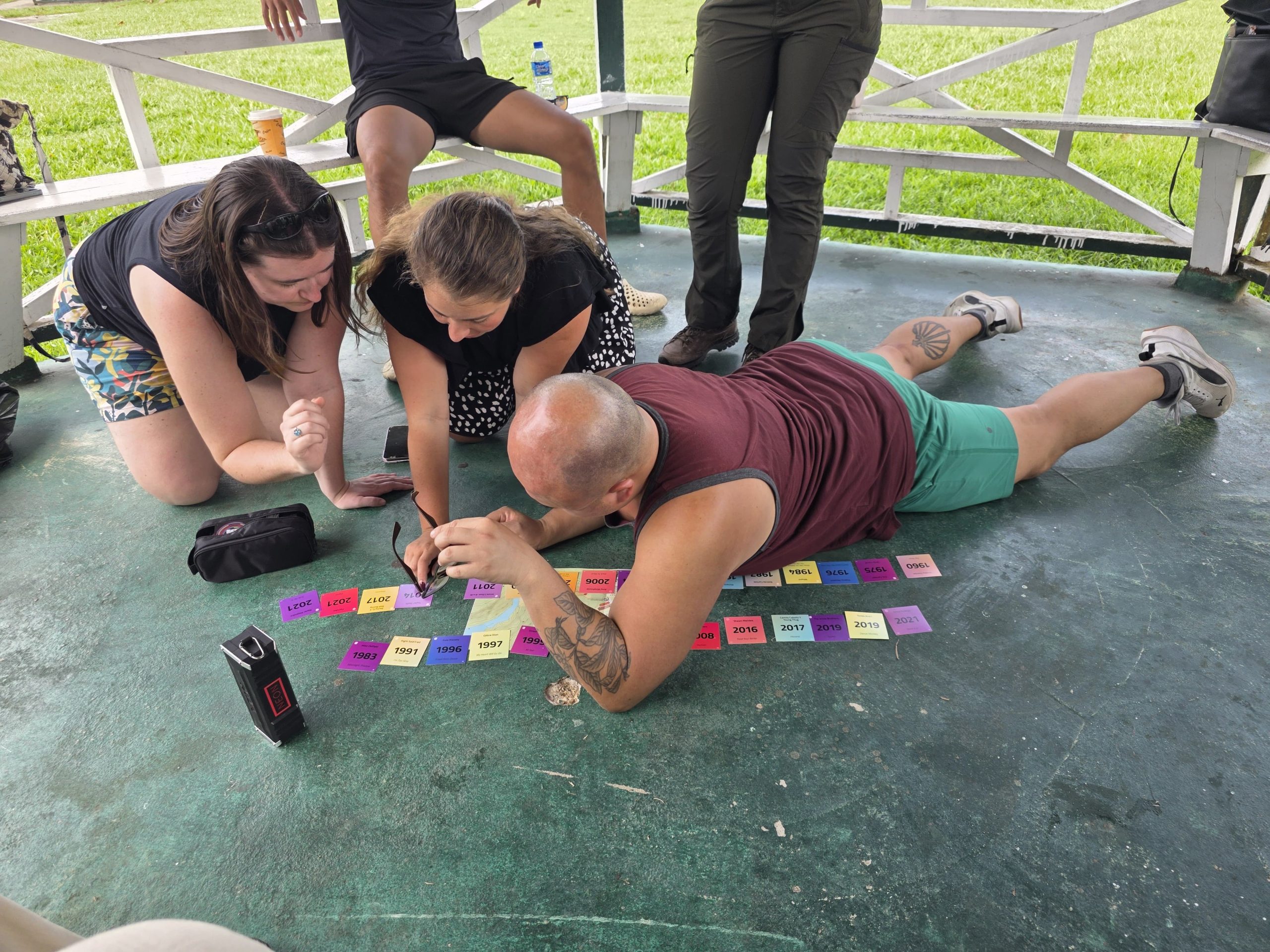
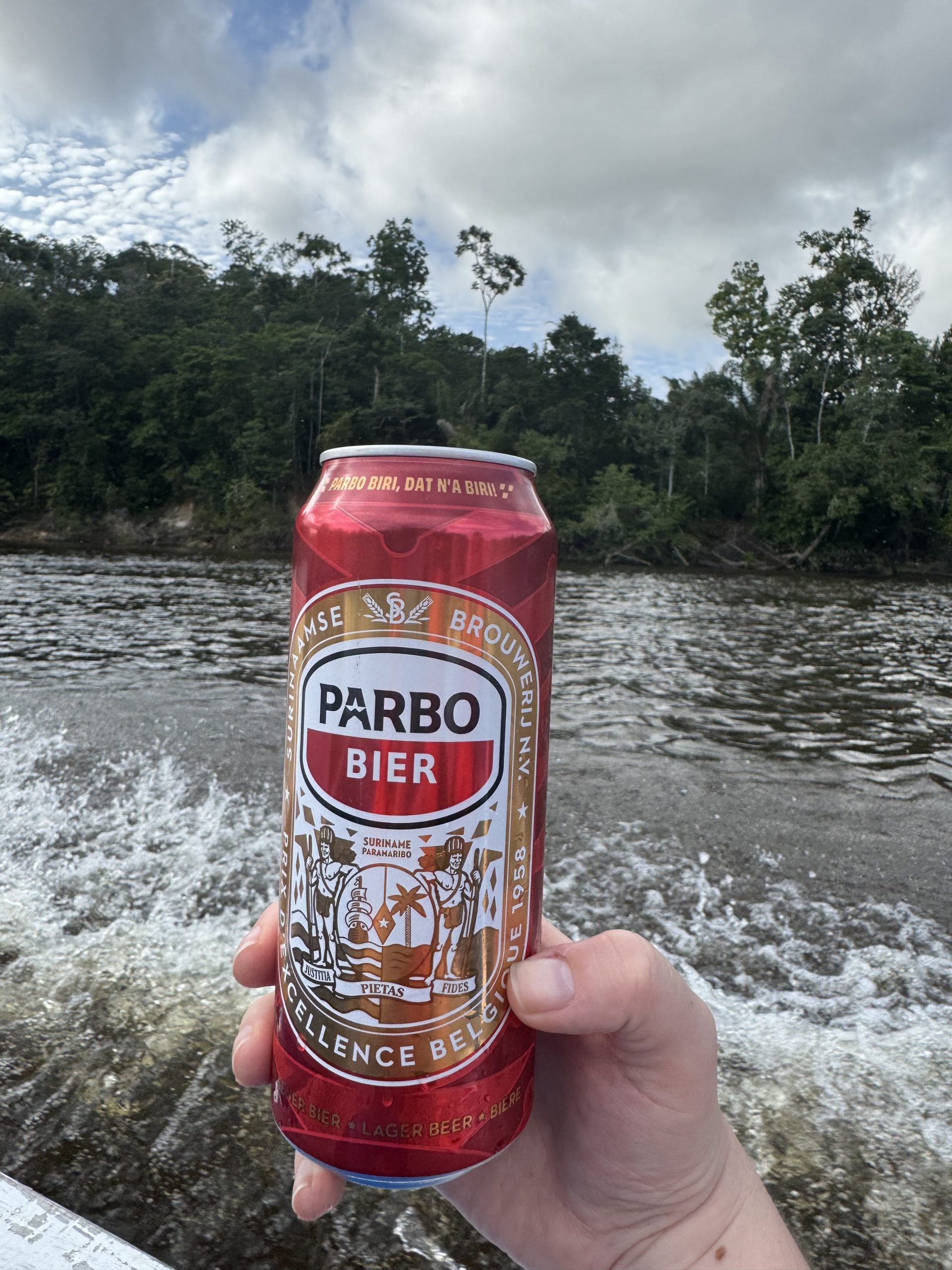
I loved the ecolodge. The way that it worked was as a sort of all-inclusive experience, where they served us breakfast, lunch, and dinner. There was always coffee and tea available as well, although alcohol was extra. Then they arranged activities for us along the Suriname River. We still had plenty of free time to relax by the pool or play games as a group. It was really well-balanced, and it was a great way to experience this region.
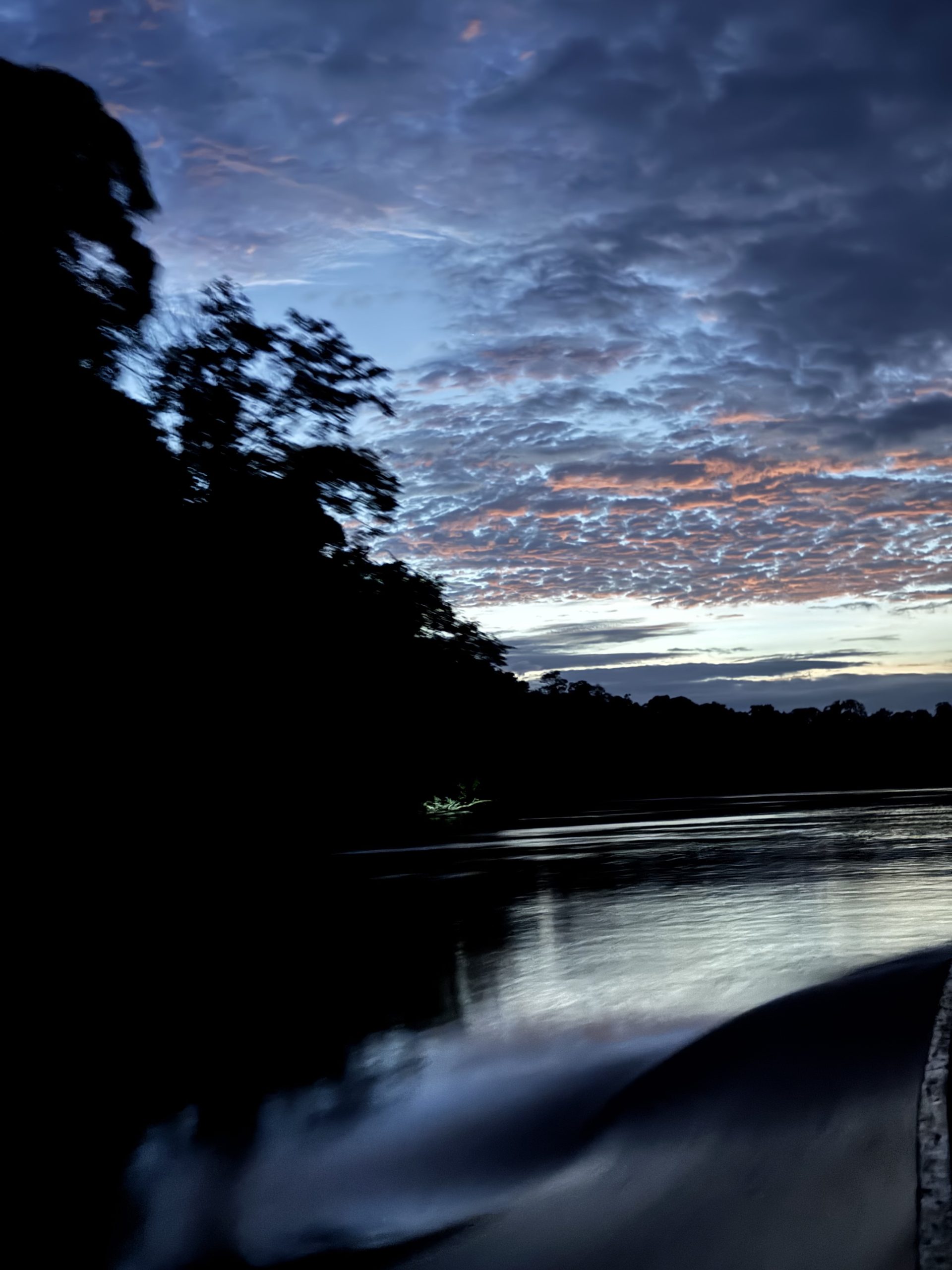
Our first activity was a night boat ride down the river to look at animals. For obvious reasons, I don’t have any pictures beyond this blurry sunset, but we did see some alligators and birds and bats.
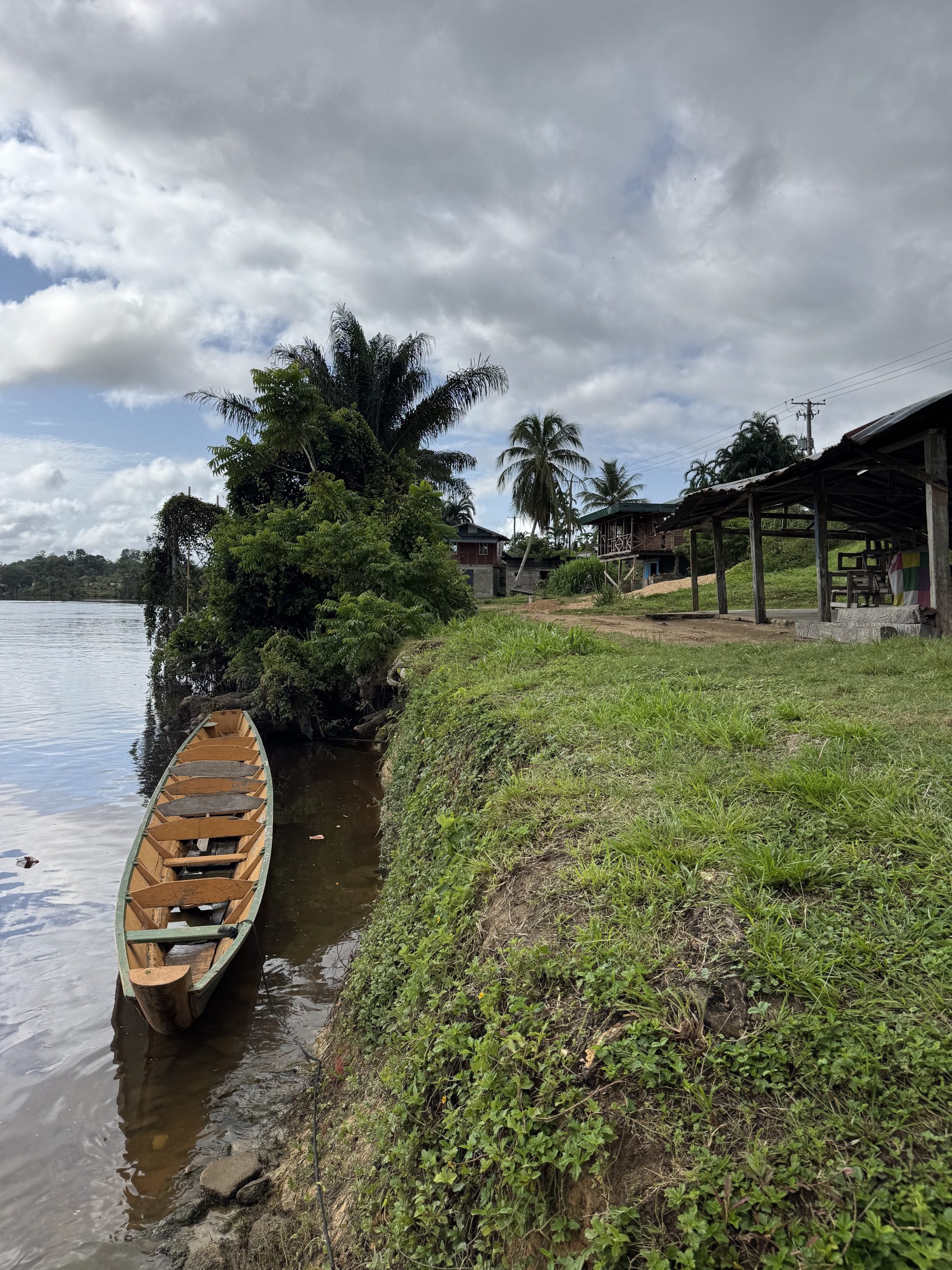
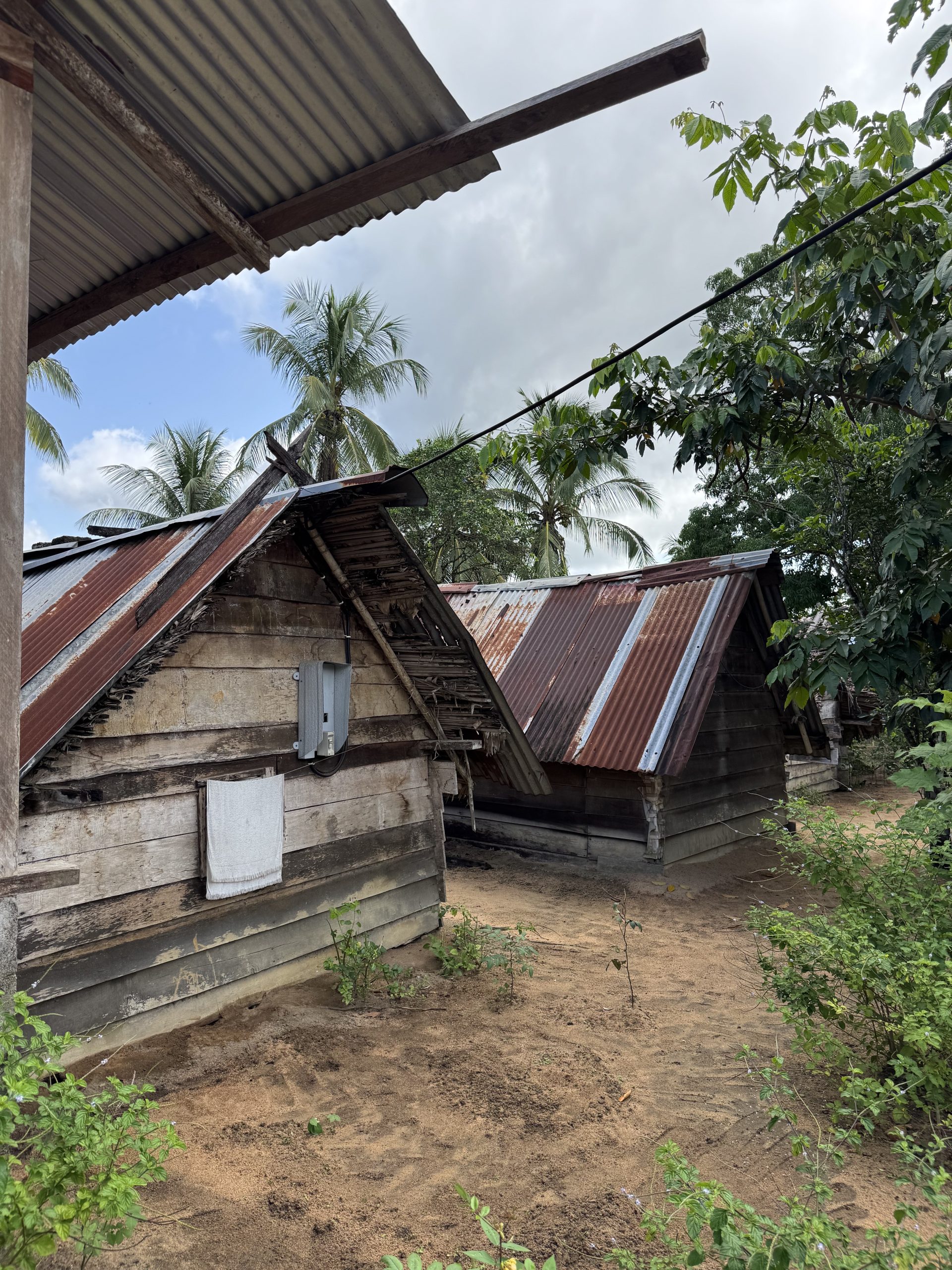
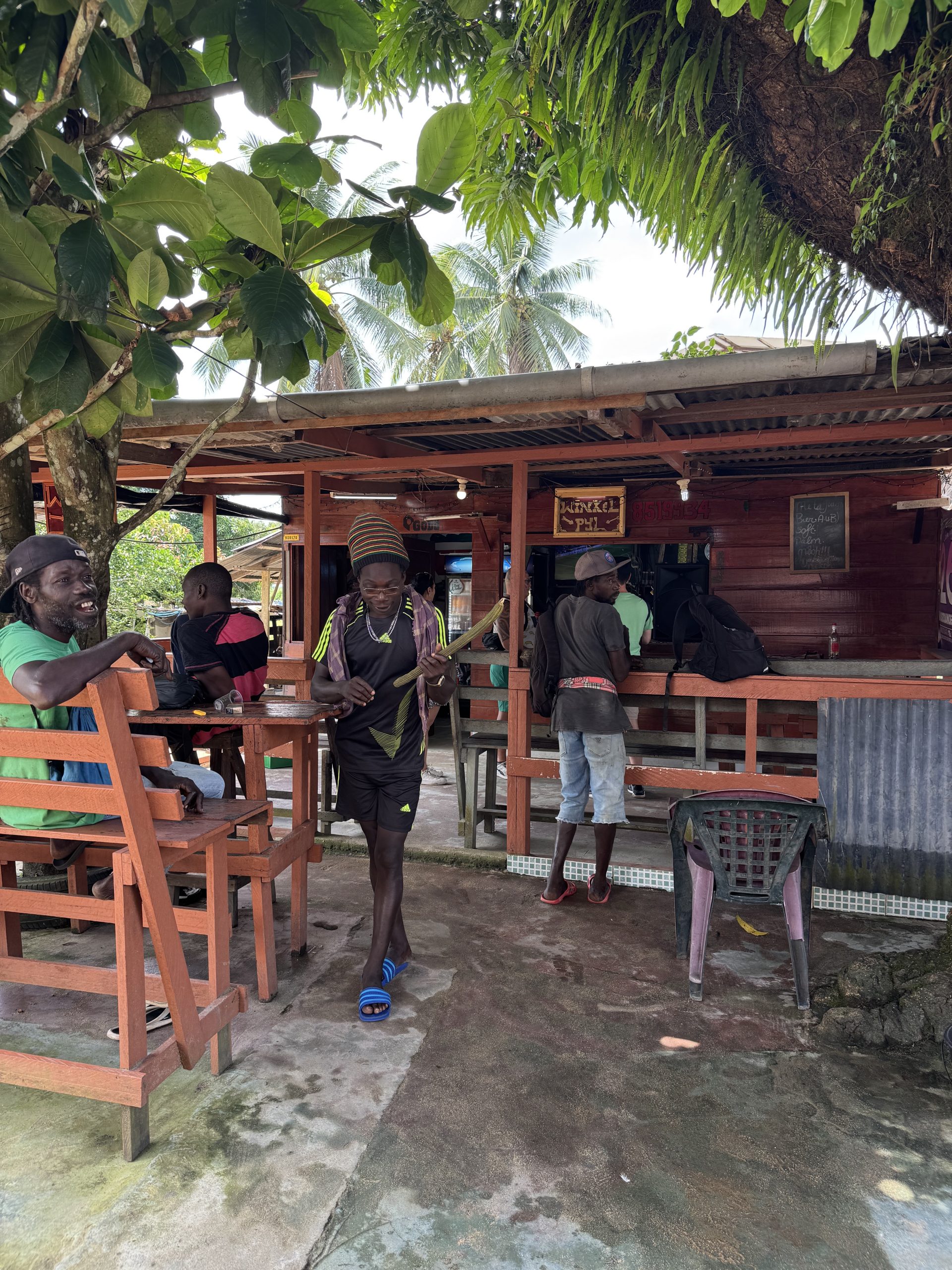
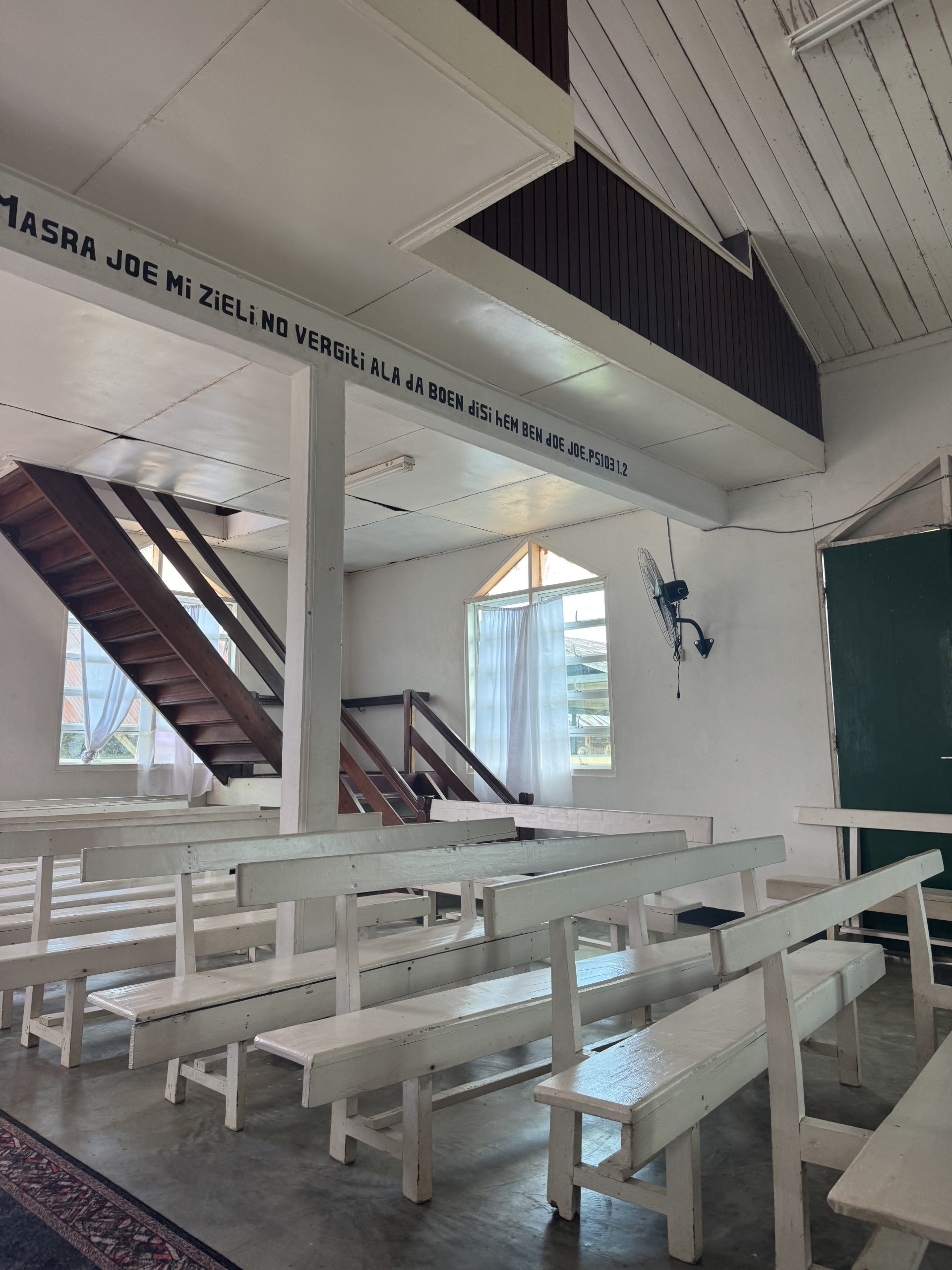
The next morning after breakfast we headed out to one of the Maroon villages for a tour. Huge shout out to our guide here, who was really engaging and good at explaining the local culture and way of life. The Maroons of Suriname are the descendants of the Africans who were brought across the Atlantic and enslaved by the Dutch, but managed to escape from the plantations and created their own communities in inland Suriname. They speak their own languages, practice their own religions (generally in addition to Christianity, which is taught in schools), run their own schools, and practice their own healthcare, making their culture quite distinct from the descendants of the Dutch colonizers.
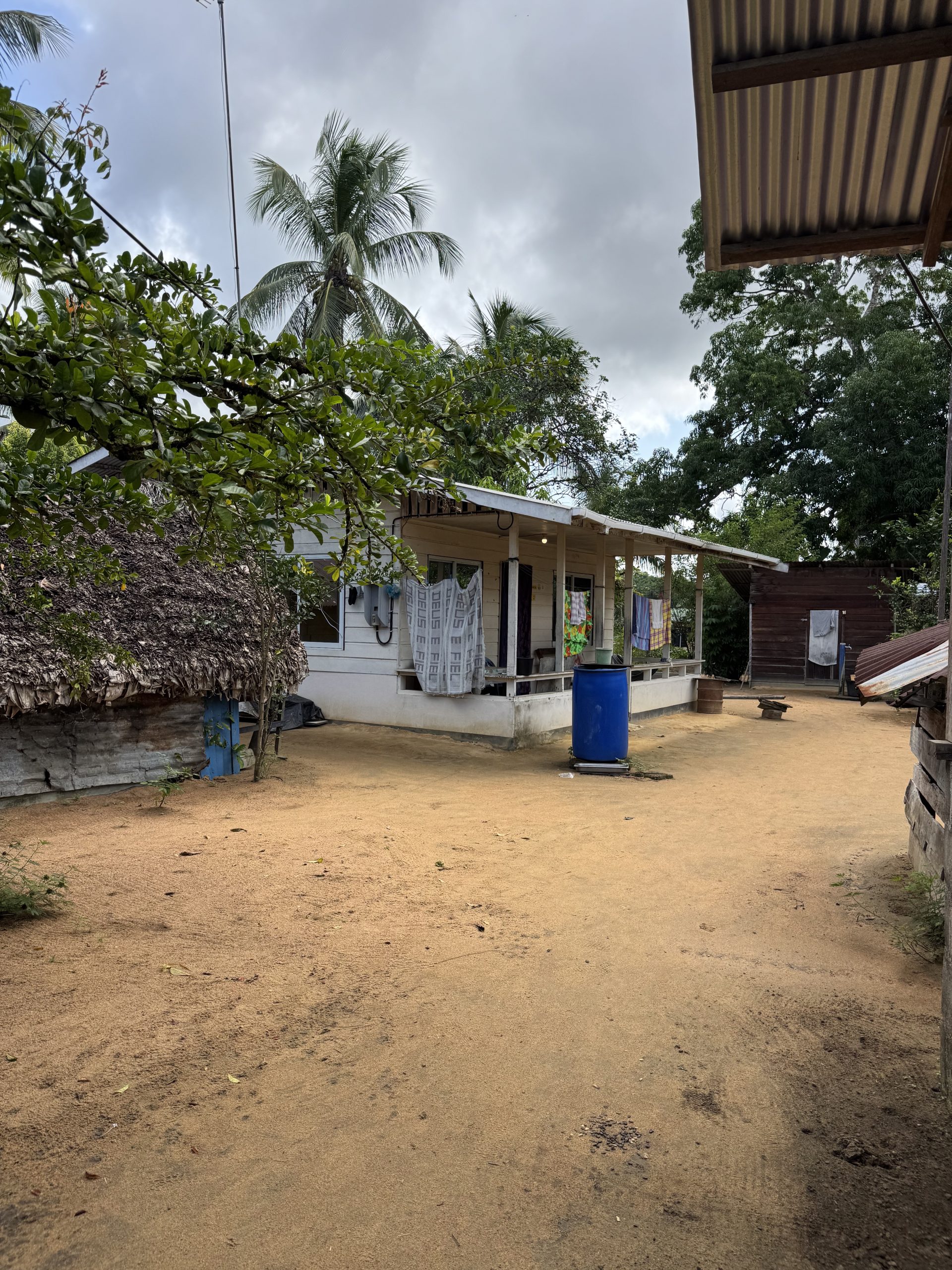
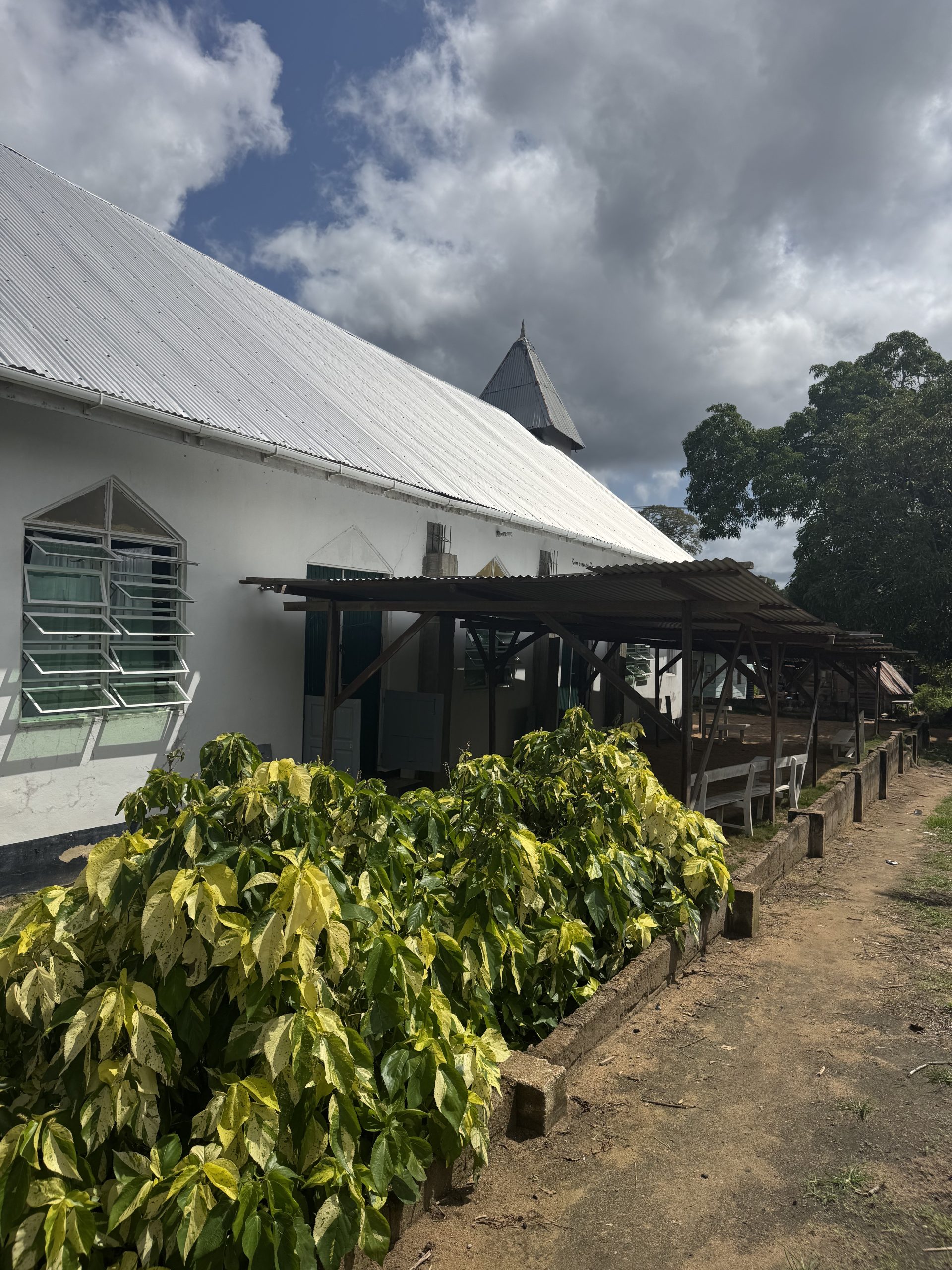
A few interesting tidbits from my notes:
1. Trades, such as boat building or local medicine, are taught matrilineally. Our guide was saying he is not able to learn boat building but his cousin can, because he is born from a son of the family where that trade comes from and his cousin was born from a daughter (his aunt).
2. There is a huge emphasis in coming back and investing in the community. Often, young adults will go to Paramaribo for school or job opportunities, but they do come back and re-invest in the community once they are more established.
3. School is taught in Dutch, but children don’t speak Dutch amongst themselves. In this village, their local language comes from a mixture of West African dialect and Portuguese, which is what everyone speaks amongst themselves. This can cause problems with fluency. He spoke about the difficulty that he had once he went to Paramaribo, because he wasn’t comfortable speaking Dutch casually. It took him a while to feel fluent enough to socialize in Dutch.
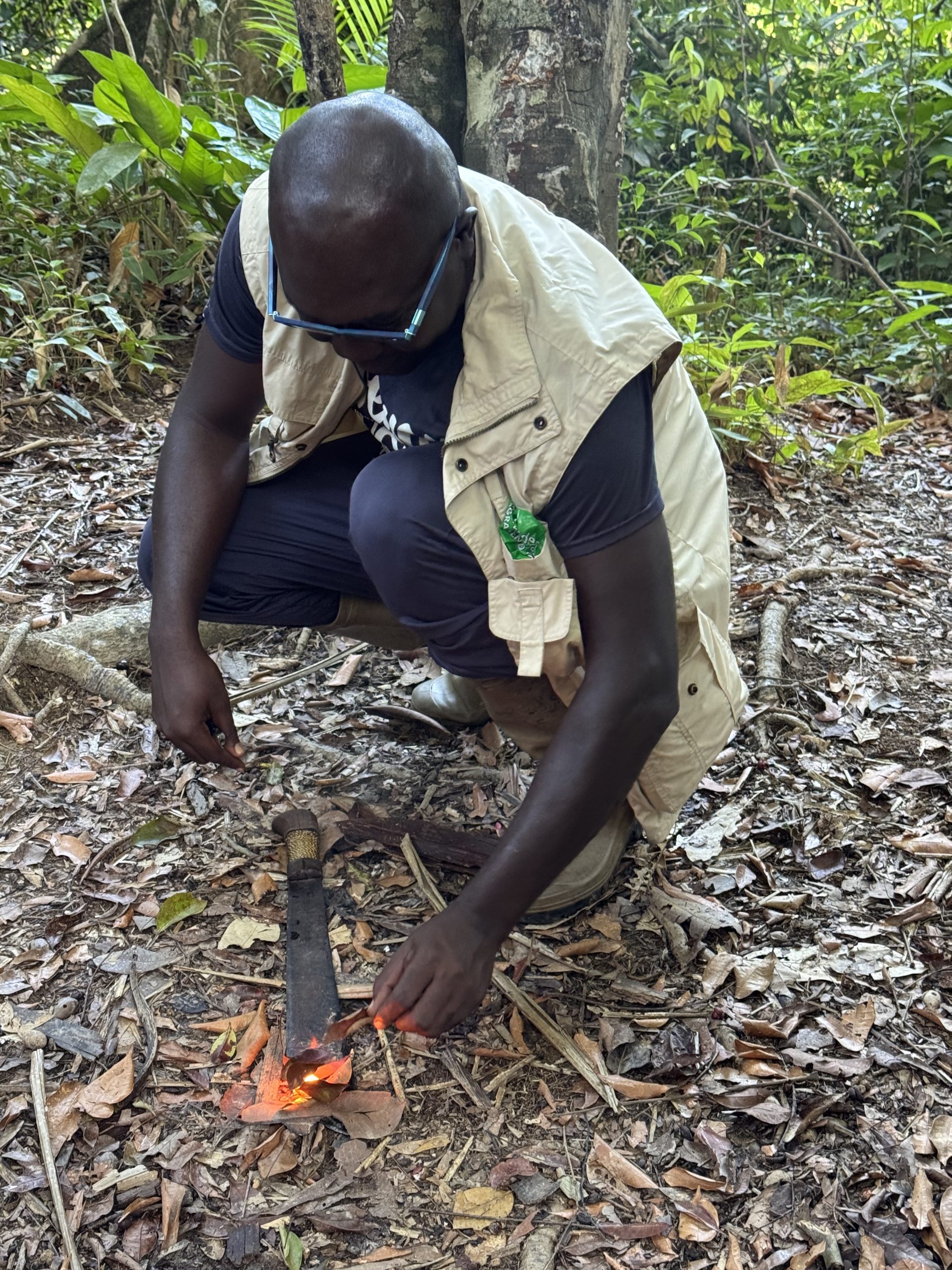
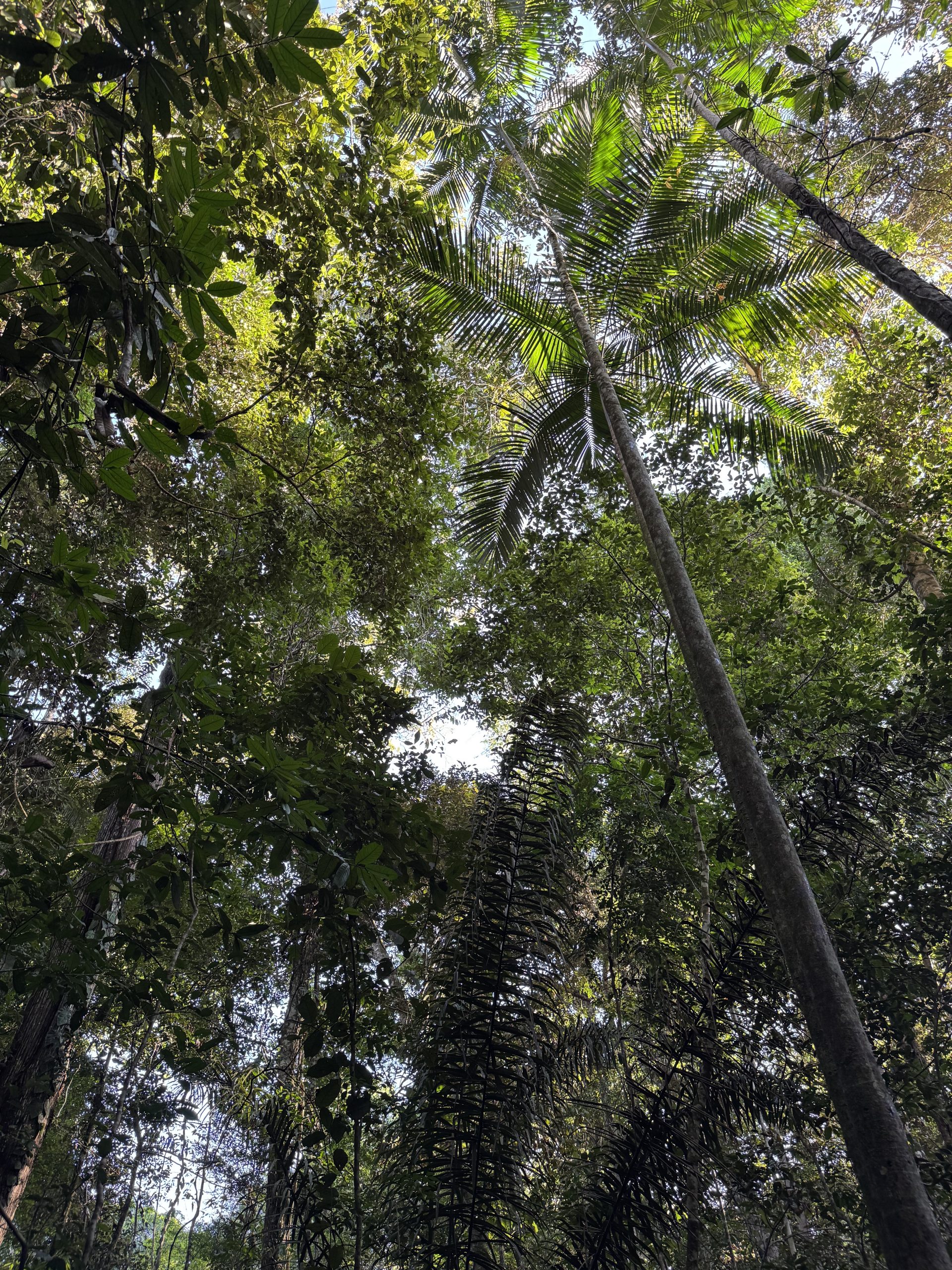
We also had a jungle tour that was focused on how to live off the land. Our guide pointed out sources of food and water, as well as how to build enough of a shelter to sleep out there. There was even a plant that he called a candle tree that was able to burn as sustained fire, as shown above. These are the kinds of skills that I never want to need, but interesting to learn about!
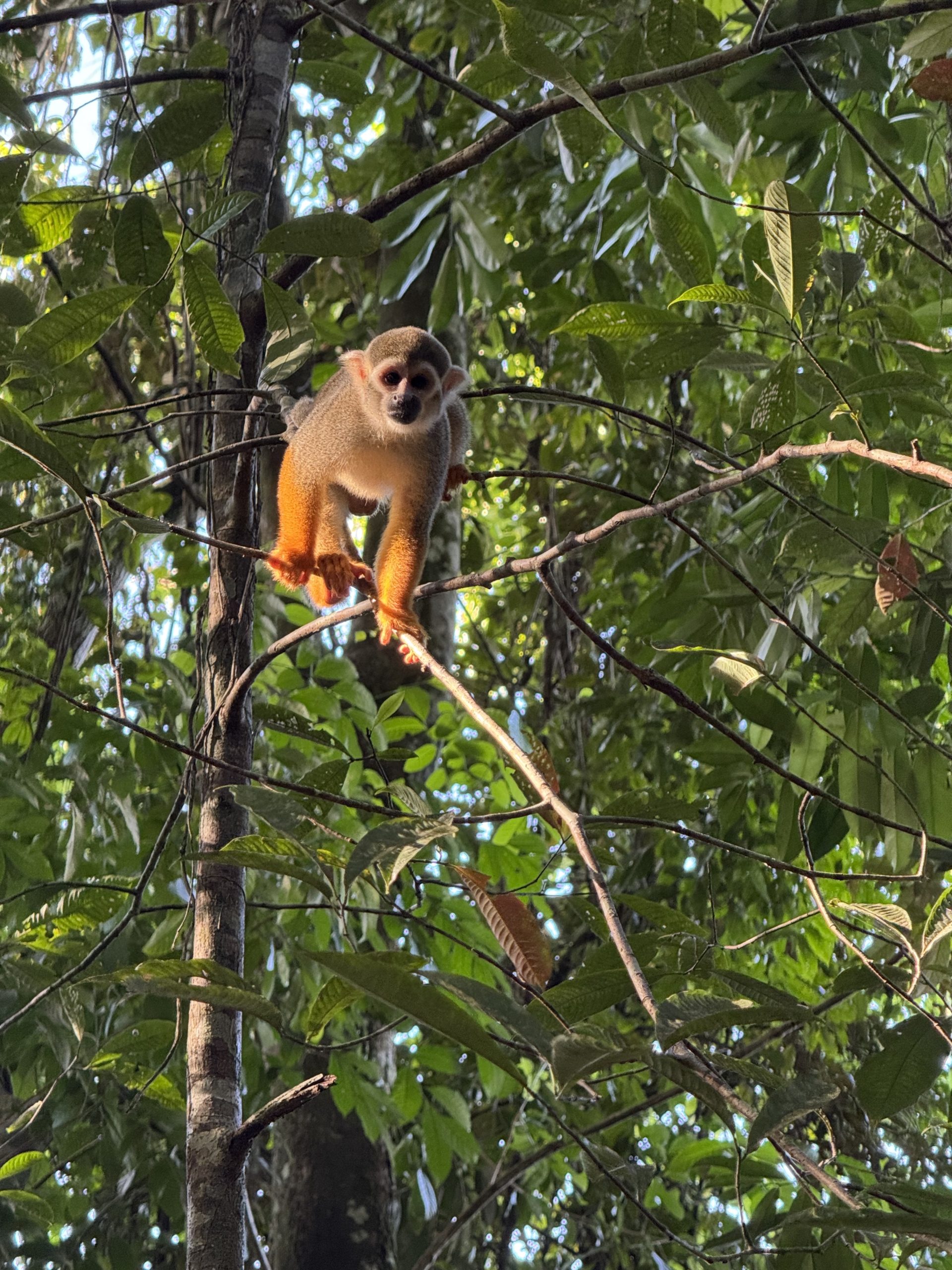
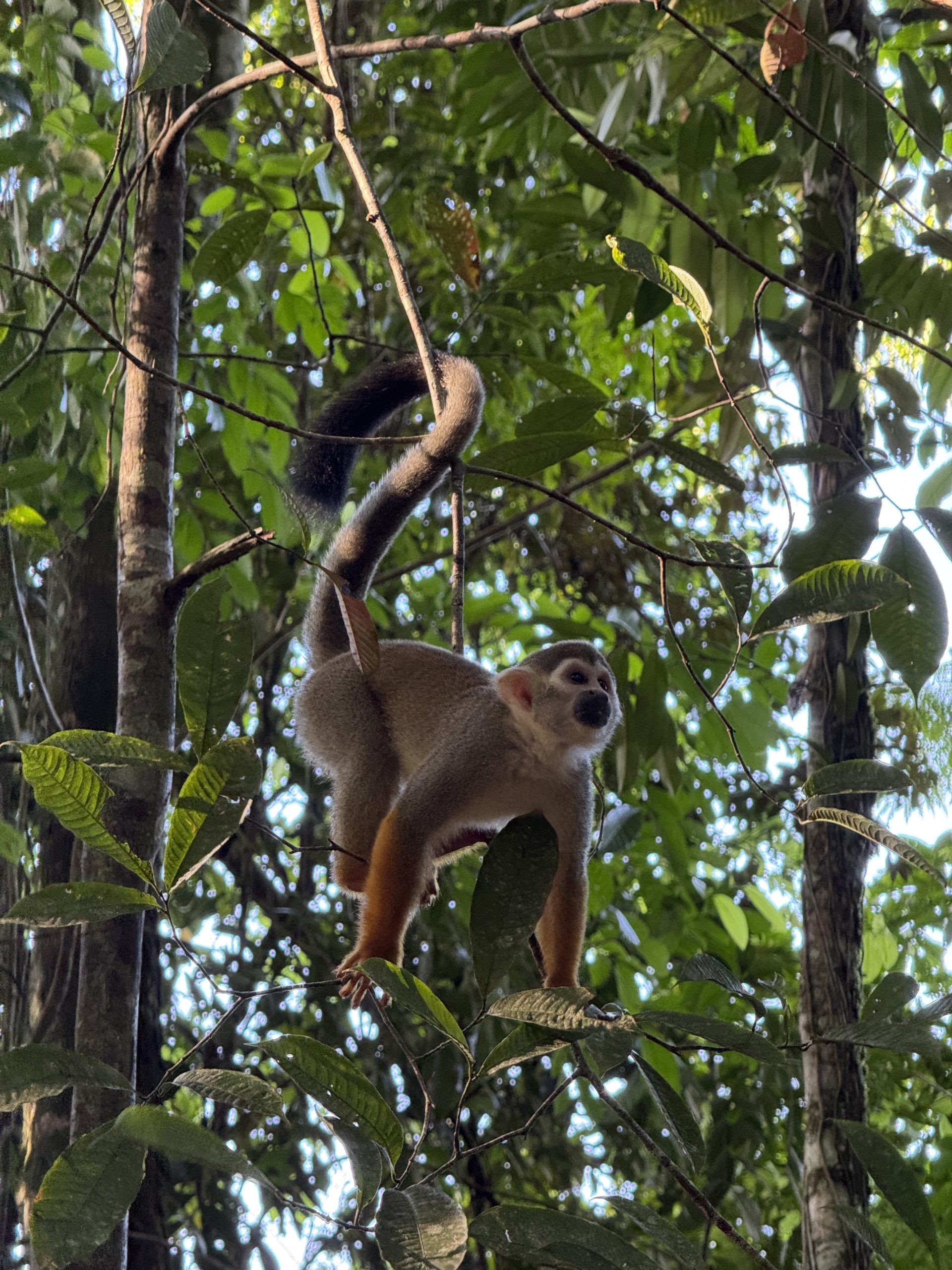
We saw lots of monkeys on the tour, as well as a tarantula (which I did not feel the need to get close to).
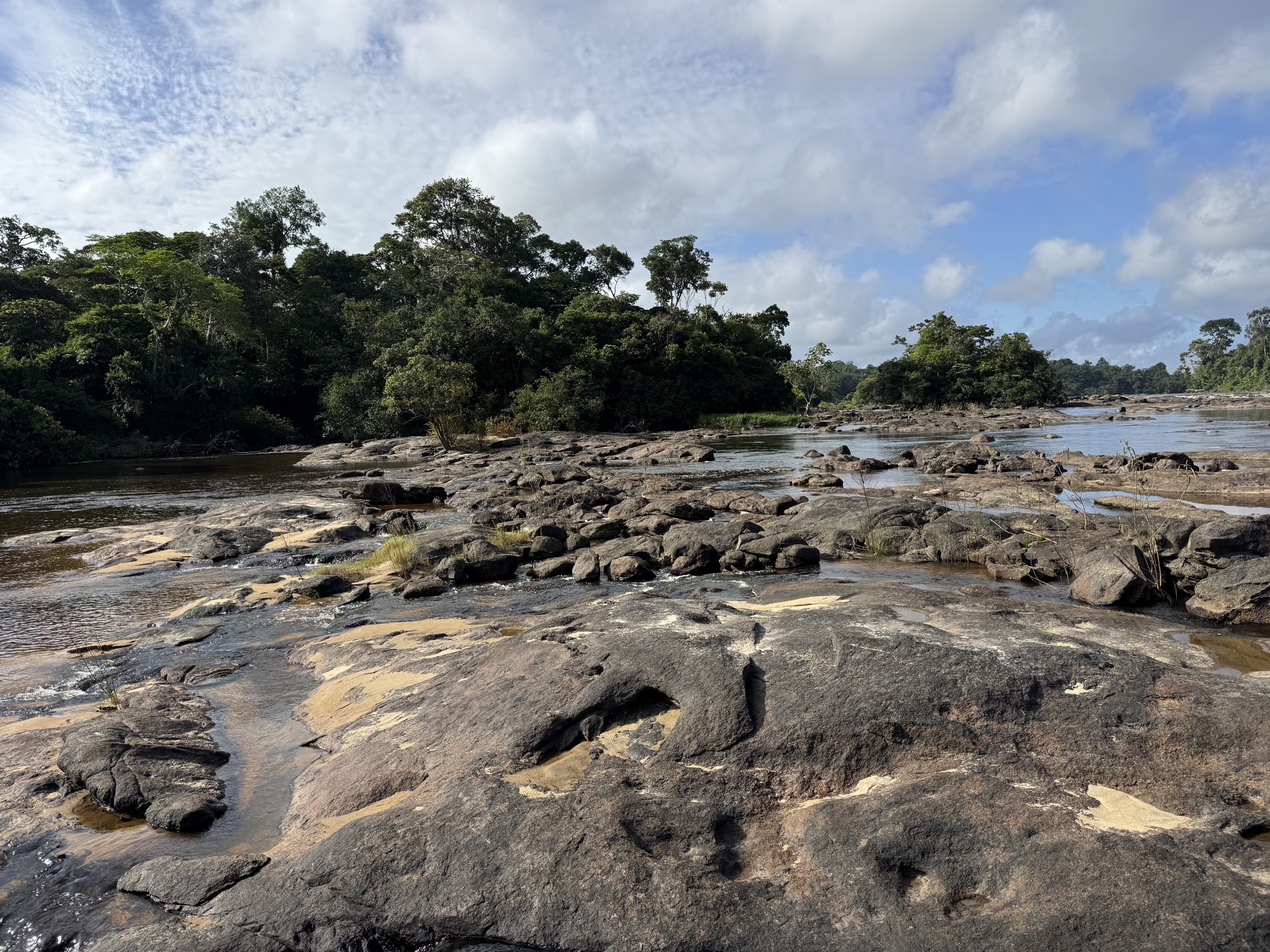
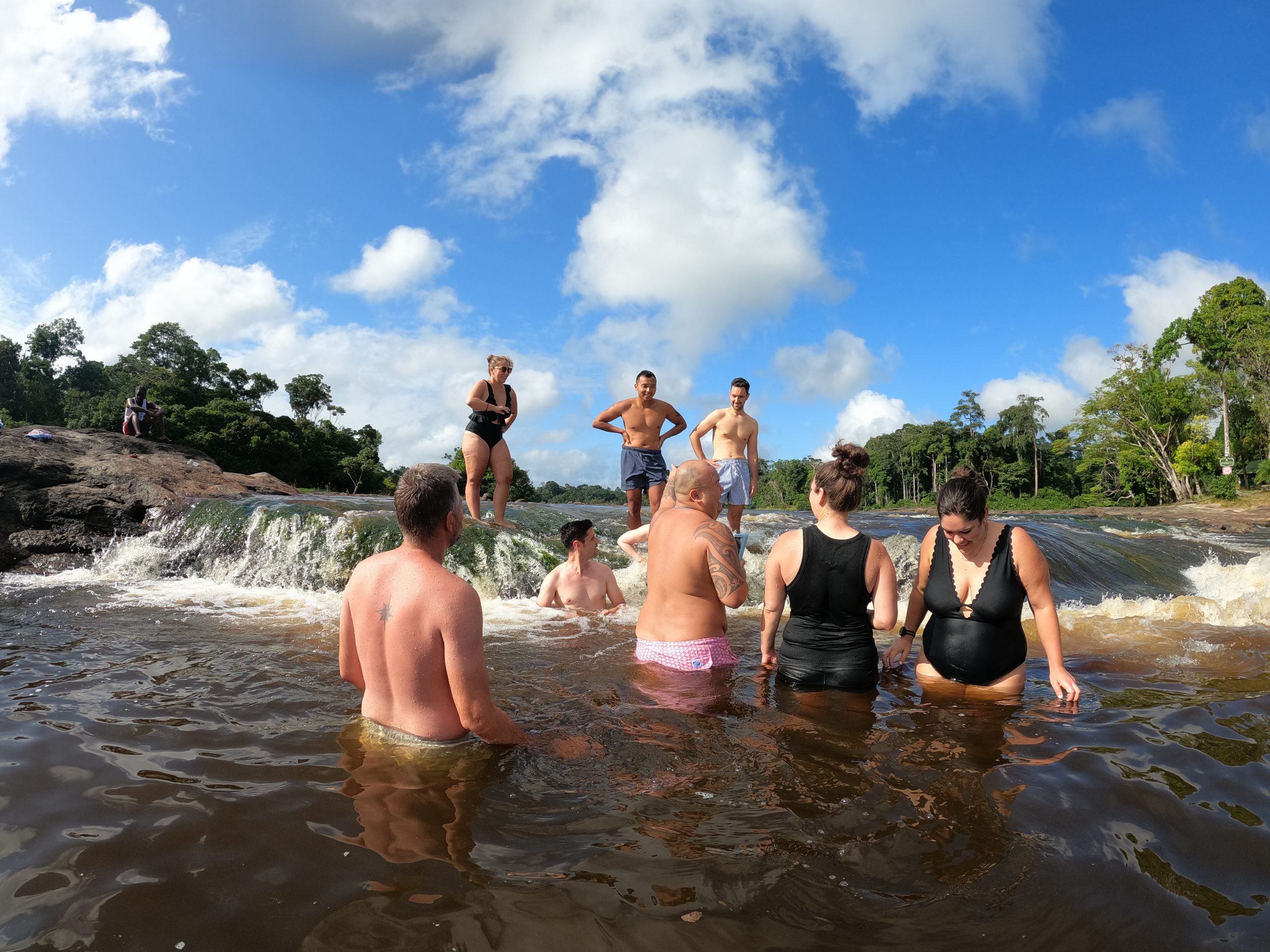
The last outing we had before we left was a chance to swim in the Suriname River!
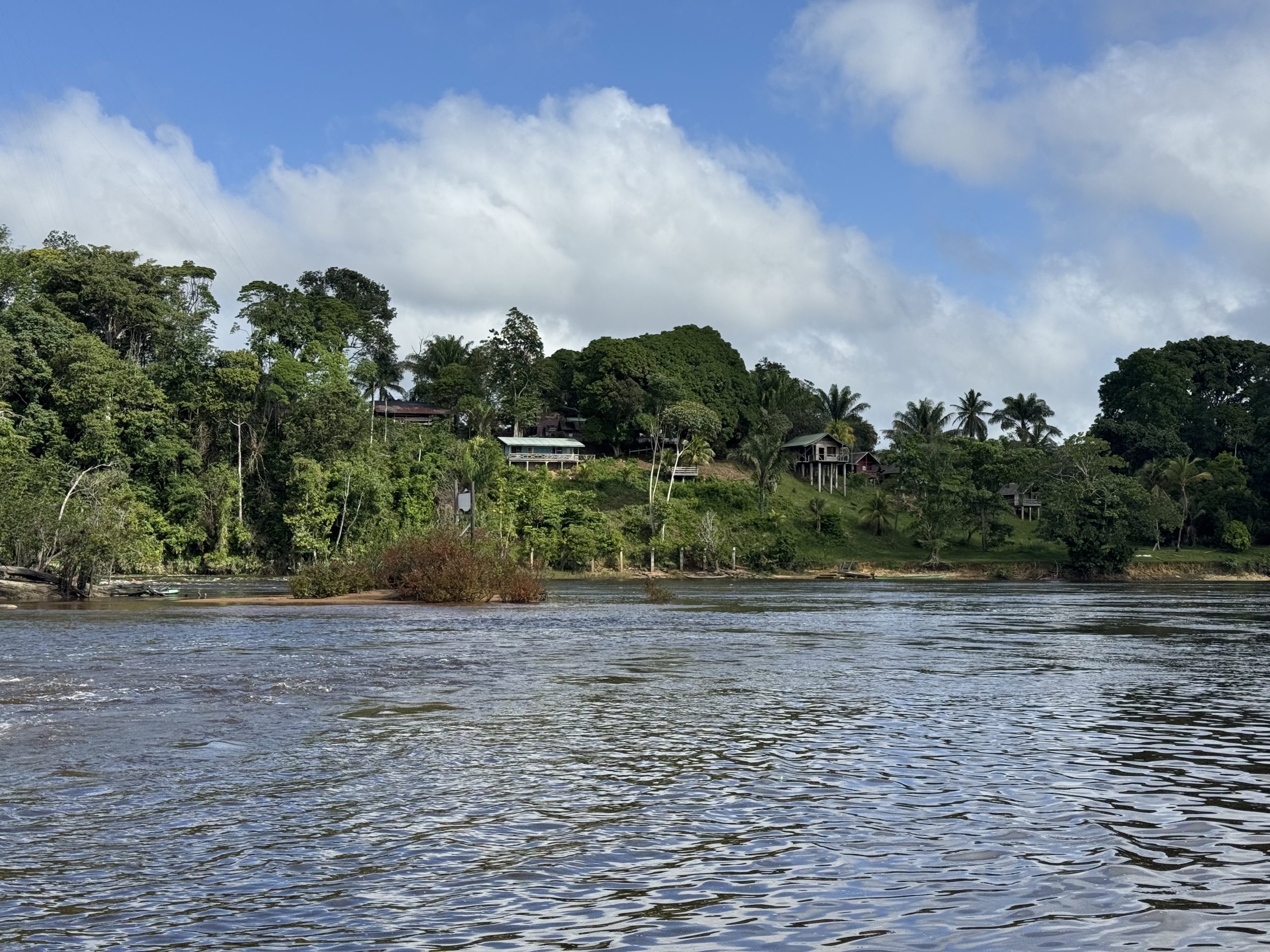
I was sad to leave our ecolodge utopia. This was such a cool experience, and I loved seeing a part of the Amazon rainforest here in Suriname. But it was time to head to our next stop: Paramaribo!
Categories
Guyana South America Suriname

The Journey from Guyana to Suriname

The next morning after our day trip to Kaieteur Falls, we got up bright and early to start the drive to the border with Suriname. We needed to get in line for the ferry, which we were planning to take out of Guyana. The operative word here is… planning.

Before I get into that, though, one other aside. This trip was the first time I’d ever heard of the Essequibo dispute. Apparently, Guyana and Venezuela have been in an ongoing debate about this since 1840! About 15% of Guyana’s population lives there, but it looks like it’s about two-thirds of the land that is currently considered Guyana. While the territory was originally mapped out in 1840, it became a point of contention when gold was discovered and Venezuela has been lobbying for it ever since. I love that Guyana has their own local billboards declaring it theirs – we saw these all over, but I finally got a nice clear picture while we sat around and waited for the ferry.
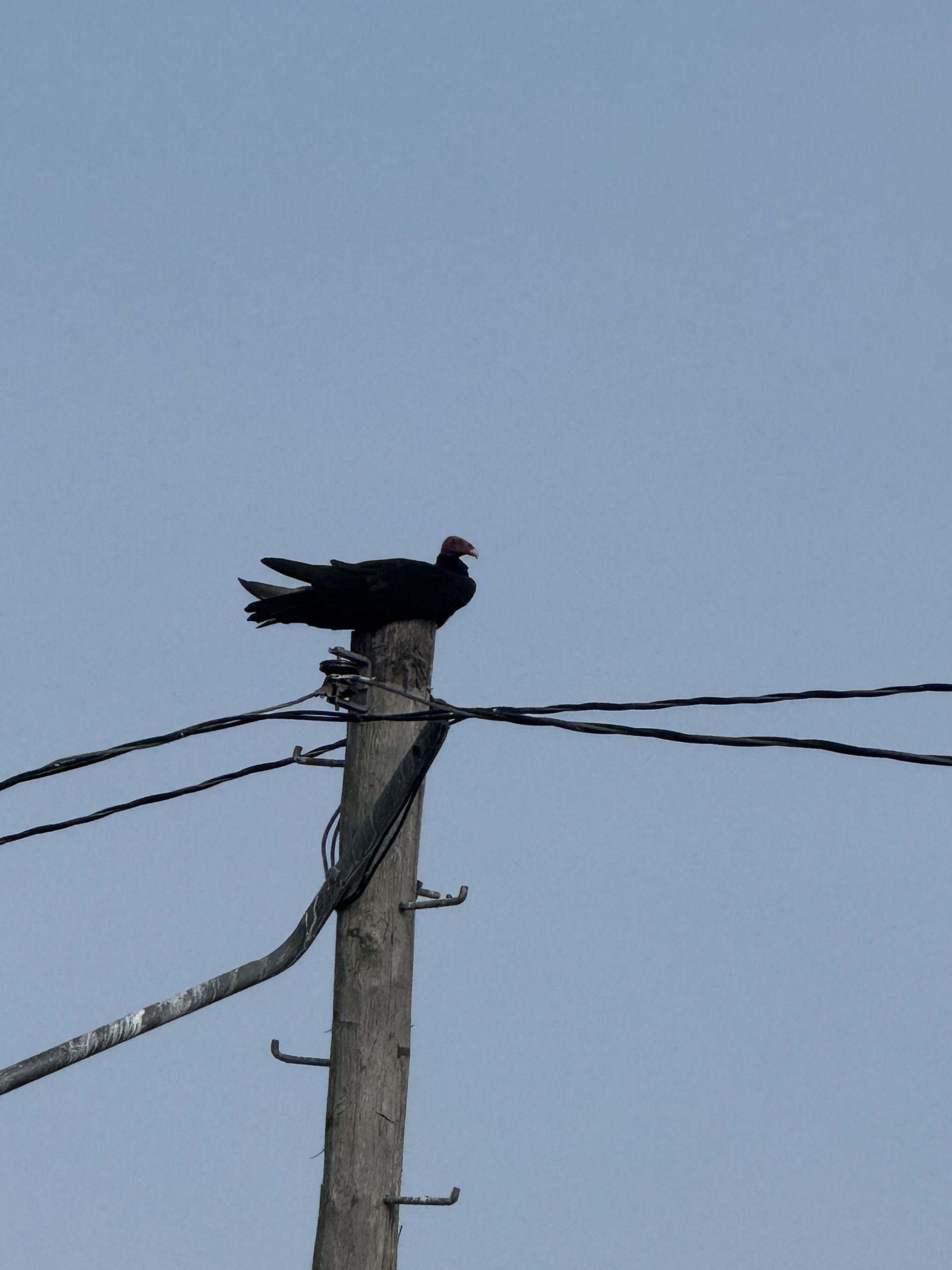
Have you ever seen a vulture sit like a chicken before? Because I certainly hadn’t

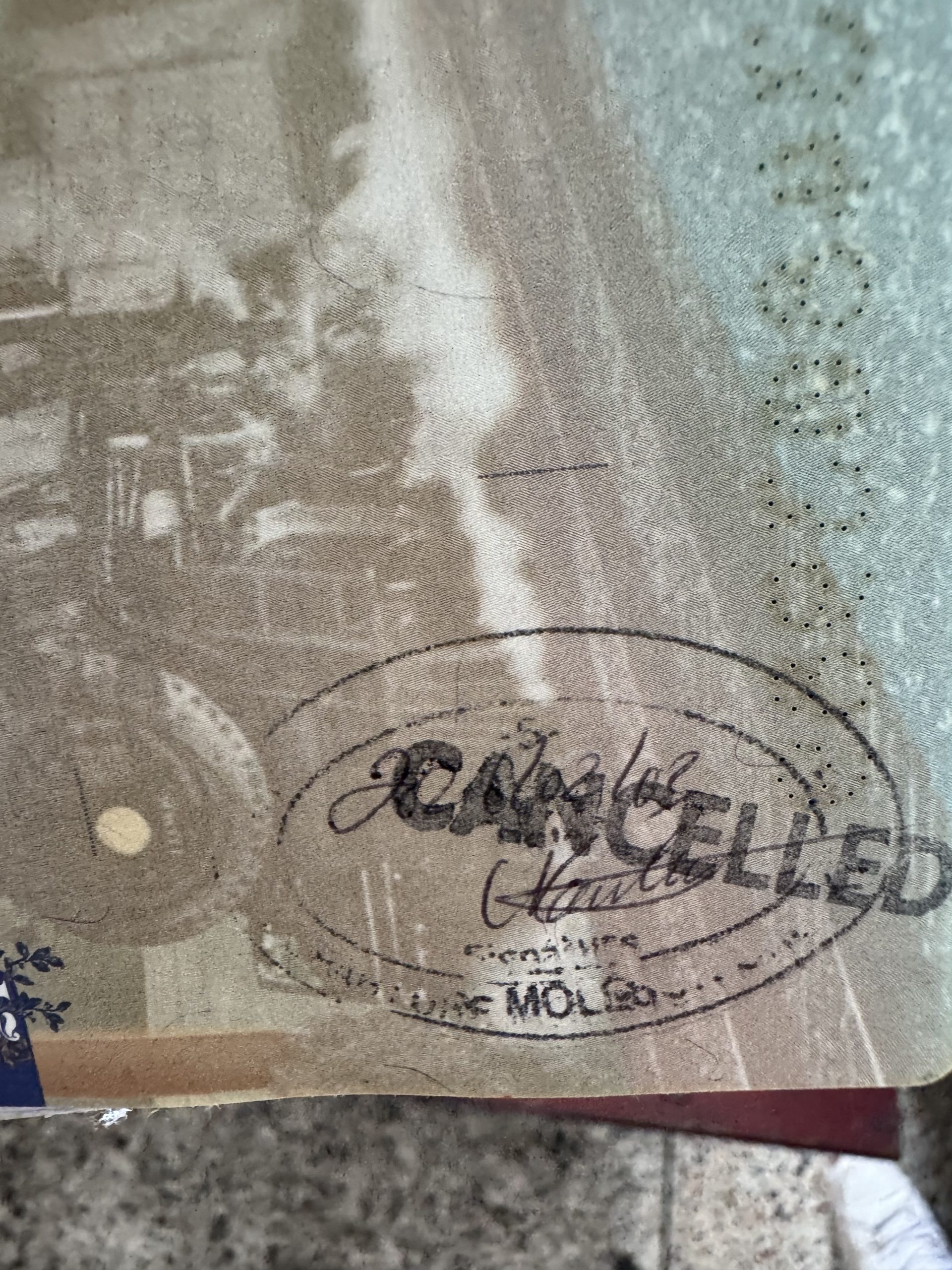
We got the car in line and went through passport control to formally exit Guyana before we had a few hours waiting in no man’s land. We were having a pretty good time playing games and chatting while we waited. It had been a pleasant morning, right up until the moment when our driver came over and told us that the ferry was cancelled. So we all filed back into the ferry terminal, listened to the official announcement, and then we had to go back through passport control to get our exit stamps officially cancelled.

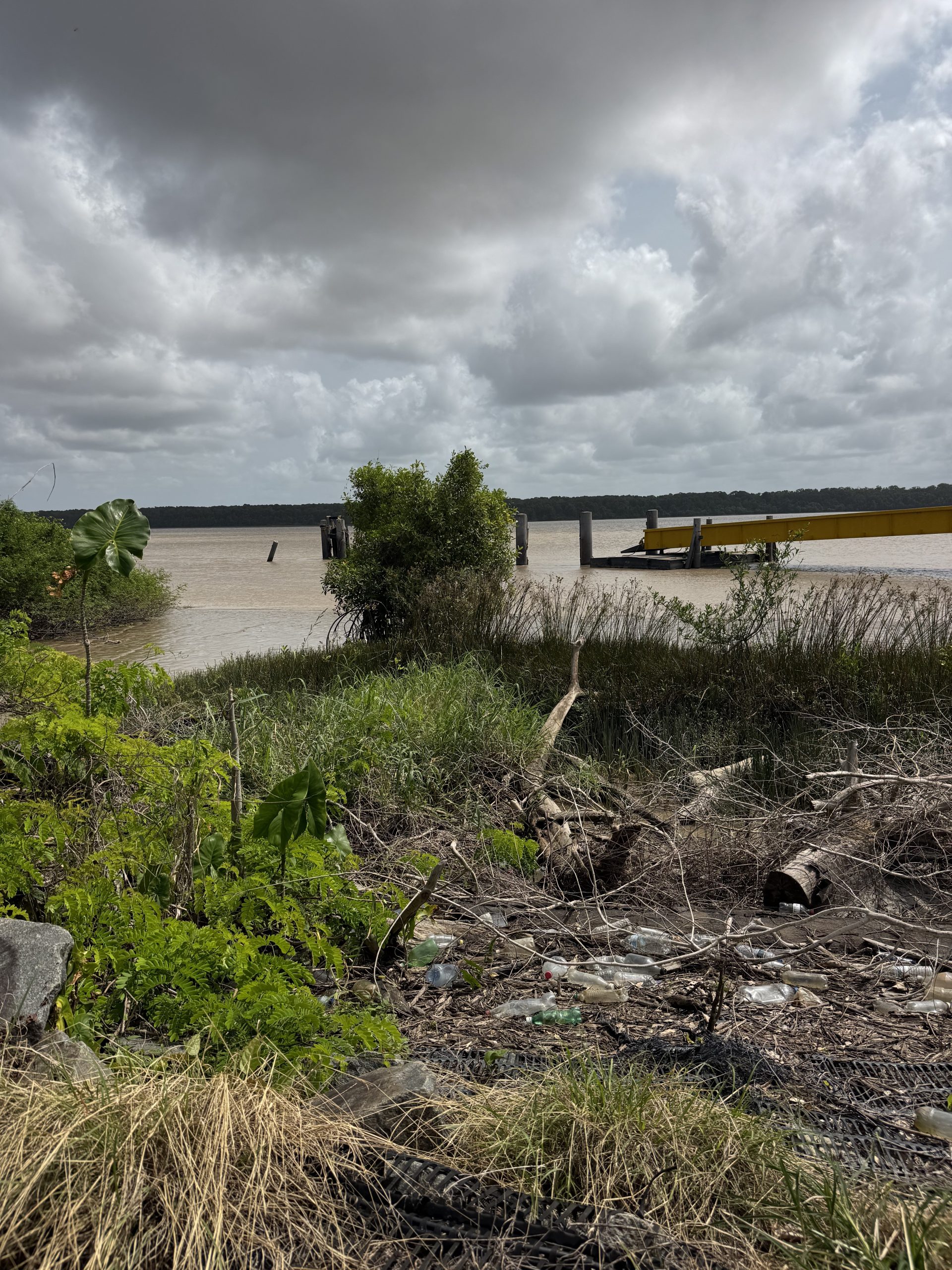
We were so close! You can see Suriname, right across the river

Side note, I love that the cancellation process is just a large “cancelled” stamp that gets added over the existing stamp. A truly unique part of my passport.

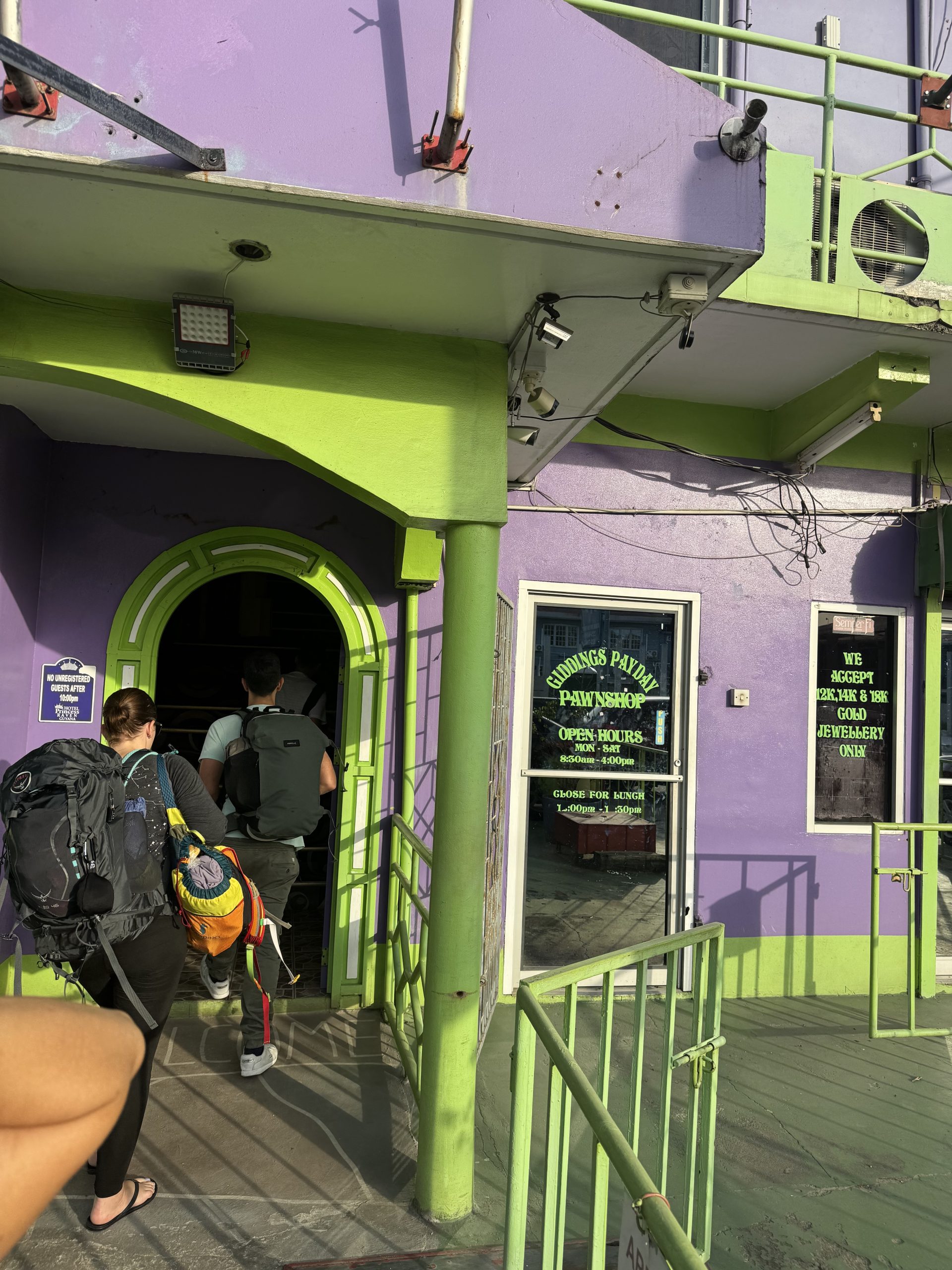
We considered all our options. There were no other ferry options or bridges or even private transport across the river. We looked at flights, but the problem was the 4.5 hour drive back through Georgetown to the airport. And that’s not including traffic. So we tried to get back to see if that was feasible, and the traffic kept adding travel time until we finally gave up and spent another night in Georgetown. It’s a good thing when your hotel is located above a pawn shop, right? Asking for a friend.

With that, all there was left to do was figure out dinner and book a flight to Paramaribo for the next morning. It seemed like the ferry issue wasn’t just a one-off thing, but an ongoing maintenance issue that led to the ferry being suspended indefinitely. And we know what that means (cancelled).

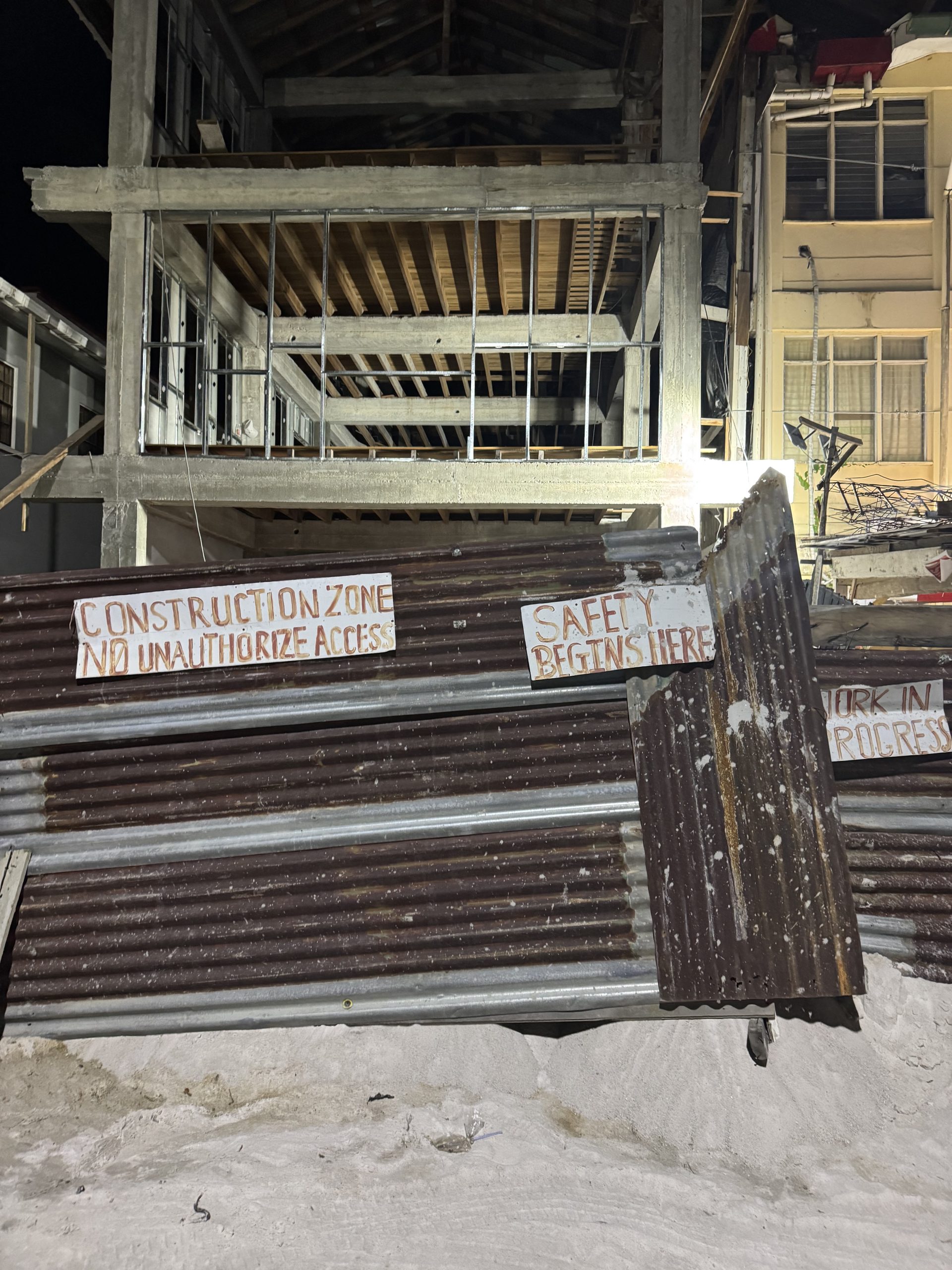
“safety begins here”

Georgetown is not my favorite city. I wouldn’t have chosen three nights here, ideally. The locals warned us around safety a lot while we were there, including this last night in the city. There were seven or eight of us who had gone out for dinner and drinks, and we had about a six minute walk back to our hotel. The other people at the bar were shocked we were going to walk, even with a fairly large group and a short walk, which did not fill me with confidence as we headed back to the hotel.

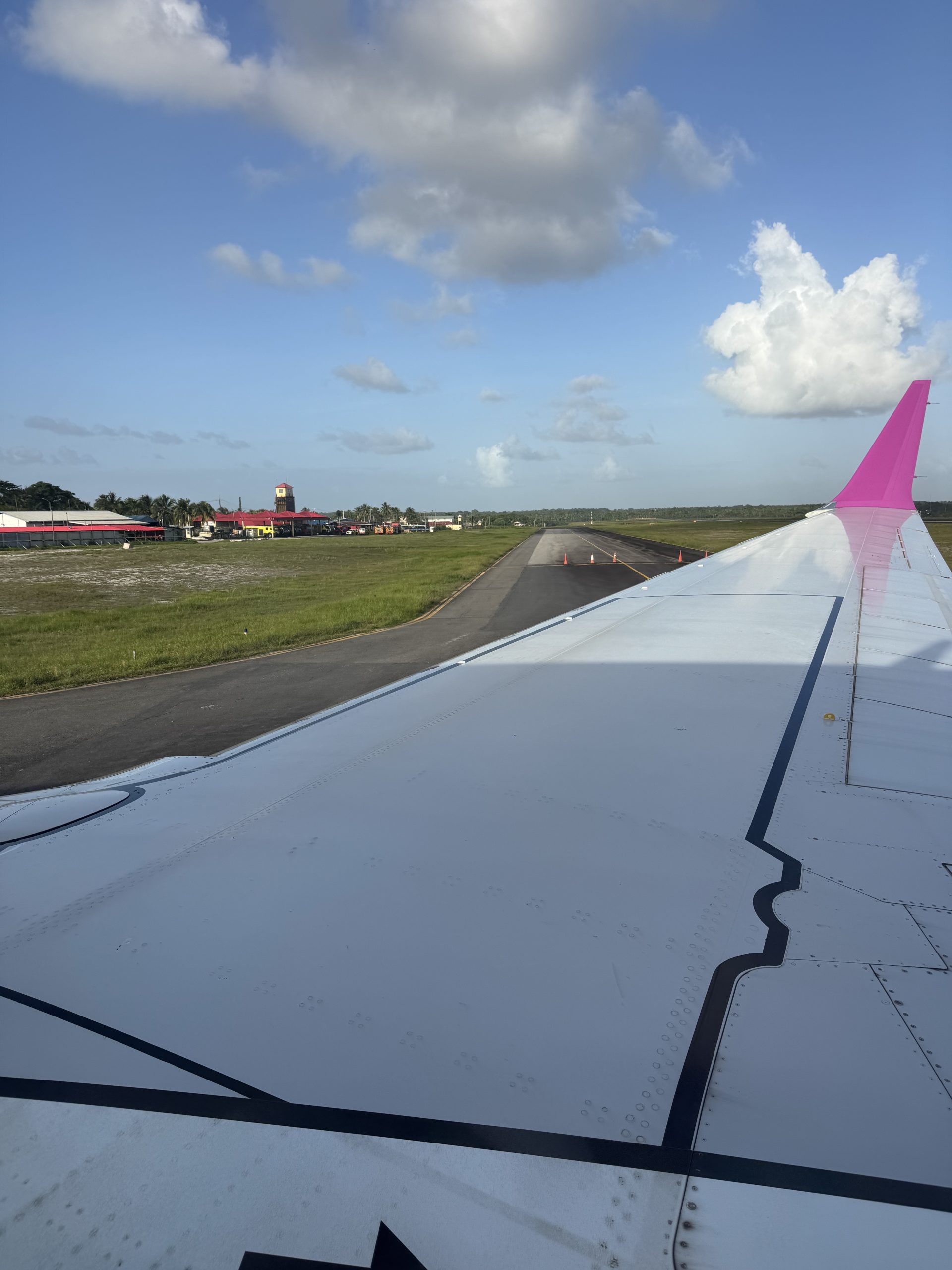
Thankfully, we made it to the airport the next day and our flight to Paramaribo was uneventful! After all that, it only took an hour by plane to get to Suriname.

Categories
Guyana South America

A Flight to Kaieteur Falls

Welcome to Guyana! This is my 88th country and only my second in South America, so I definitely need to step it up in this continent.

Fun fact, there are a lot of territories that have been known as Guyana / Guiana in northern South America over the years. The word originally comes from indigenous languages and means “land of many waters,” which certainly describes this region. There were at one time five different Guianas: (1) Spanish Guiana, now a territory within Venezuela; (2) British Guiana, now the independent country of Guyana; (3) Dutch Guiana, now the independent country of Suriname; (4) French Guiana, now an overseas region of France; and (5) Portuguese Guiana, now a territory within Brazil. I had originally thought the etymology was related to the four Guinea countries so it was interesting to find an unrelated place word that sounds so similar.

Our first night was fairly uneventful. The airport in Georgetown is quite far from the city, so most of the first night was simply a long car ride to get into Georgetown and then dinner.

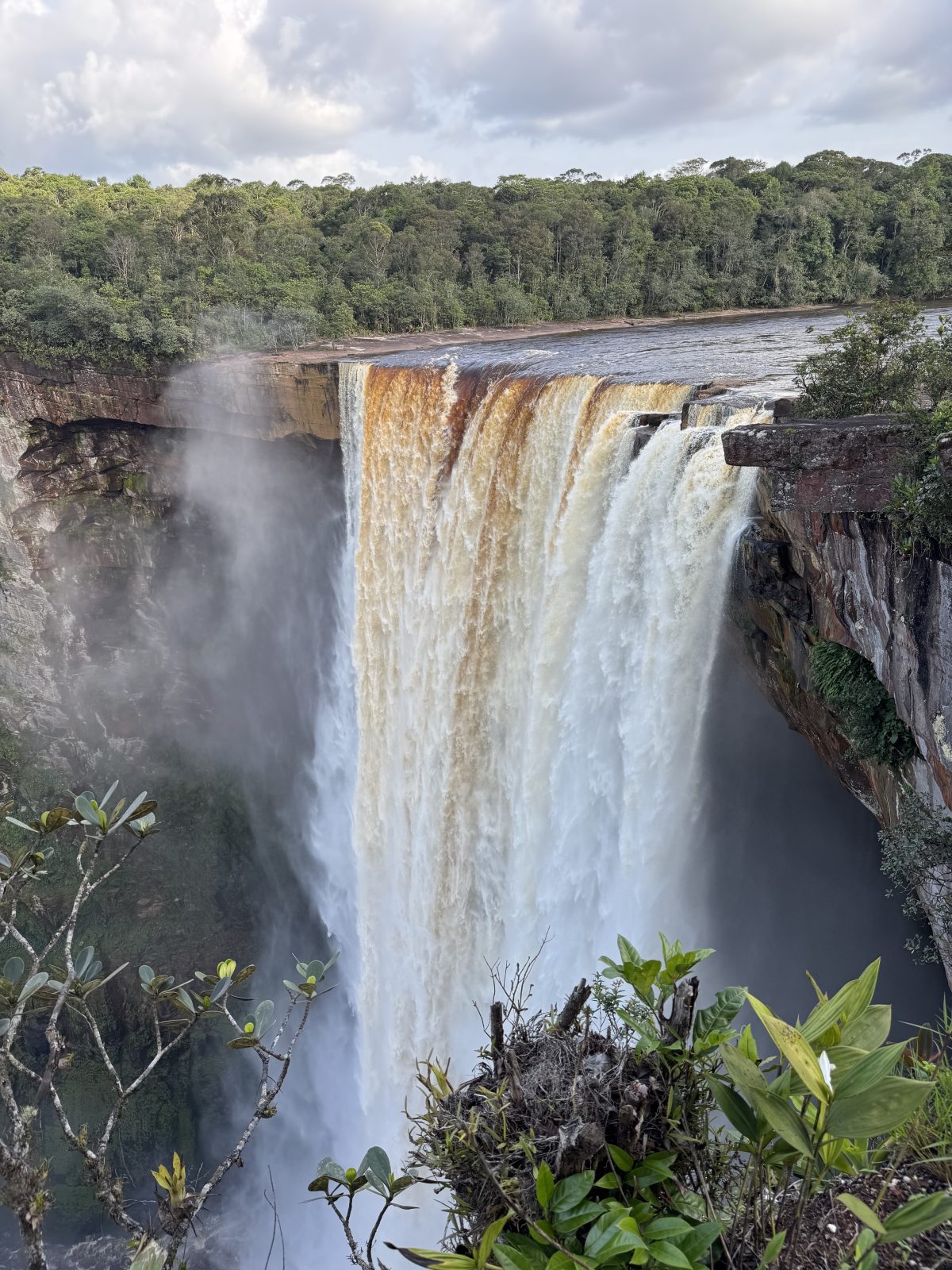
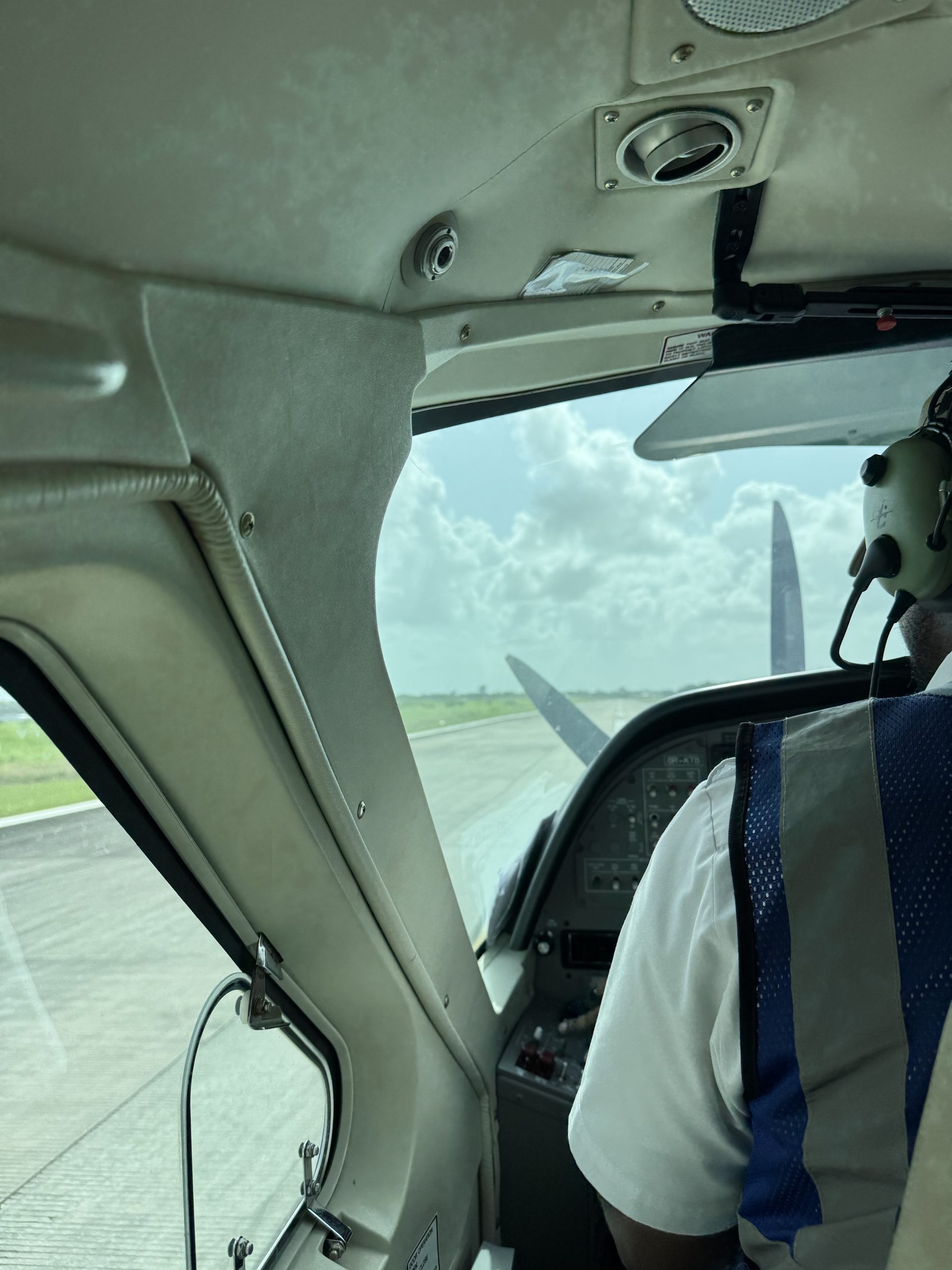
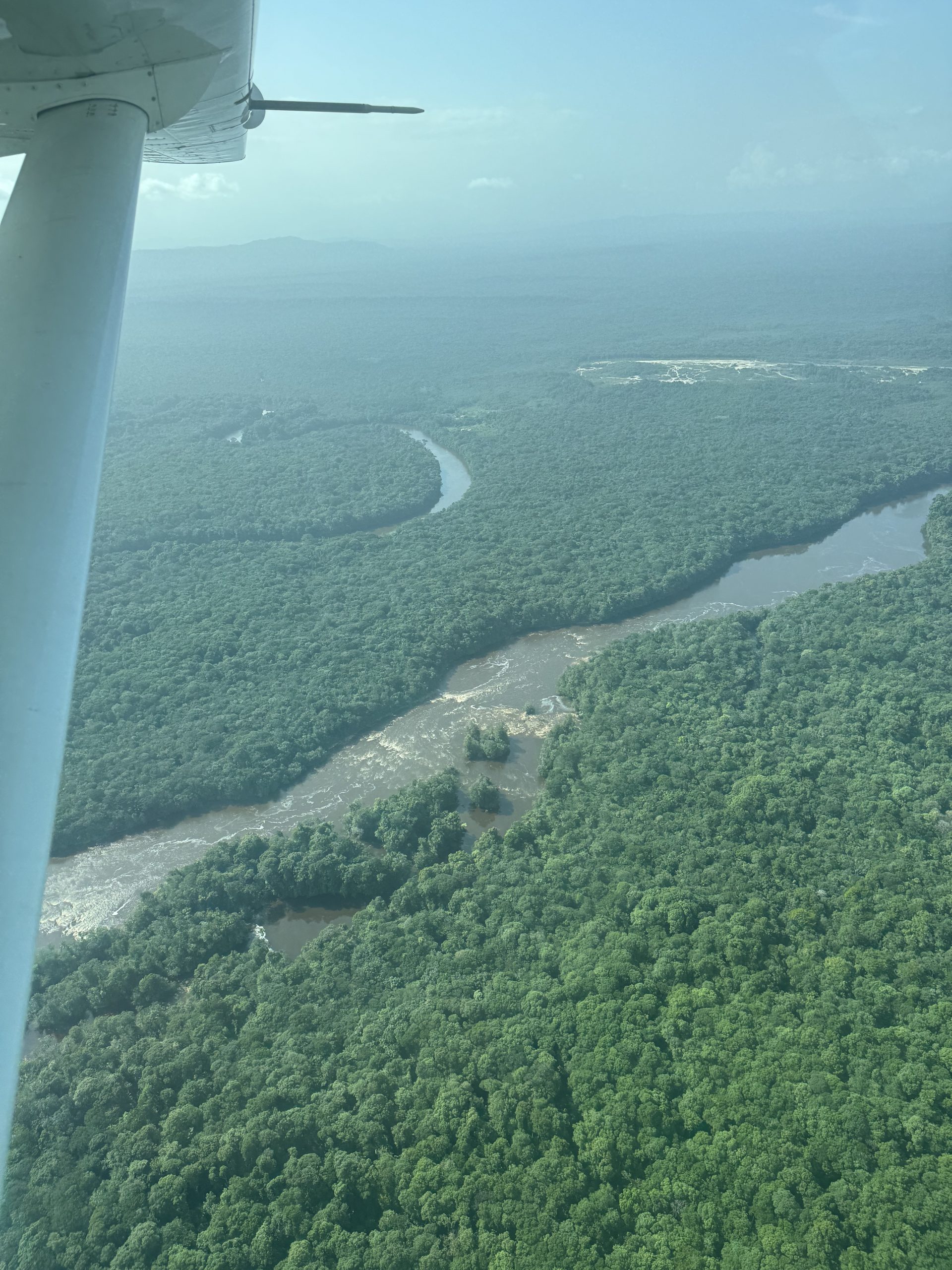
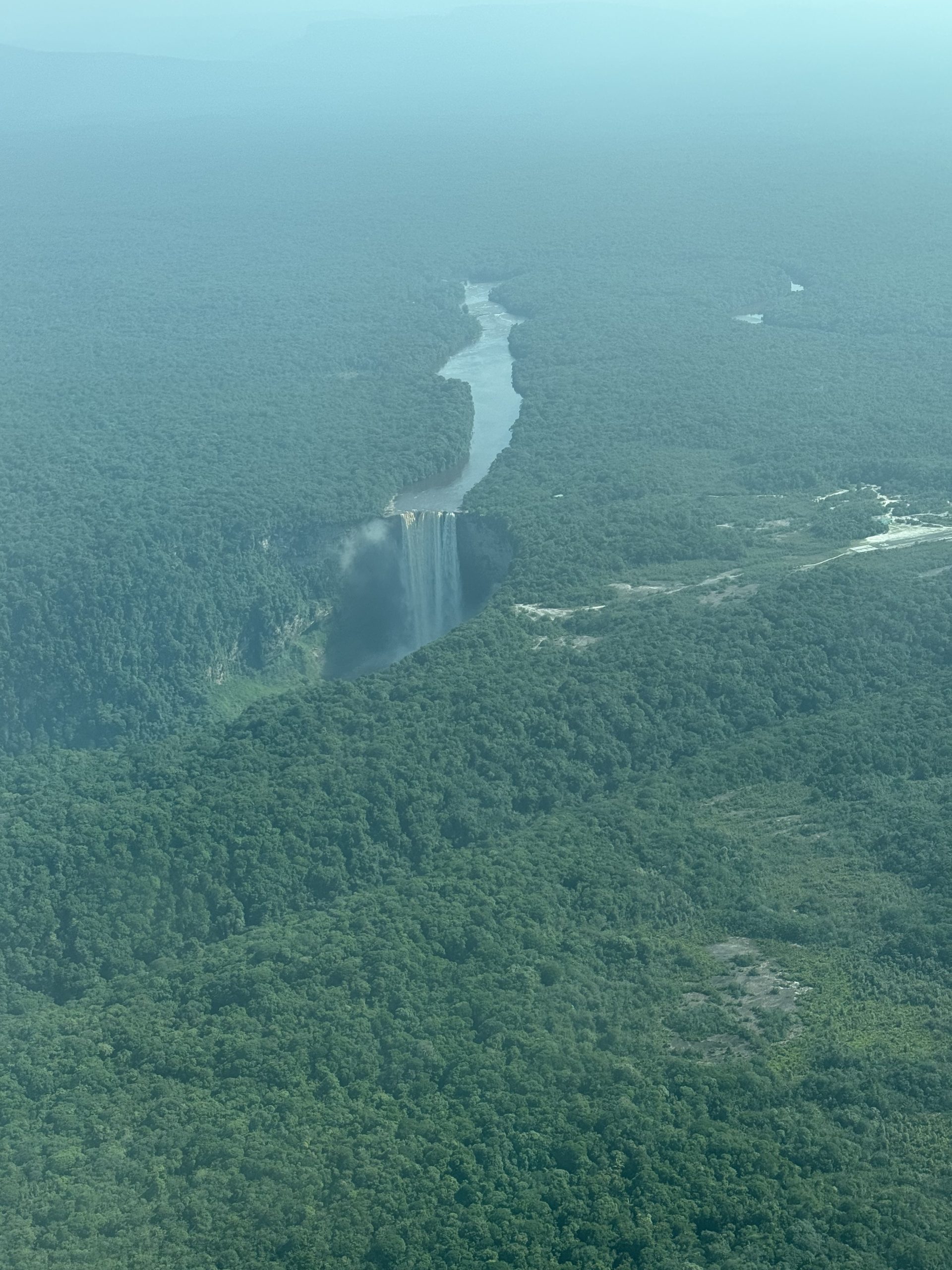
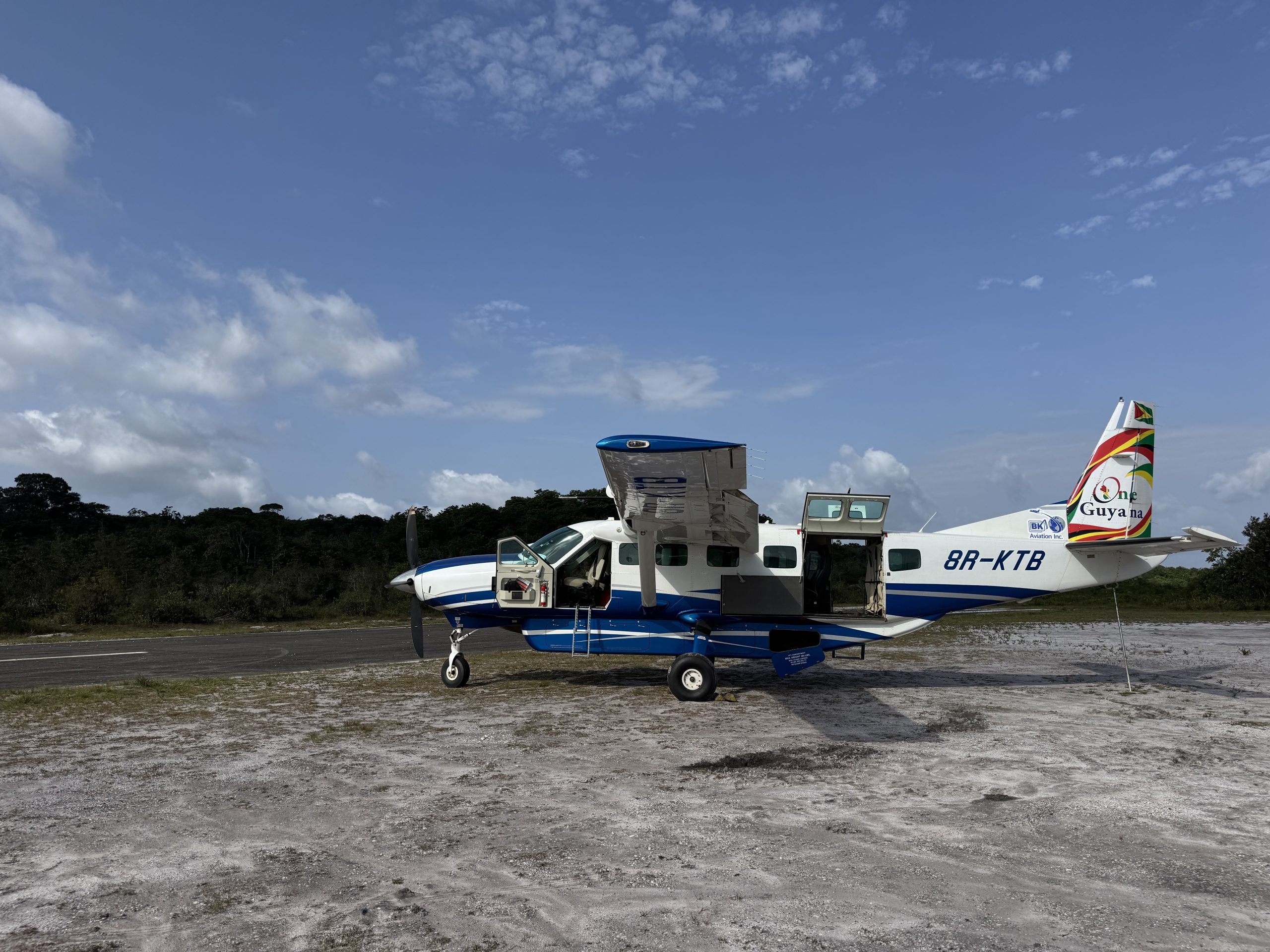
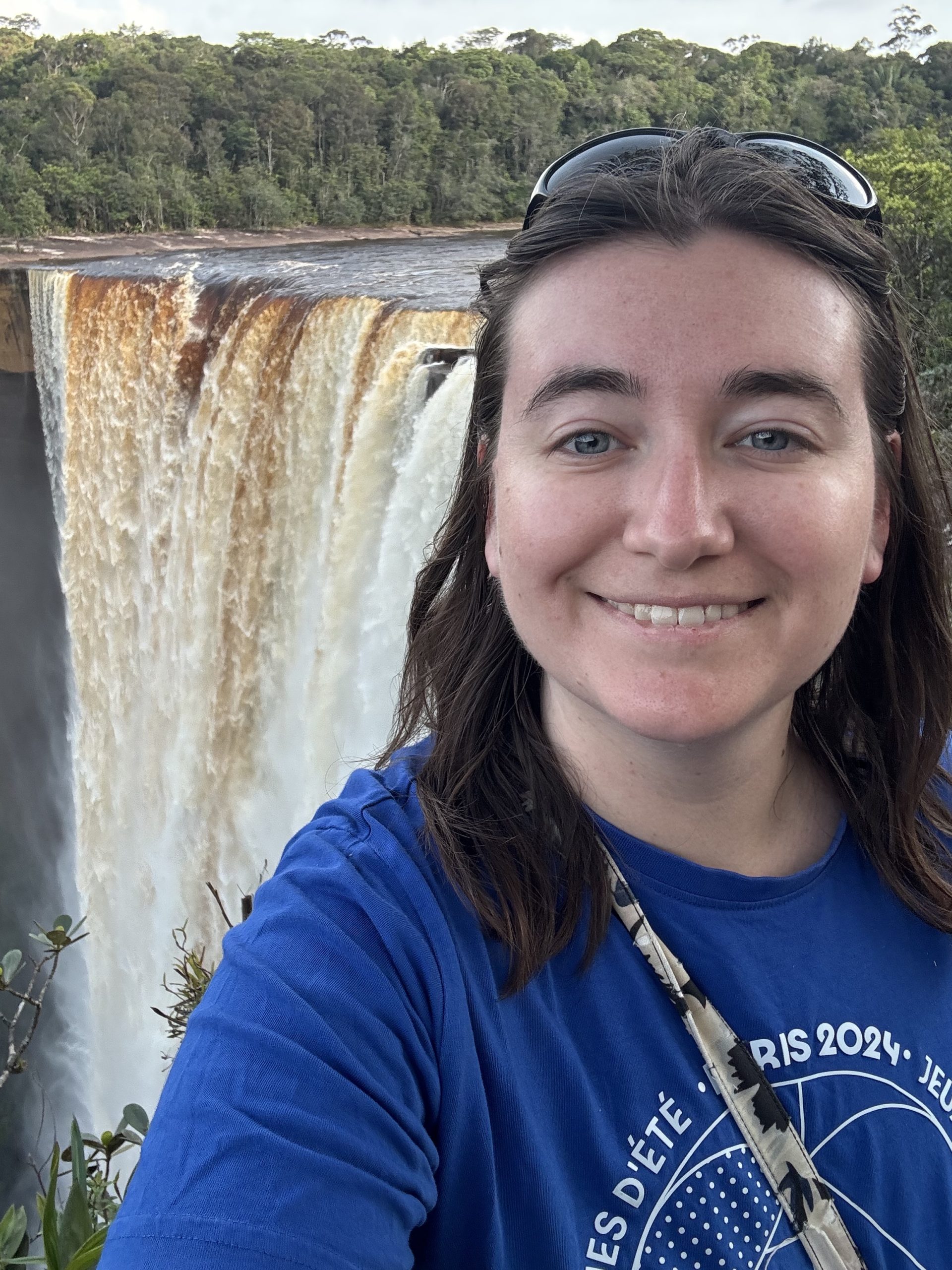
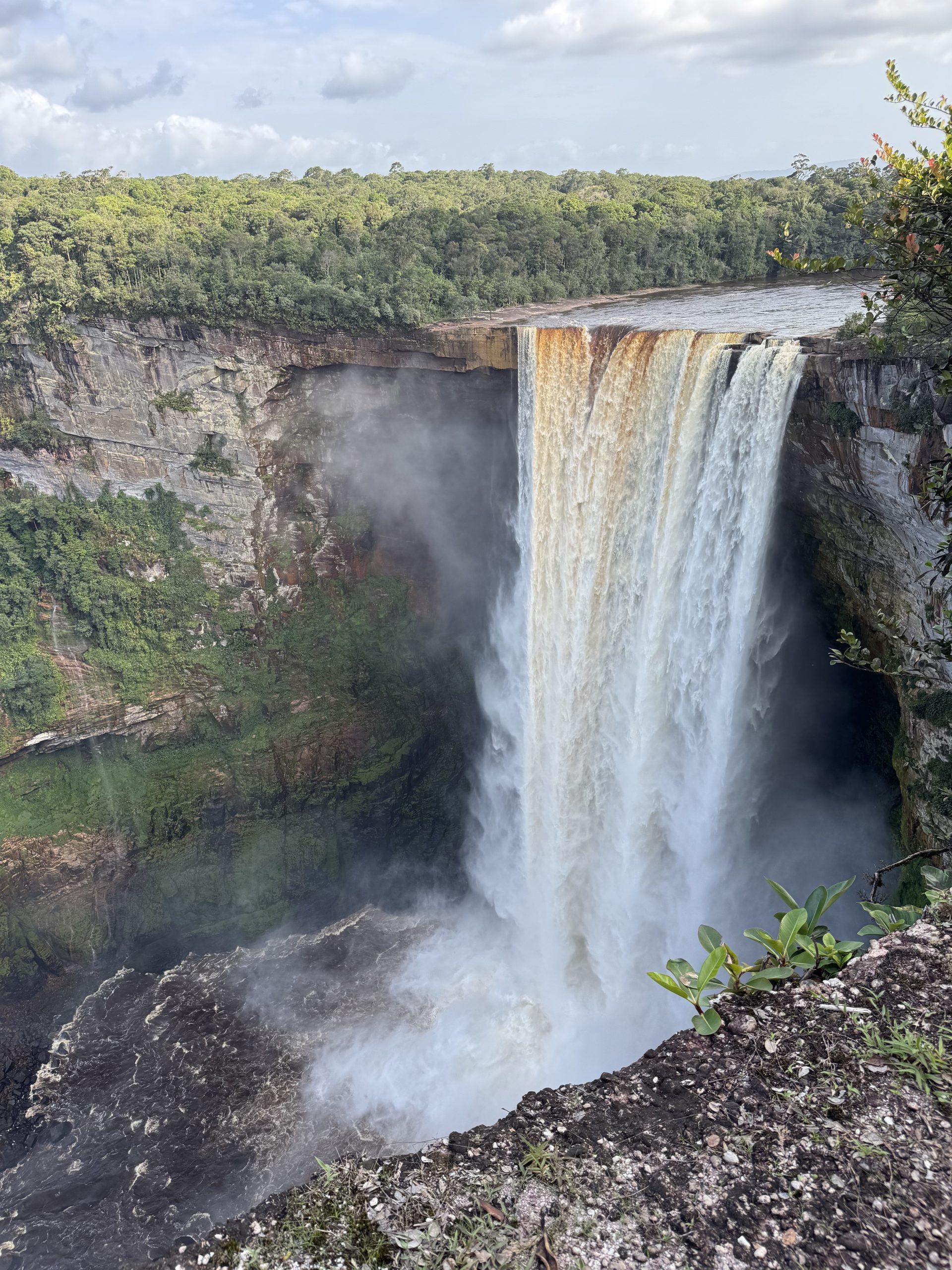
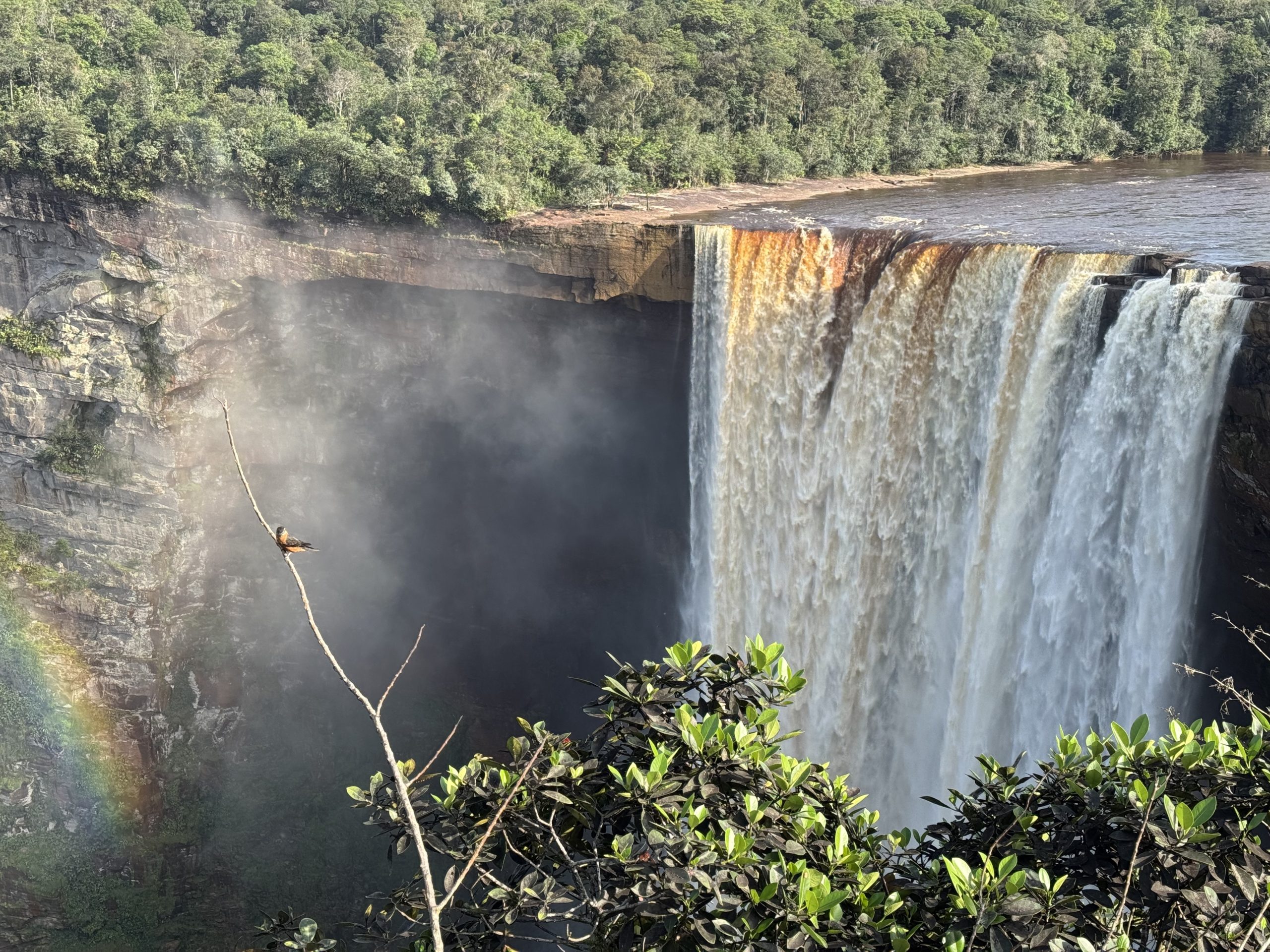
Once we had a good night’s sleep in Georgetown, it was on to the main event, which was a chartered flight down to Kaieteur Falls! There are a ton of different ways to rank waterfalls. Wikipedia informs me that the notable statistic for Kaieteur is that it is the “highest flow single drop waterfall” in the world and the 123rd highest in the world. It is very far south within Guyana and requires either a flight or a multi-day trek through the jungle to get to.

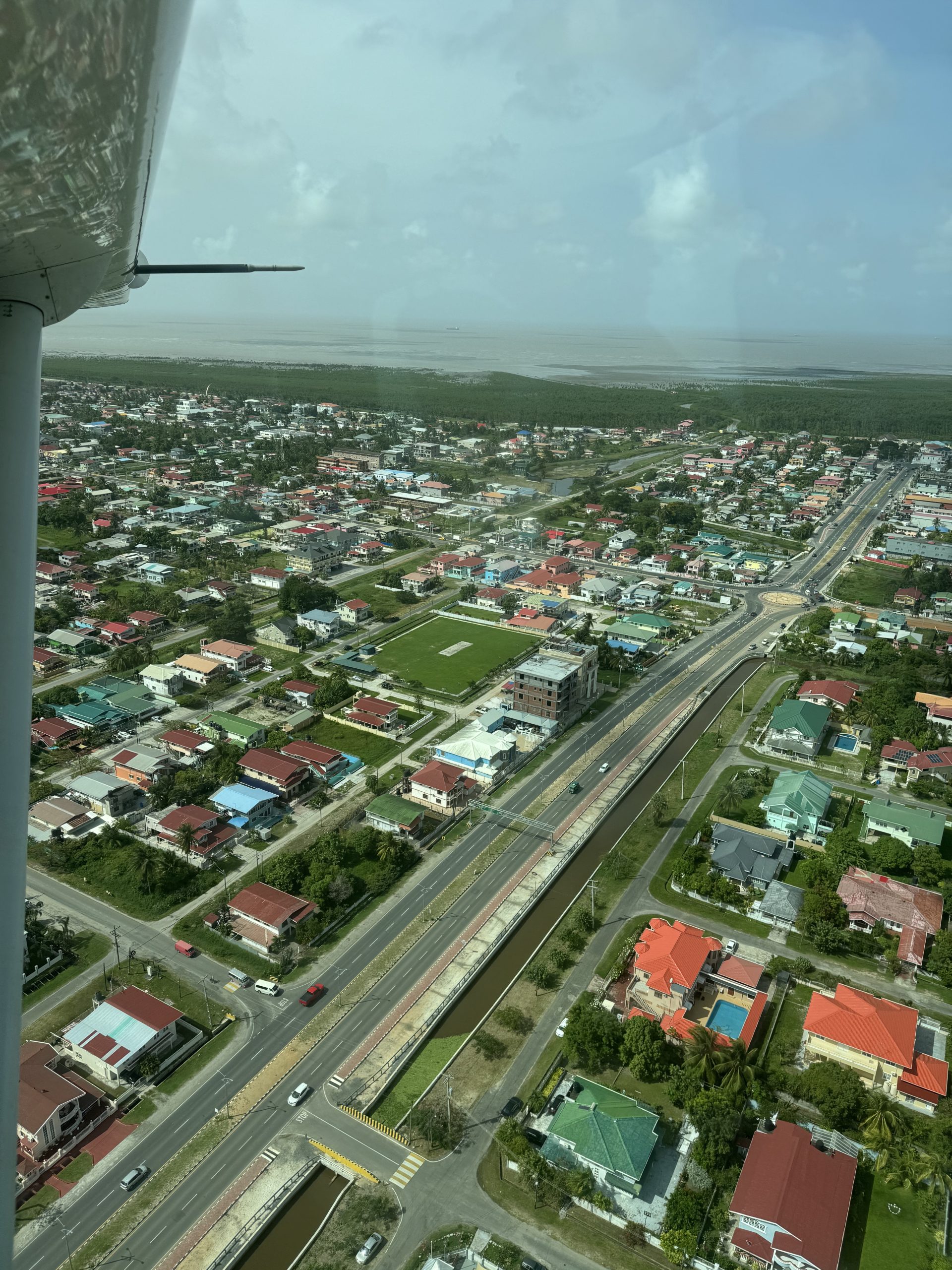
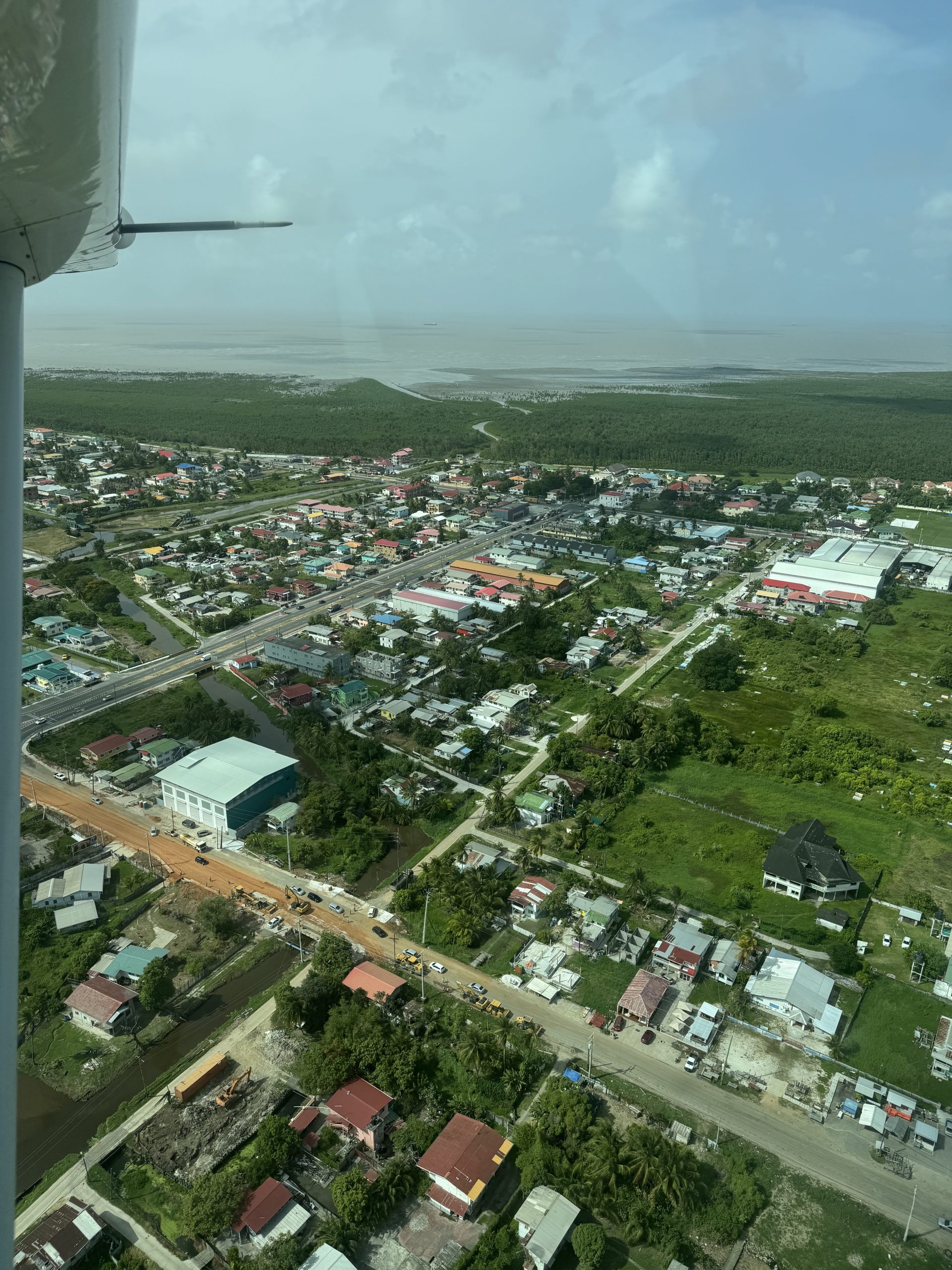
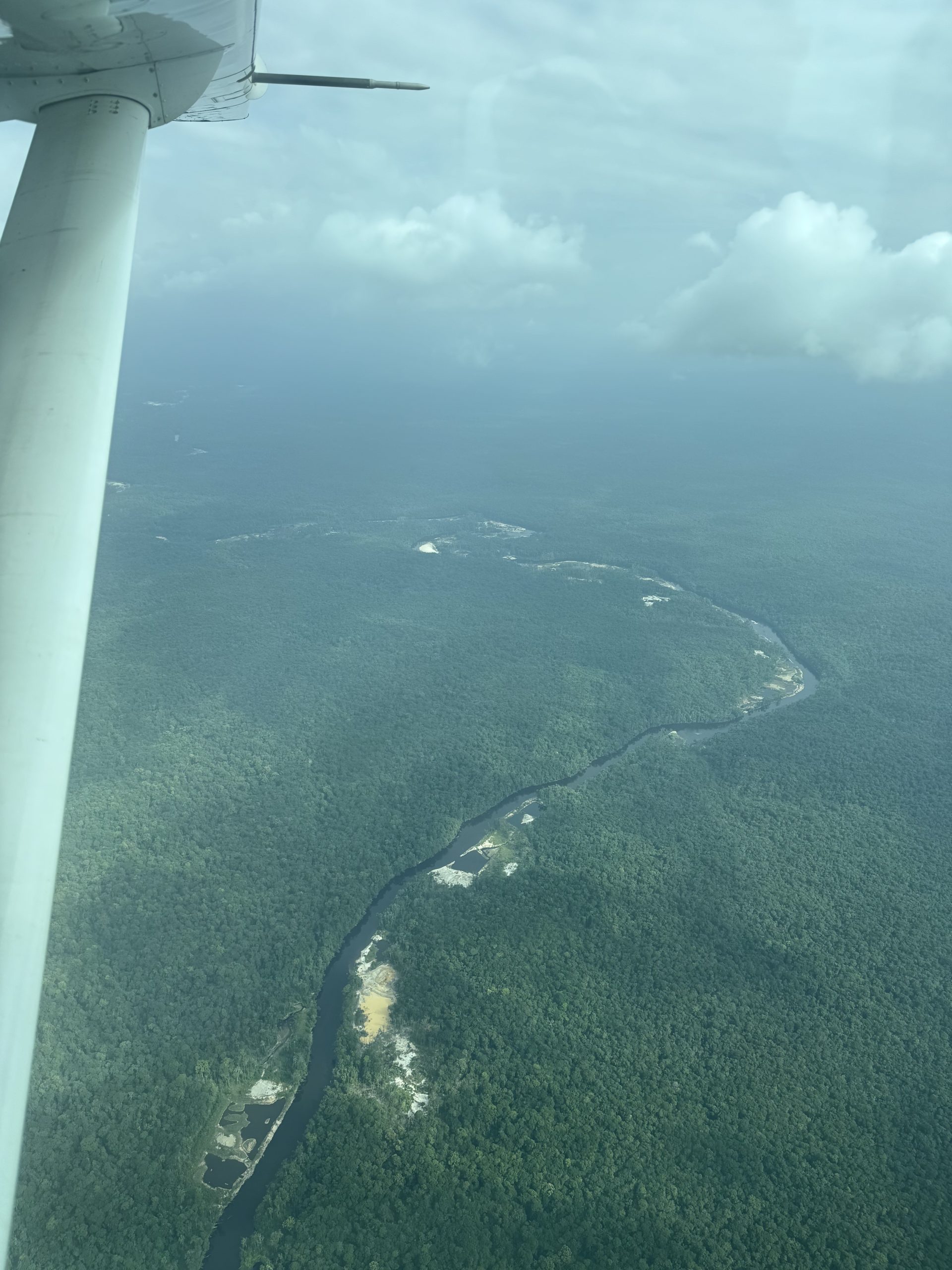
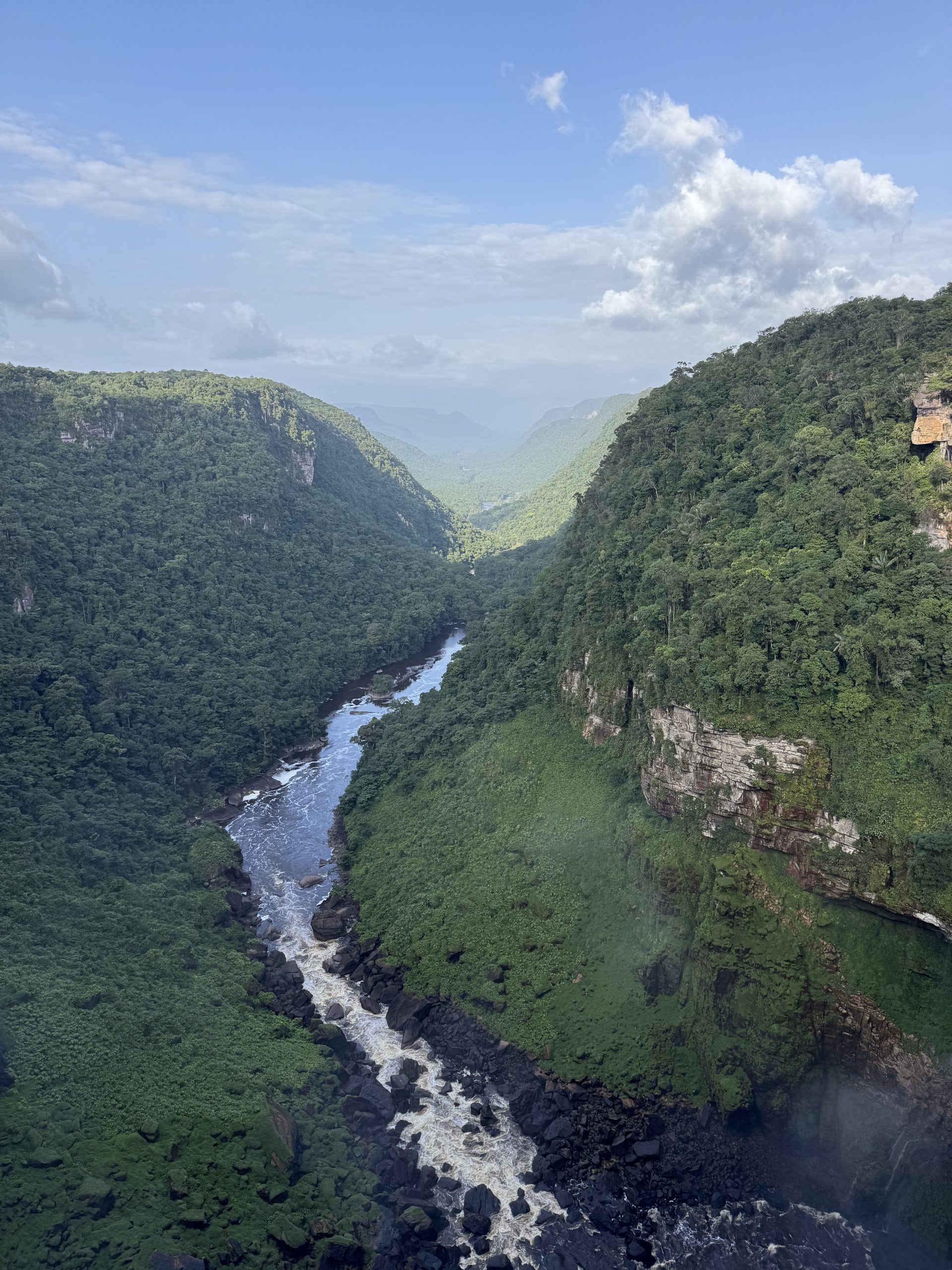
The views as we left Georgetown were nice. Georgetown has fairly colorful buildings and it also sits at the mouth of the Demerara River. As we followed the river south, the landscape turned from urban to farmland to jungle.

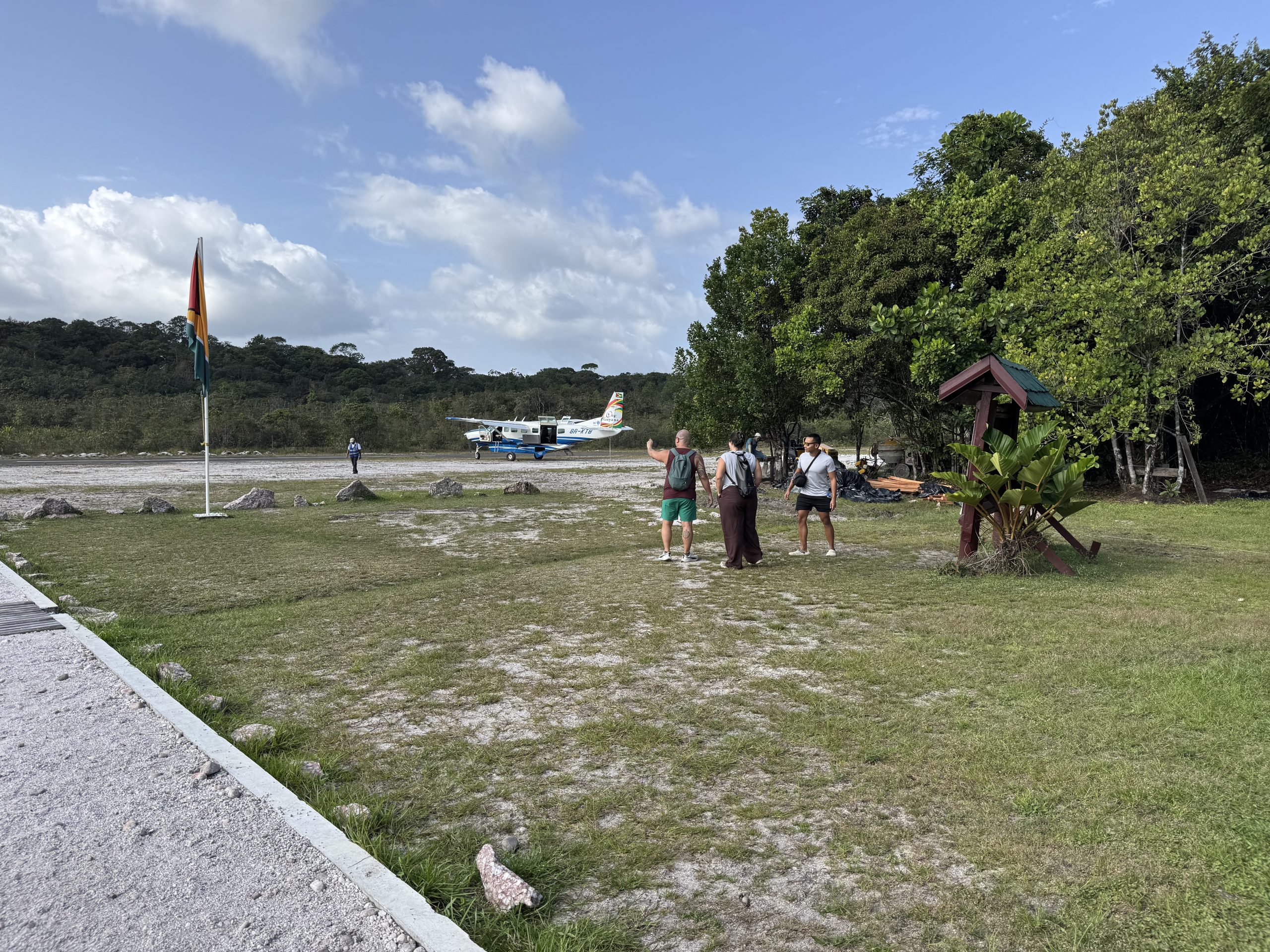
The first view of the waterfall from the air! It was very impressive, both at a distance and up close. We landed right next to the visitor center and met up with a local guide who showed us around the national park.

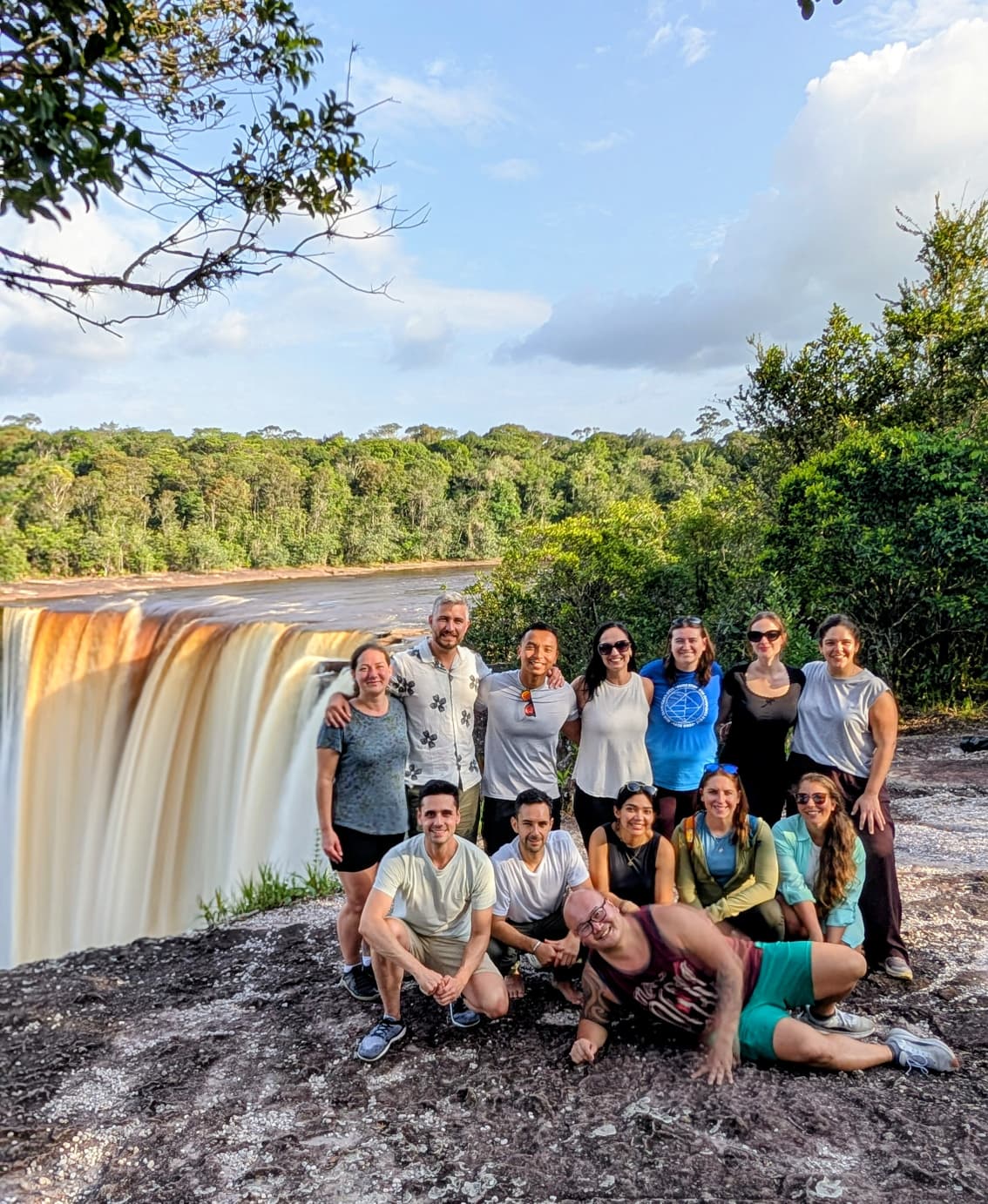
There were three different viewpoints to go to and along the way our guide would point out native plants and animals. The walk itself was very easy but the guide was awesome. Our time in Kaieteur National Park was definitely a highlight across this whole trip for me.

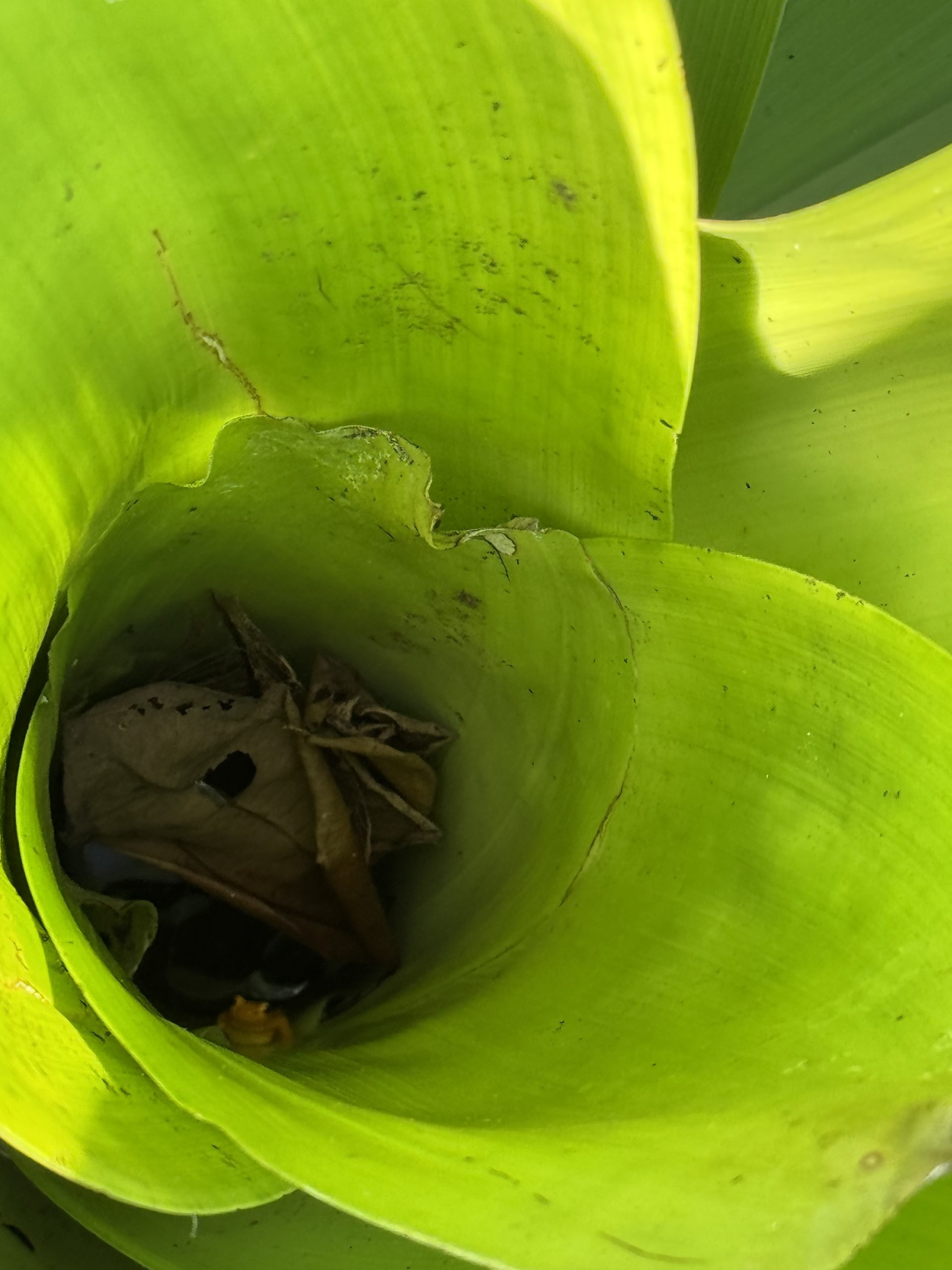
This is not the best picture I’ve ever taken, but was a cool animal to spot in the wild! This is a golden rocket frog, endemic to Kaieteur National Park. It was hard to see in the plant – they’re absolutely tiny, I was amazed our guide was able to spot it.

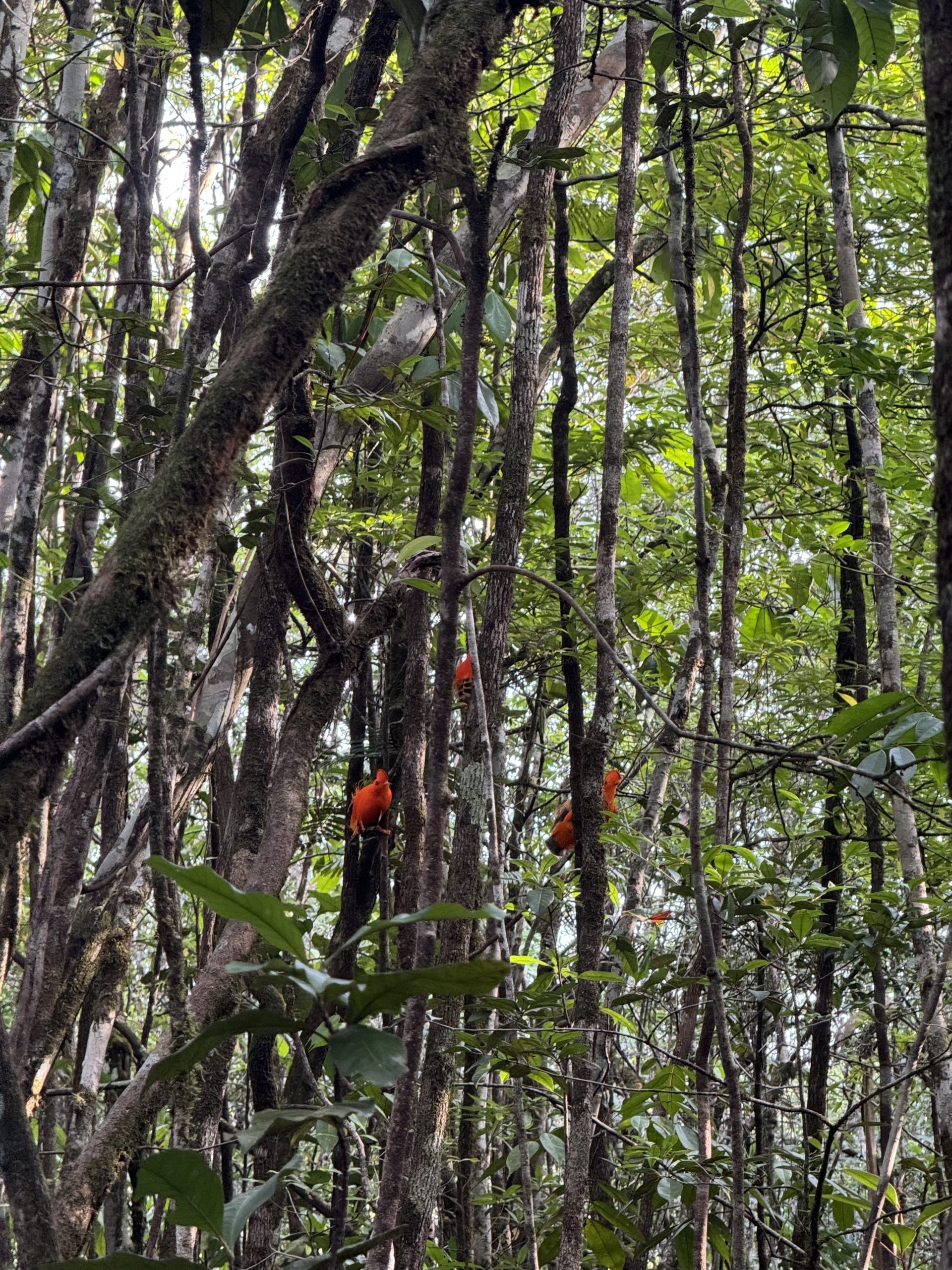
While we were in Kaieteur National Park, we also did a little birdwatching! This was the most excited I’ve ever been to see a bird in person. I’ve definitely seen other cool birds, but in most cases I just recognize that they are cool and then find out more about them later. This is the rare instance where I knew of this bird beforehand. Meet the Guianan cock-of-the-rock. Yes, their name is crazy. I’ve always thought they were super interesting looking with their crests. We got to see several of them through the trees.

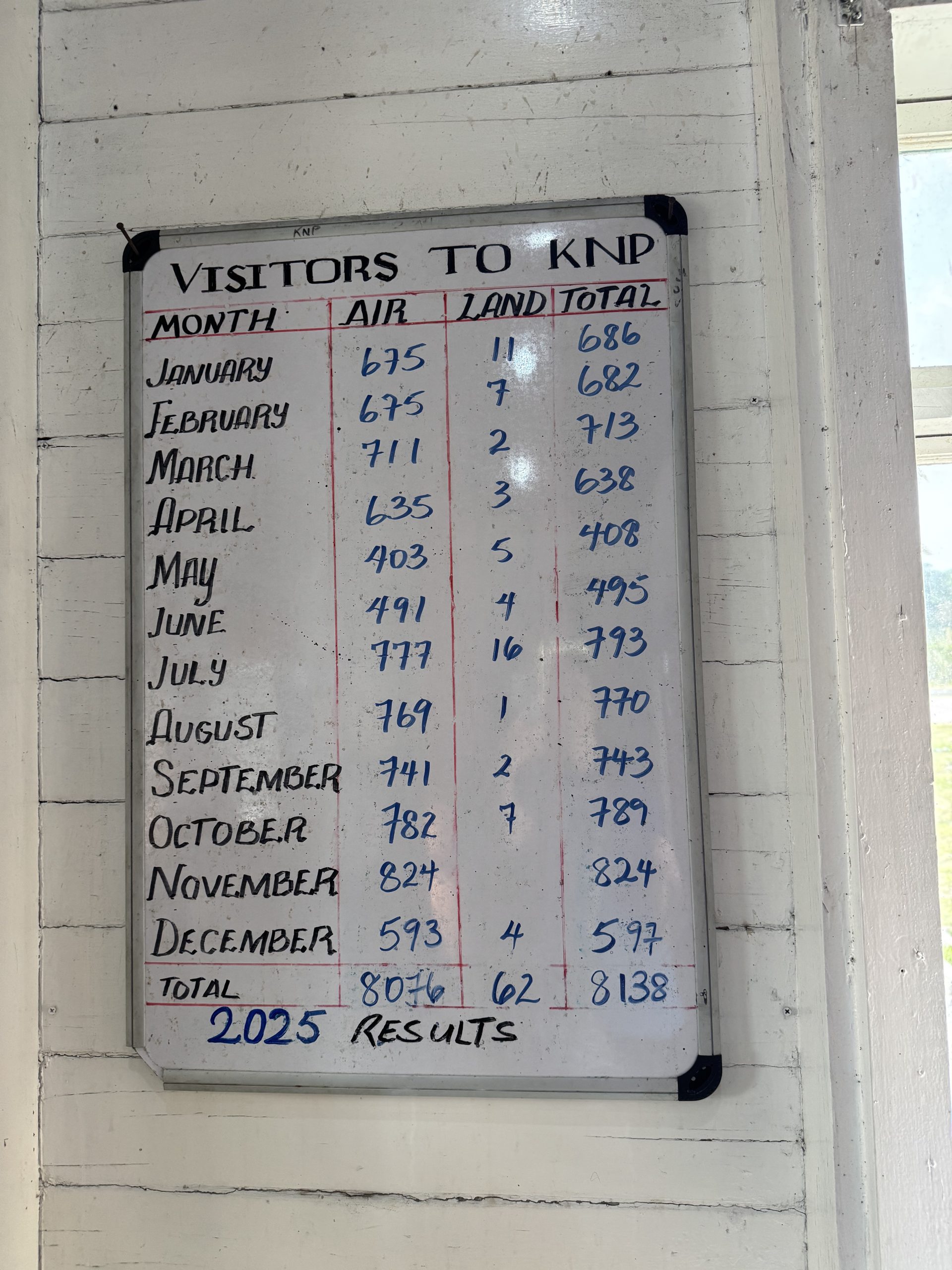
Here, you can see Kaieteur National Park visitor records. Most people come by plane, as you can see. I think if you were a very outdoorsy person, the multi-day Amazon trek to come by land could be a worthwhile experience, but I was quite happy with my choice to arrive by plane.

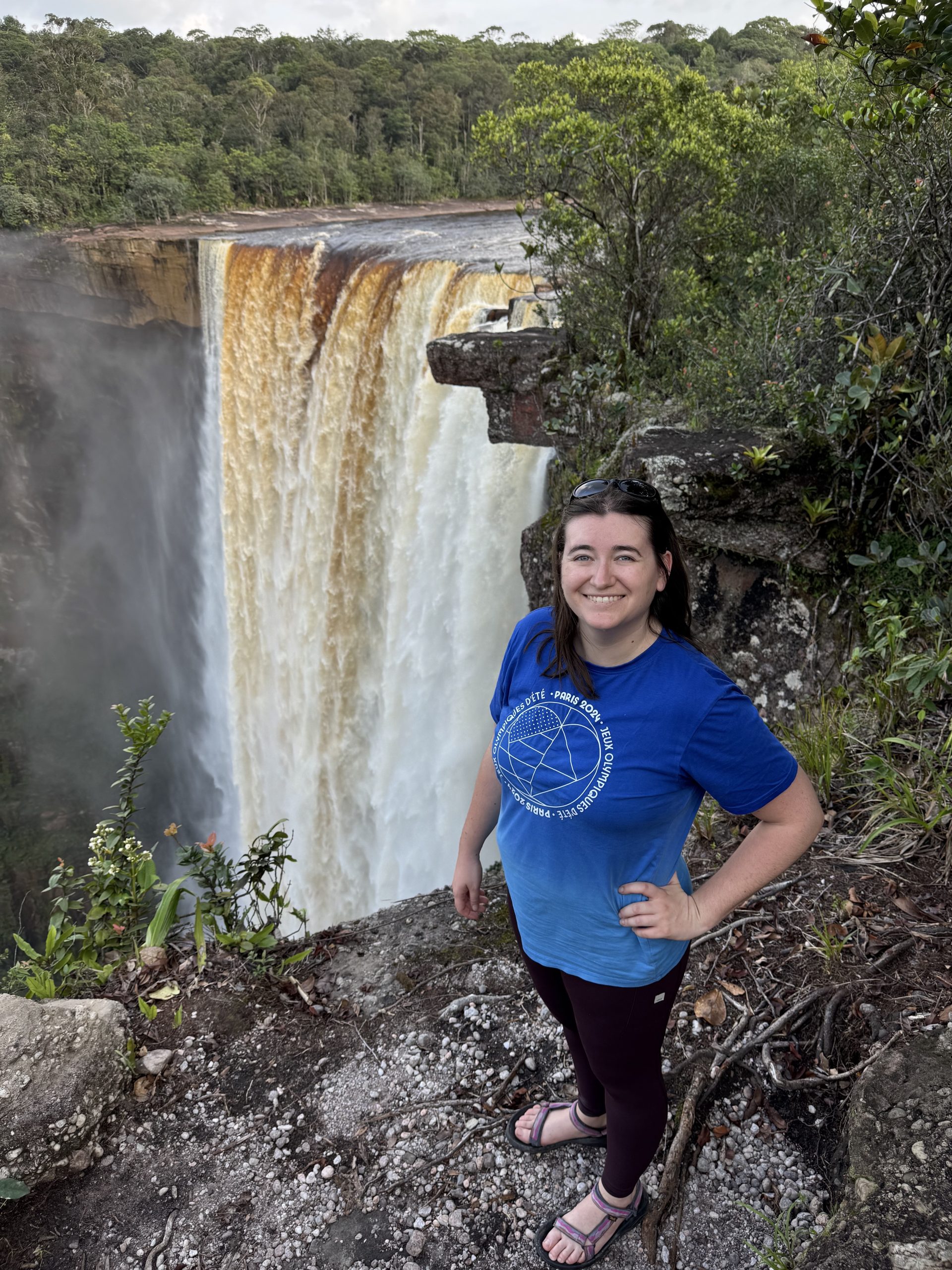
It was such a cool day. Guyana wasn’t my favorite country of this trip but this certainly was my favorite single experience that I had over the course of this week!

Categories
Ecuador South America

Gorgeous Galápagos

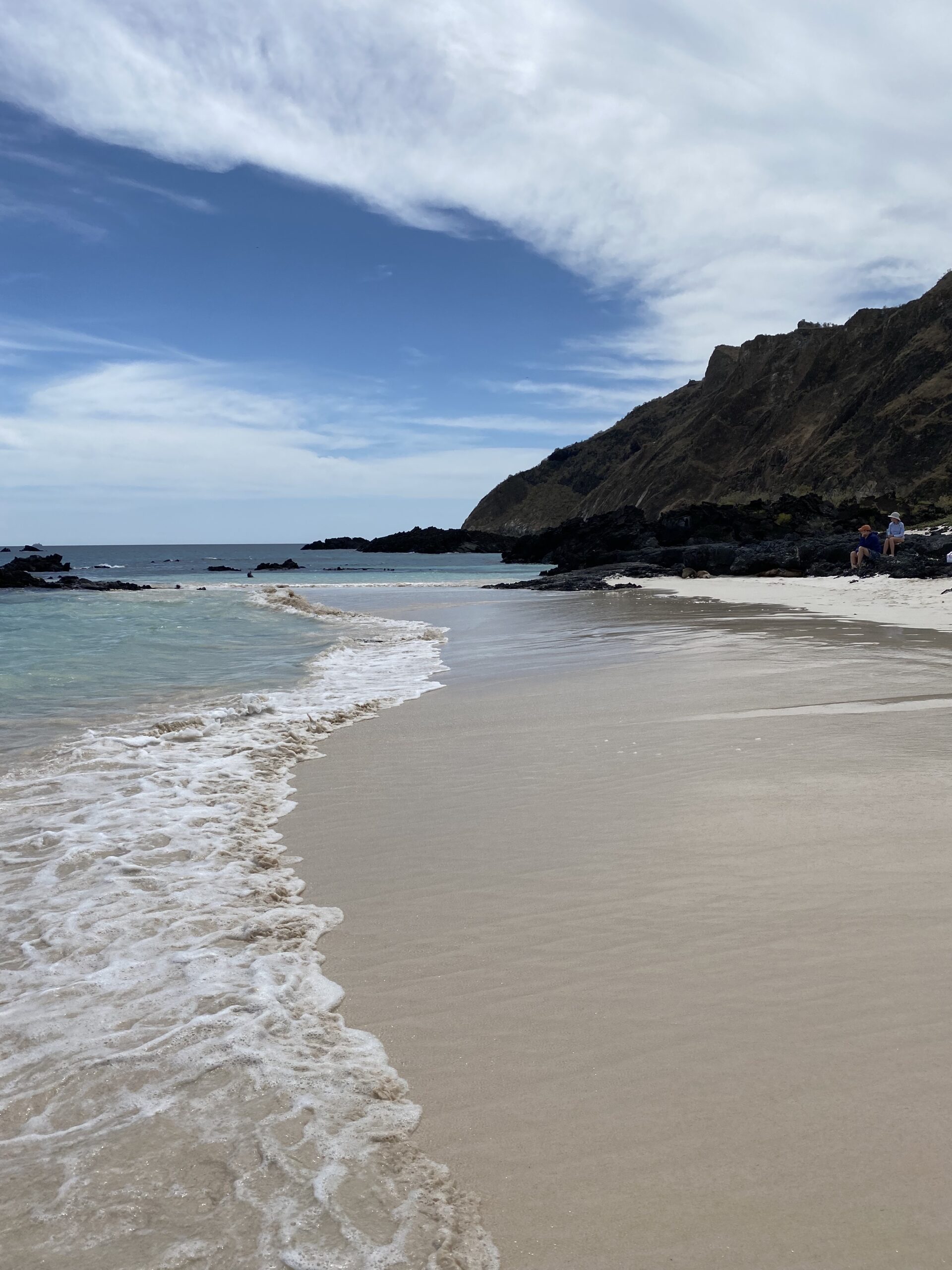
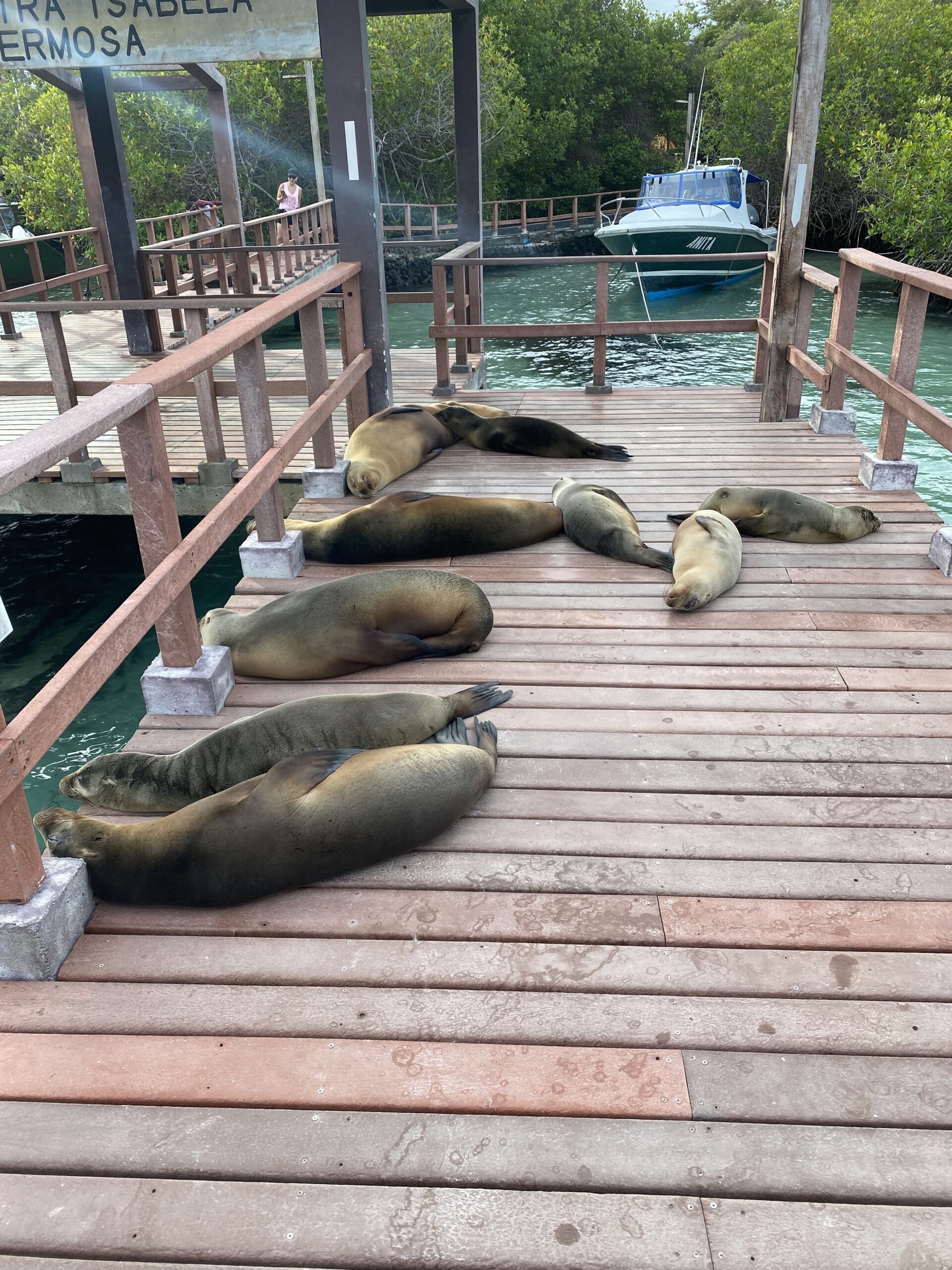
The Galápagos Islands are magical. I’ve known about their existence since biology class in my sophomore year of high school. We talked about evolution and Darwin and the finches, but nothing really prepared me for seeing sea lions lounging on the beach and watching the blue footed booby do its mating dance. The animal encounters were unreal!

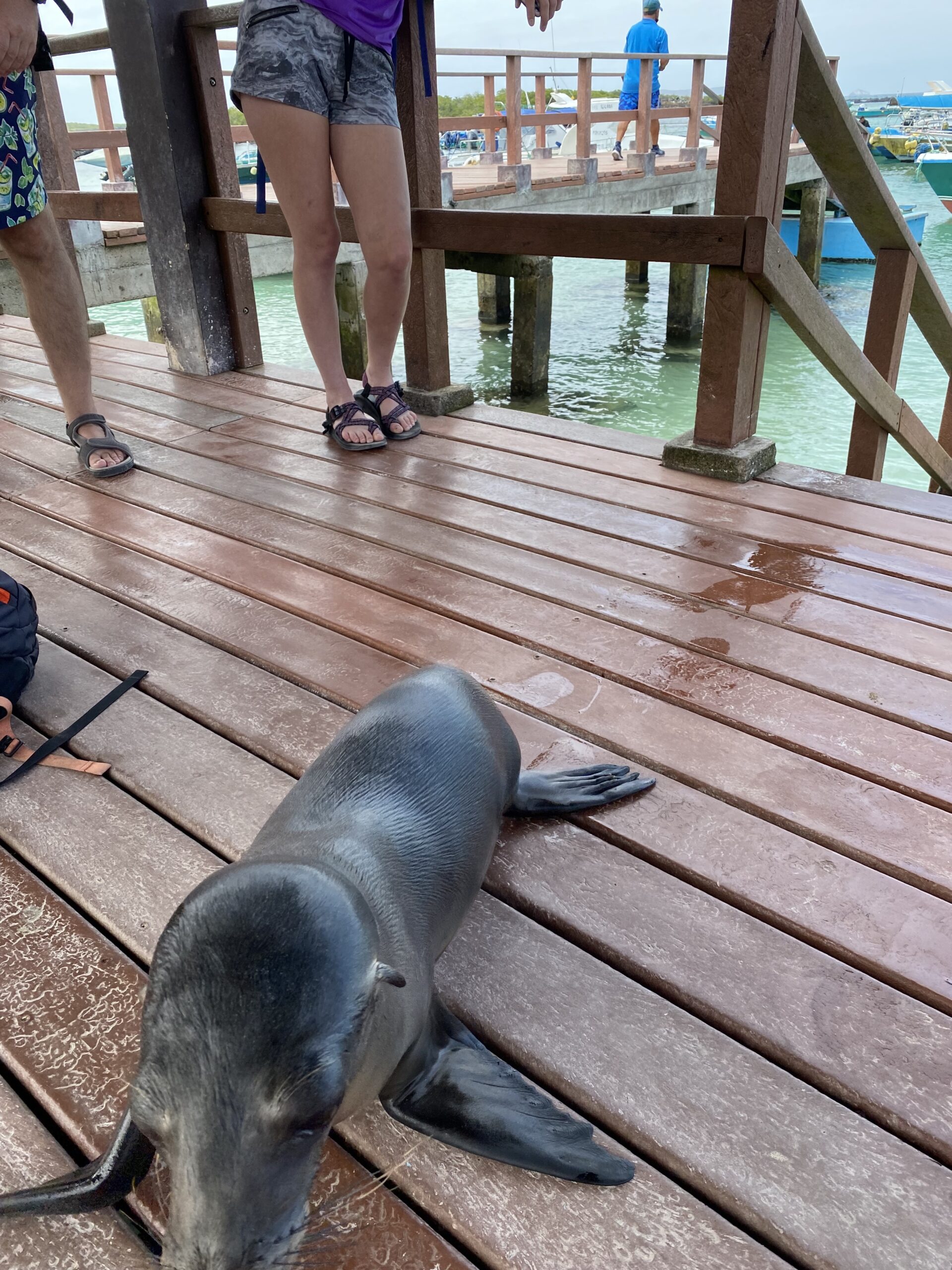
We started on San Cristobal. Within twenty minutes of getting out of the airport, we had already seen marine iguanas and sea lions and blue footed boobies on the island. What’s really surprising is how used to people the animals are – it doesn’t phase them at all when you walk by, and most of them are just curious. That baby sea lion in the picture above came over and sniffed my leg as I tried to be as still as humanly possible. It was adorable! All of the Galápagos Islands are considered a national park, and are under strict protections. When we ferried between the islands, we would have our bags checked each time to make sure we weren’t transporting anything organic.

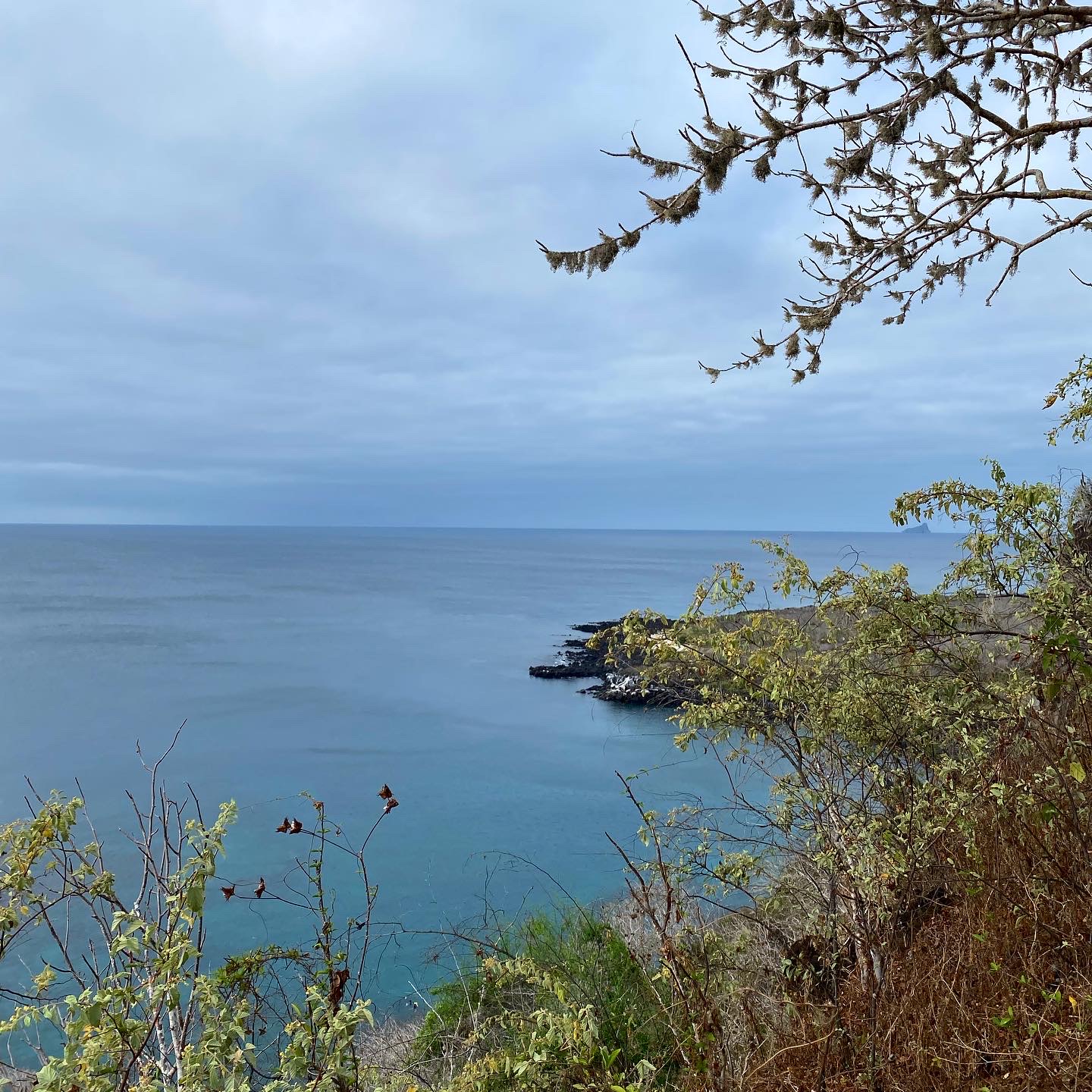
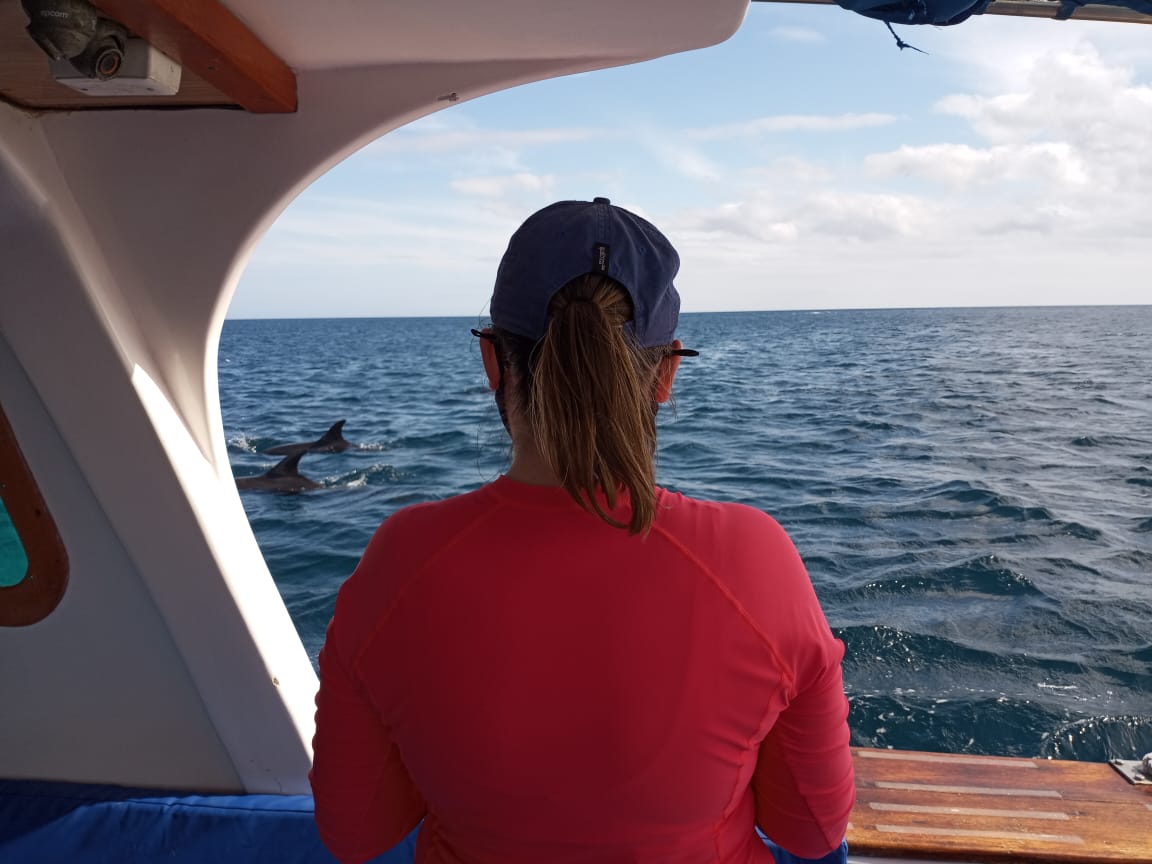
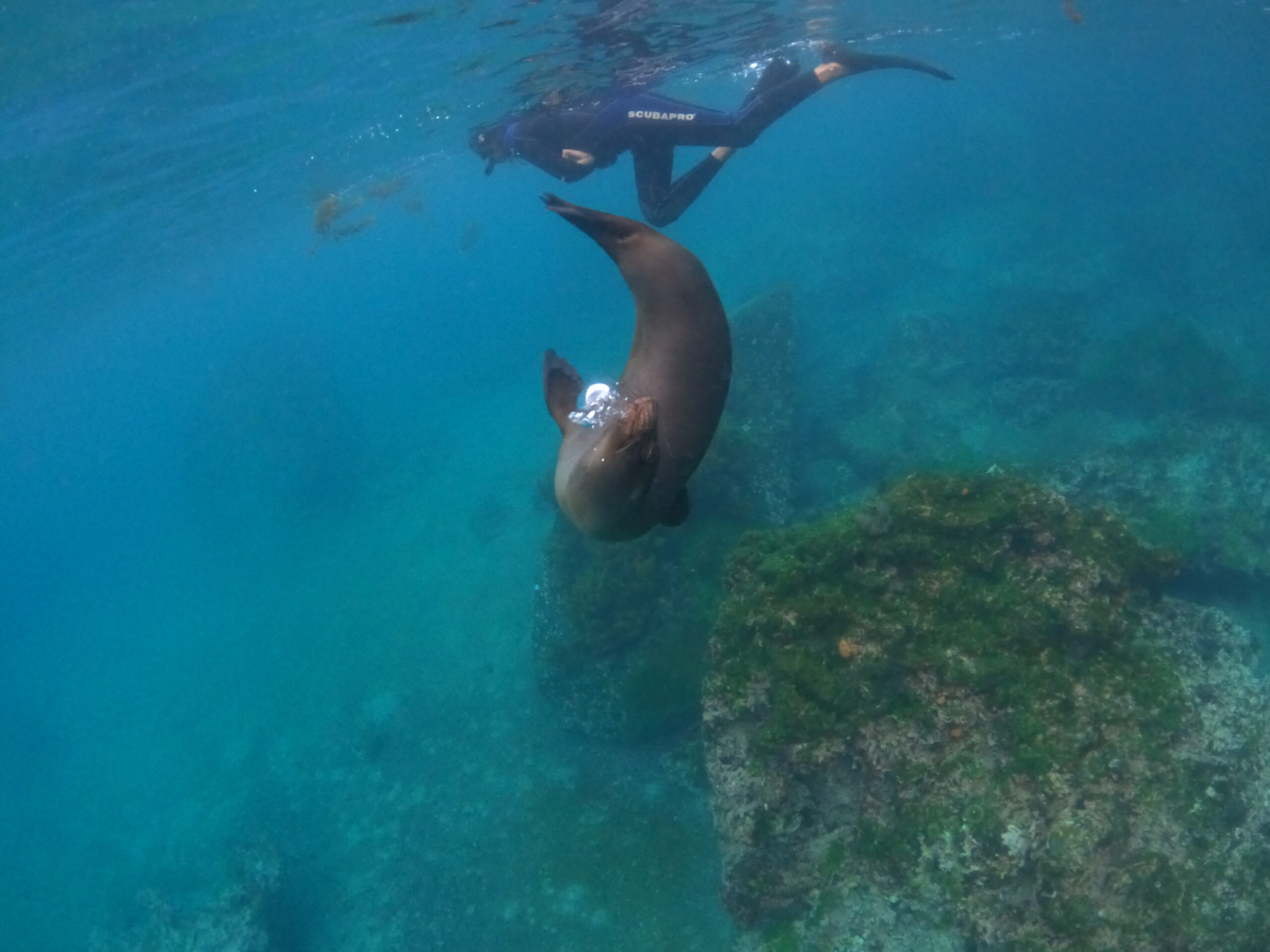
We snorkeled twice on San Cristobal. Once was at a beach, where we got in the water with sea lions. They’re so playful, swimming circles around us and twisting themselves around! It’s hard to believe they even have bones when they swim. They’re incredibly graceful under water, and then they get on land and sort of lumber around. The second time was at Kicker Rock. It’s sort of out in the middle of the ocean. We saw a whole pod of dolphins as we were going out there, which was amazing. Once we arrived, we swam around the rock and through this channel! There were less animals generally at Kicker Rock than other swims we did, but I did have this incredible moment where the sun’s rays were going through the water and I was swimming alongside a school of fish.

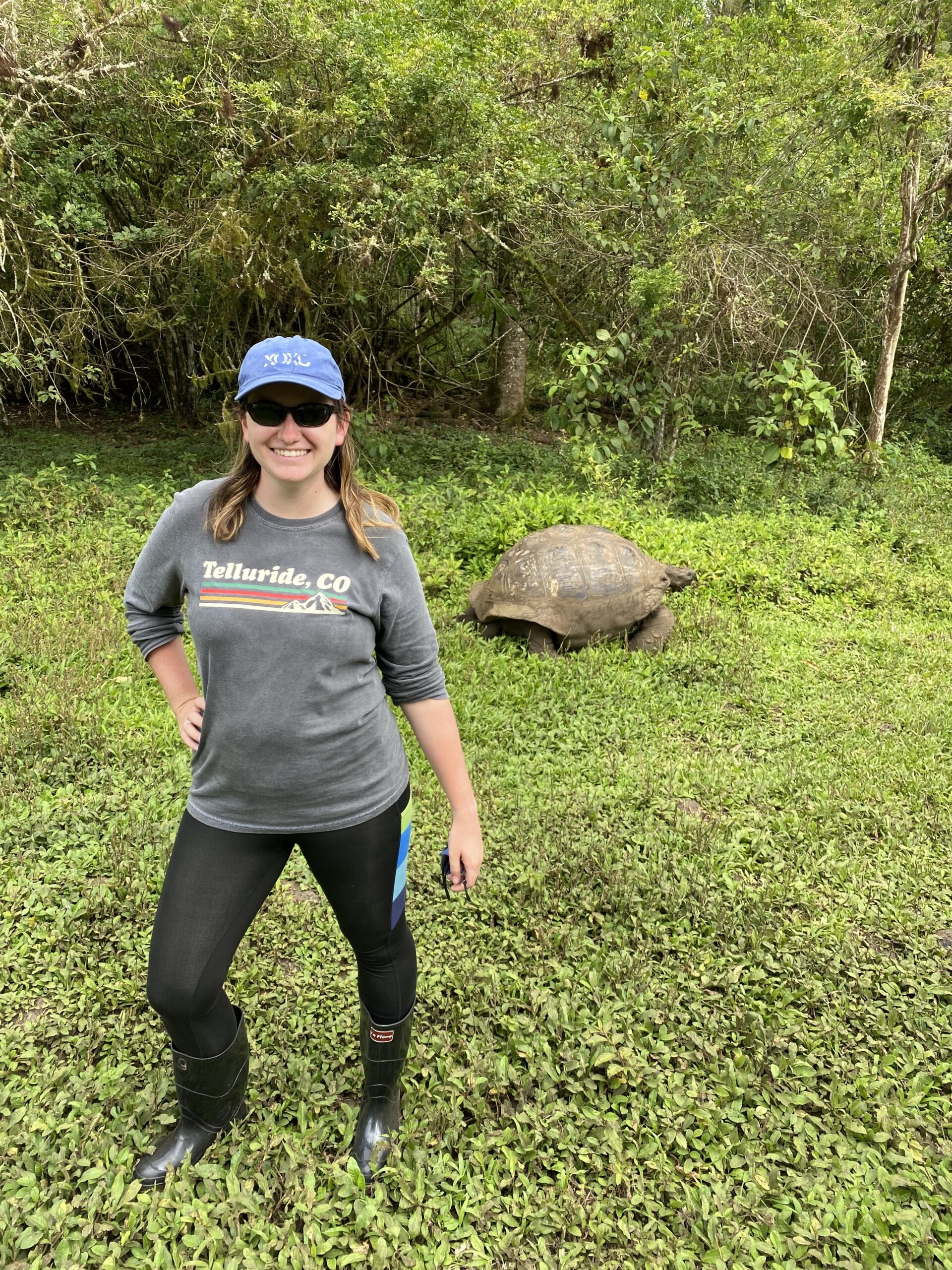
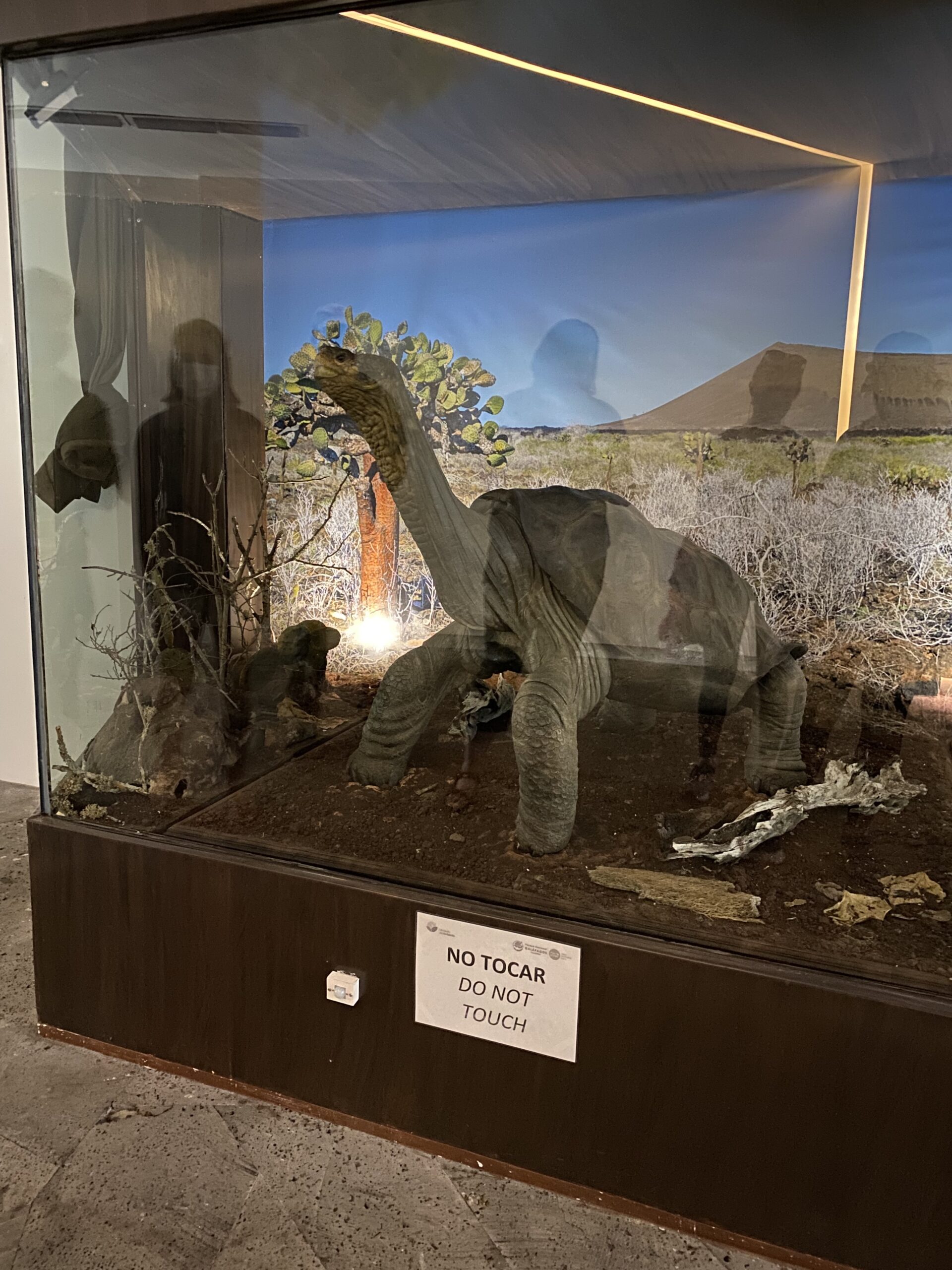
Our next island was Santa Cruz, which is known for the giant tortoises. We saw them both in a breeding center and in the wild, which is an incredible experience! The breeding center talked about how they actually raise them there for about the first twenty years of their lives. At that point, their shells haven’t fully hardened yet, and so they’re still vulnerable to predators, so the island takes care of them until they’re old enough to live on their own. We also saw a tortoise mausoleum for Lonesome George, who made headlines for being the last of his kind and being unable to breed and keep his species alive.

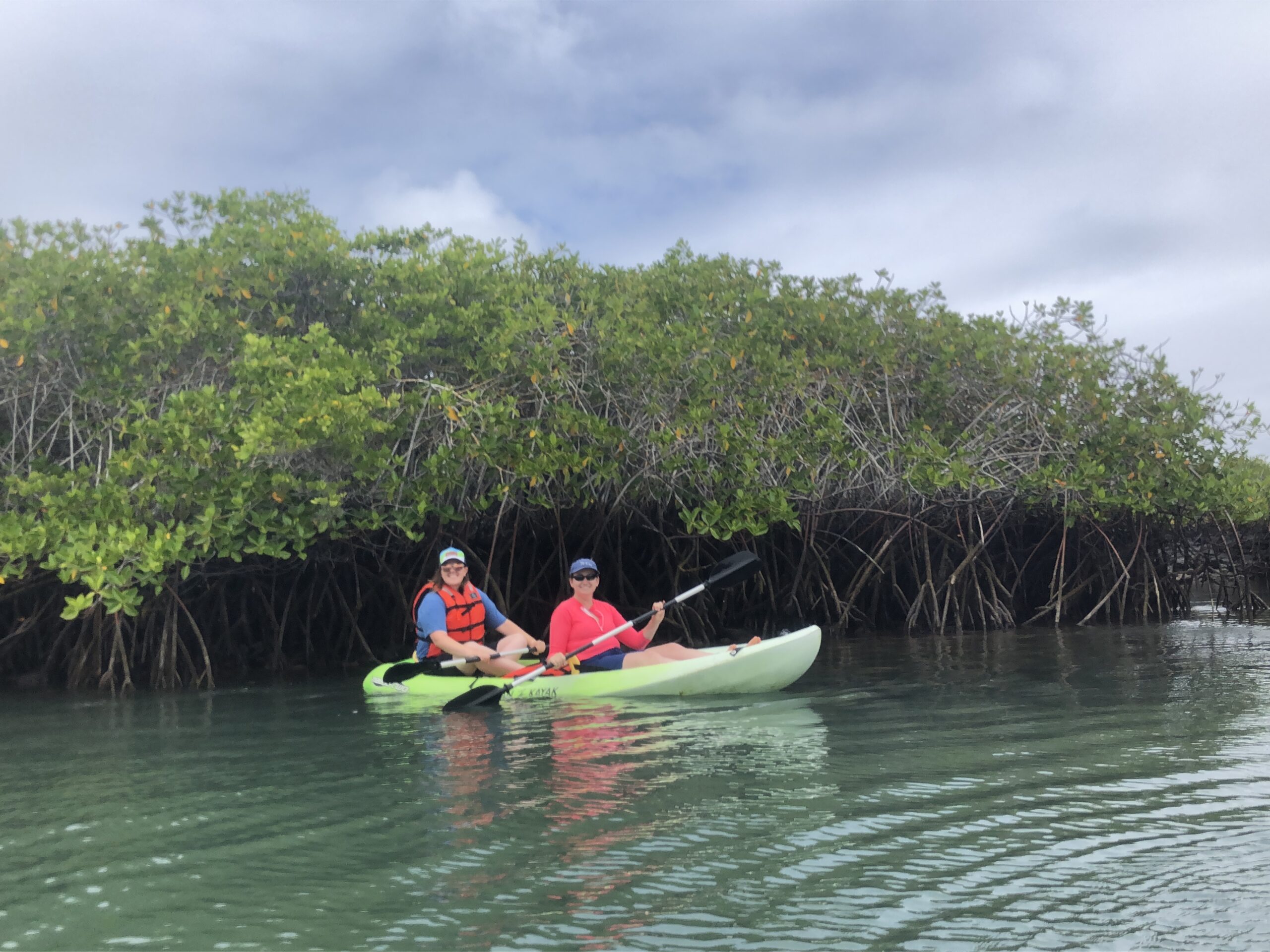
I also went kayaking for the first time on Santa Cruz! We went to a lagoon, and saw tortoises and even a ray leaping out of the water. Side note, didn’t know they could do that, and it was somewhat alarming. But kayaking was fun and super relaxing.

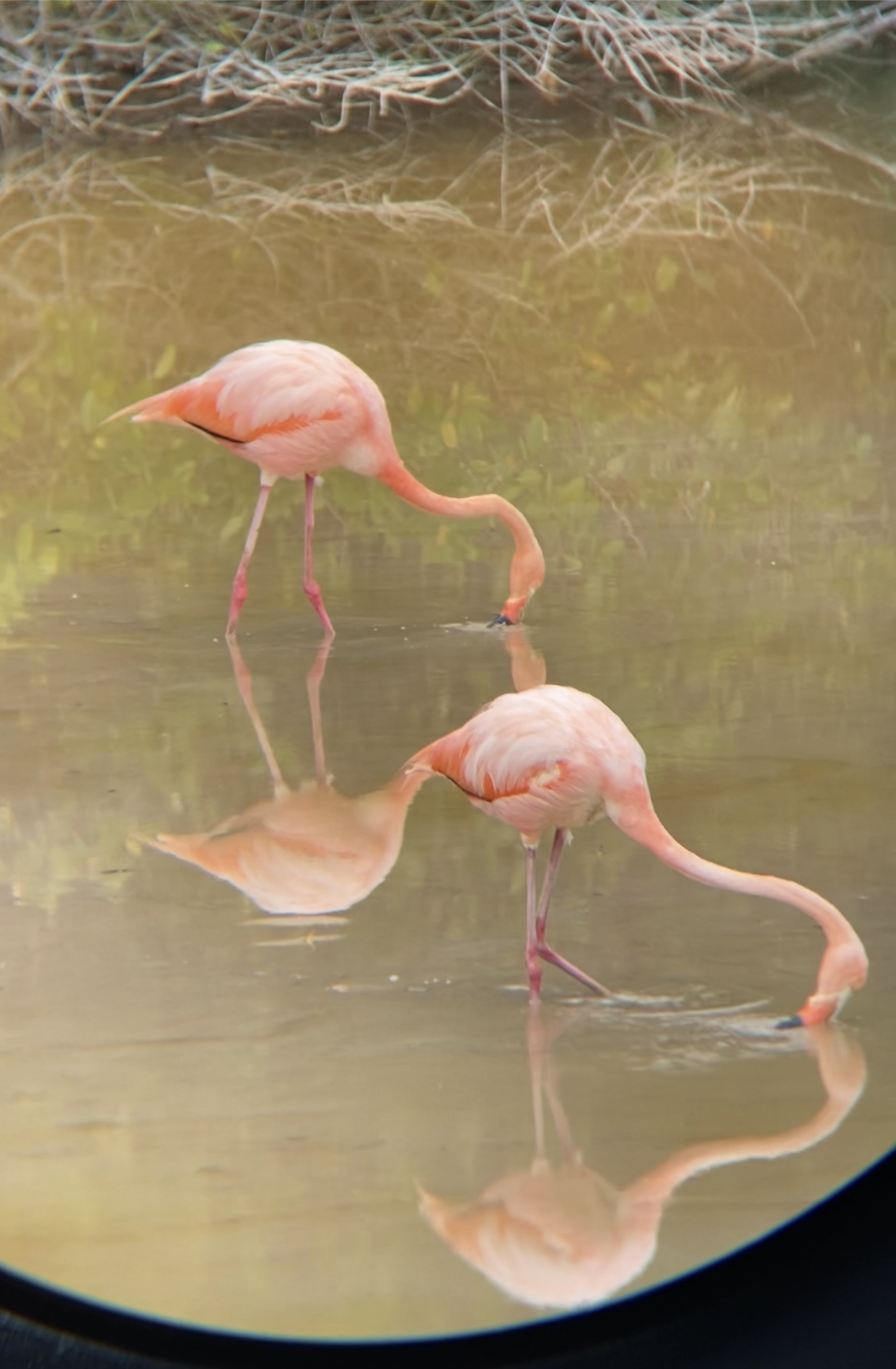
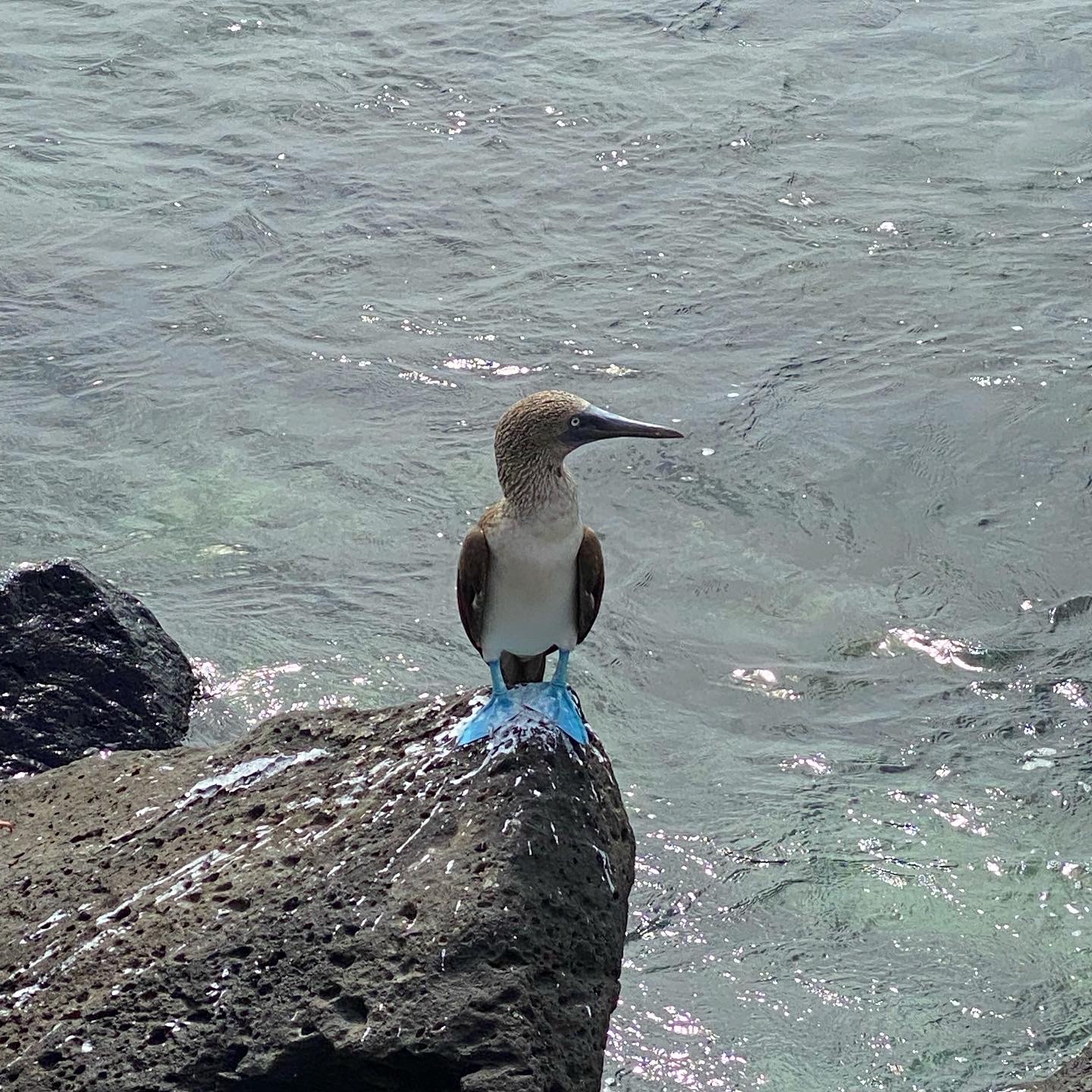
Our third and last island was Isabela. This was the source of our best bird encounters! I saw a flamingo in the wild for the first time, and we also went to a nesting site for the blue footed boobies. I even got to see them do their mating dance! It’s amazing to watch. The whole thing is focused on how blue their feet are, and they pick up their feet and shake them at potential mates. One also picked up a stick and started whistling. Their feet really are shockingly blue. It doesn’t look like something that should be possible in nature.

The place we snorkeled here had so many sea turtles, and we got to swim right next to them. We also saw quite a few reef sharks. They’re mostly very shy, and wanted to swim by us very quickly to get to their caves. I did get a video of one though!

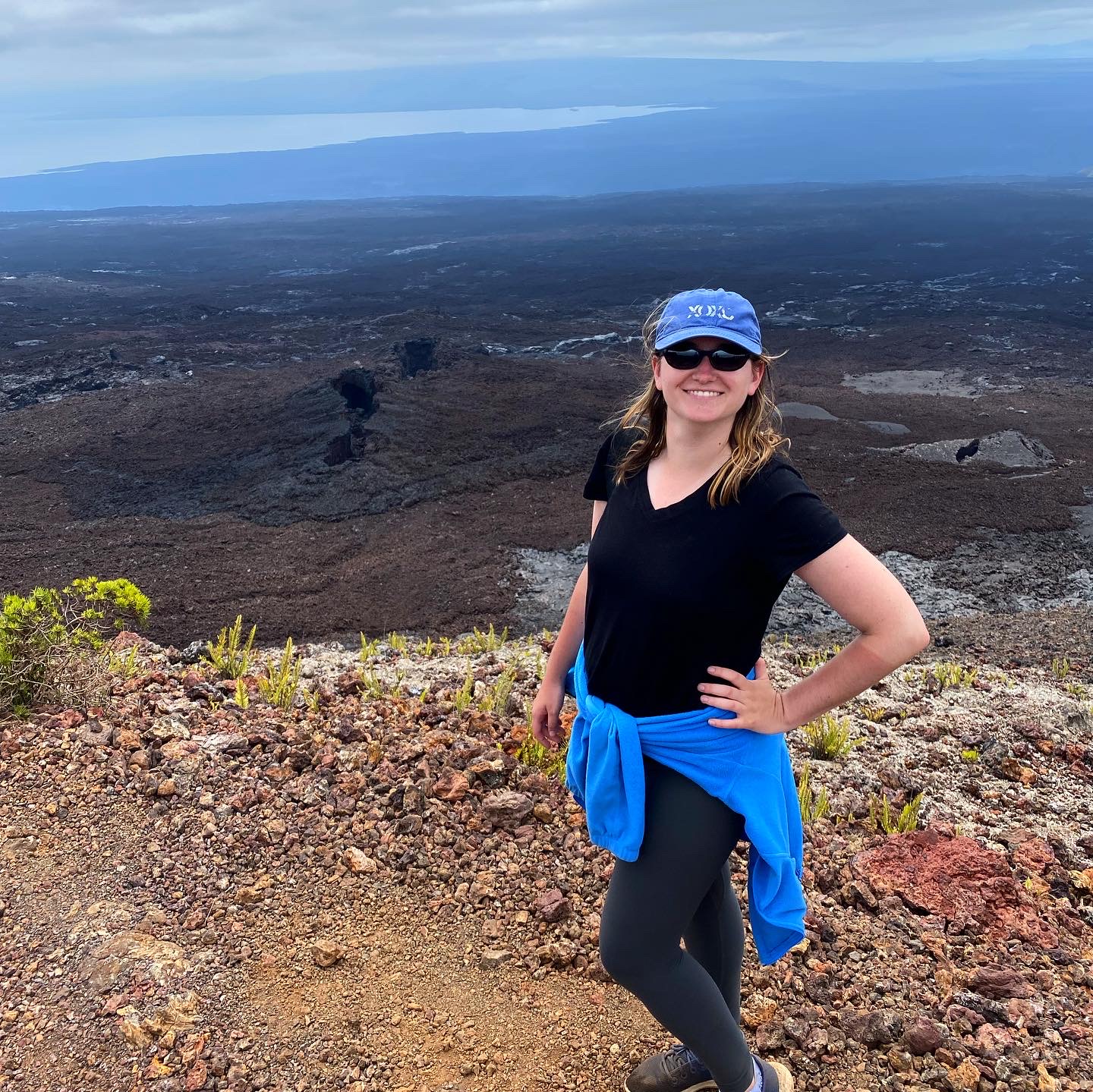
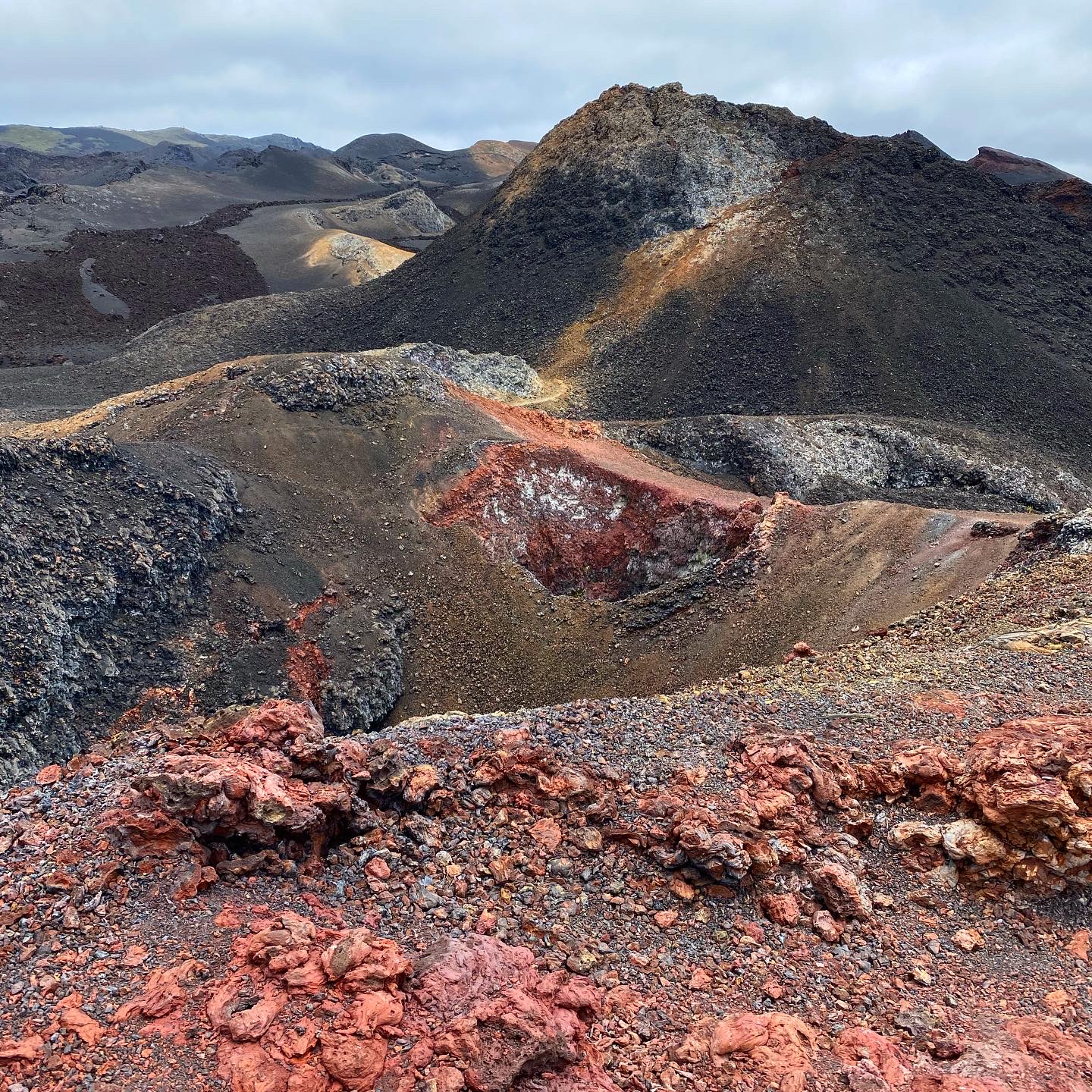
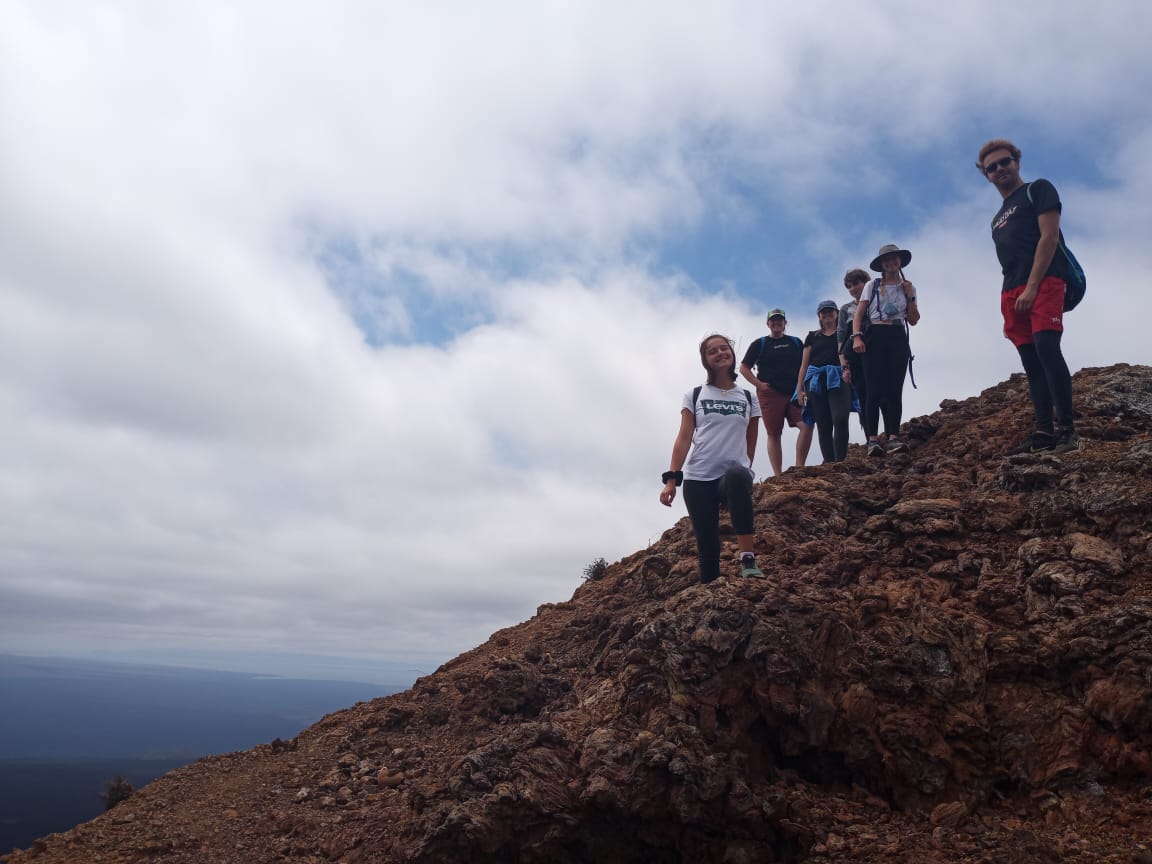
We also went hiking into a volcano, the Sierra Negra. Once again I regretted my lack of hiking boots on this trip as I slipped through the mud. But it was so cool to go through the volcanic rock and see all of the rock formations down at the bottom. I got extremely sunburned on this day but it was still a great hike.

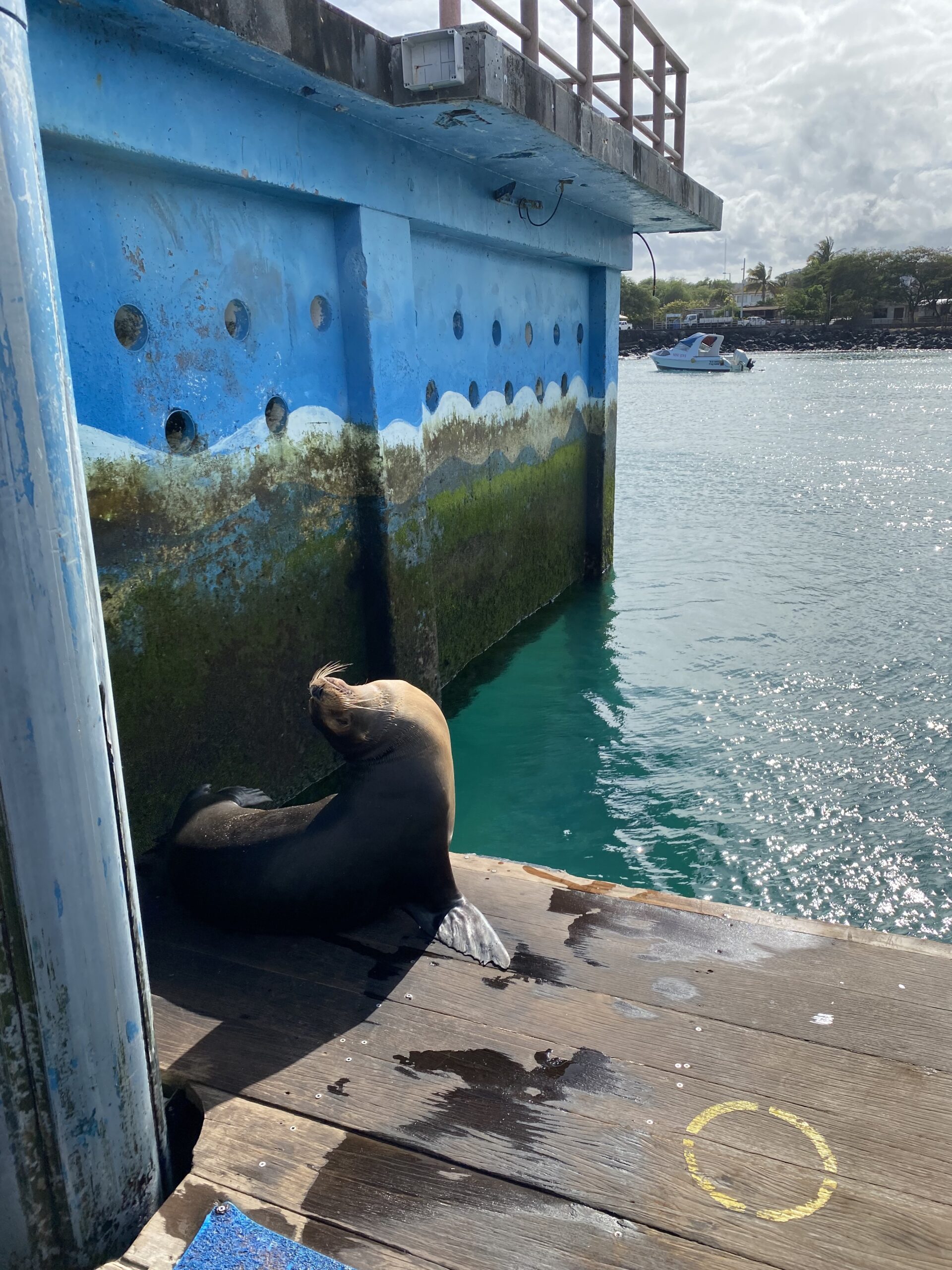
I didn’t want to go home at the end of our week there. I just wanted to stay and sit on the beach and watch sea lions sunbathe on rocks, but all good things must come to an end. If you’re going to Ecuador, be sure to visit the Galápagos!

Categories
Ecuador South America

Quito: The Middle of the World

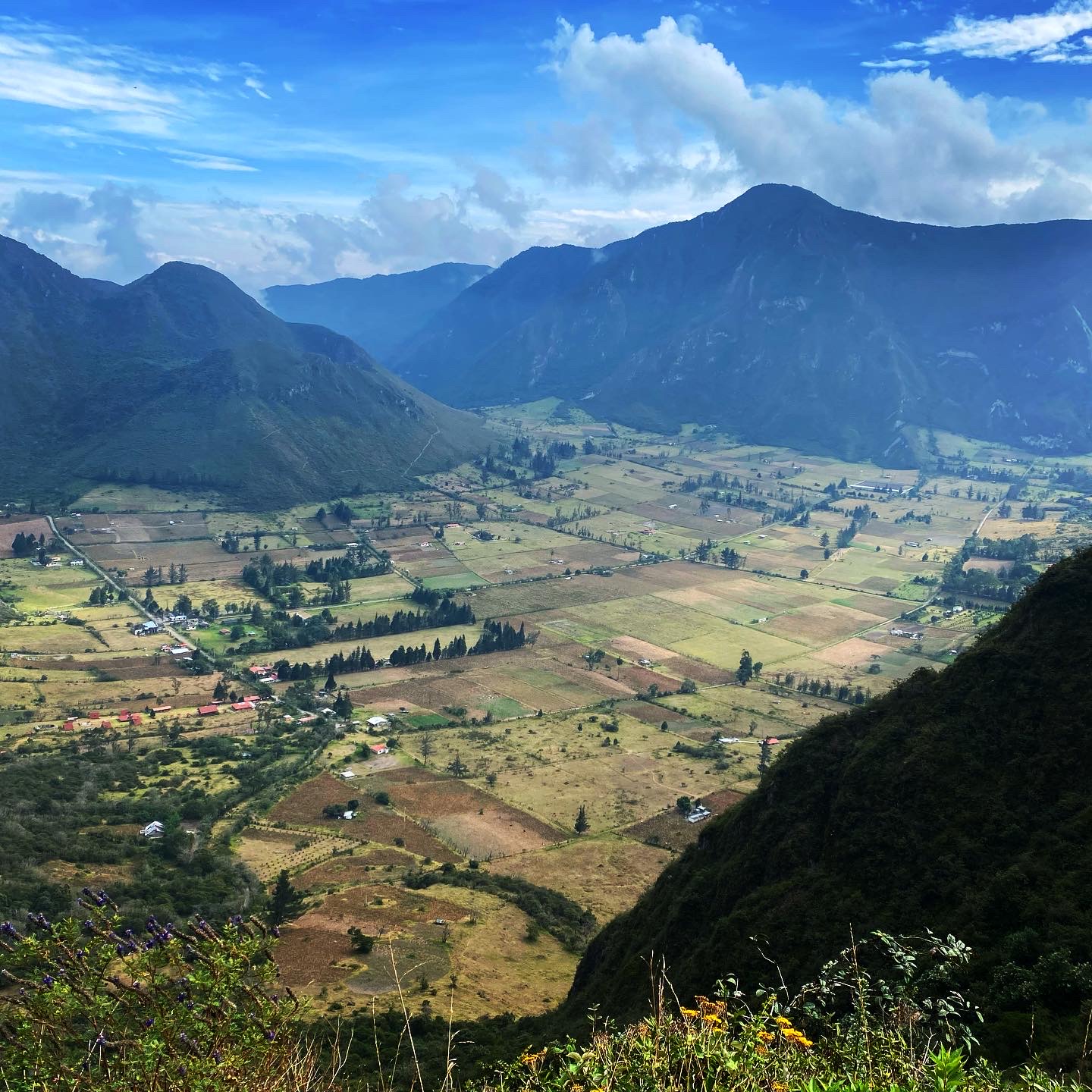
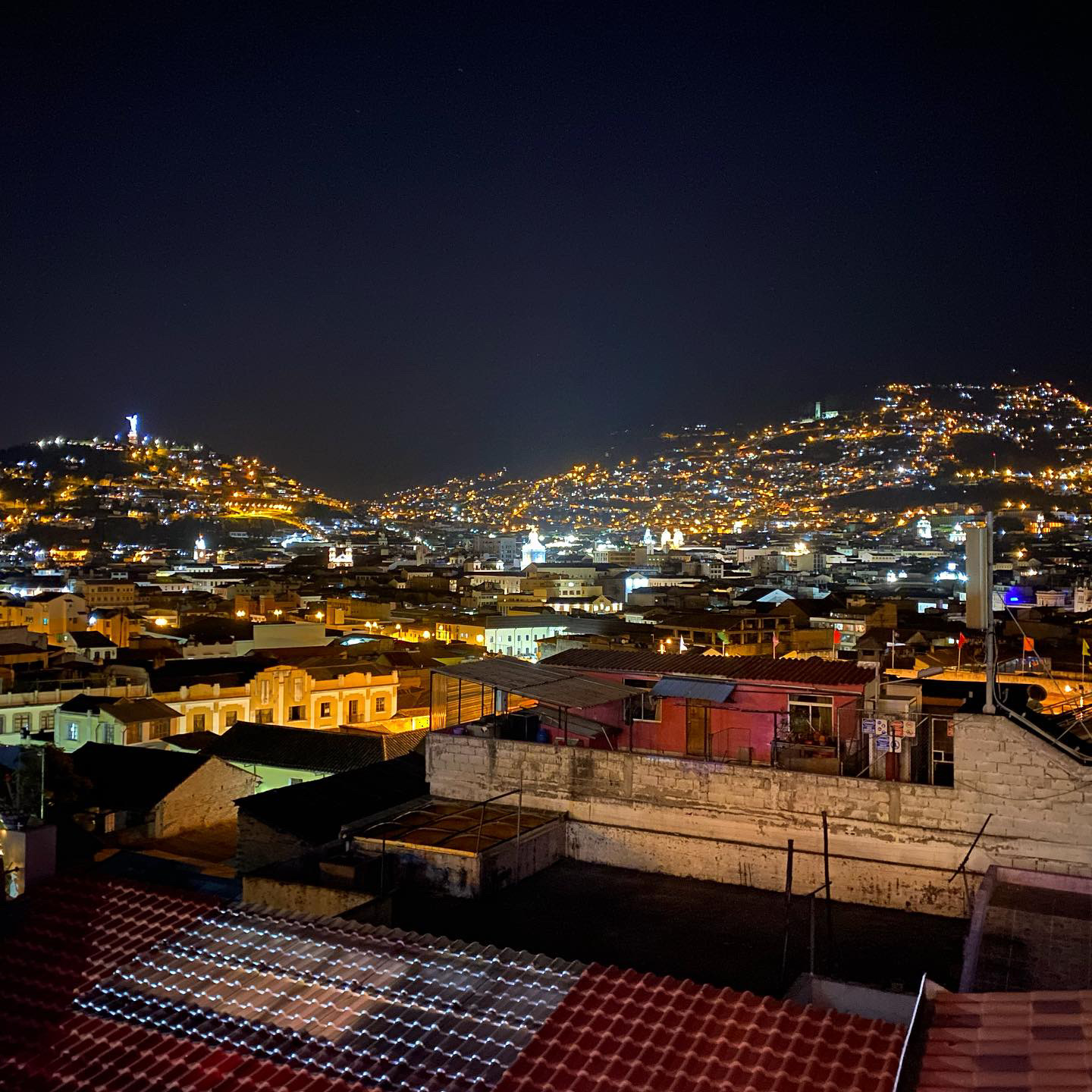
Quito is a much larger city than I’d expected. It’s also as hilly as San Francisco, except it’s at 9,300 feet so going up those hills feels much more exhausting. Still, after Cotopaxi, it was actually a decrease in elevation for me!

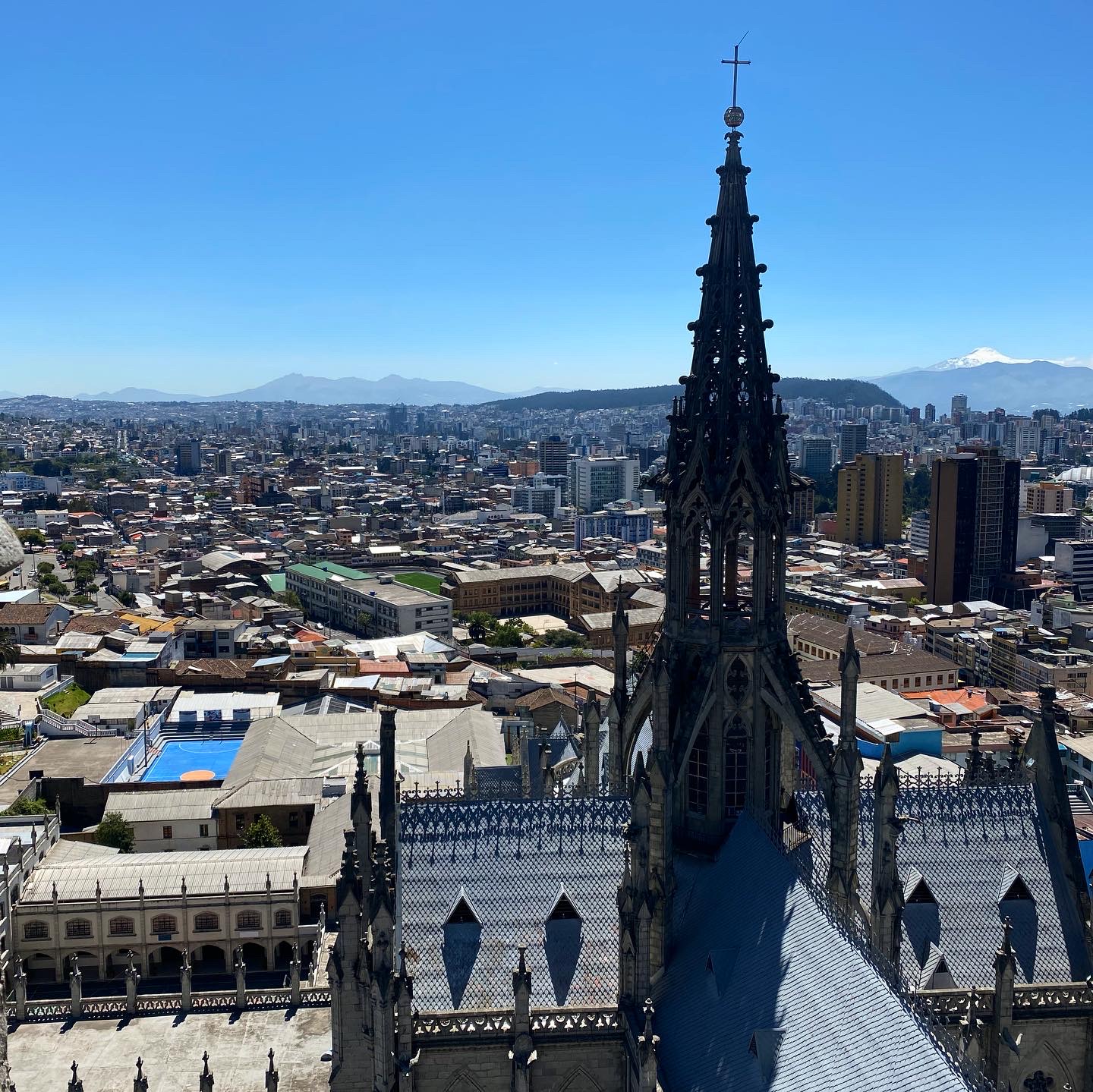
I got the chance to explore it for a few days before and after my Galápagos tour, and I had a great time. Becca and I climbed to the top of the Basilica del Voto Nacional, which had some stunning views of the city, and we also went to this amazing chocolate place called Indemini Baez where they showed us the whole process and let us try cacao at various stages in the process. I left with a lighter wallet and a lot of artisanal bars of chocolate, which was a good trade!

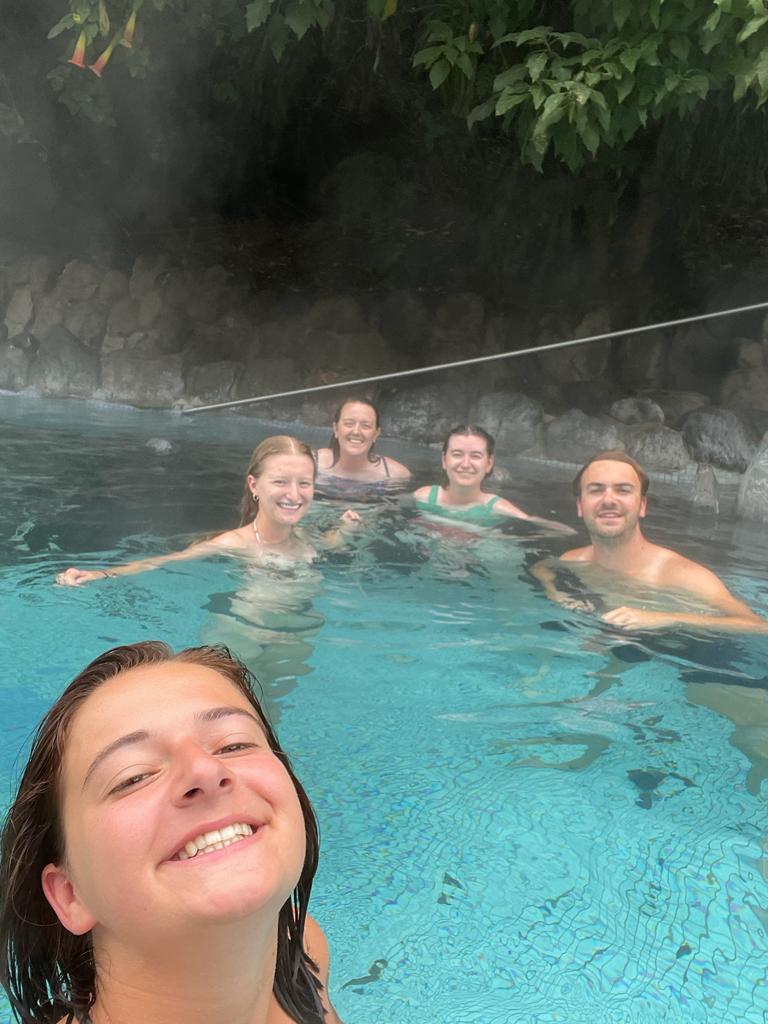
We did a fantastic day trip to Papallacta, which are these hot springs up in the mountains. There were hardly any tourists; only locals, which is how you know it’s a good find. Our friends from our Galápagos tour found out about it and let Becca and I tag along, and it was an incredibly relaxing day toward the end of our trip.

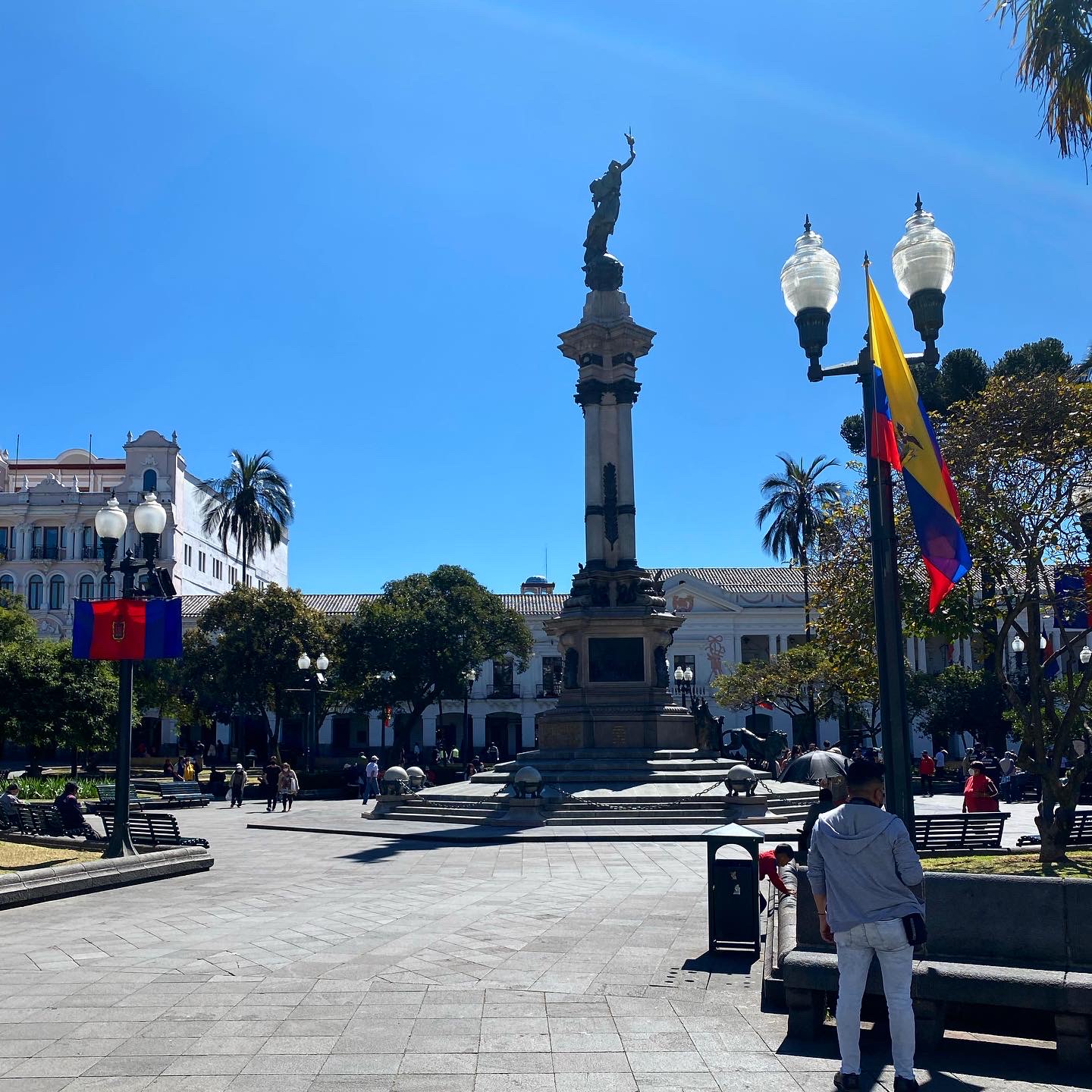
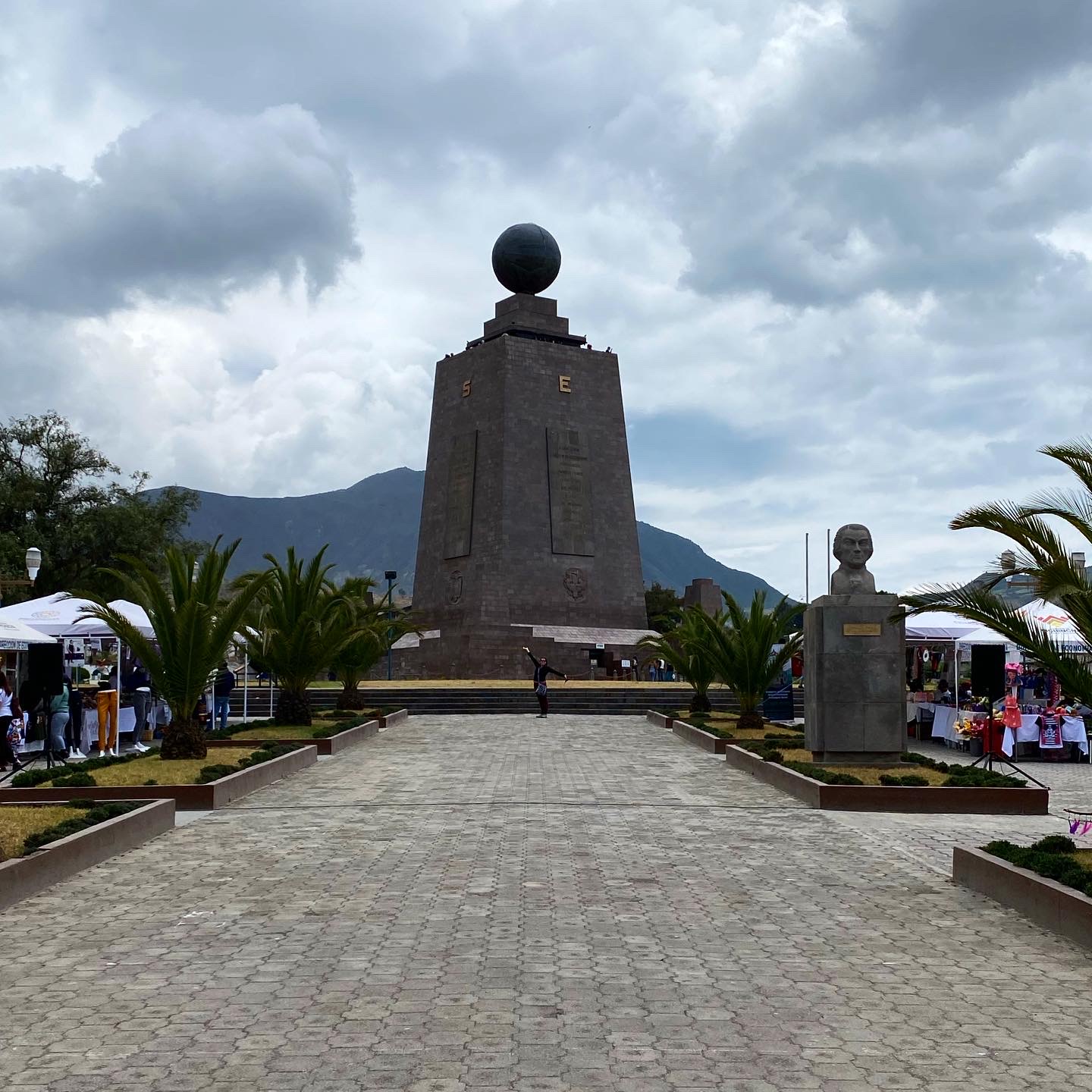
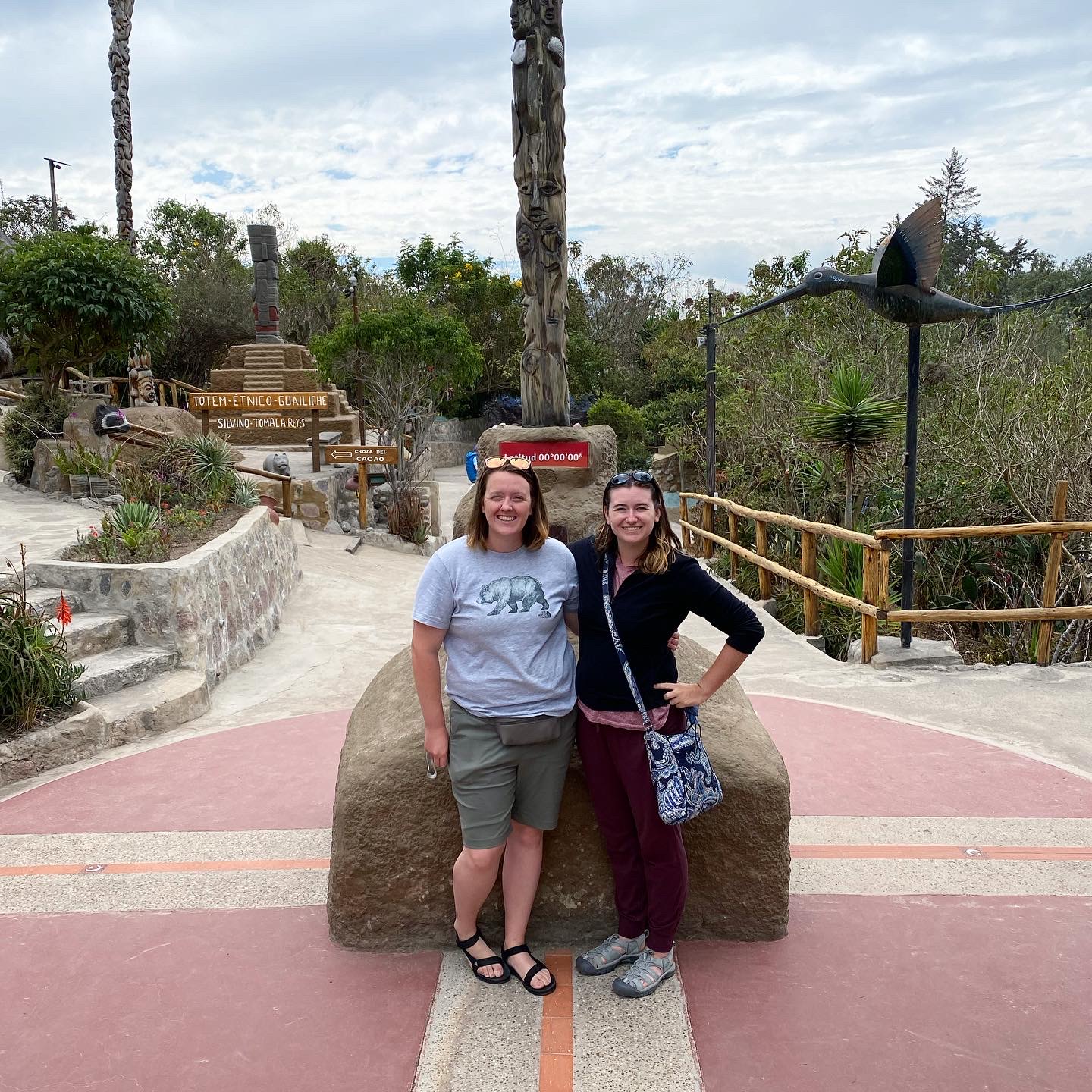
We also went to the equator monuments! Yes, I know they’re touristy, and I don’t care. Honestly, I really enjoyed the fact that they had dueling monuments. The one in the picture above is the big fancy one, that the government funded and they spent a lot of money on. And they set it all up there, and then they used GPS to figure out that the equator wasn’t actually there. Oops.

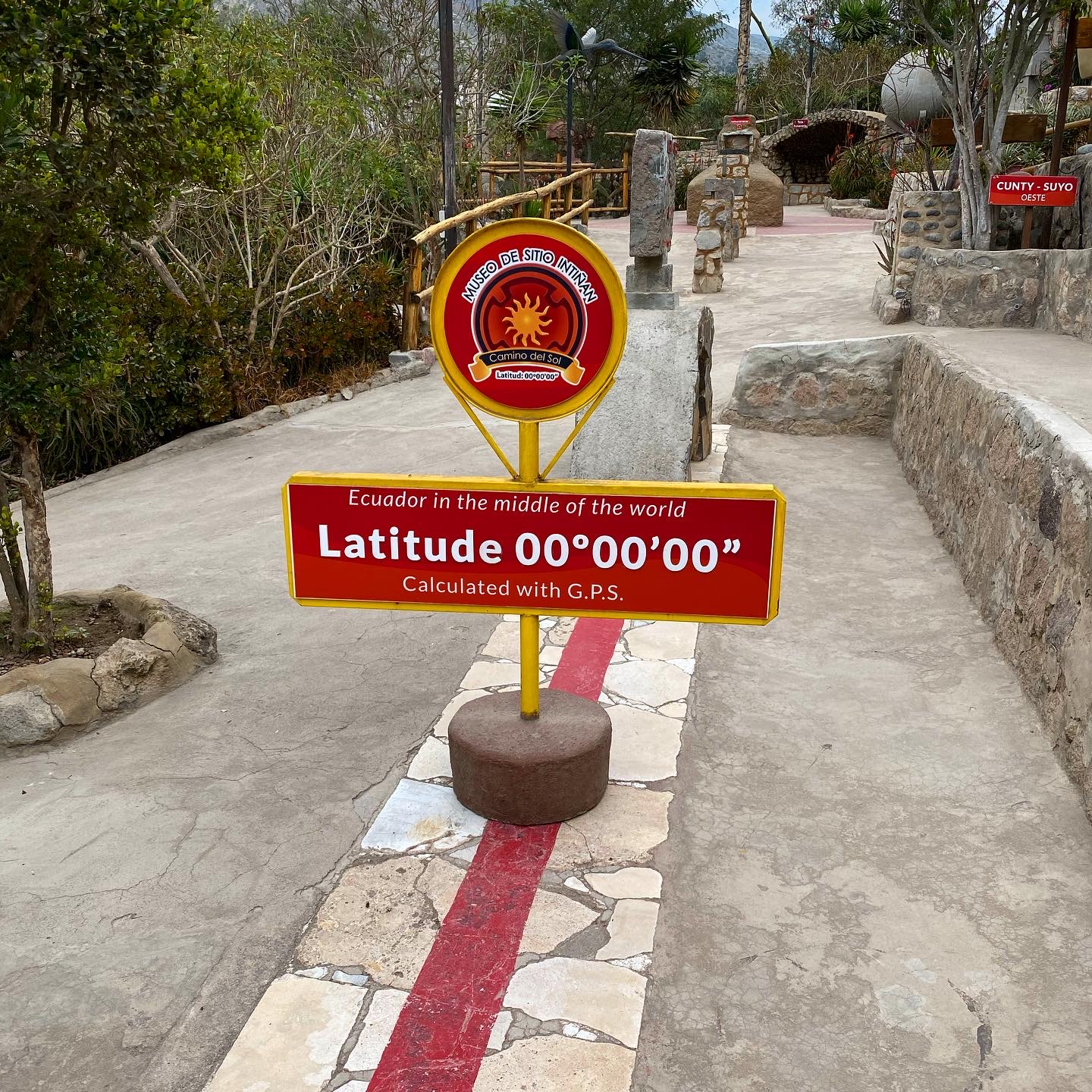
So they created this second monument and museum, which is at the site of the “real” equator, and advertises that in a delightfully passive aggressive manner. They also have experiments where they show you the differences of water going down the drain on each side of the equator and other similar scientific effects. They also have a fairly campy museum about Ecuador and the different regions, and it has what is truly the worst taxidermy I have ever seen.

Quito was an unexpected delight. I was so focused on the other parts of my trip that I overlooked it a bit, but I have some great memories from my time there! There are of course many wonderful parts of Ecuador to visit, but Quito is worth exploring.

Categories
Ecuador South America

A Hobbit House in Cotopaxi

As I planned my international travel for the year, I looked for countries that were accepting proof of vaccines without requiring additional testing and where I could do lots of outdoor activities. It led me to Ecuador! This wasn’t initially the first place I was planning to go in South America, but it was absolutely incredible and makes me so excited to explore more of the continent.

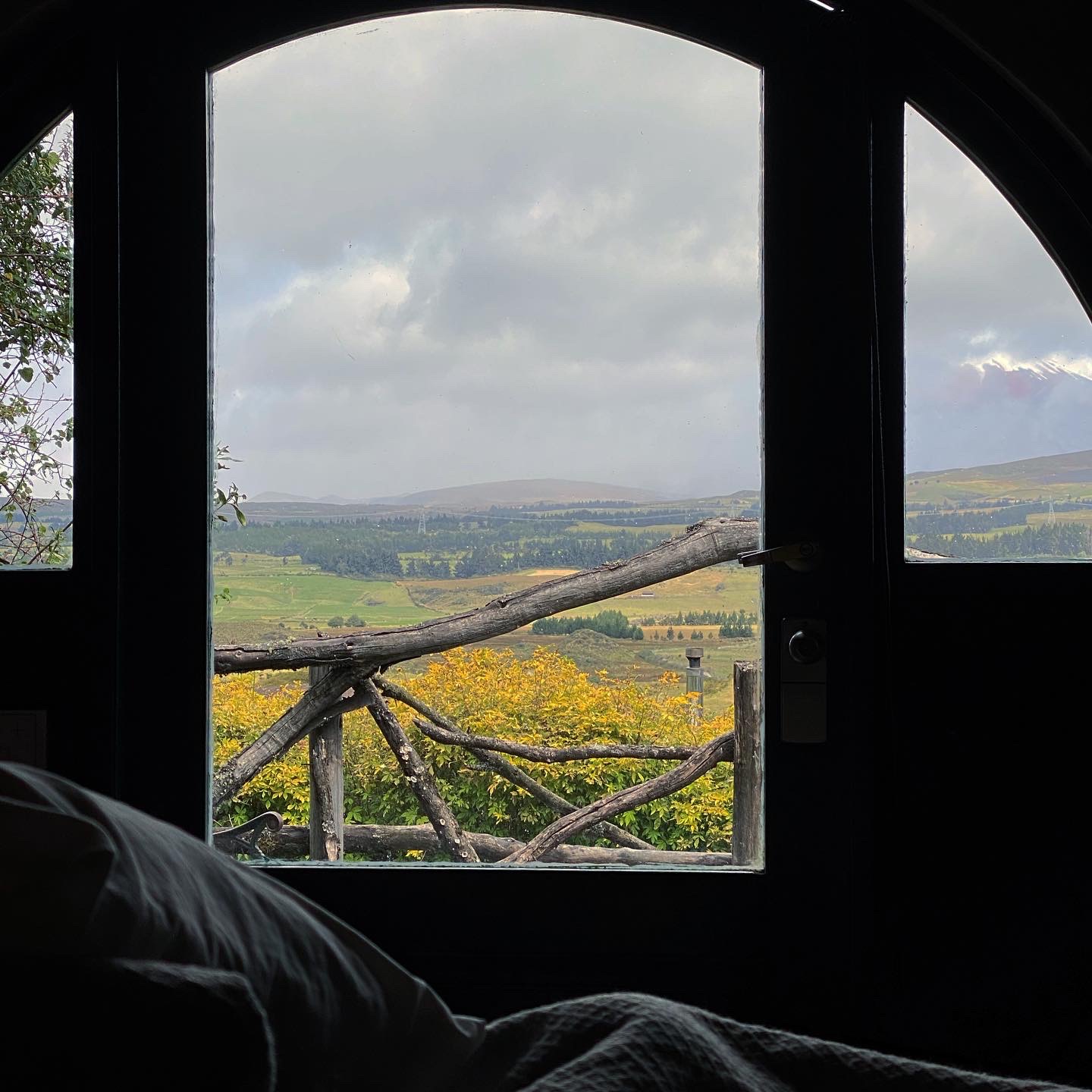
I started my trip with four days at the Secret Garden Cotopaxi, which is a beautiful hostel near Cotopaxi National Park. They had amazing reviews online, and after spending time there, I can see why! It’s possible to book it as a shared dorm, but they also have hobbit houses that you can book. That’s what I went with, and the views were absolutely incredible. In the photo above, it’s a bit cloudy, but on a clear day it’s possible to see the full volcano from the bed.

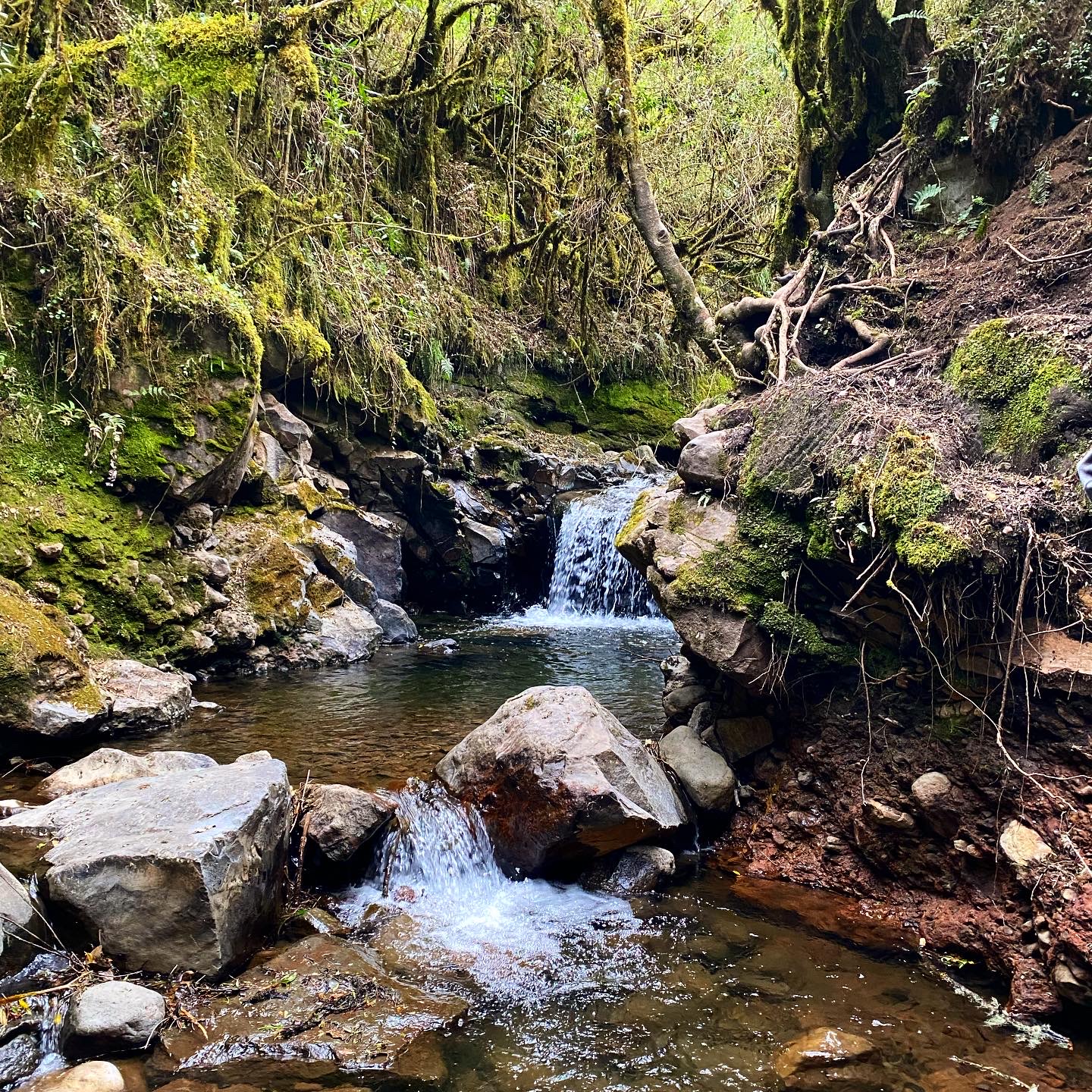
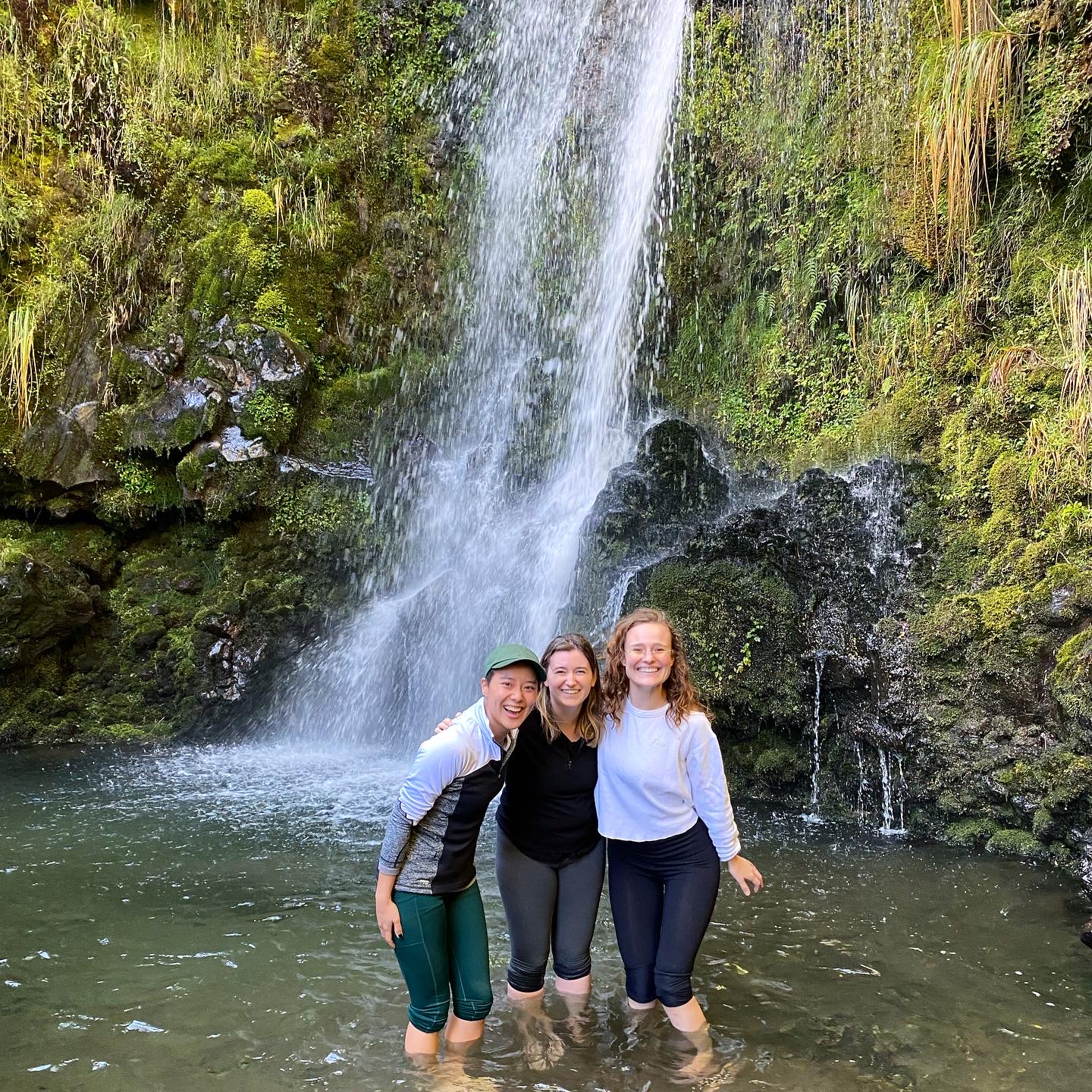
They have a few included activities, like the waterfall hike above (the water was frigid!) and another hike that we didn’t do. Then they help set up other activities, like horseback riding through Cotopaxi National Park and a hike on Cotopaxi. The meals are all included as well and then there’s alcohol for purchase. We played a lot of drunk Uno and sat around the fire and had an amazing time.

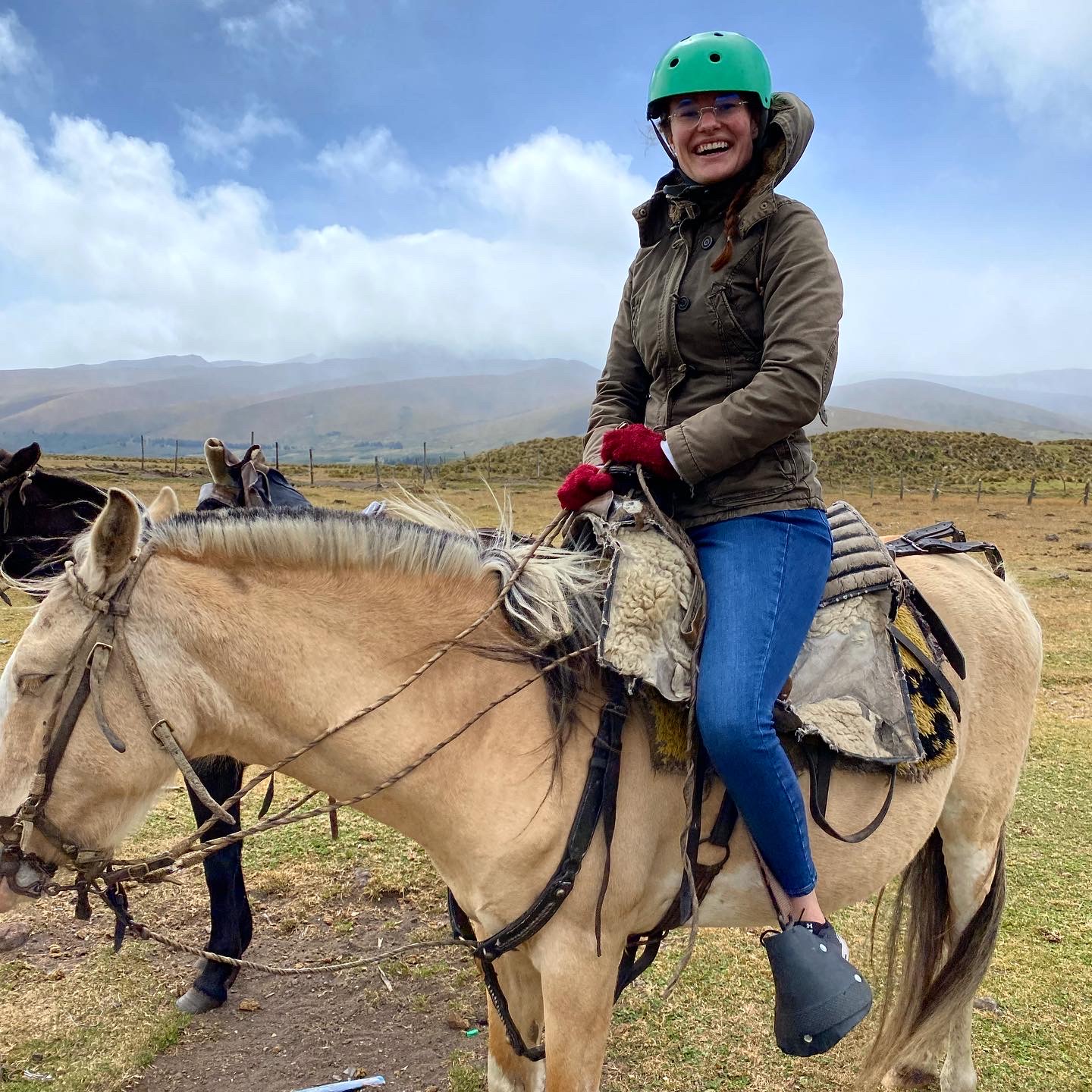
Horseback riding was an adventure, mostly because I hadn’t been in over ten years and when our guide asked if we had experience, Brooke and Christine happily said yes. Let’s just say my horse wanted to go faster than I wanted to go for almost the entirety of the outing, but the scenery was absolutely stunning. Throughout the trip, I was impressed time and time again with Ecuador’s commitment to preserving their nature. I never saw a single piece of litter. Cotopaxi National Park was immaculate.

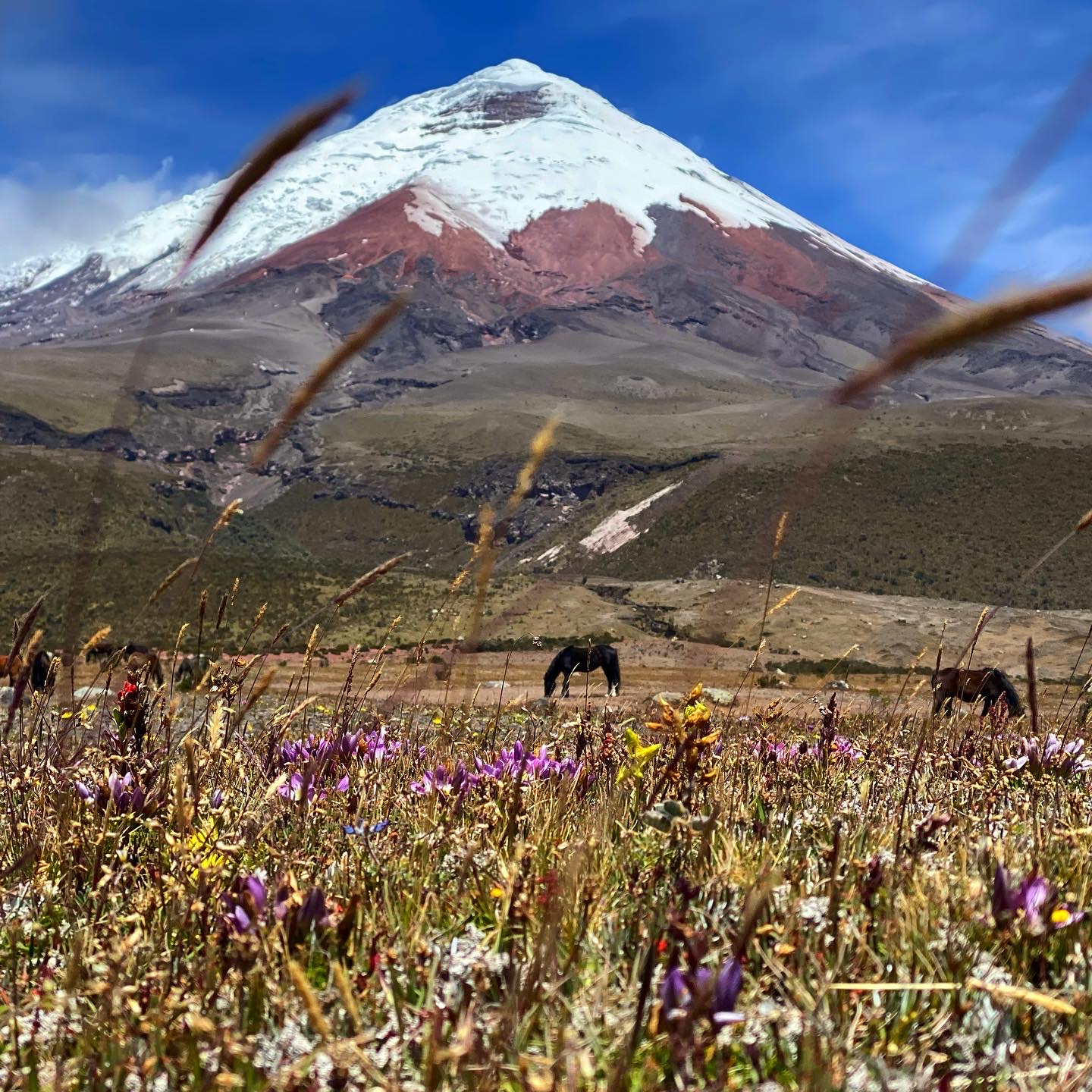
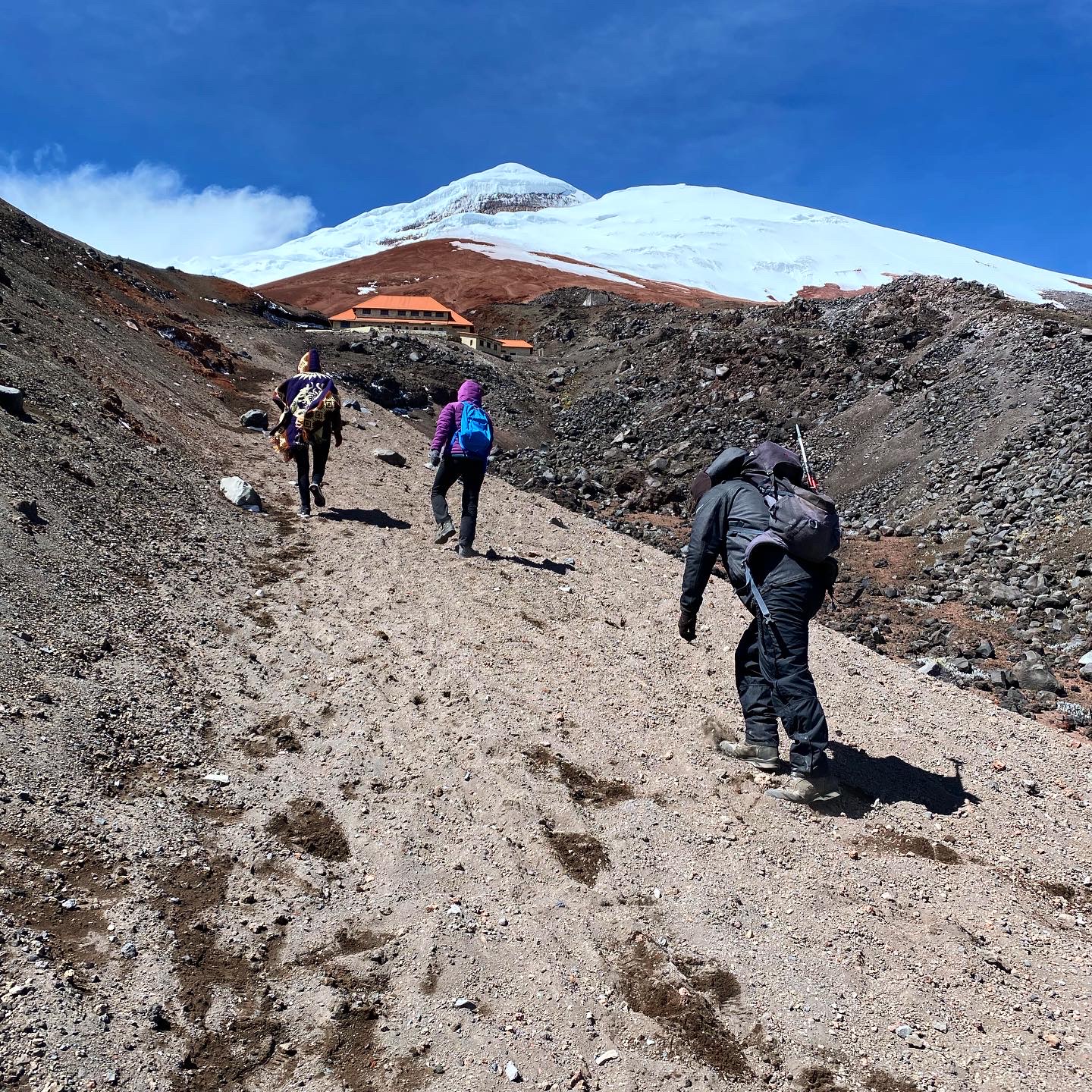
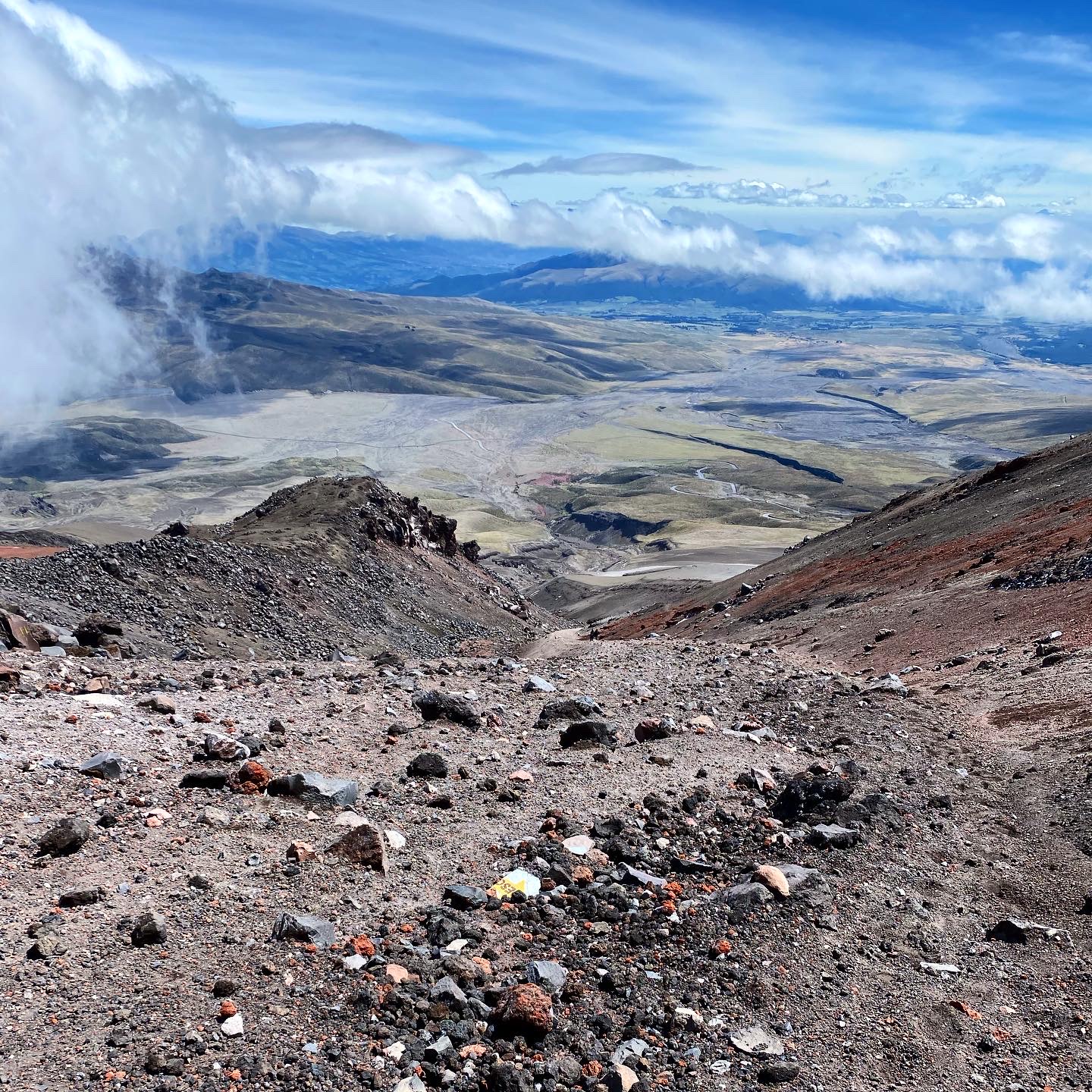
Our next day was our hike on Cotopaxi! We met other people who were hiking all the way to the top, which is a crazy endeavor that requires ice climbing and starting the ascent at midnight, but we just spent a few hours on the mountain. We started at 15,000 feet, which was already a higher elevation than I had ever been at, and hiked up to 16,000. The air was so thin up there. I should’ve brought hiking boots, as my sneakers were entirely inappropriate (especially for the descent), but live and learn. It was some of the coolest views I’ve ever seen. Truly, if you’re in Ecuador, I can’t recommend the Secret Garden Cotopaxi highly enough!