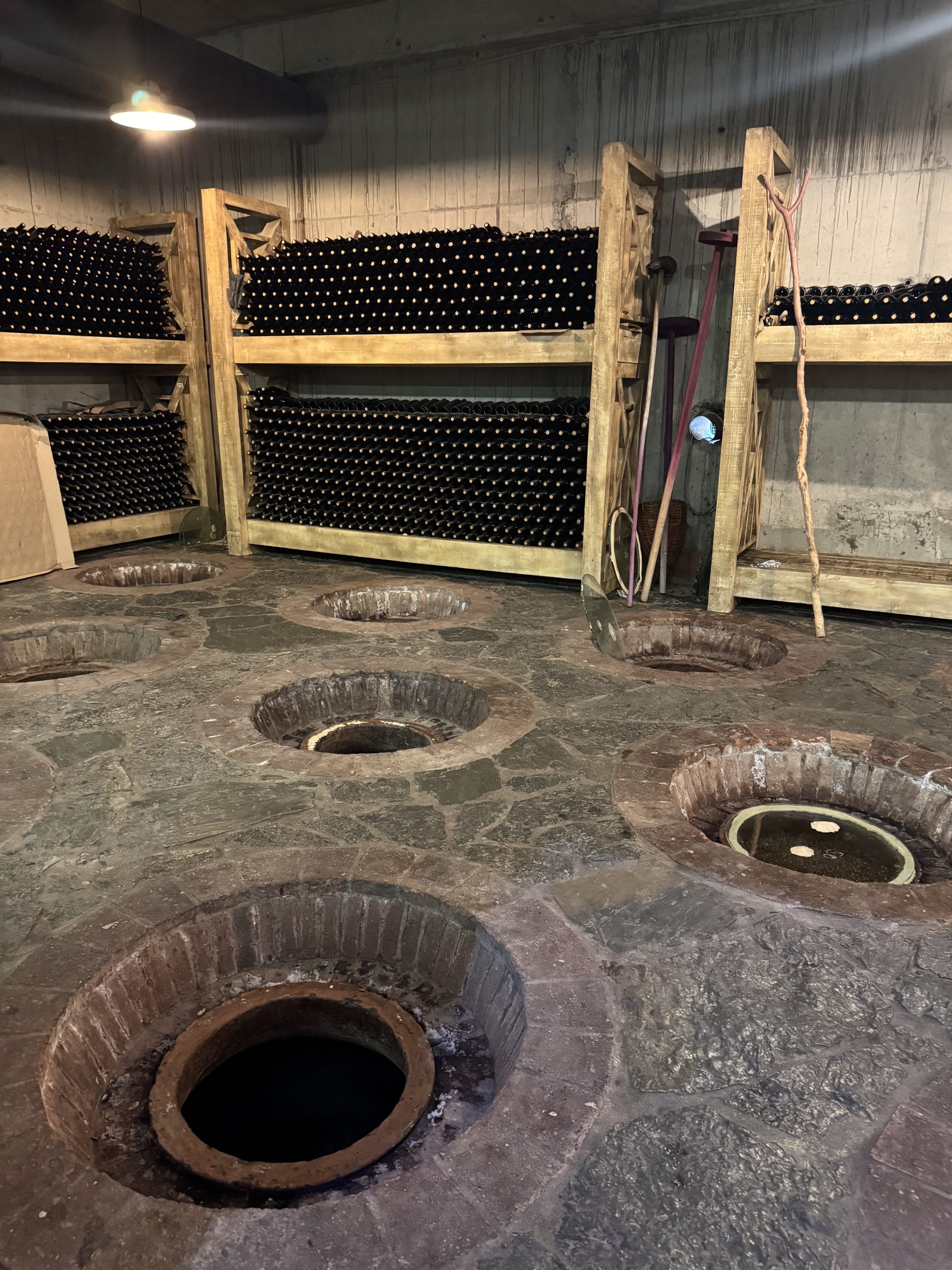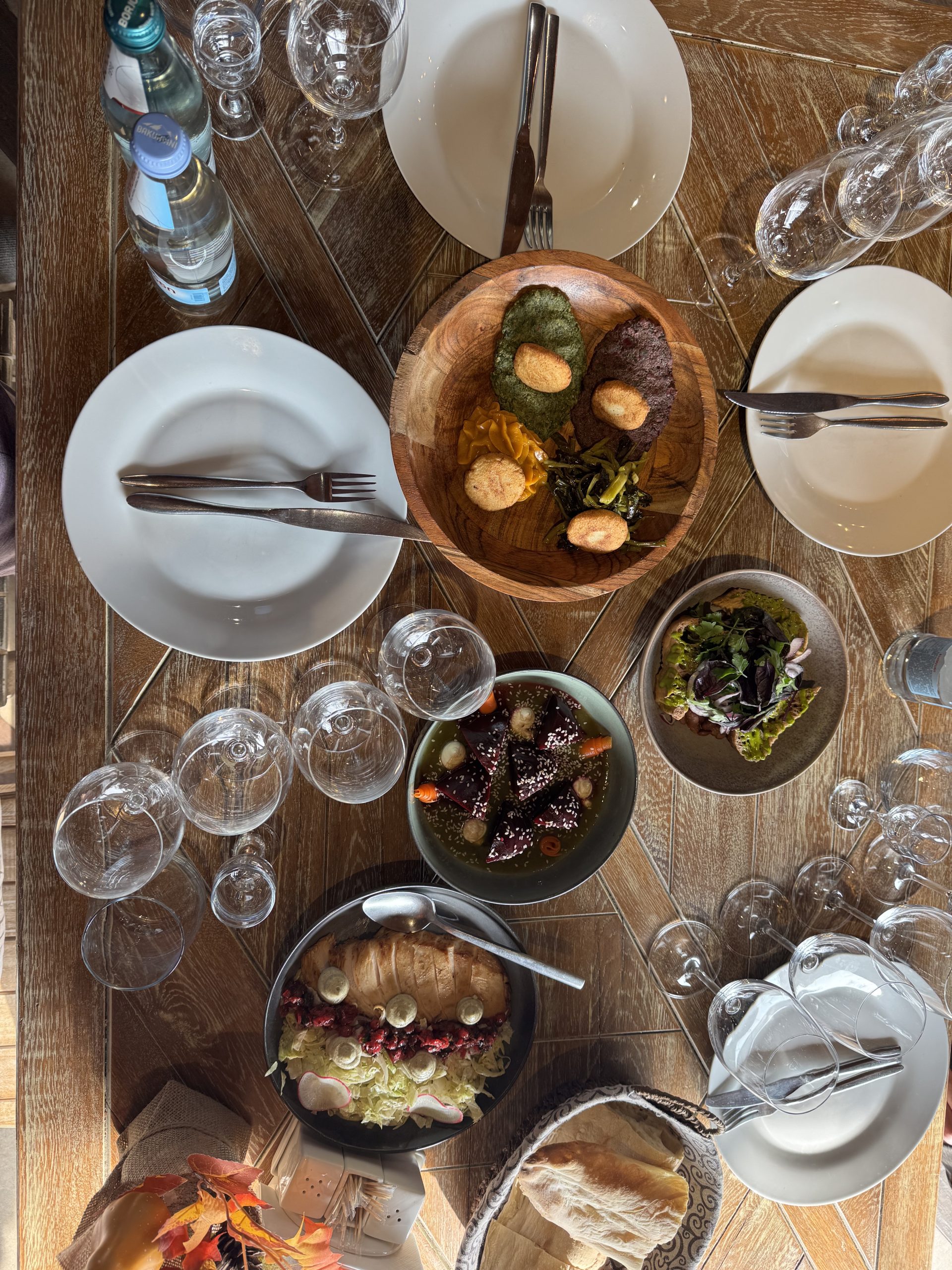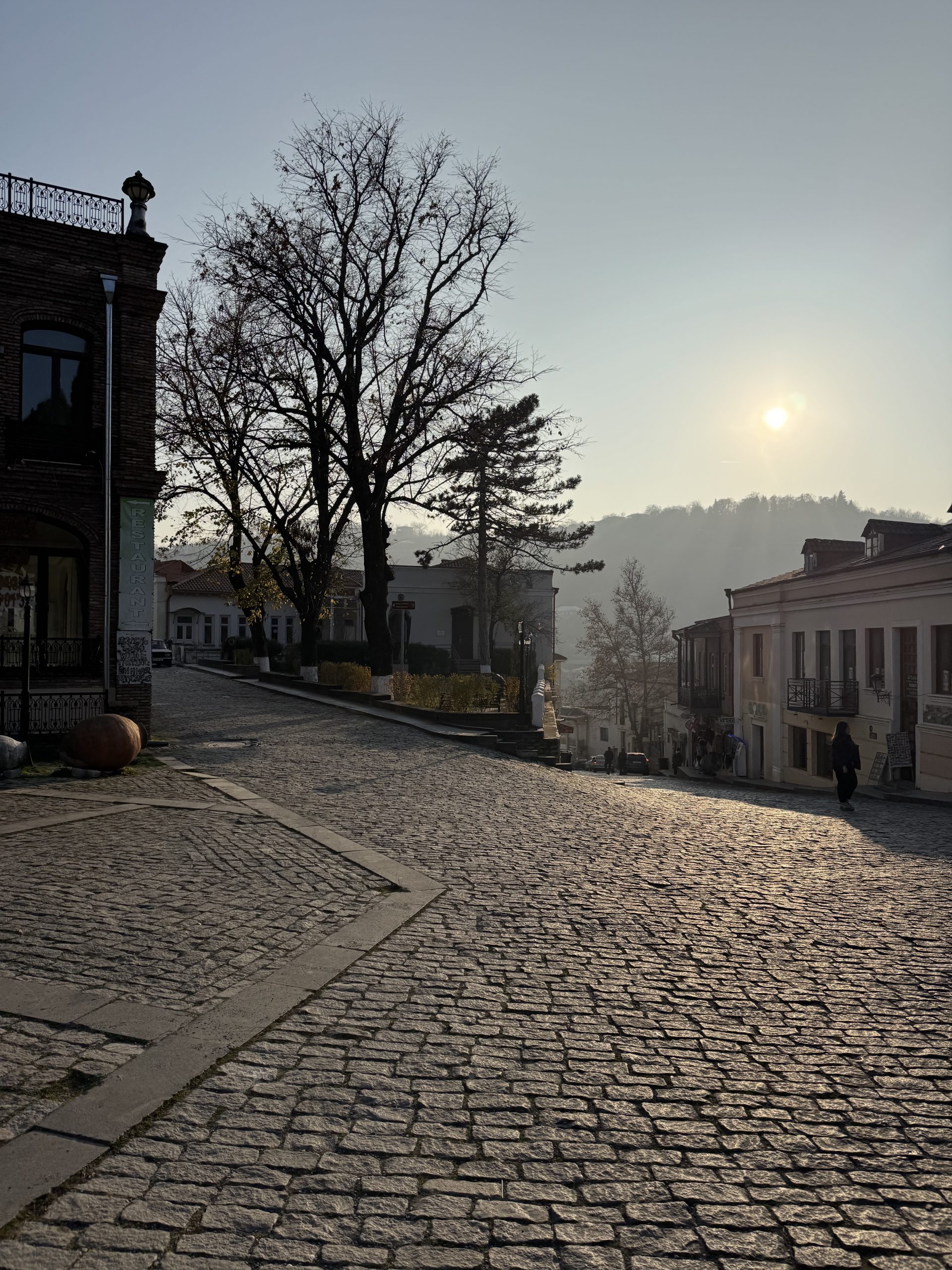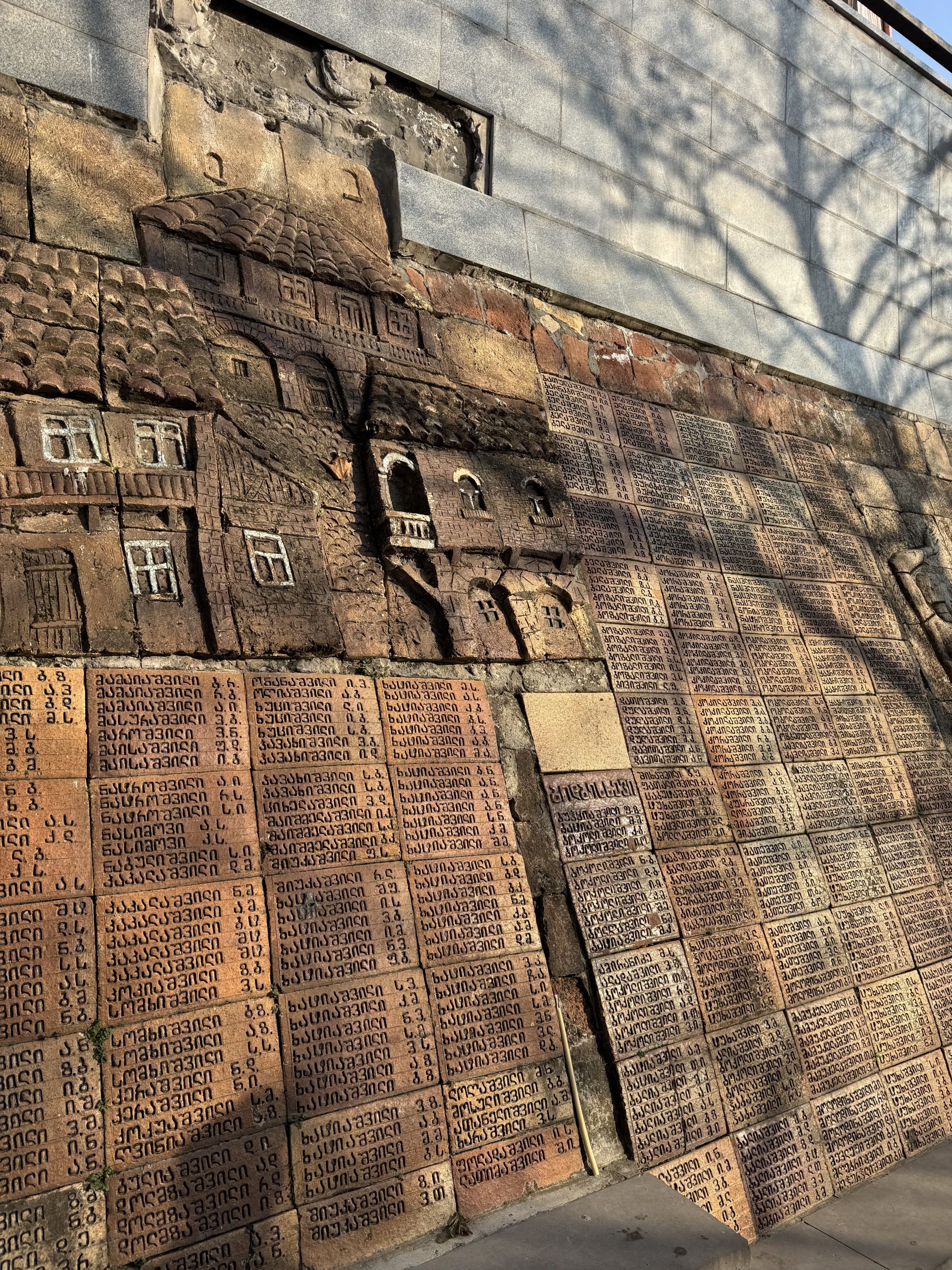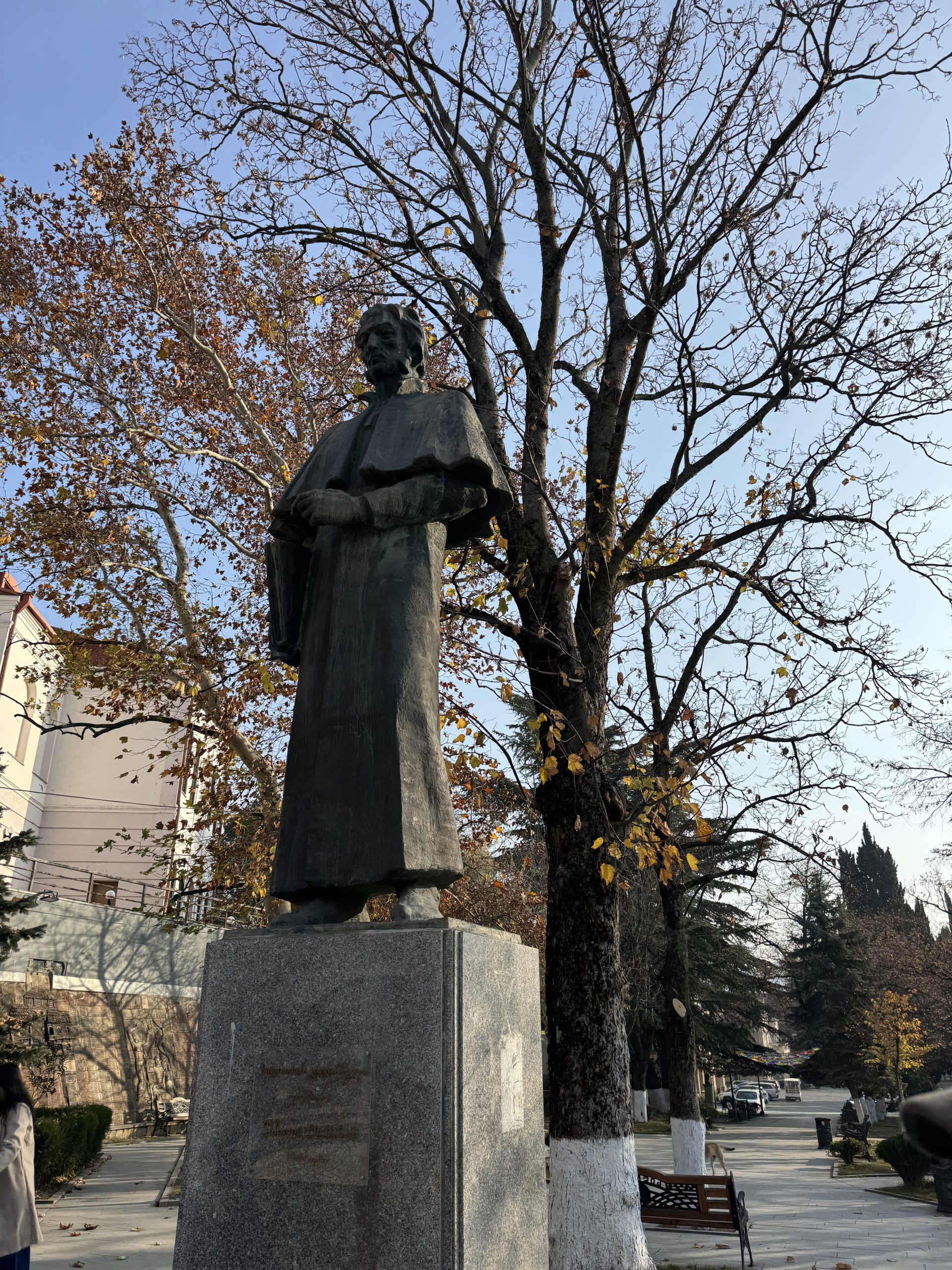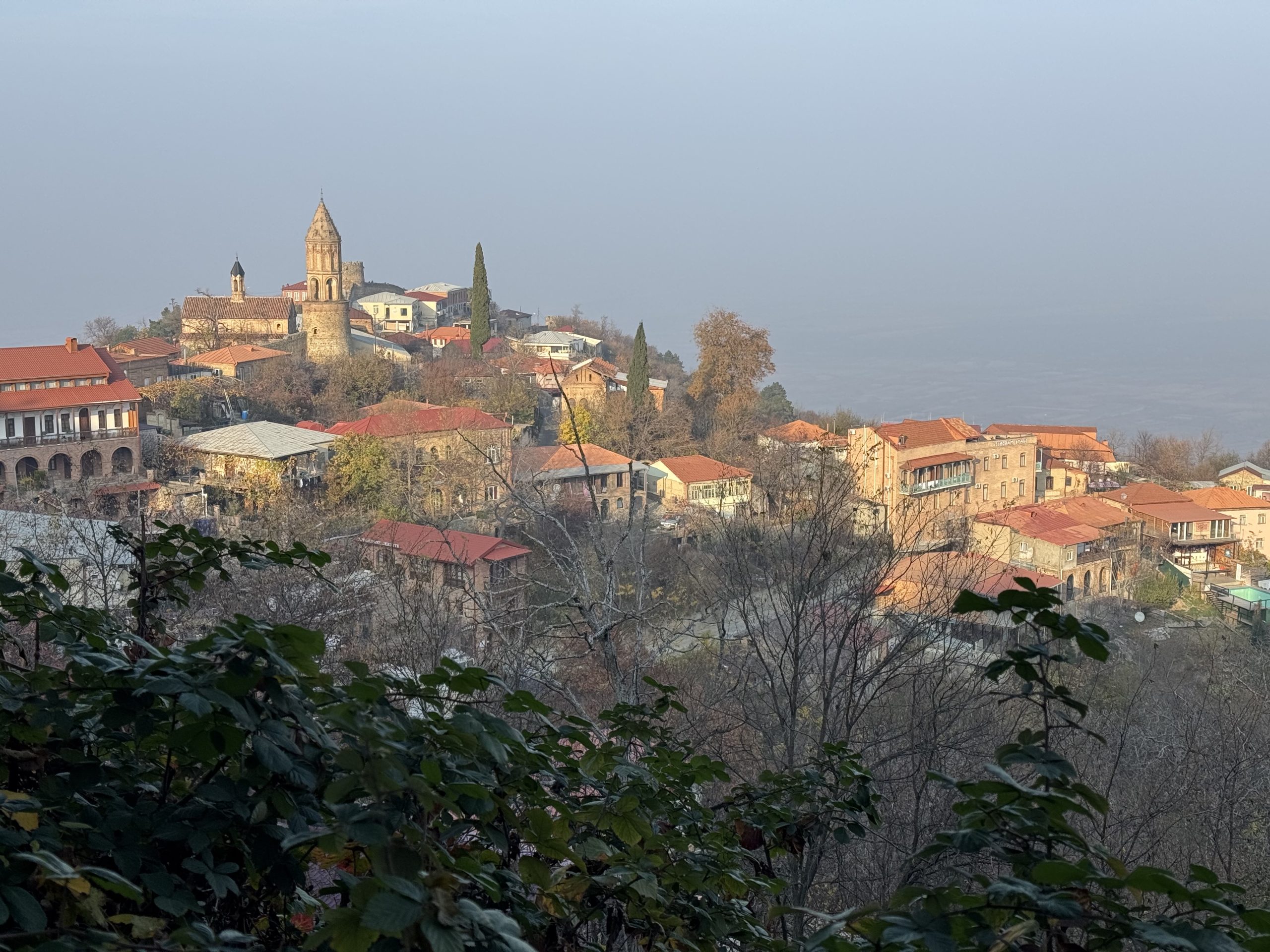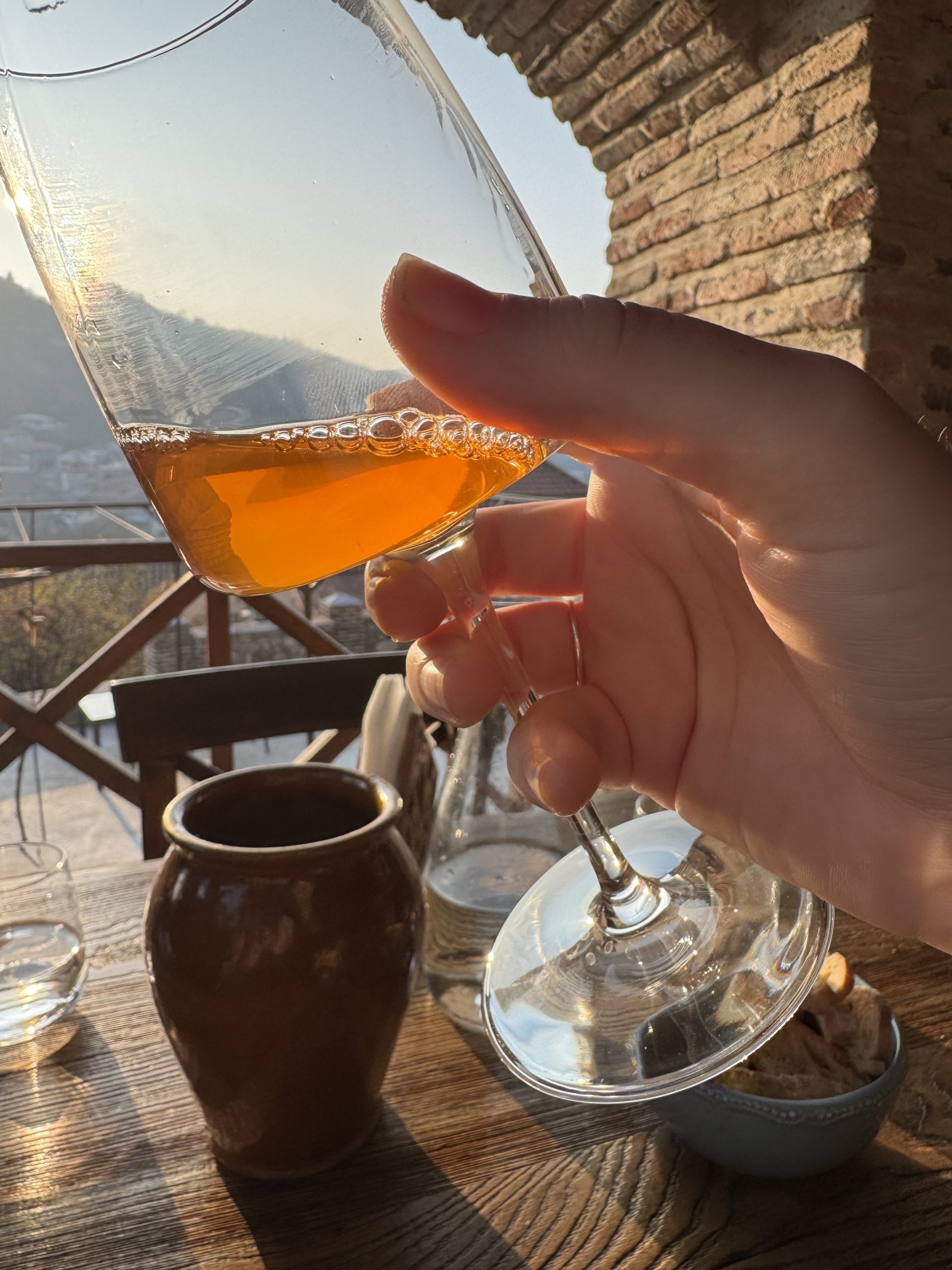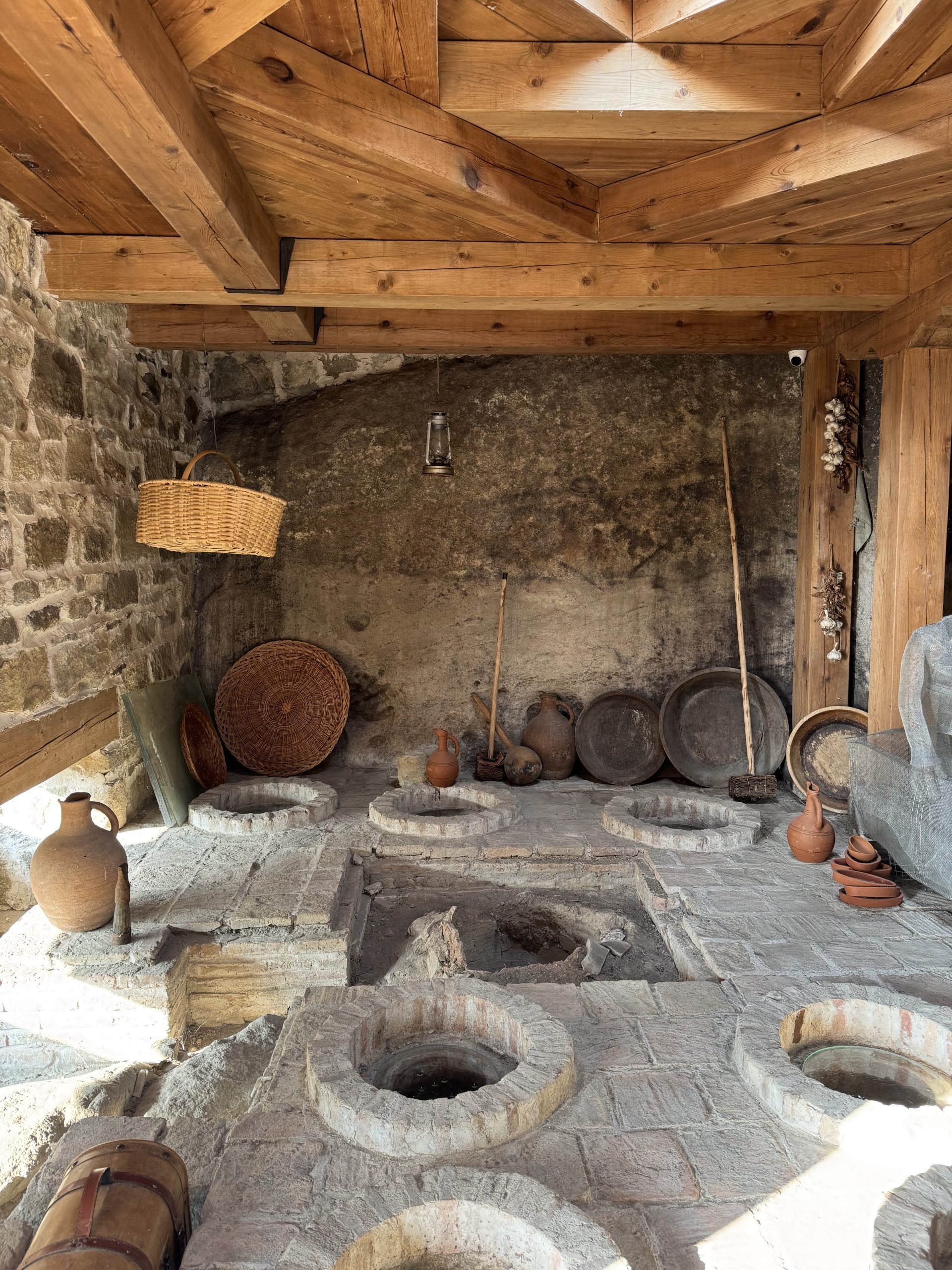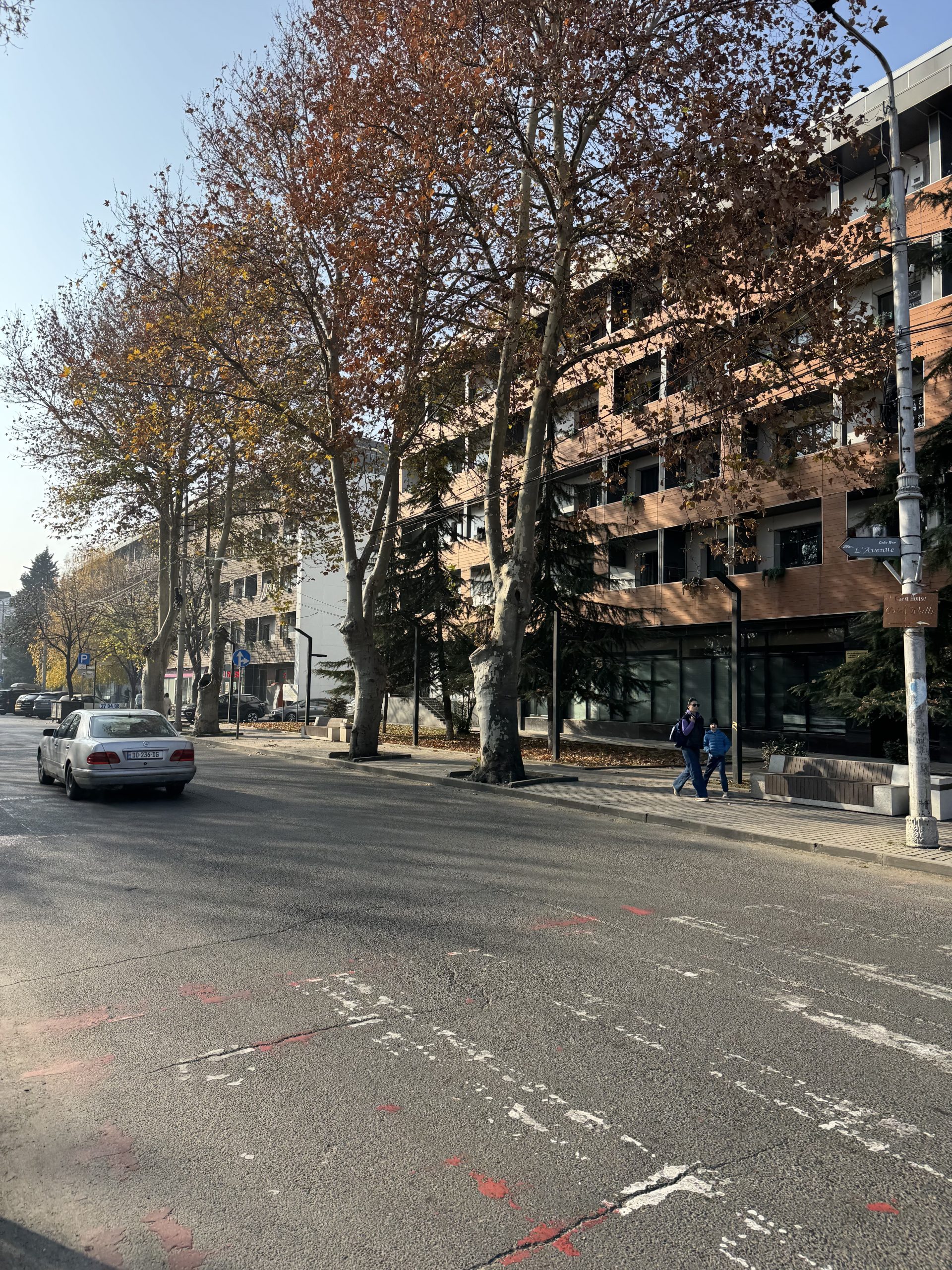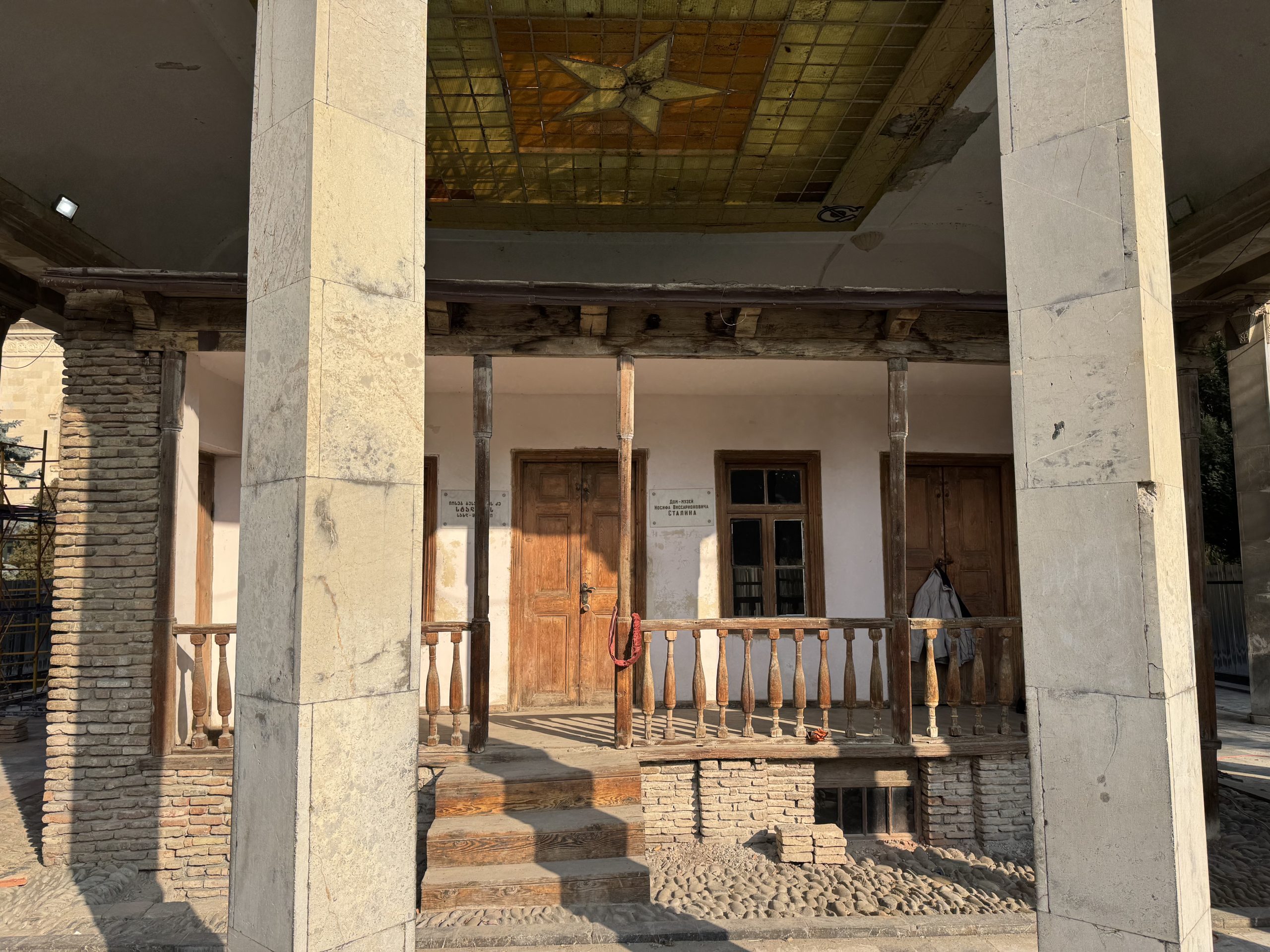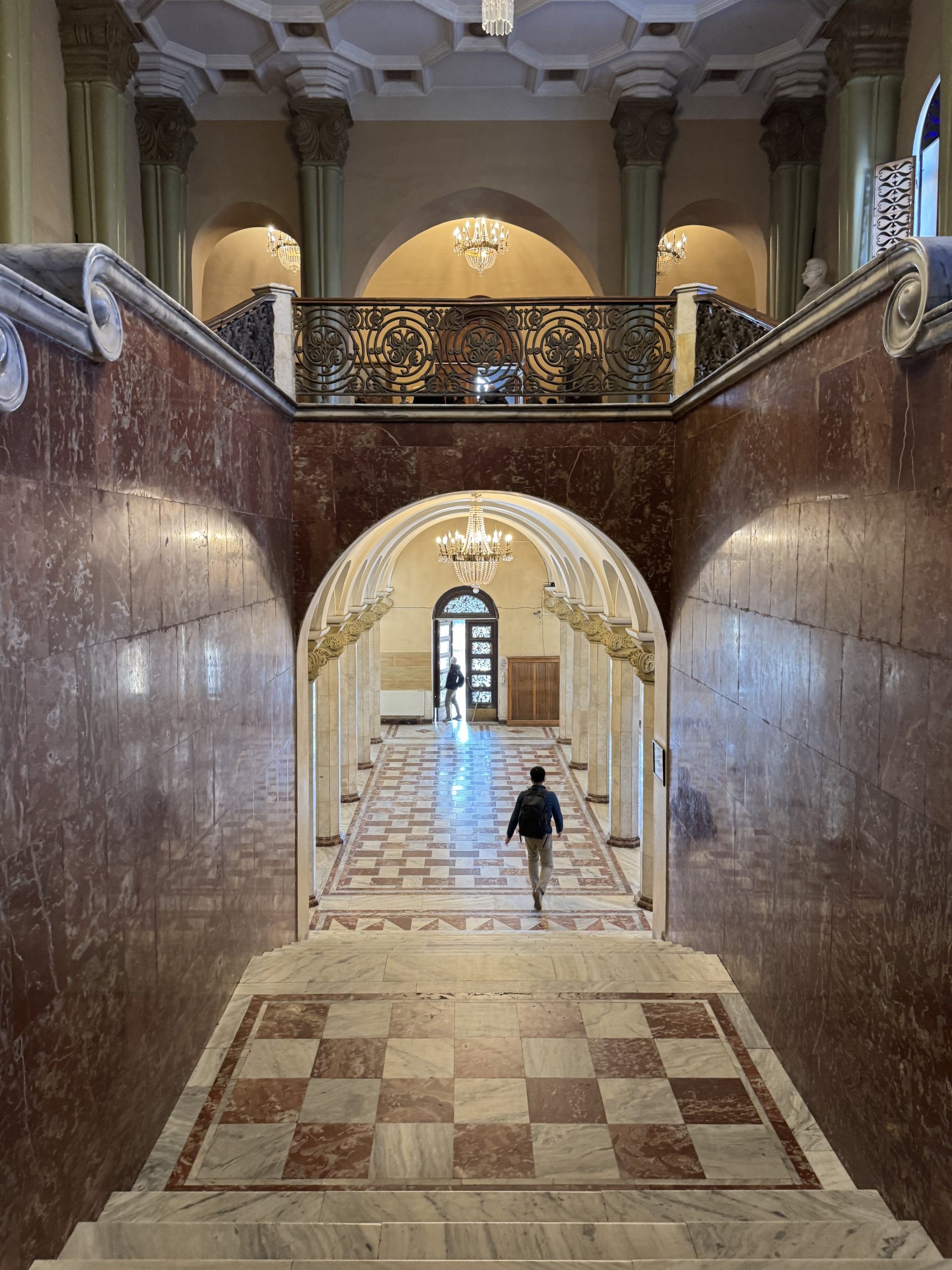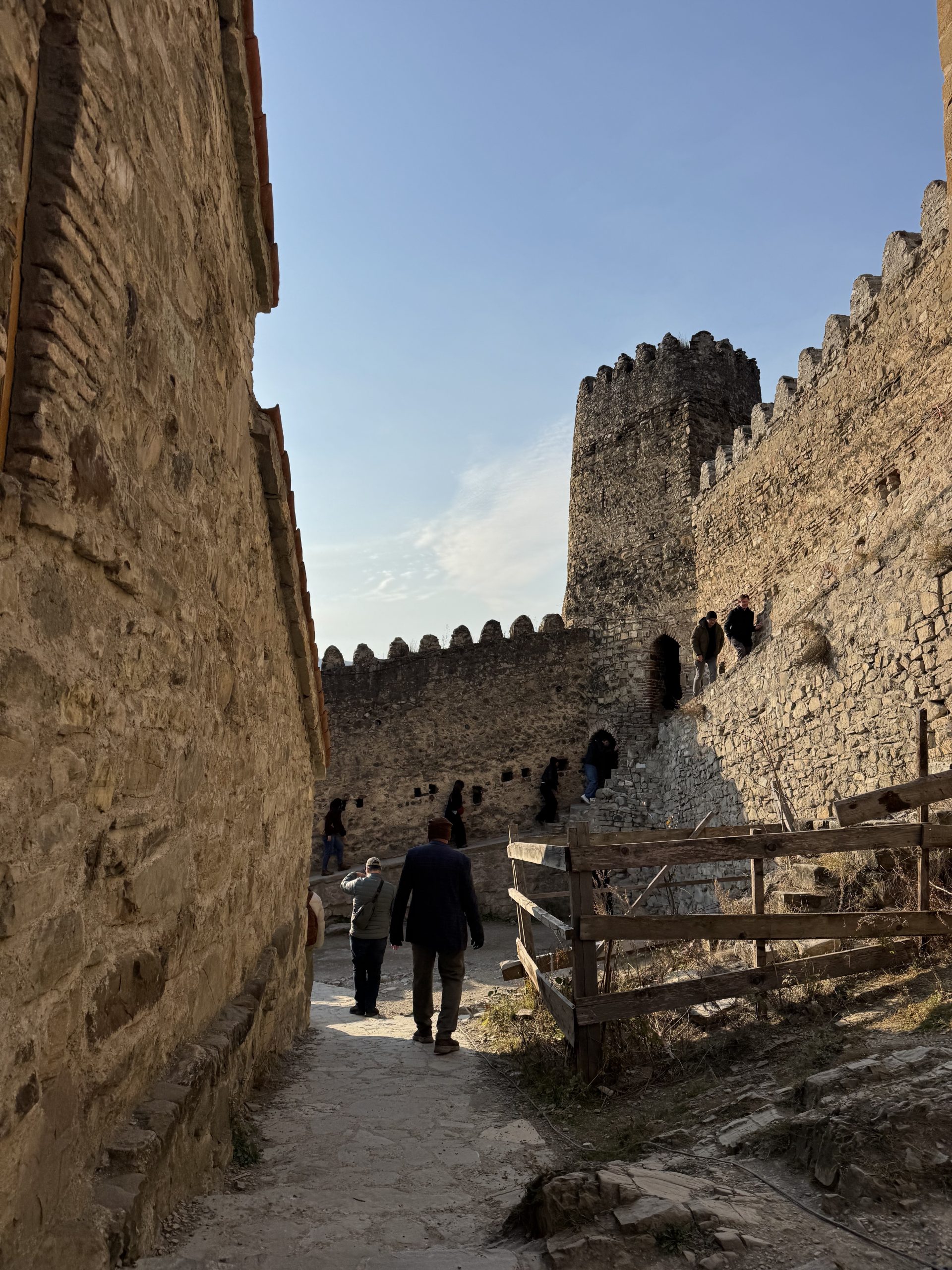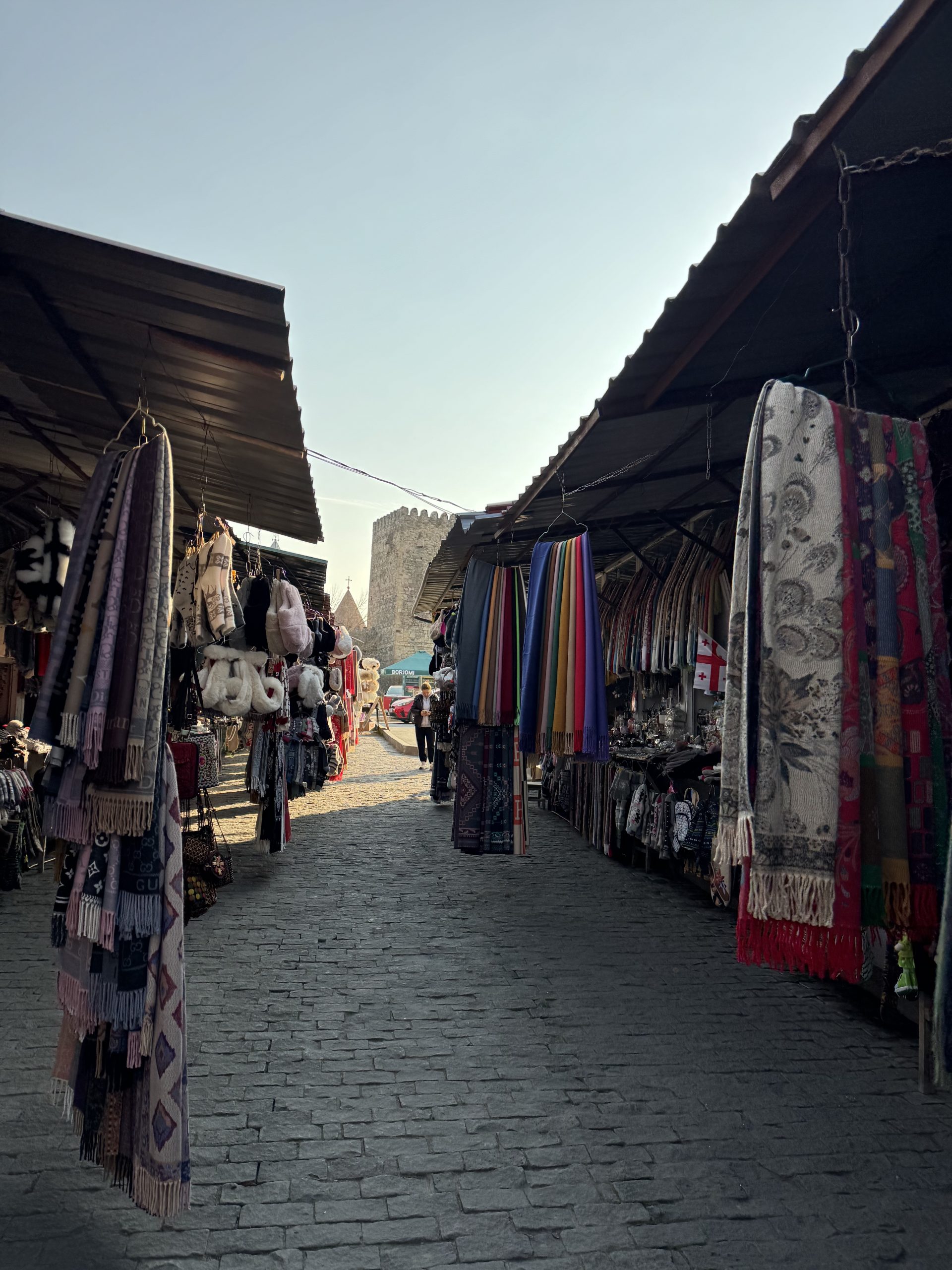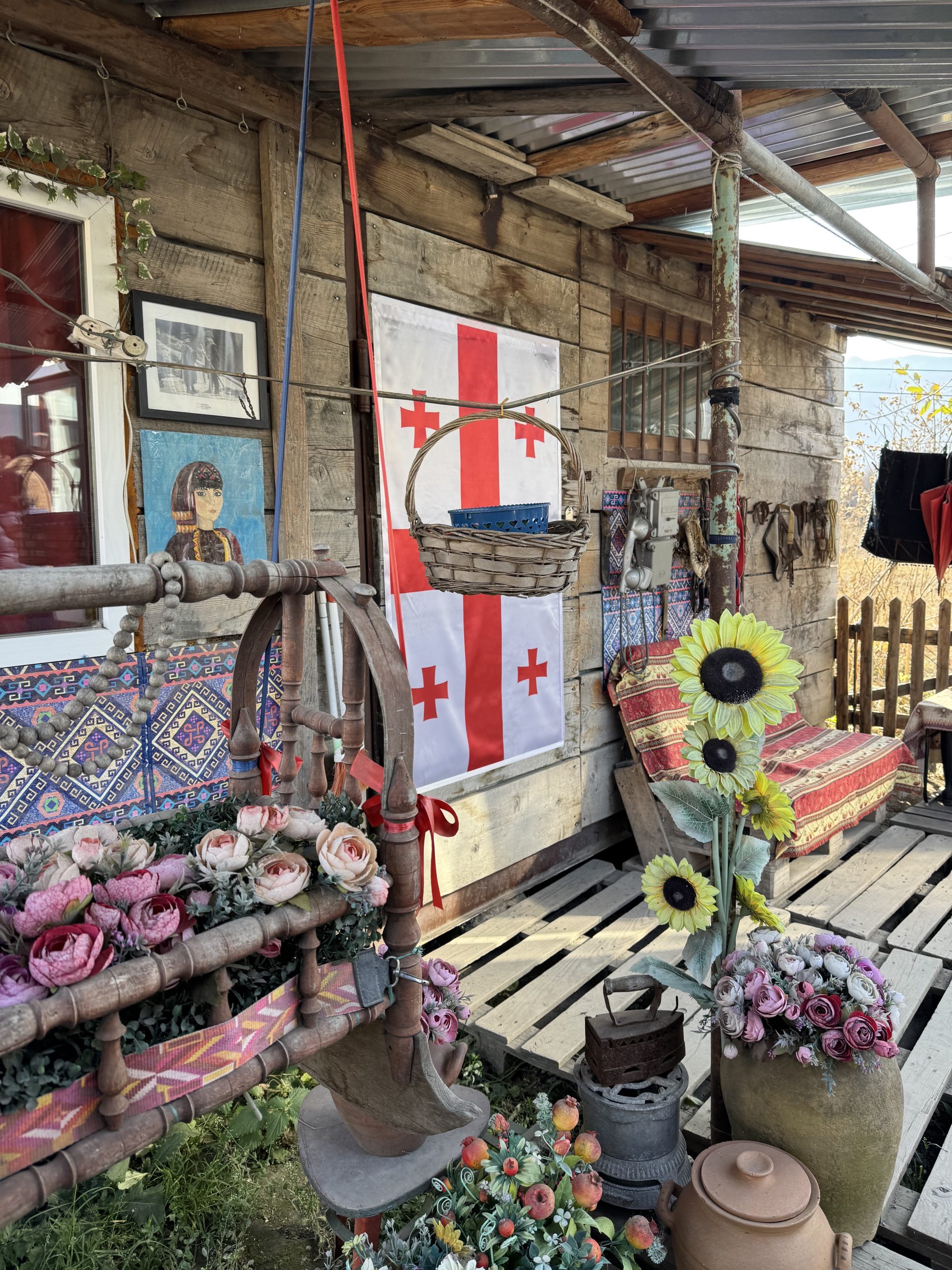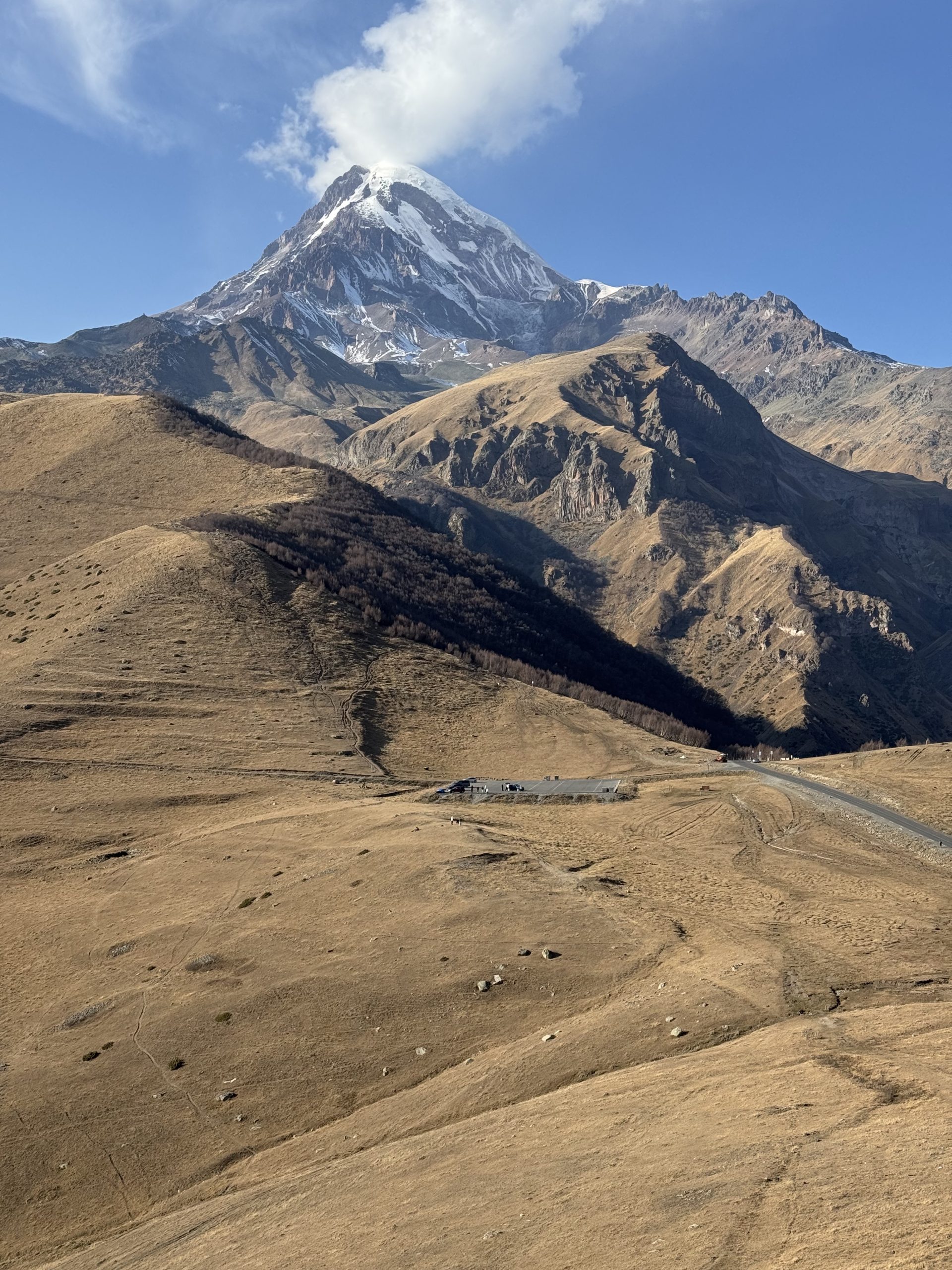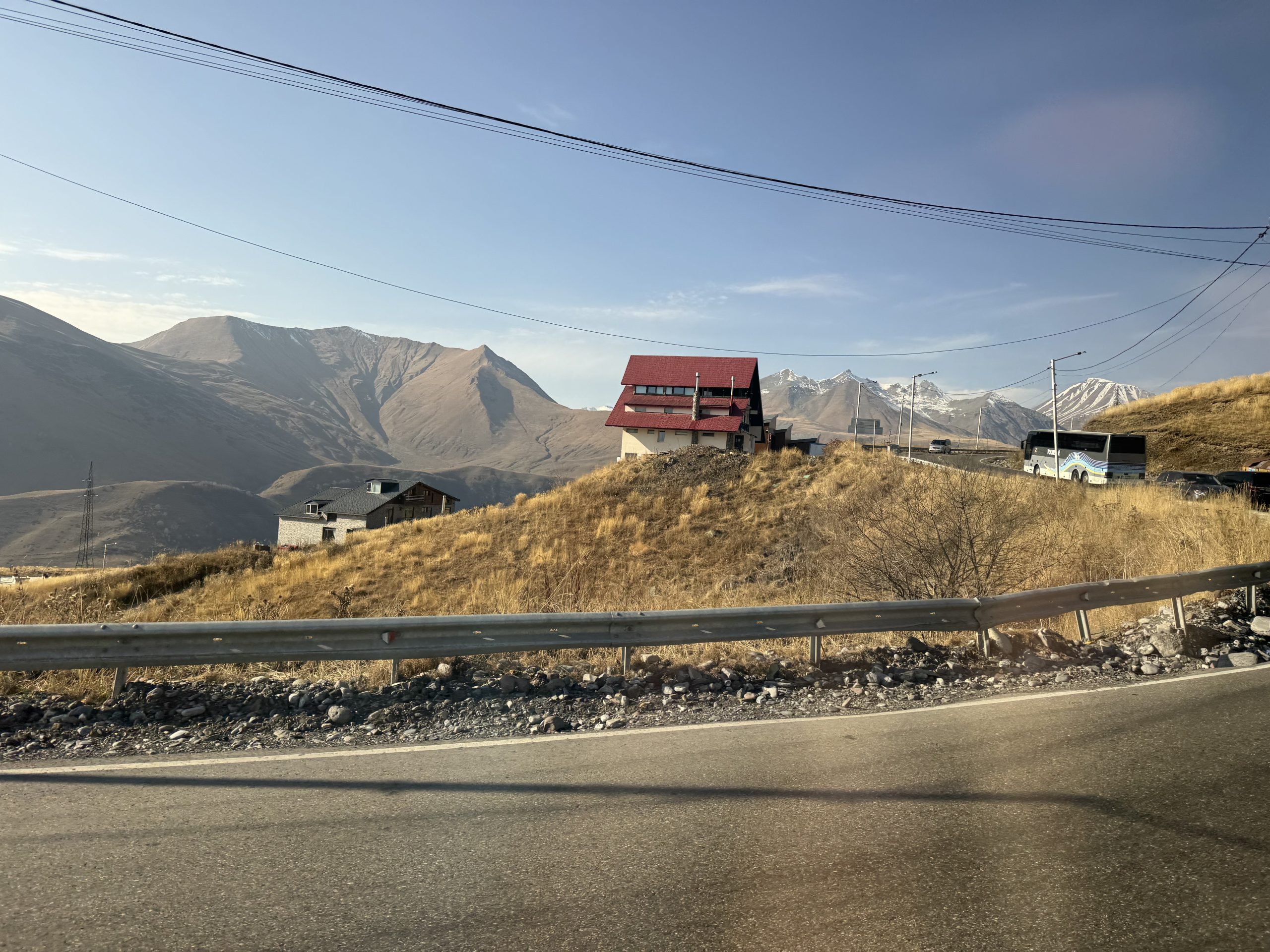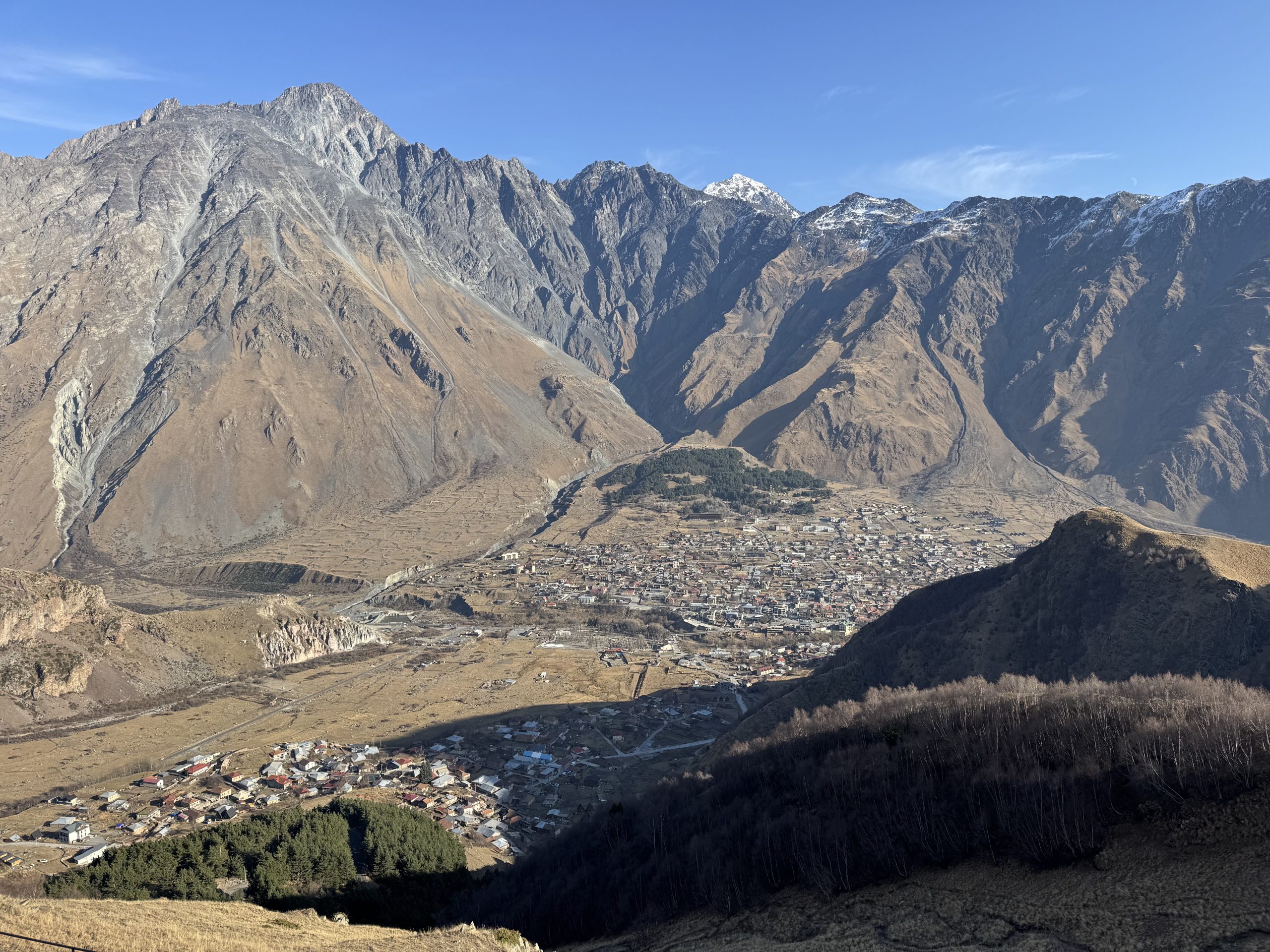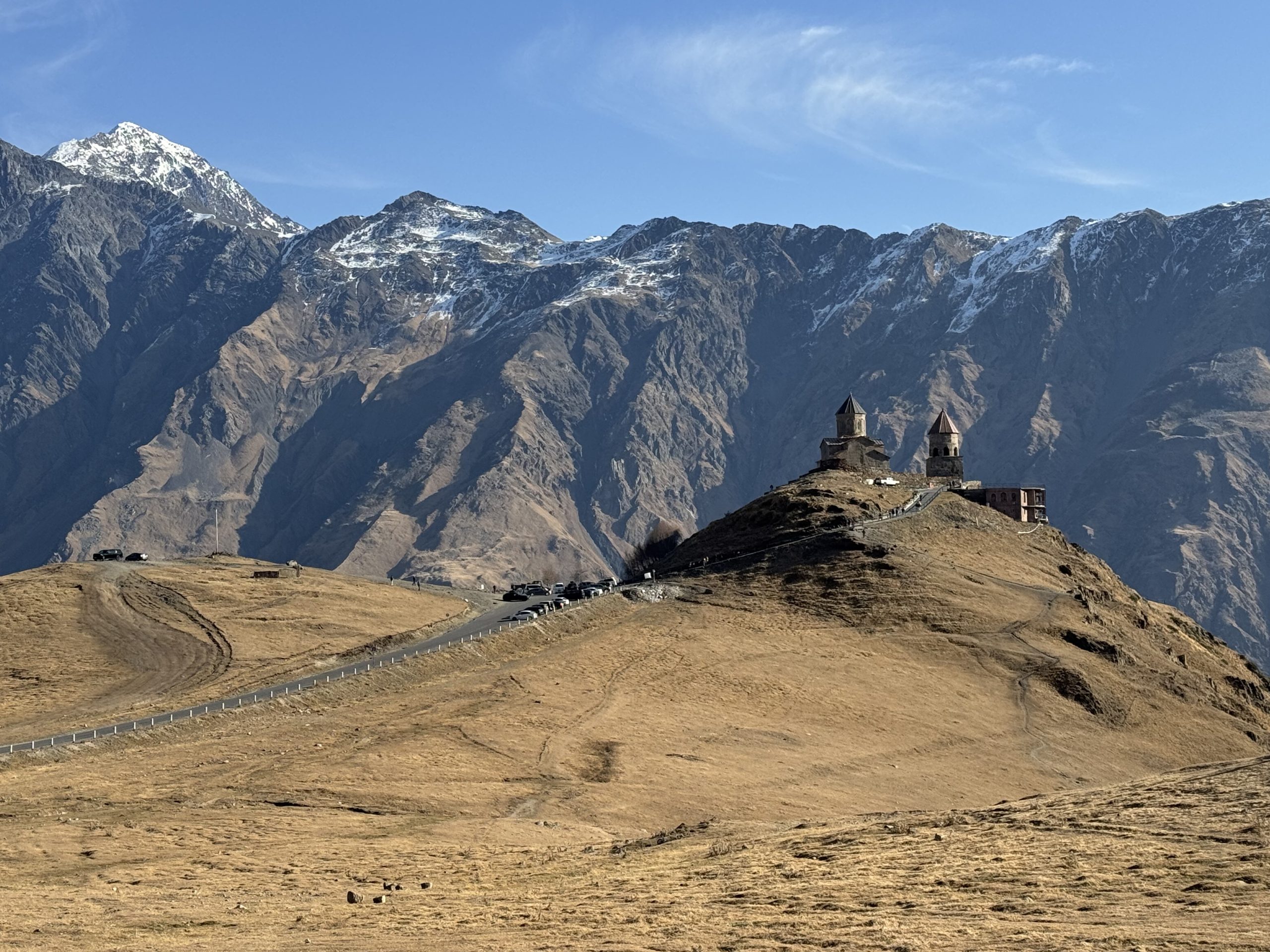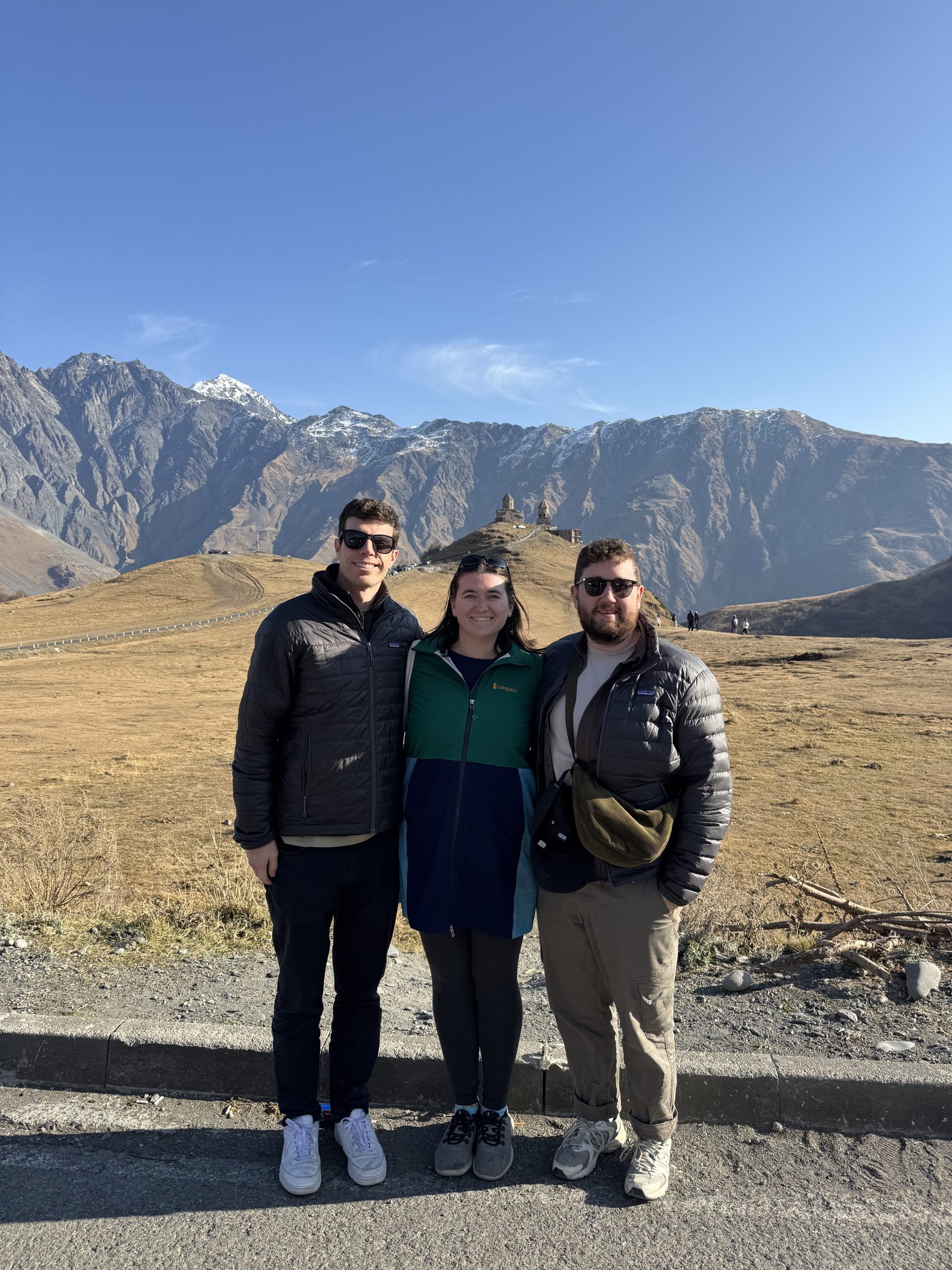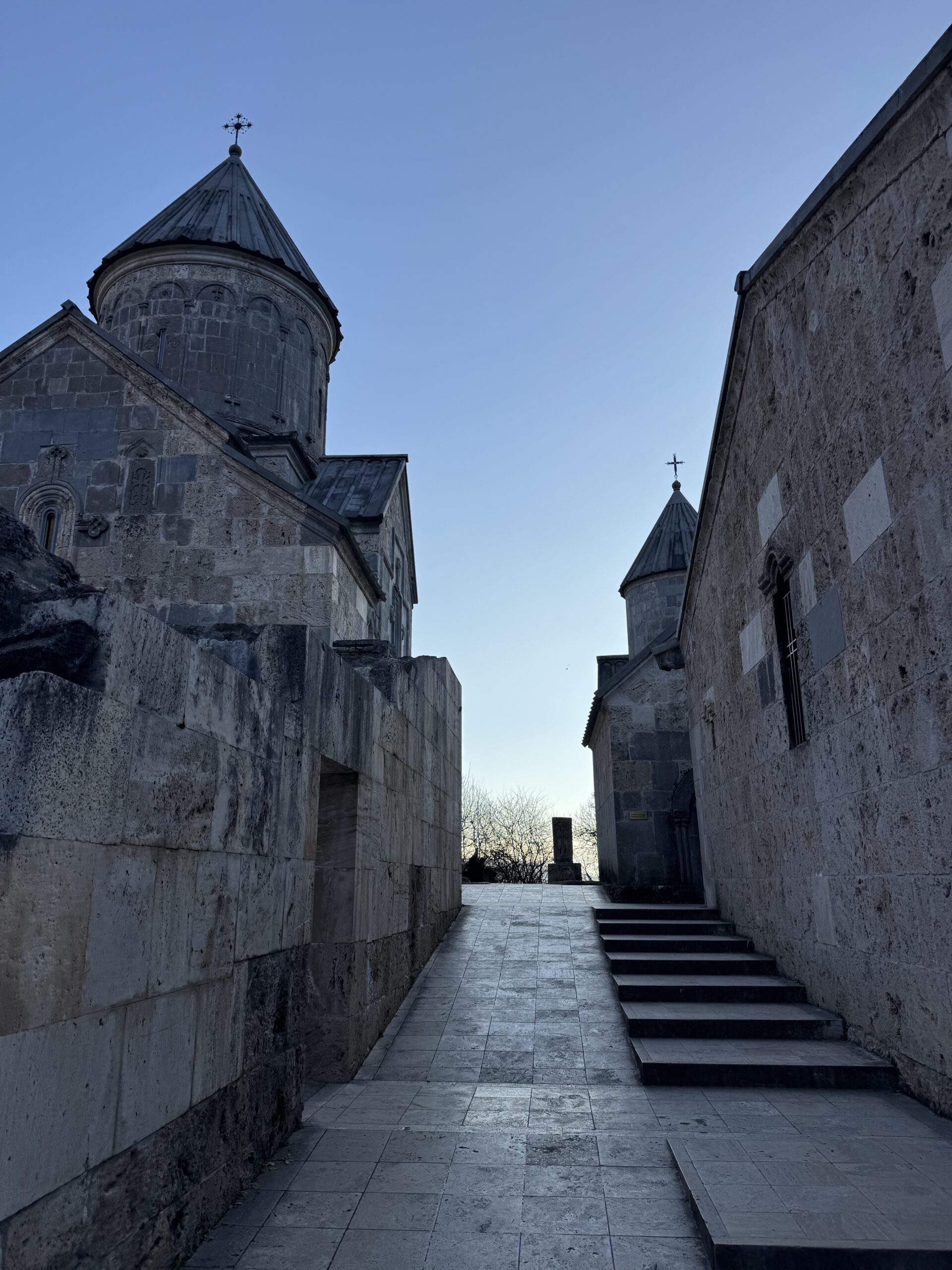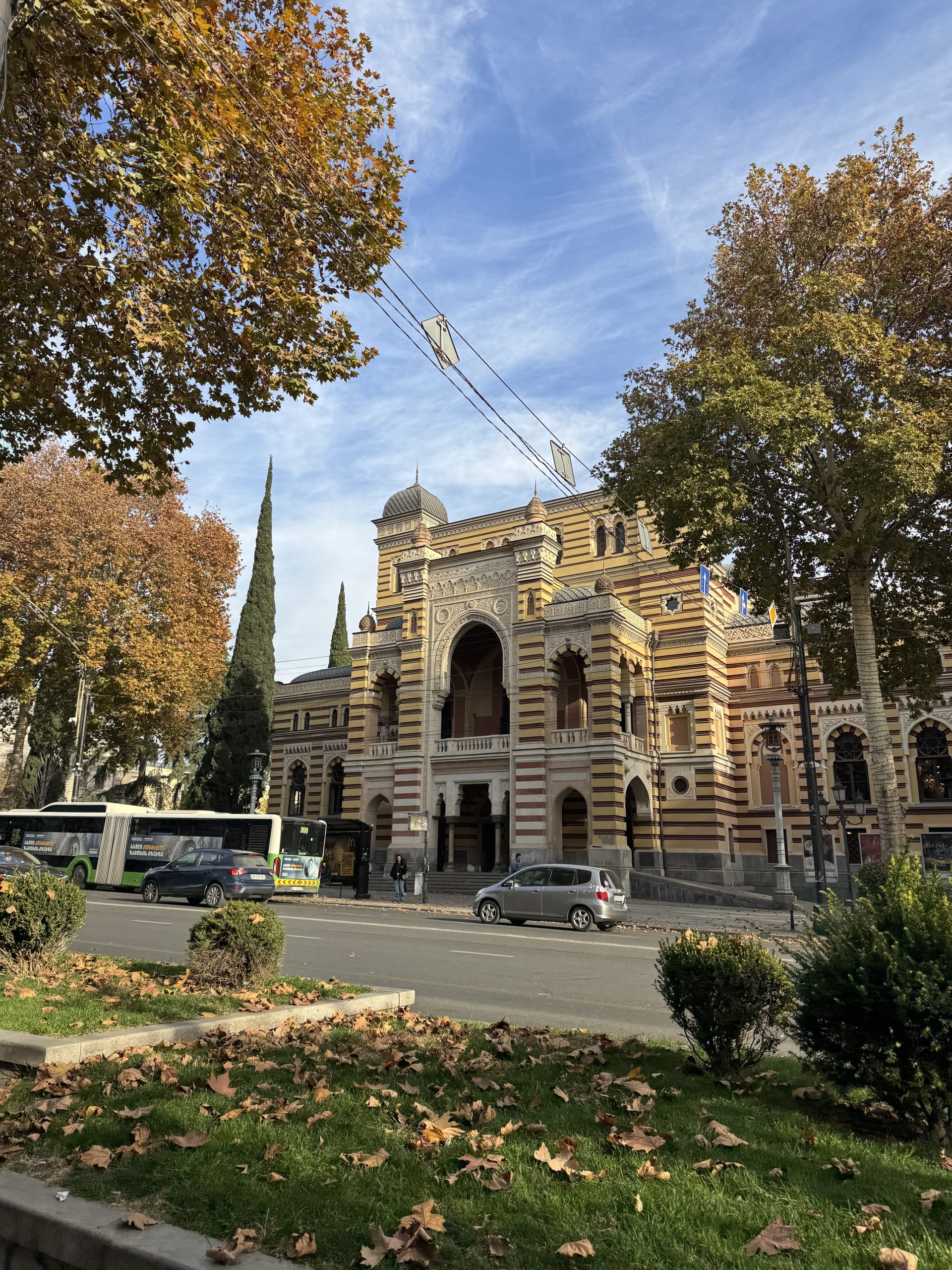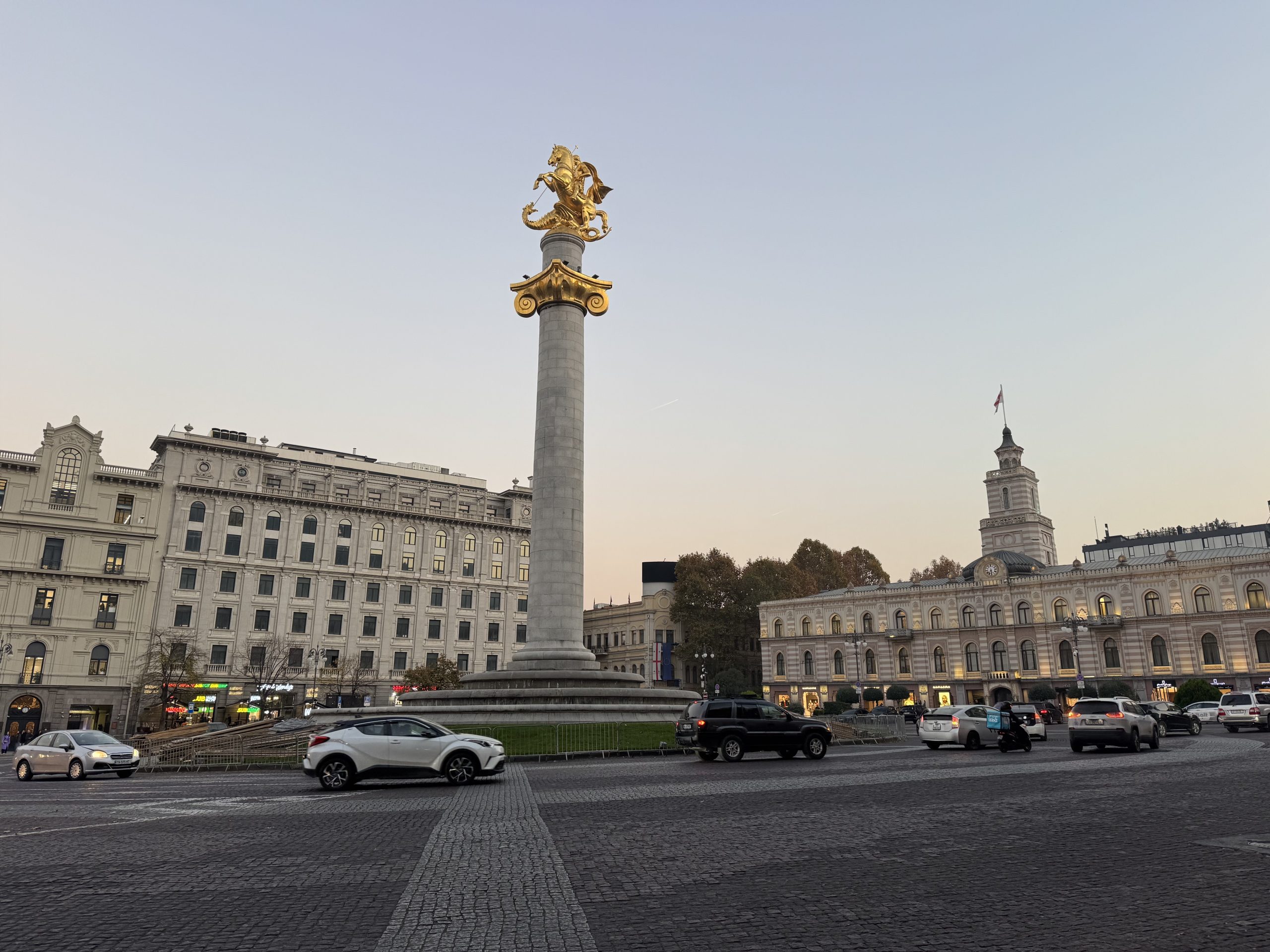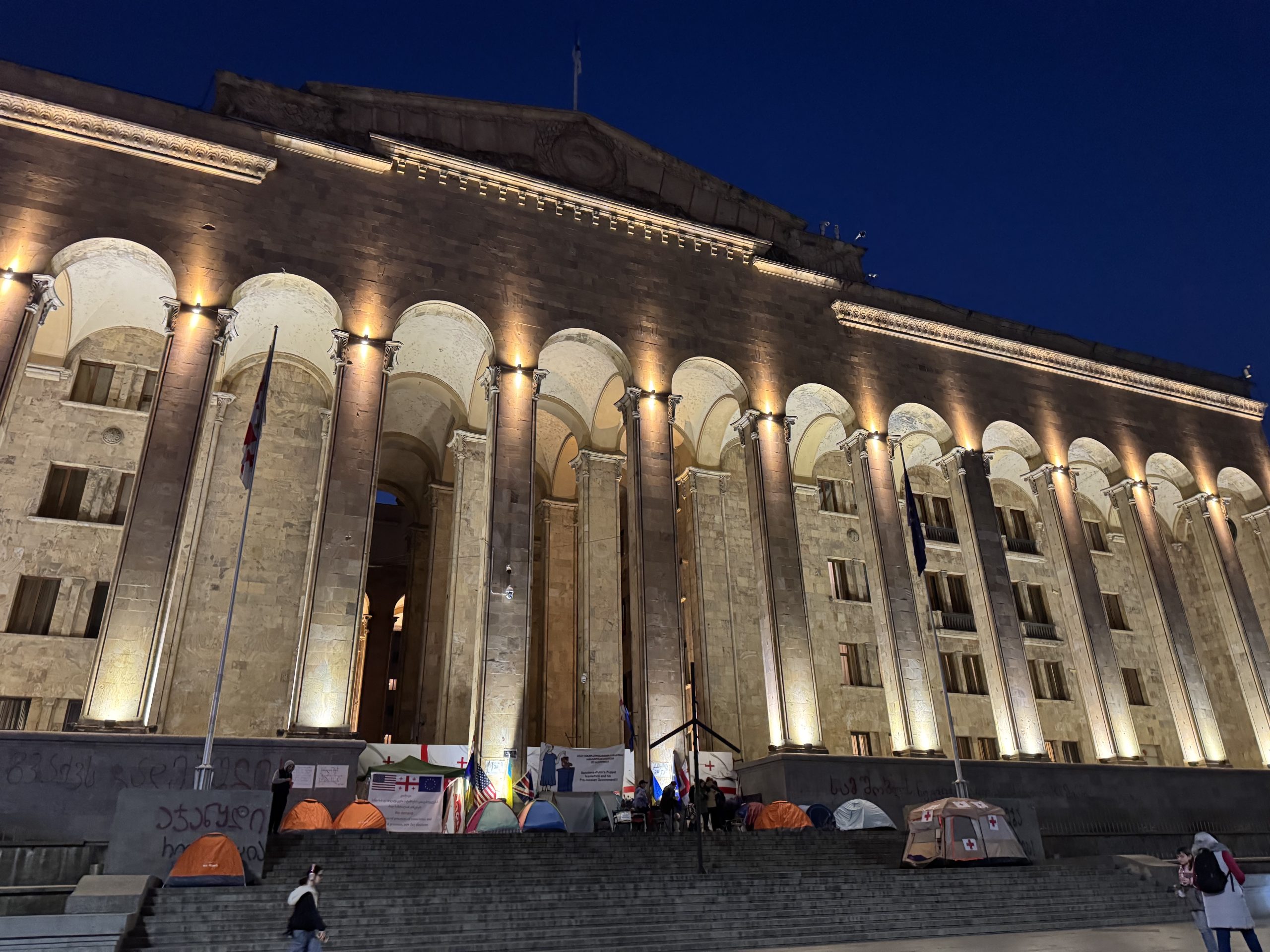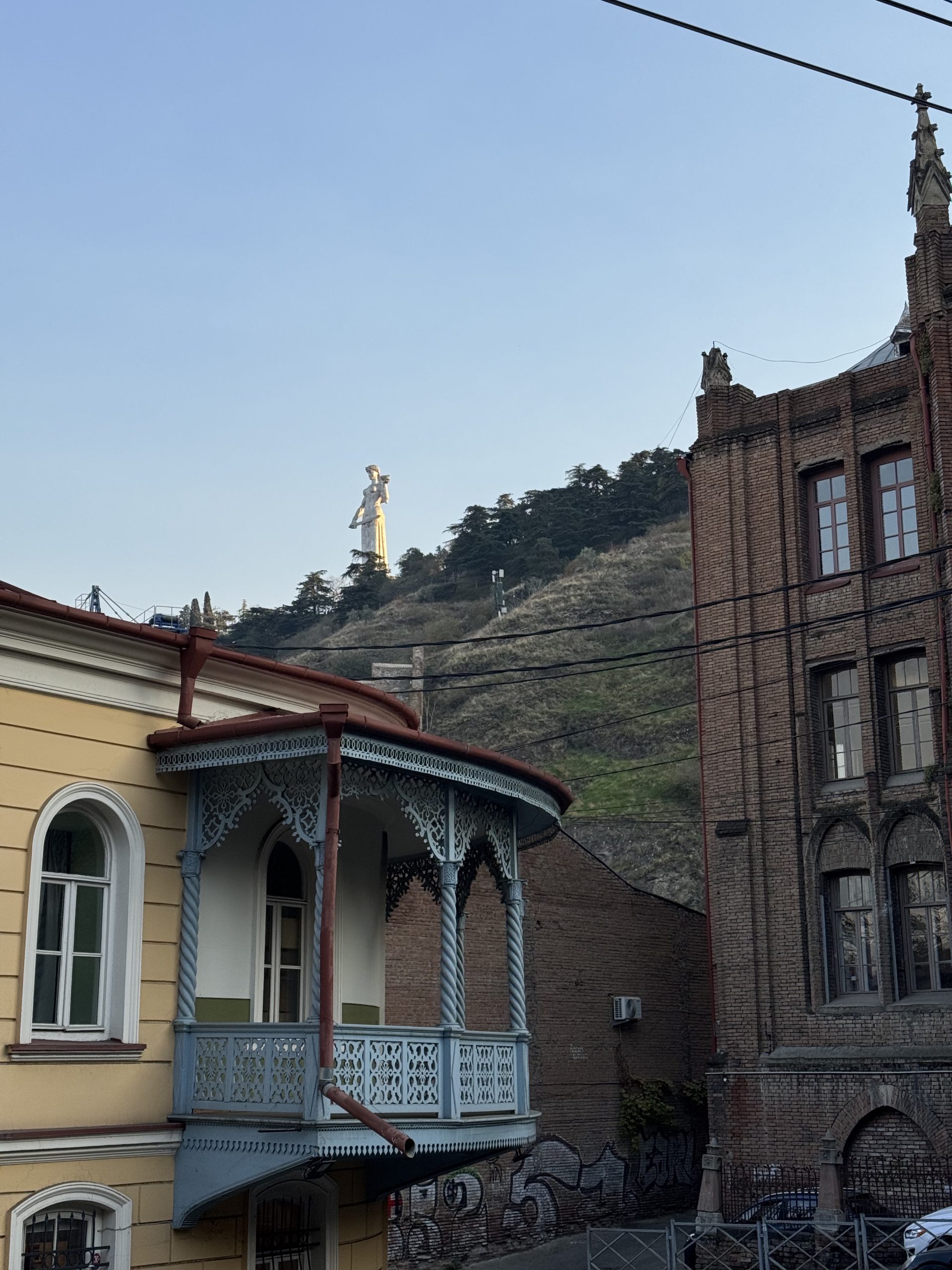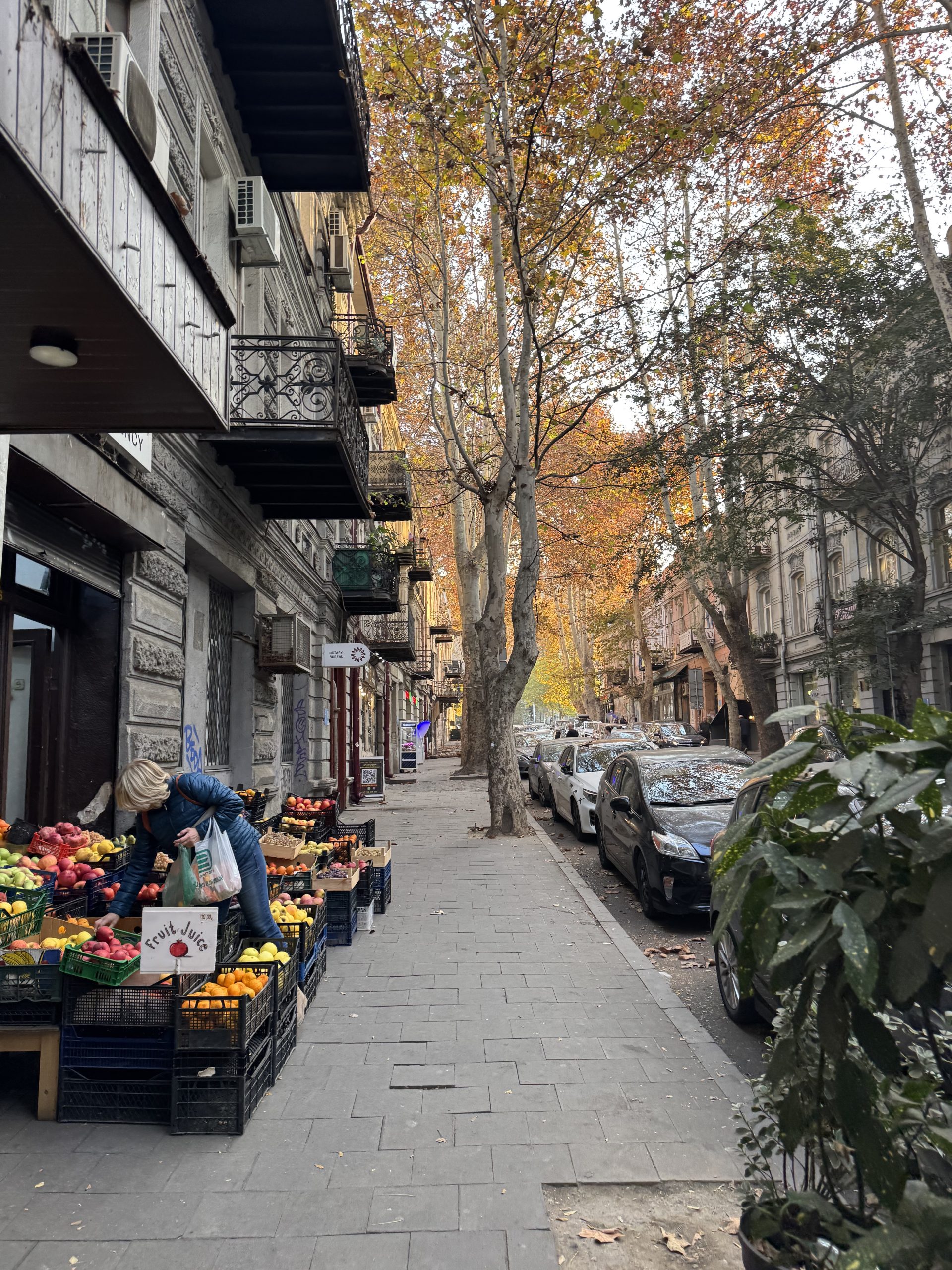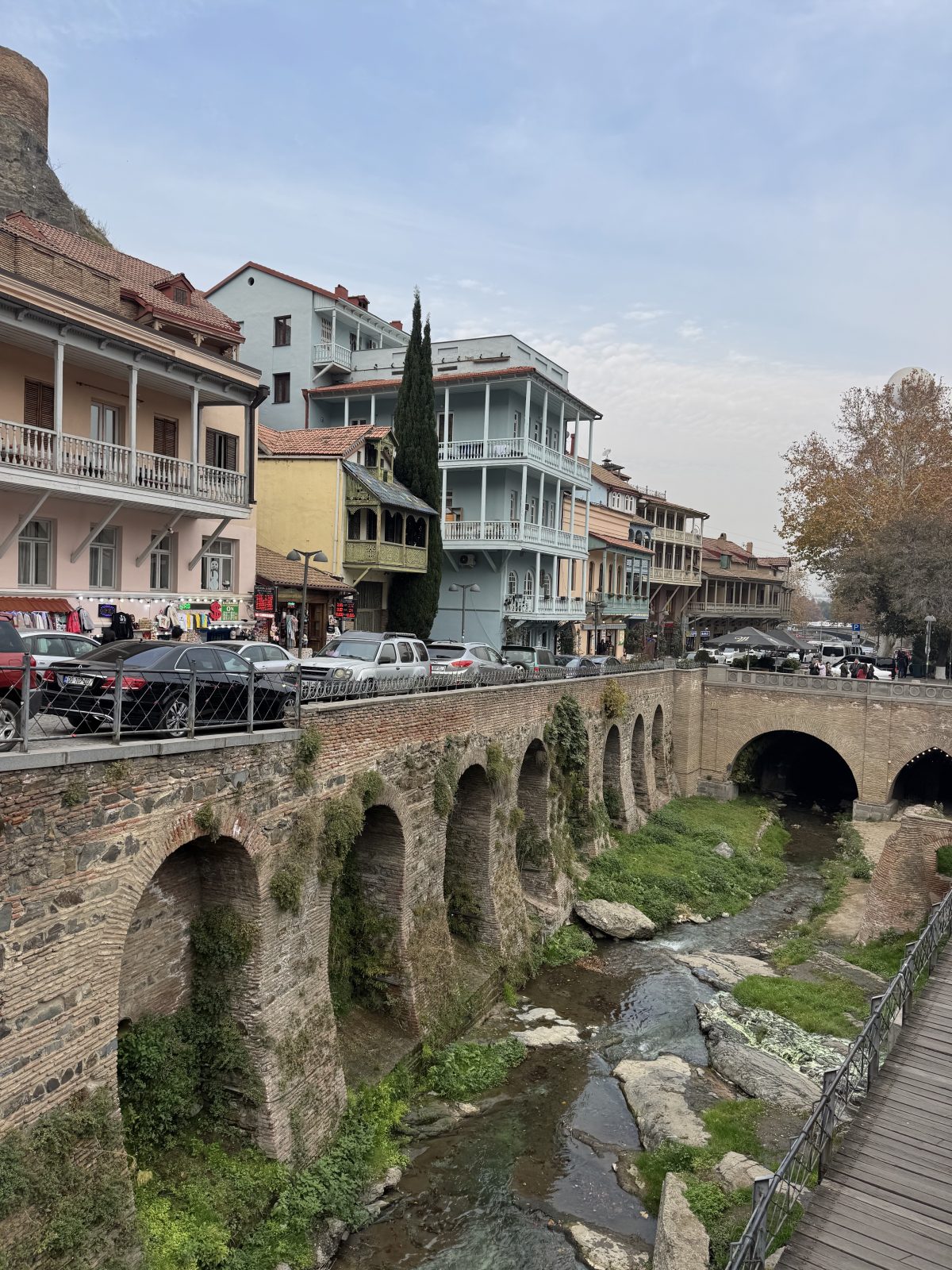
For the whole time we were in Georgia, we stayed in Tbilisi and took day trips from there to explore the countryside. I’ve gone through all our day trips, so now it’s time to cover what we did while we were in the capital!
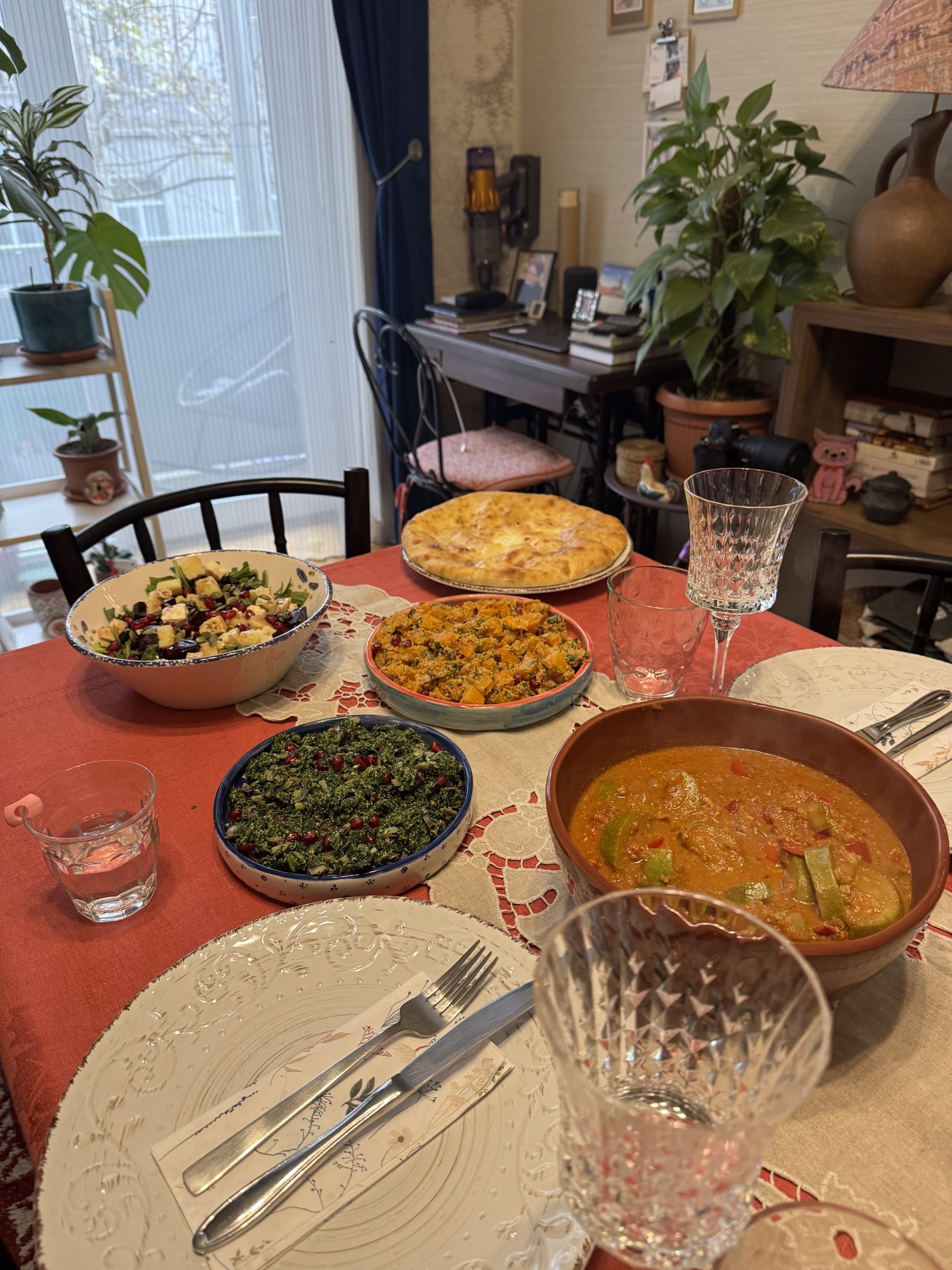
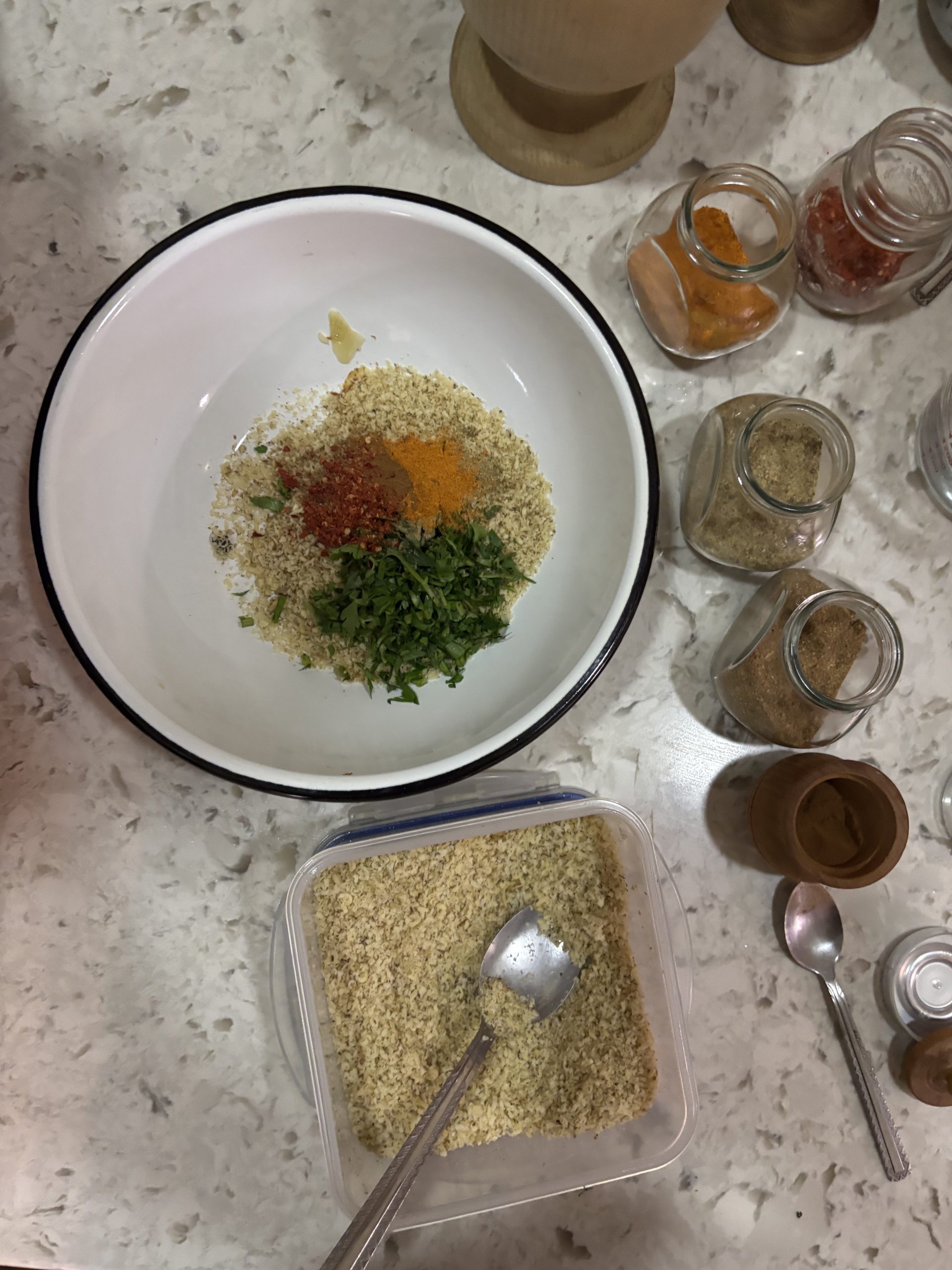
On the first day after Alan and I arrived from Armenia, we took a cooking class. It was with Georgian Flavors, who I had found online from recommendations on blogs. They noted that she was good at adapting for vegetarians as well which was a big selling point for me. It was a private class, so just Alan and I in her home.
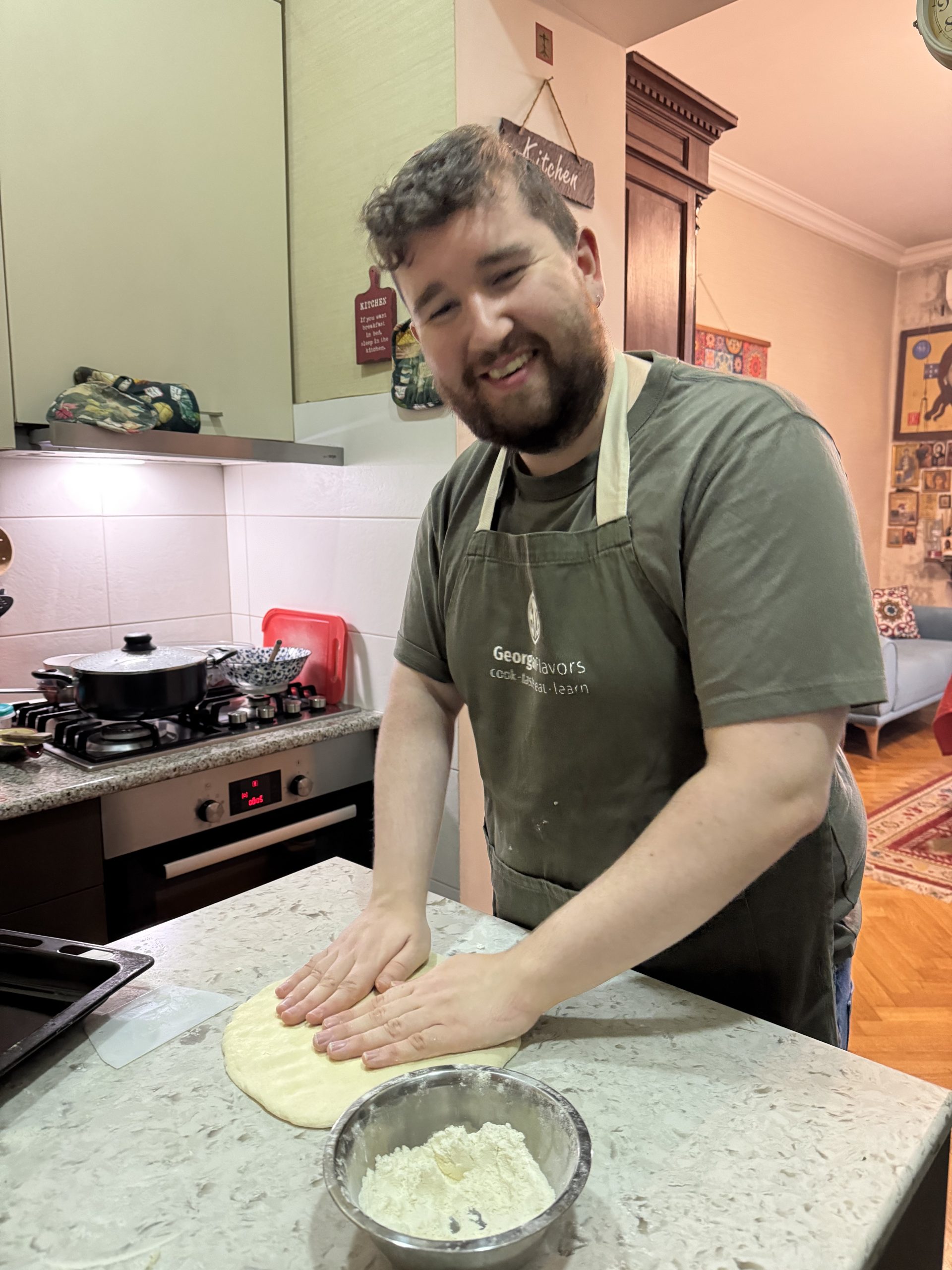
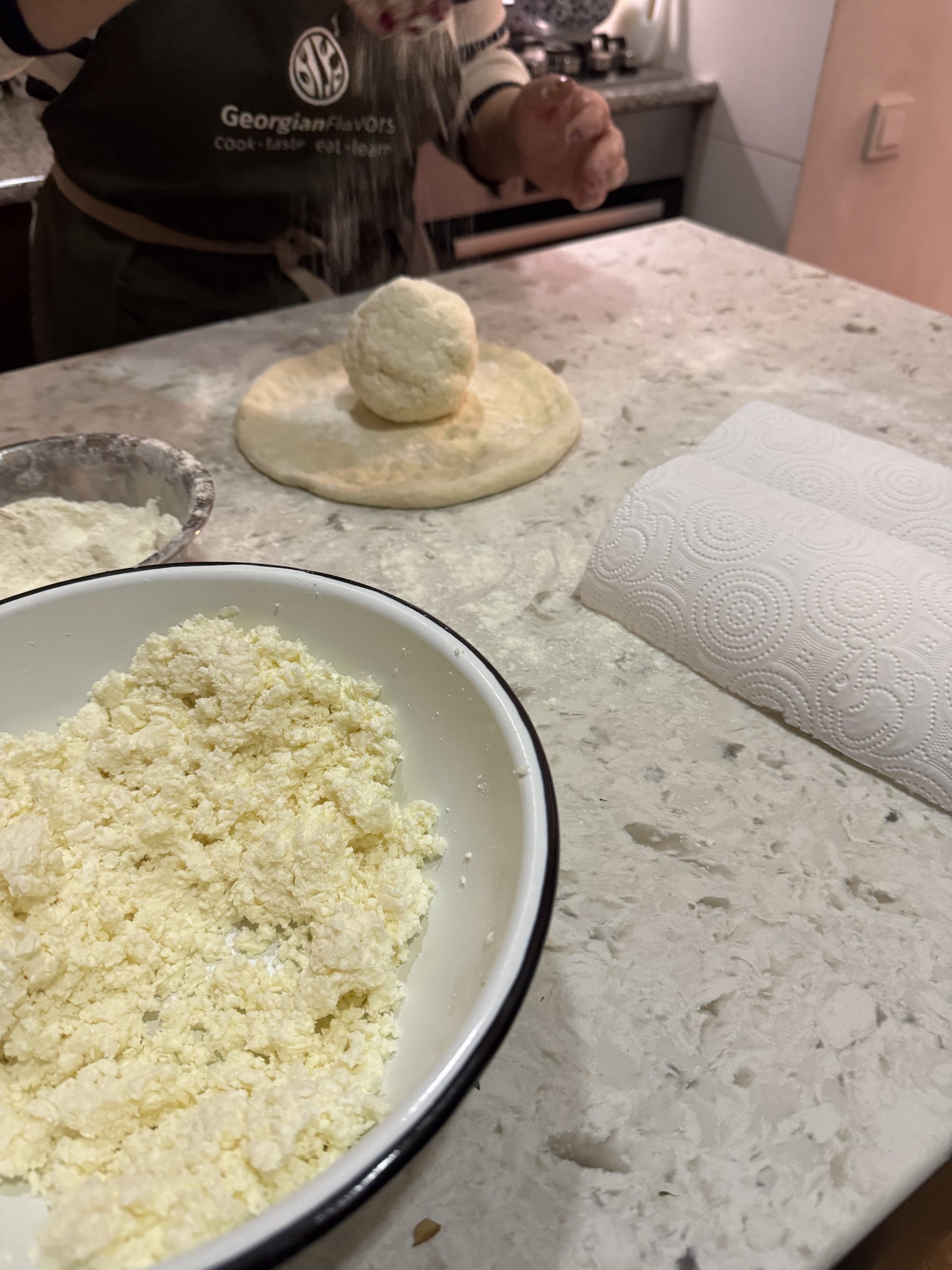
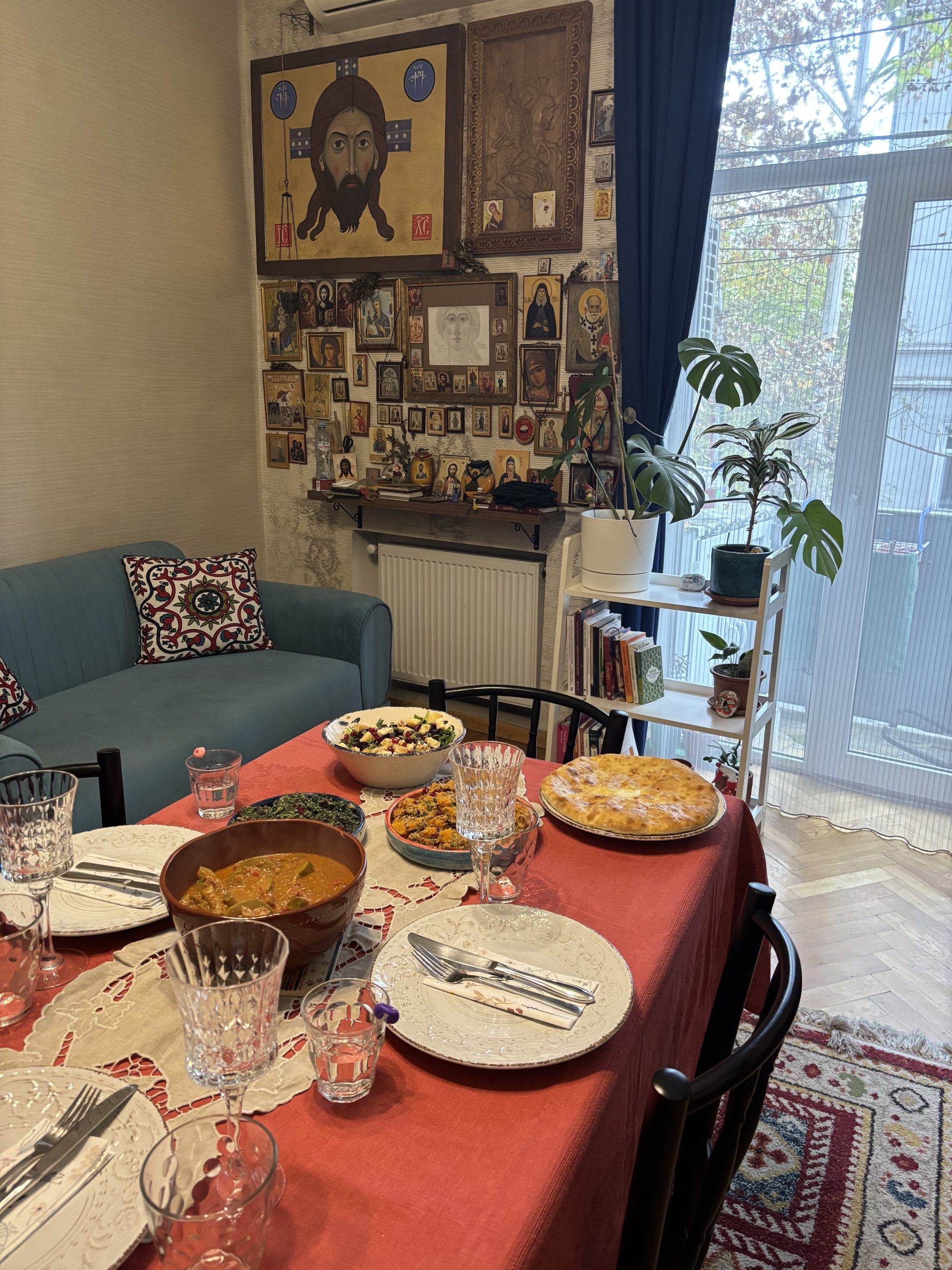
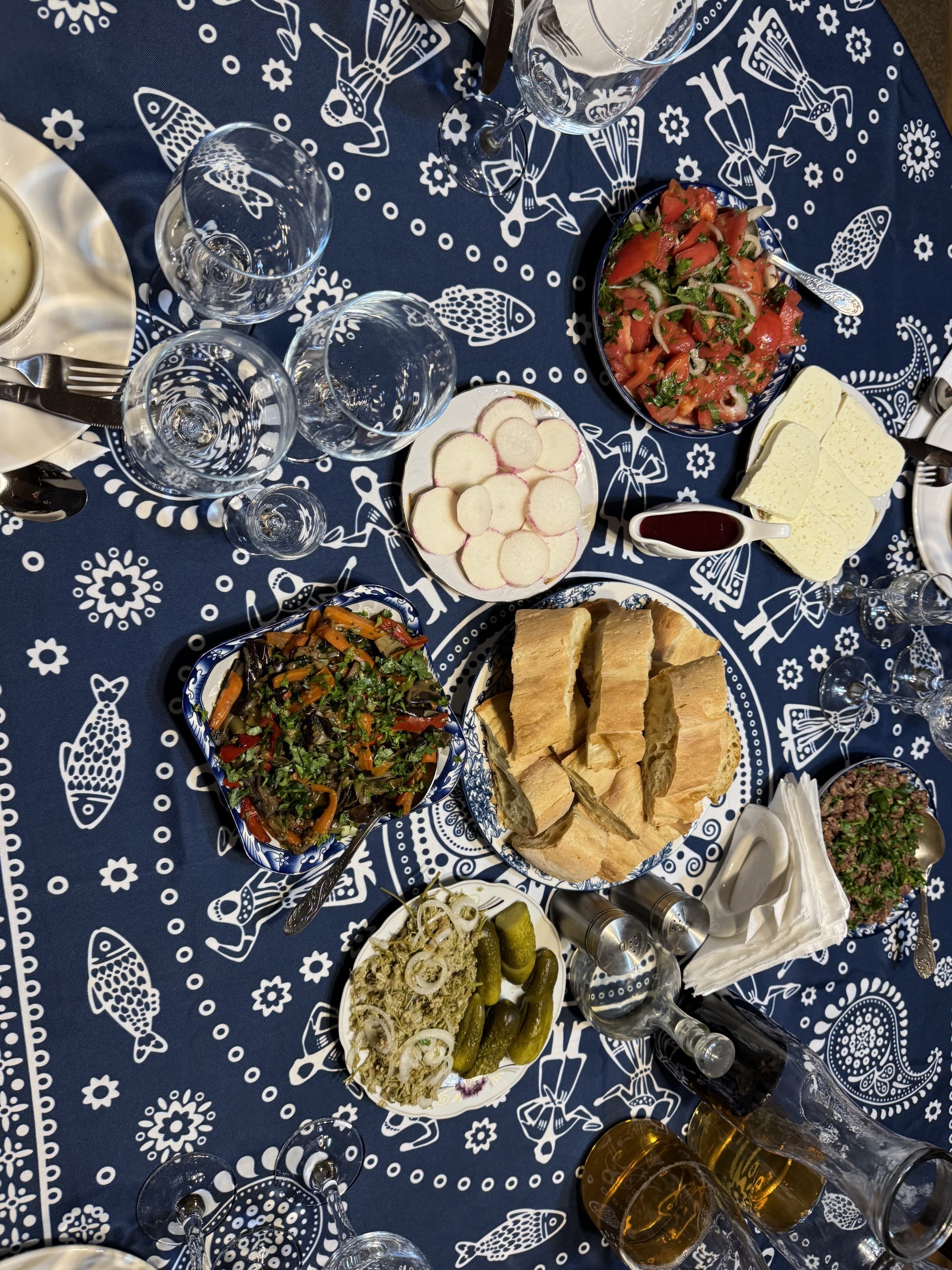
It was a really fun experience. We made vegetables with walnut paste, which is a classic Georgian dish, and of course, the classic Georgian cheese bread! All of the food was delicious, and it was nice to get a pretty authentic look at Georgian culture immediately after we got there. Irma told us all about the culinary traditions of Georgia, and we also had great conversations about the general culture and history of Georgia.
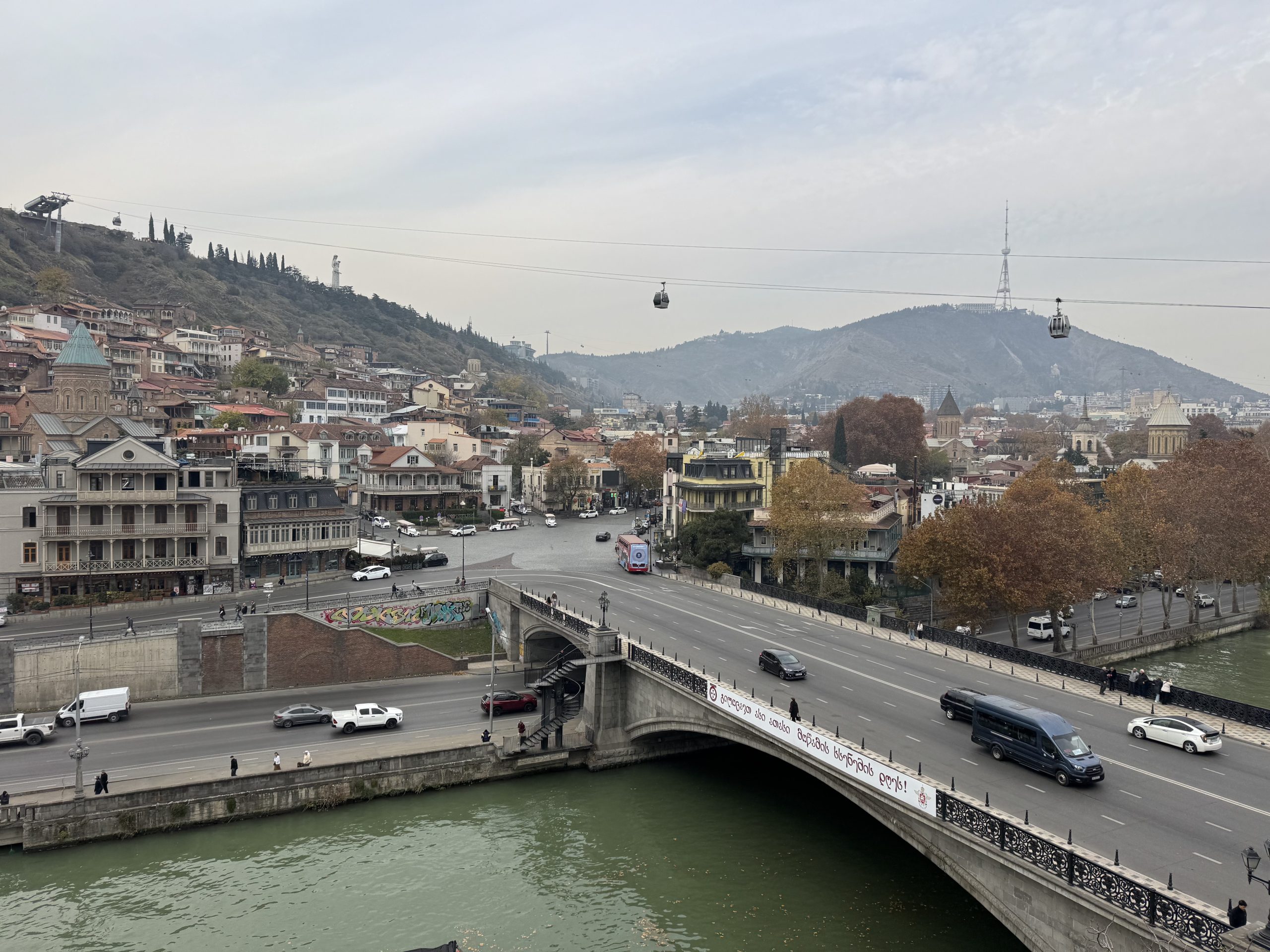
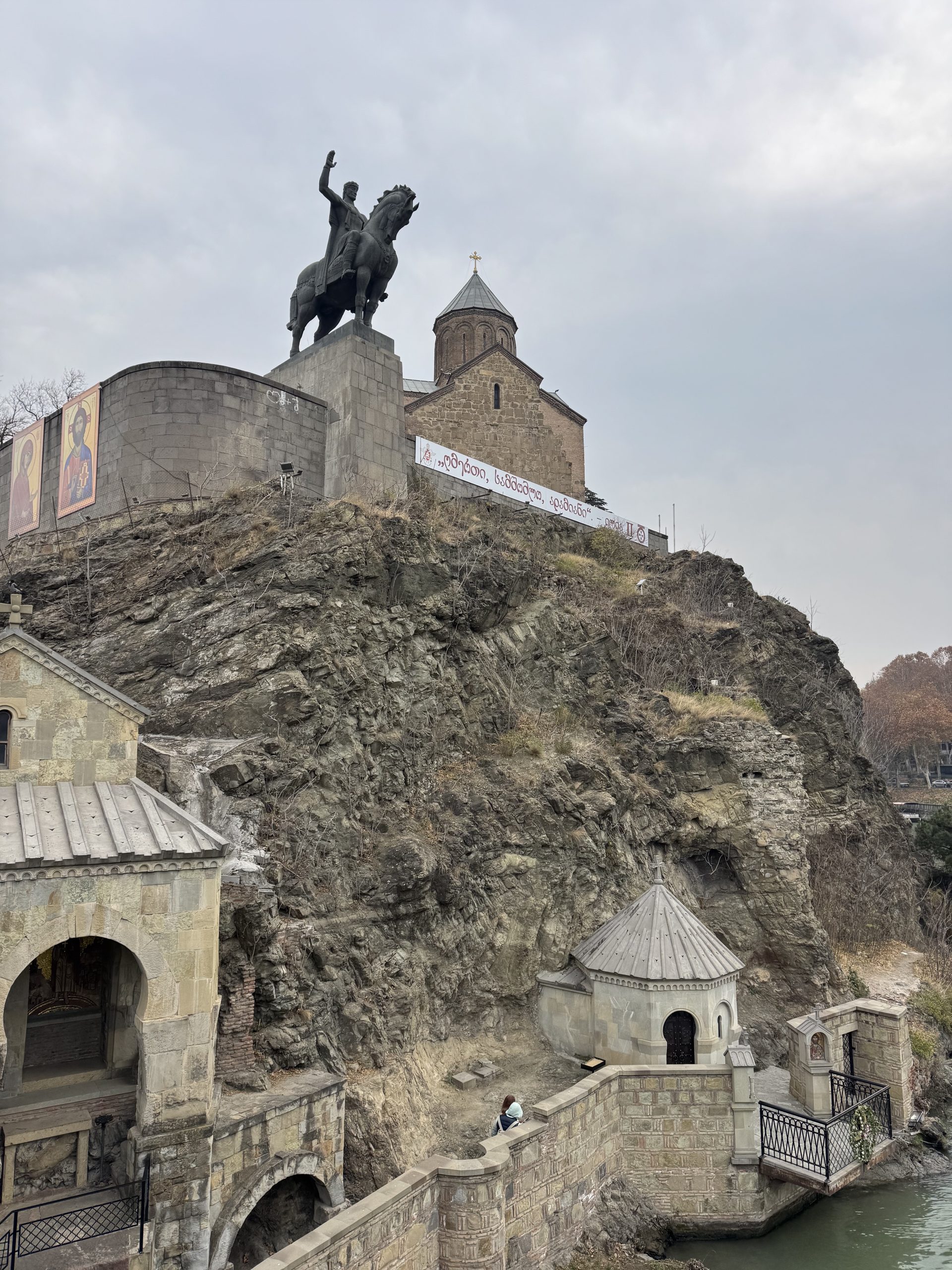
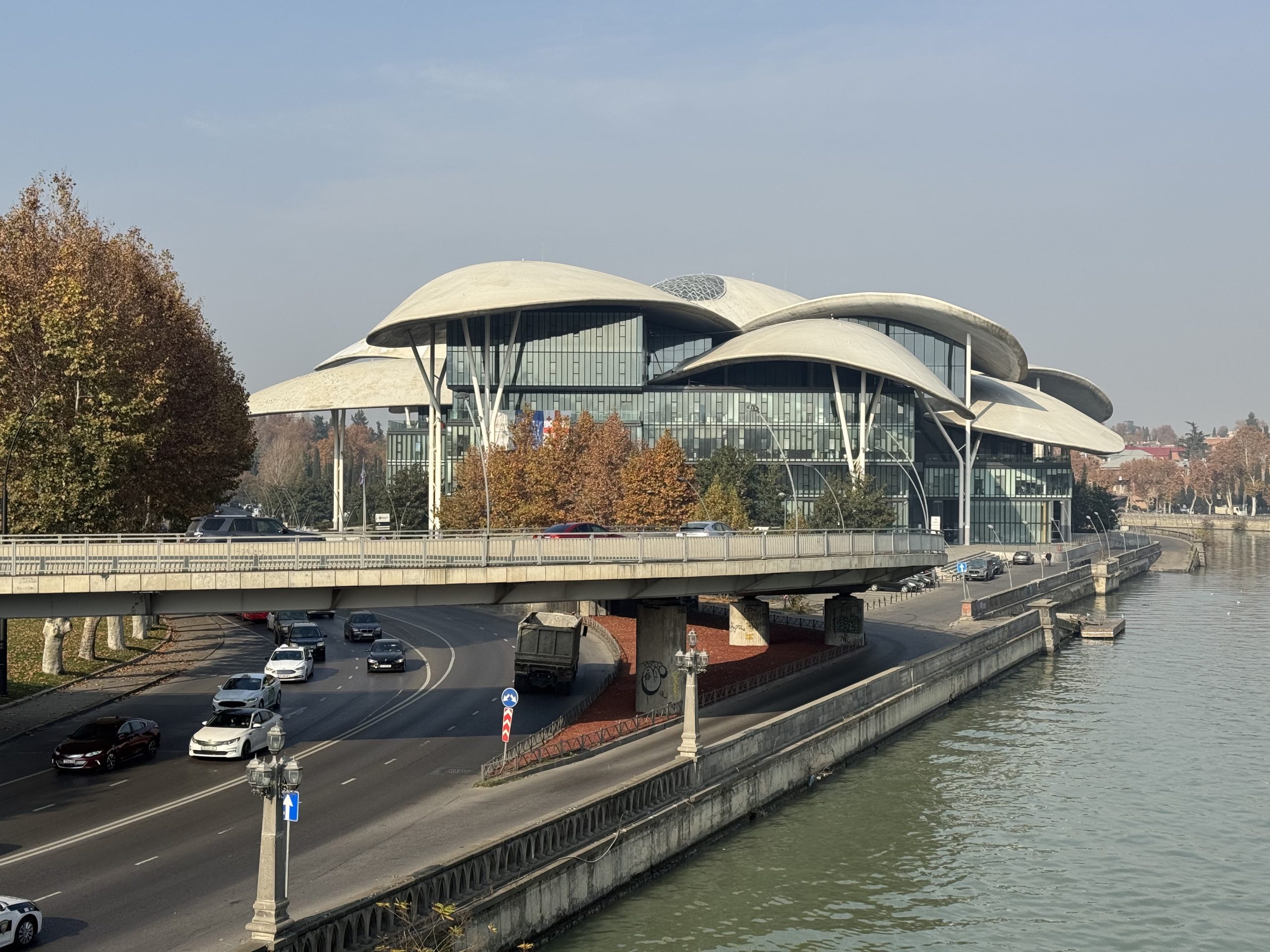
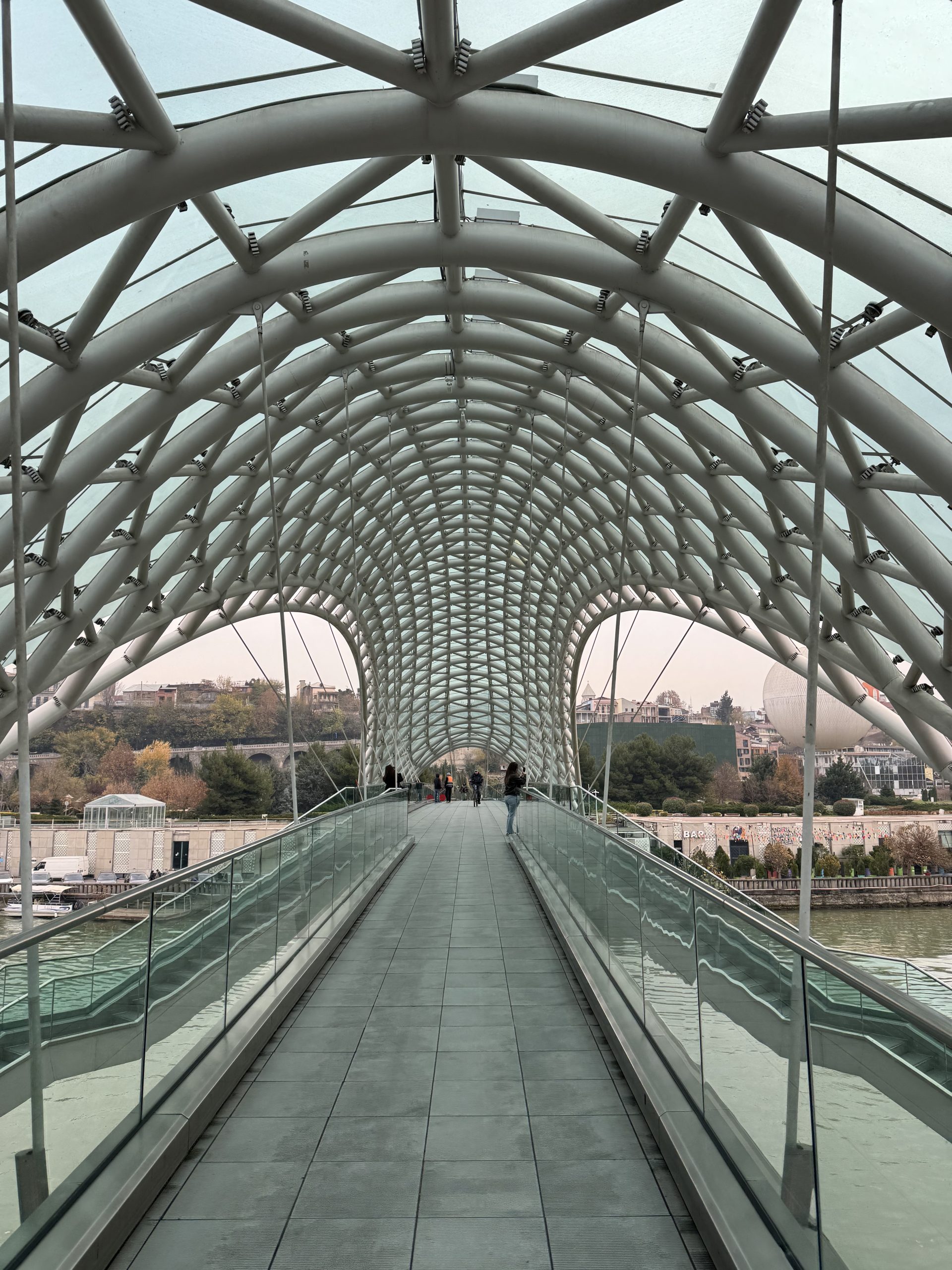
The next day, Colin had arrived and we did a sort of self-directed walking tour of the city. In total, I had about three full days in Tbilisi, so I did get a pretty good sense of the city.
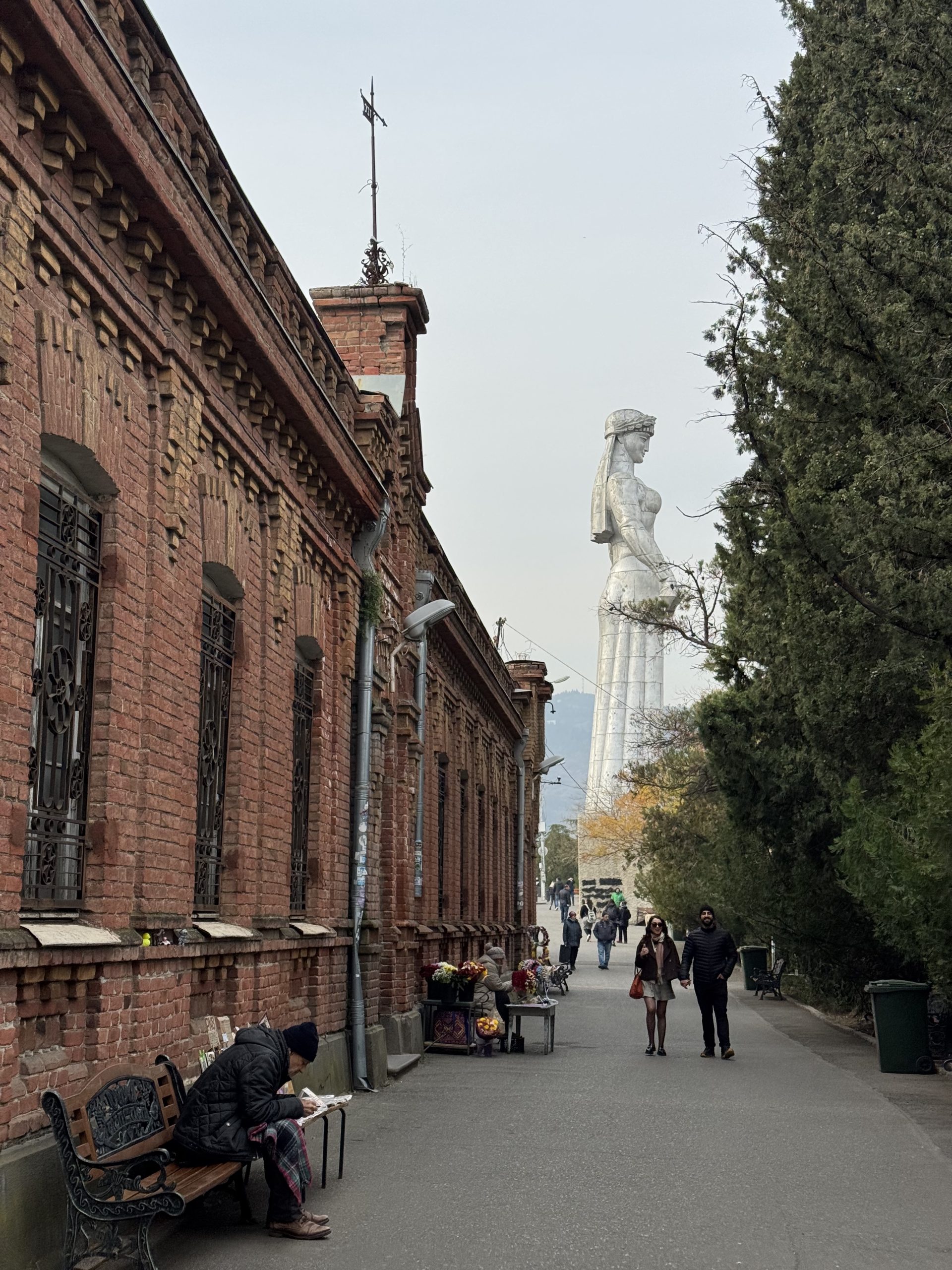
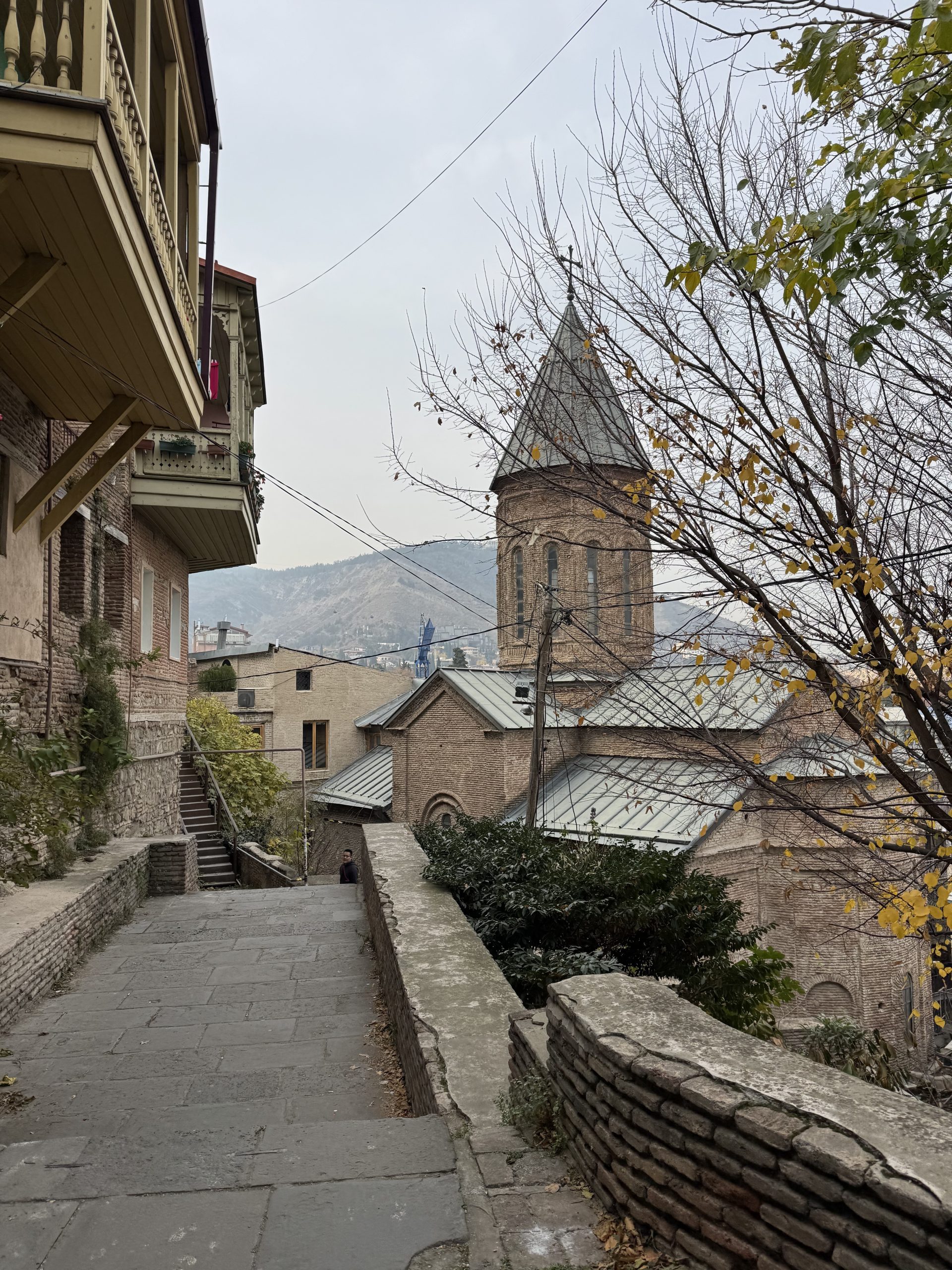
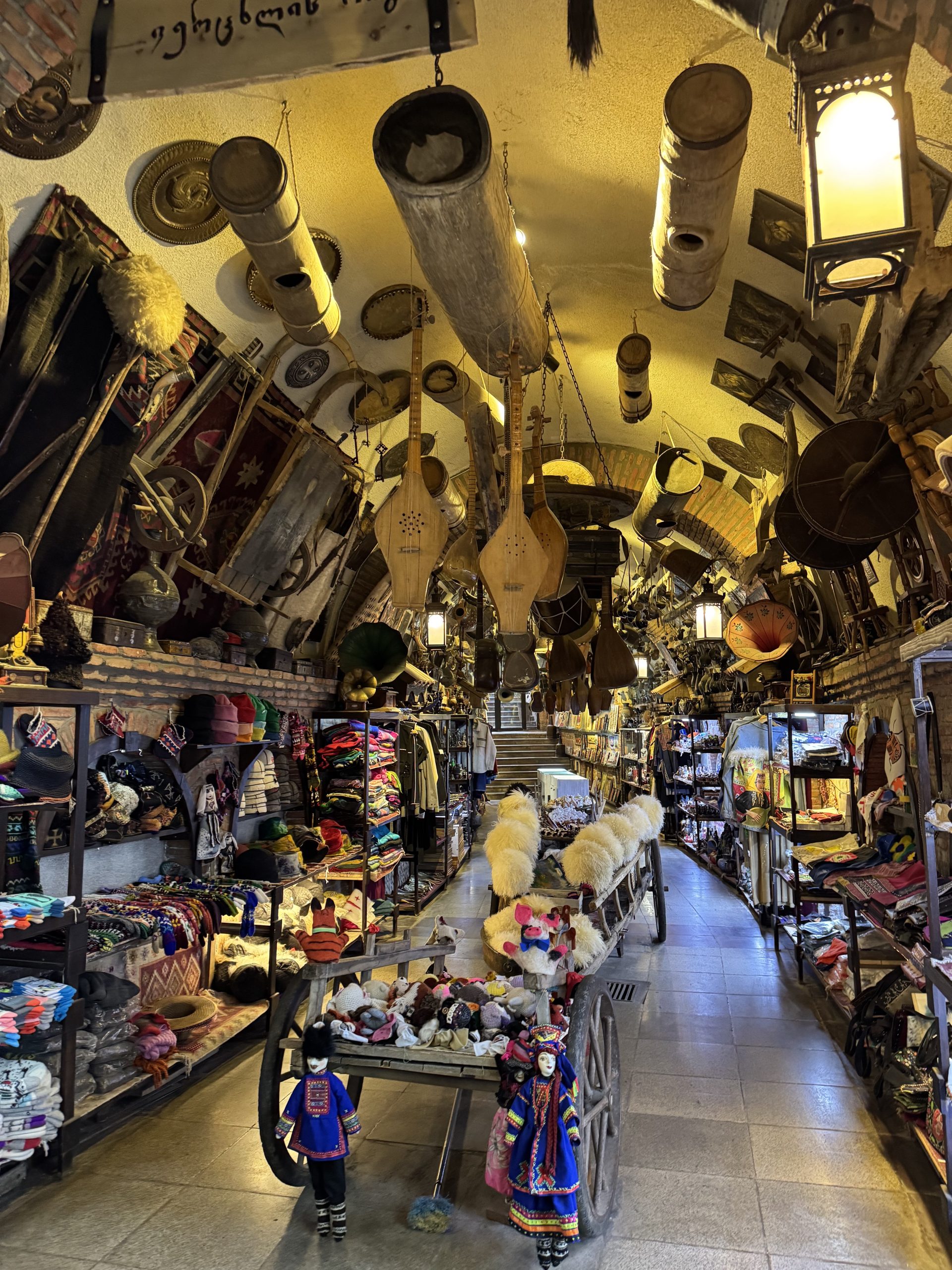
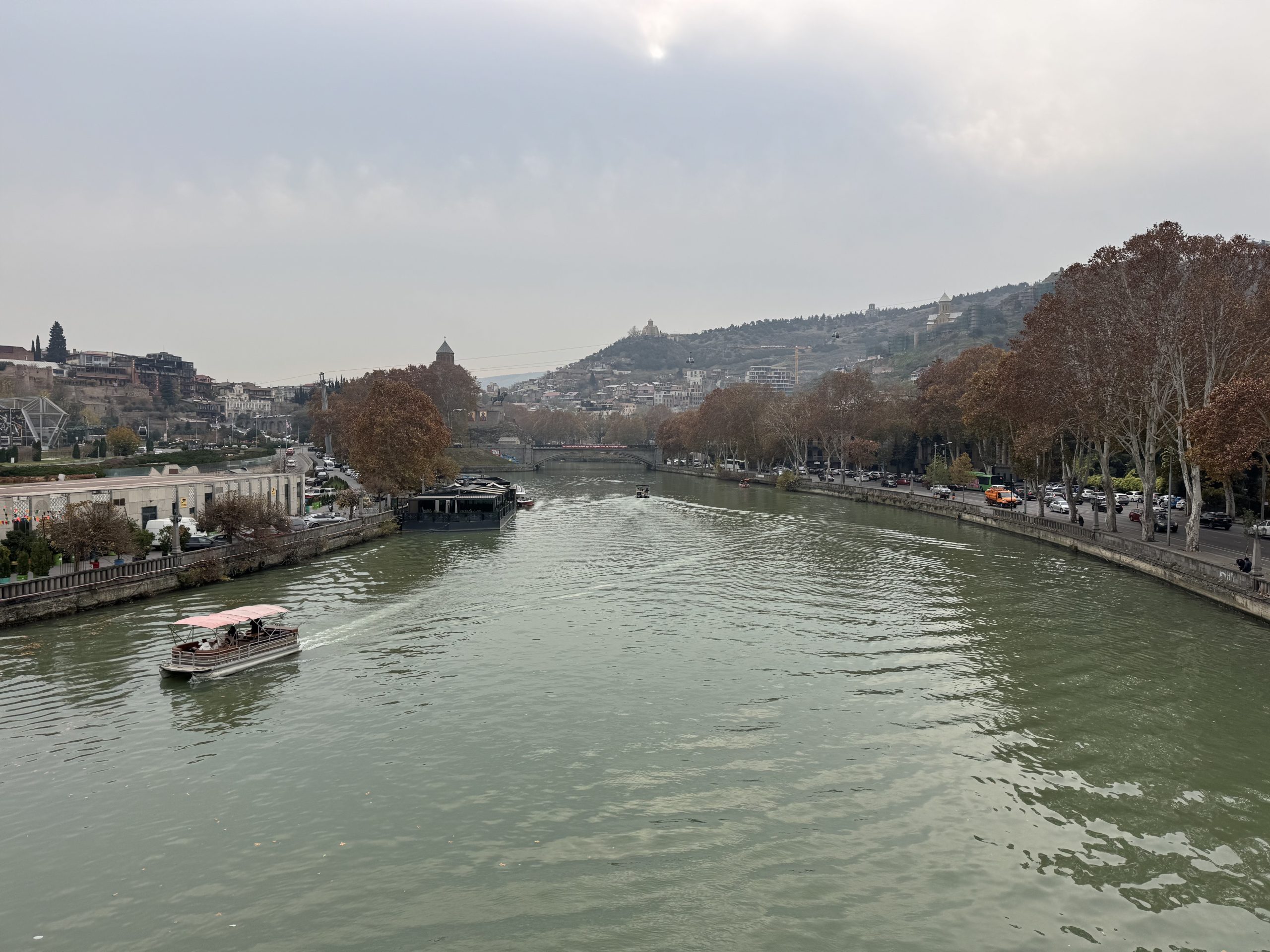
I quite liked Tbilisi, I think it has an interesting mix of old and new and it feels cool. Georgia went from very off the radar to a big tourist destination, and with that came more remote workers, more expats, more people who want to be in Tbilisi. It felt very cosmopolitan.
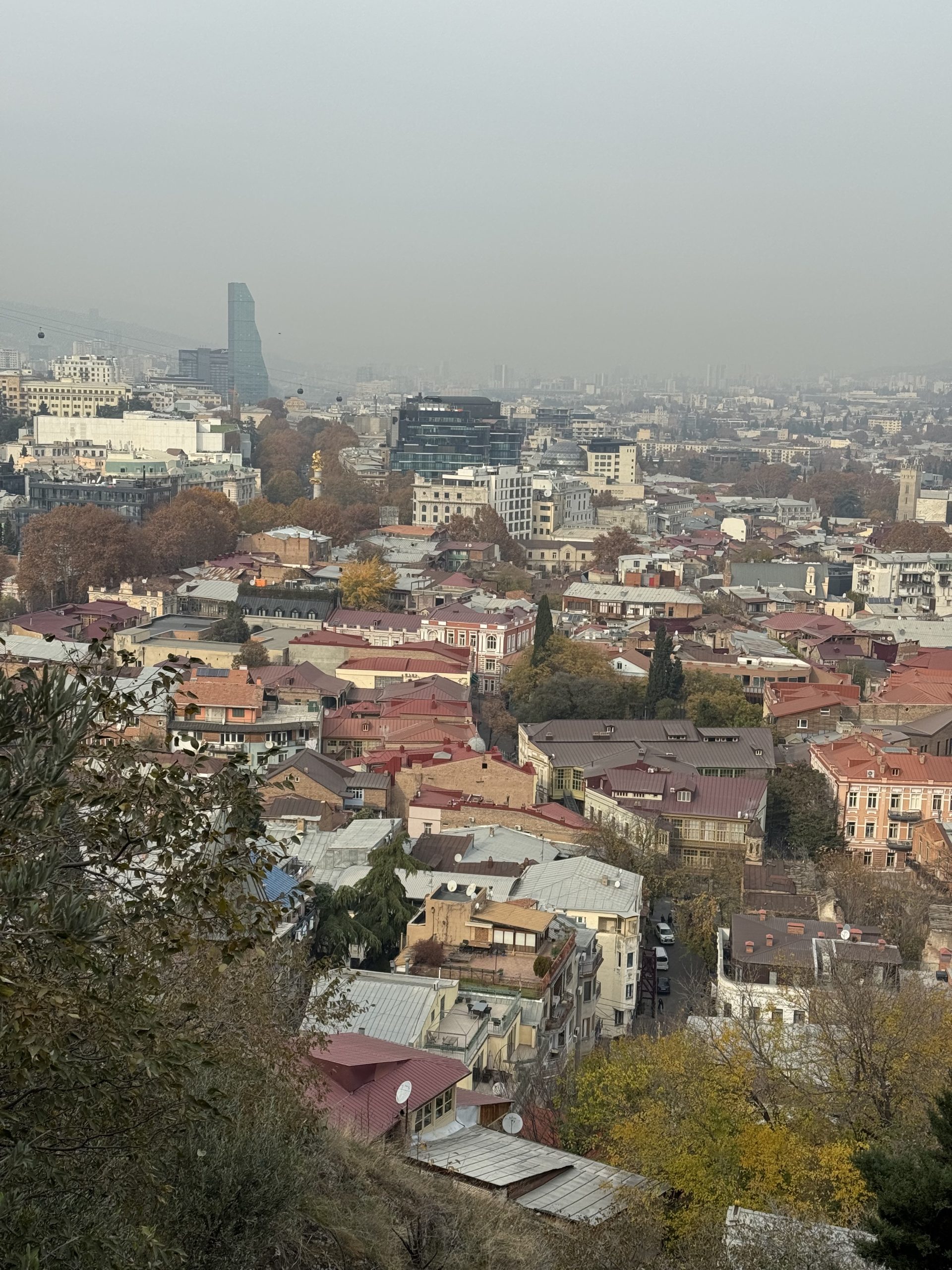
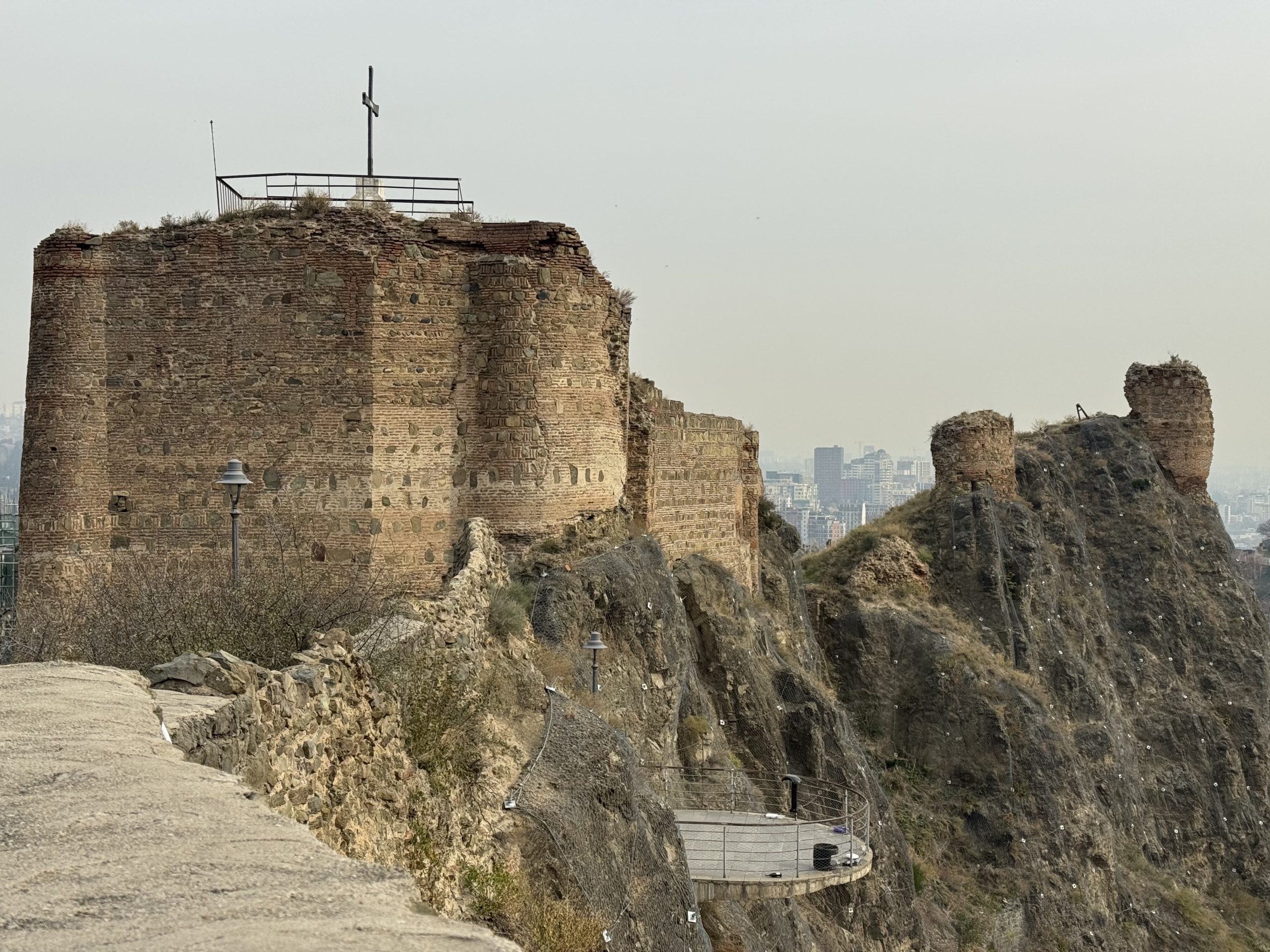
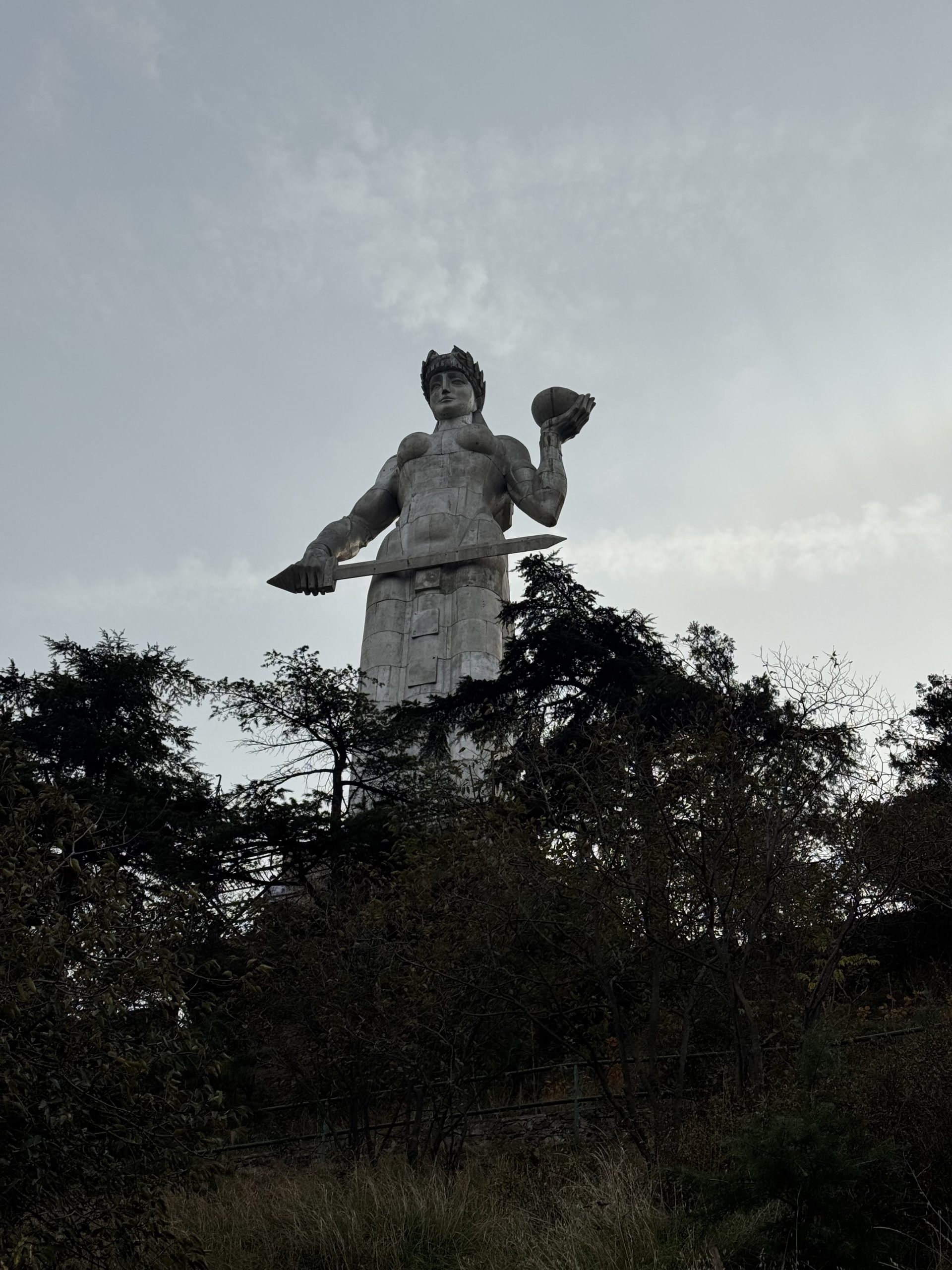
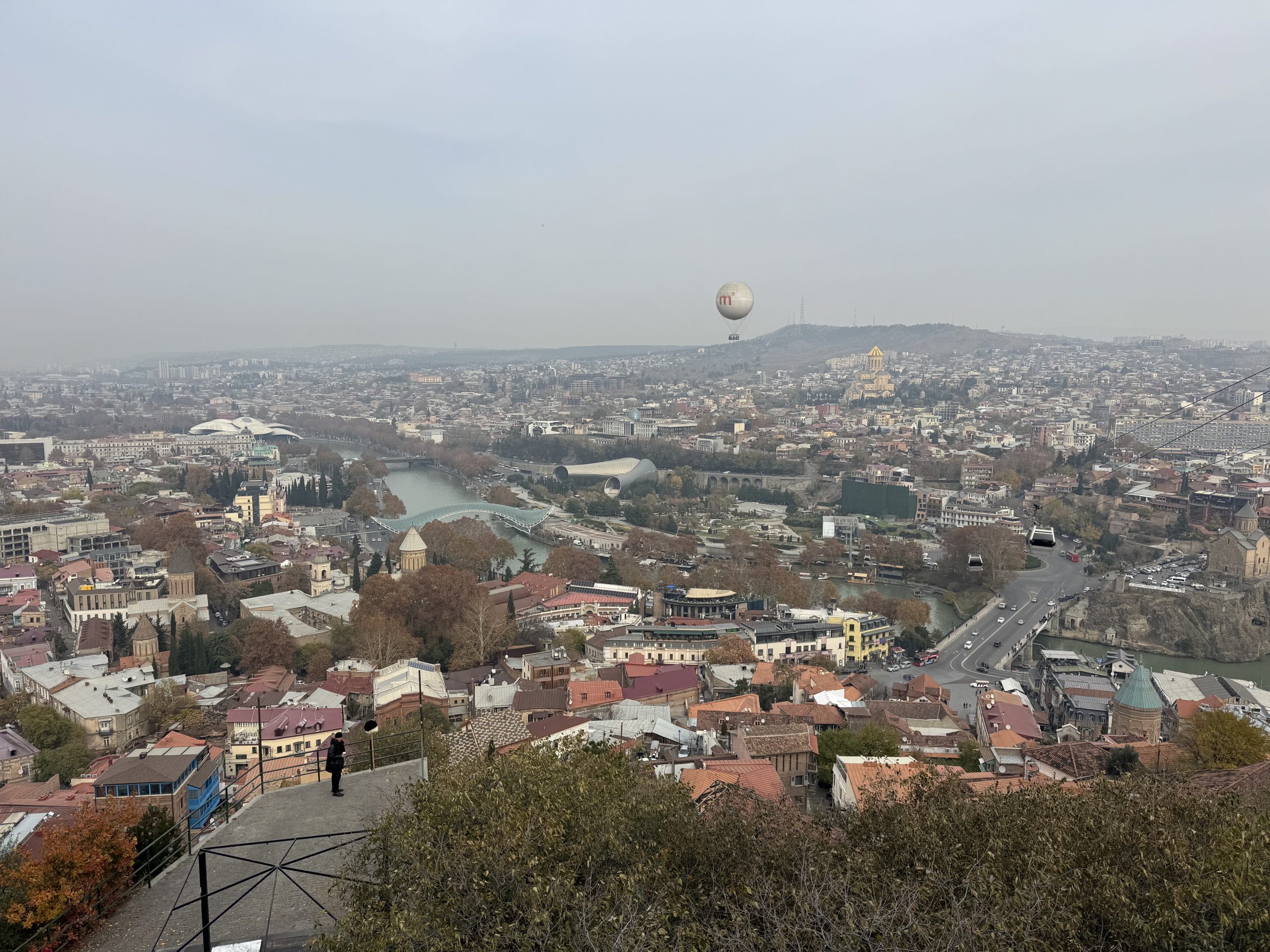
Tbilisi, like Yerevan, also has a large metal woman on a hill. We took a gondola up to the top to go see her and then walked back down. I would definitely recommend doing this on a clear day, because the views of the city were amazing!
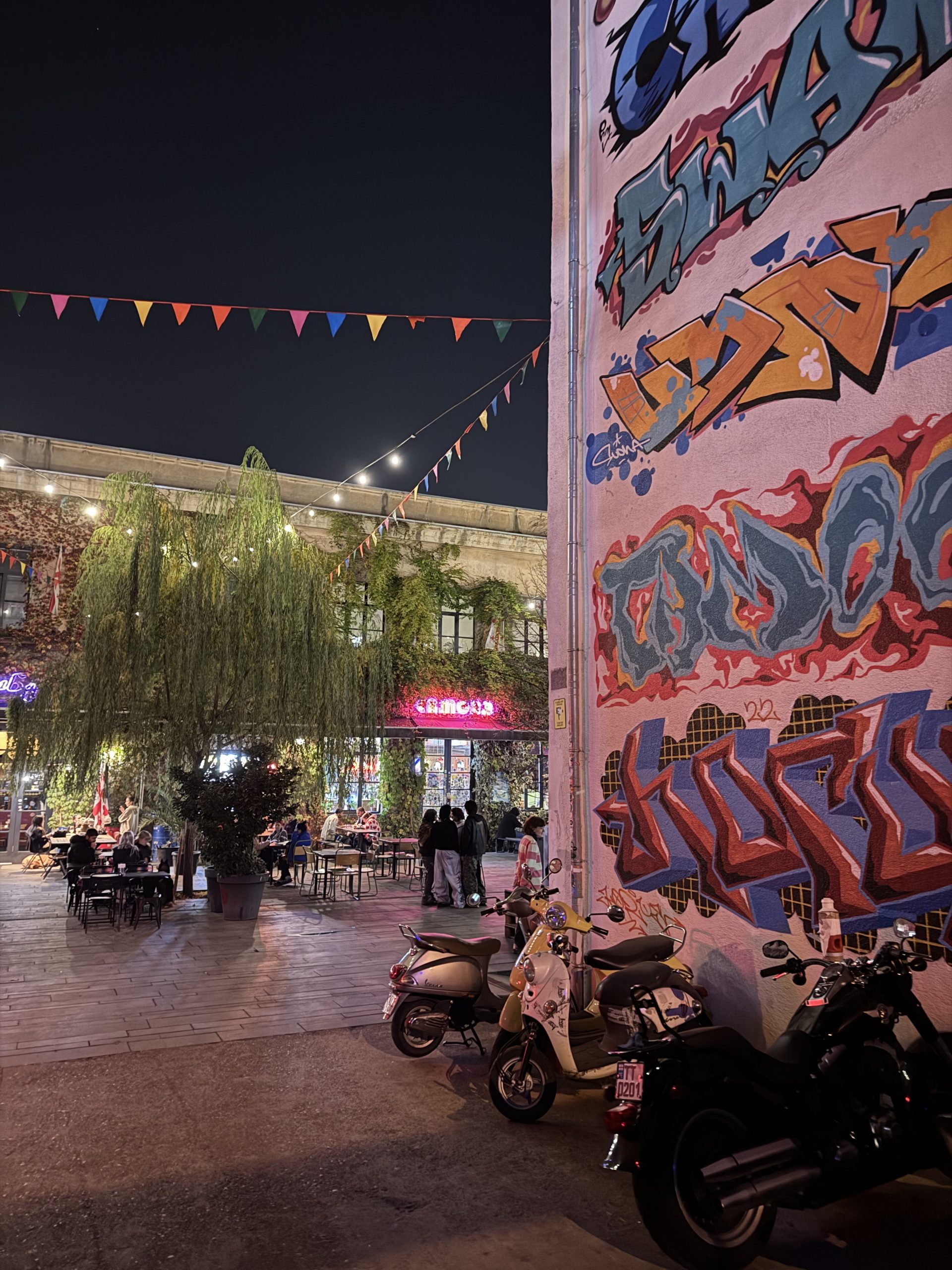
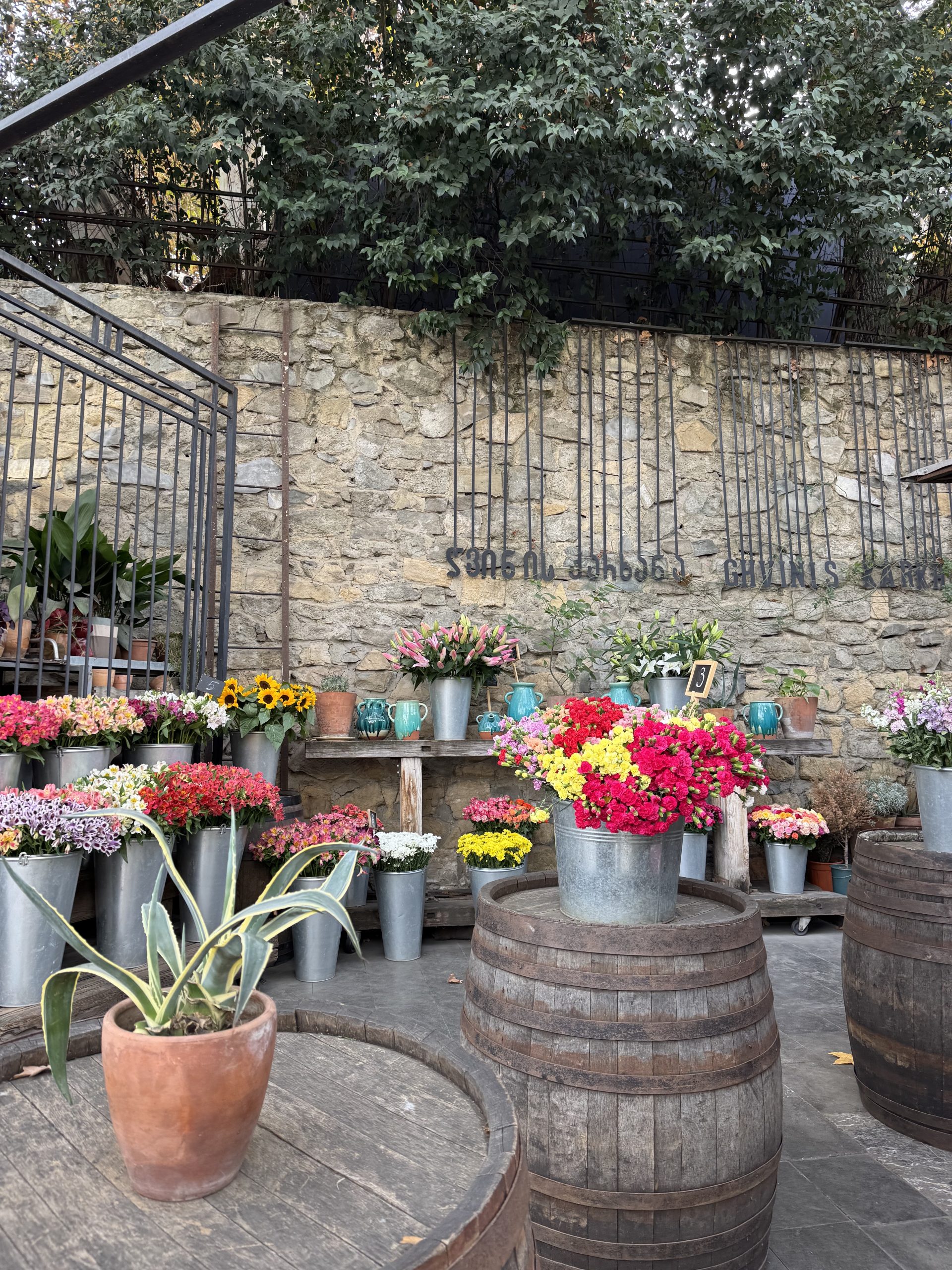
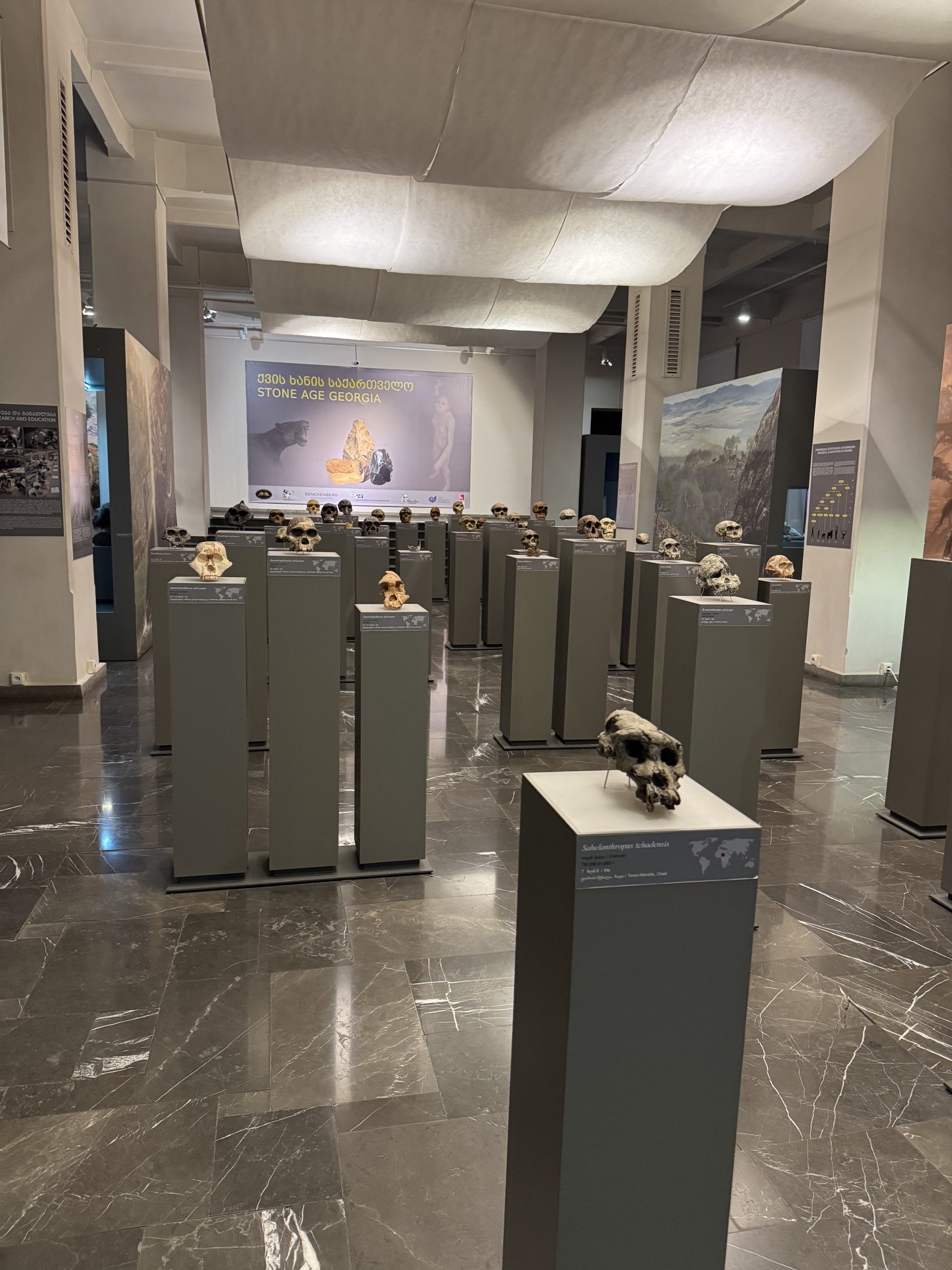
We also went to the National Museum. There were a lot of animals that are native to Georgia featured, and I thought the natural history portion was pretty solid.
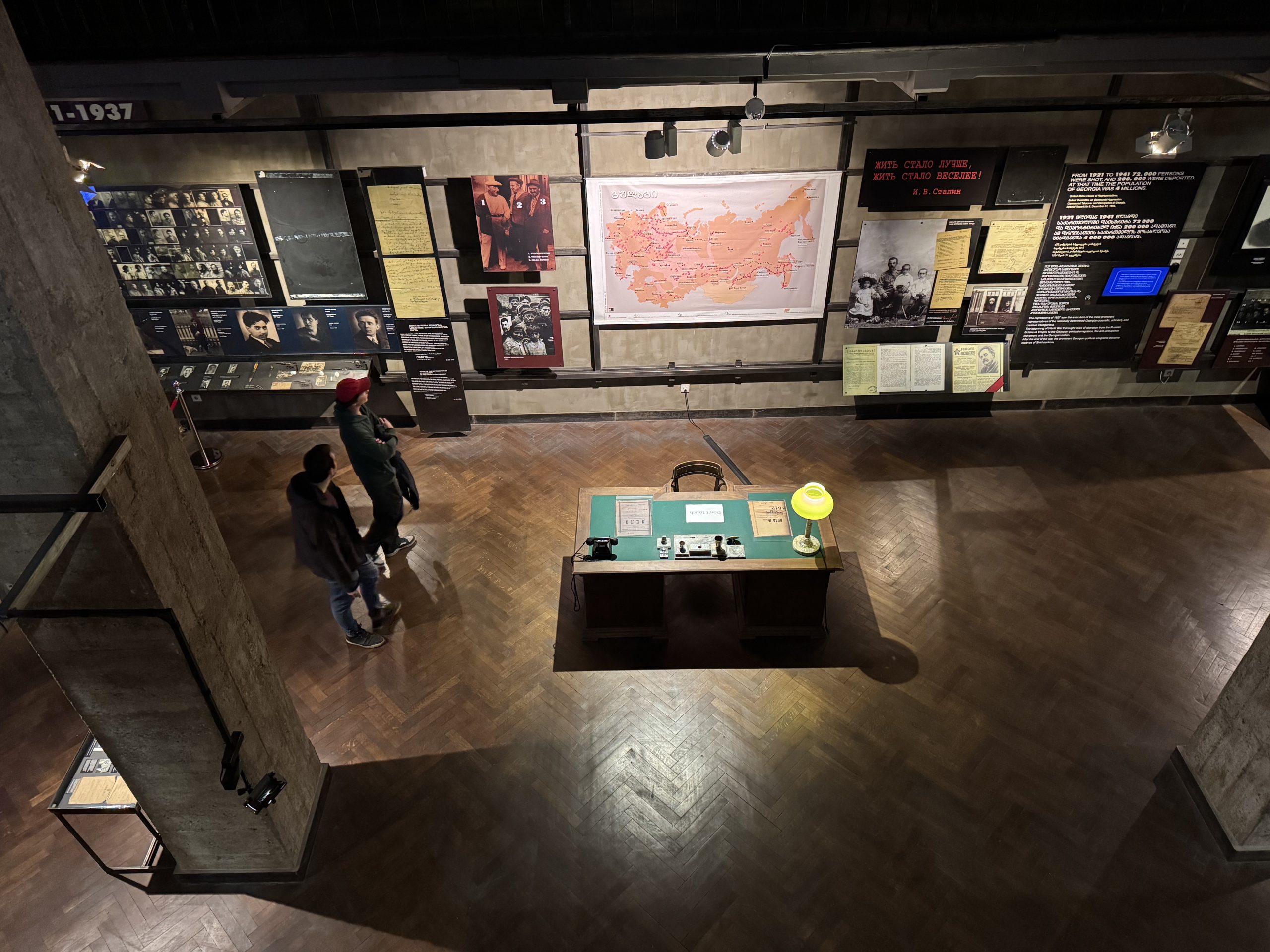
At the top, there’s a hallway that describes the history between Georgia and Russia, which was interesting but could have used a little more broad context in my opinion. While we were there, we saw multiple protests about Russia and the fact that their government seemed to be supporting Putin. We had local guides express negative opinions toward the country of Russia and the number of Russians living in Georgia. I think I have a decent sense of it all from my own knowledge of USSR history and other tours across the week, but I do think the museum itself could have more of that information accessible for someone who is starting with the basics.
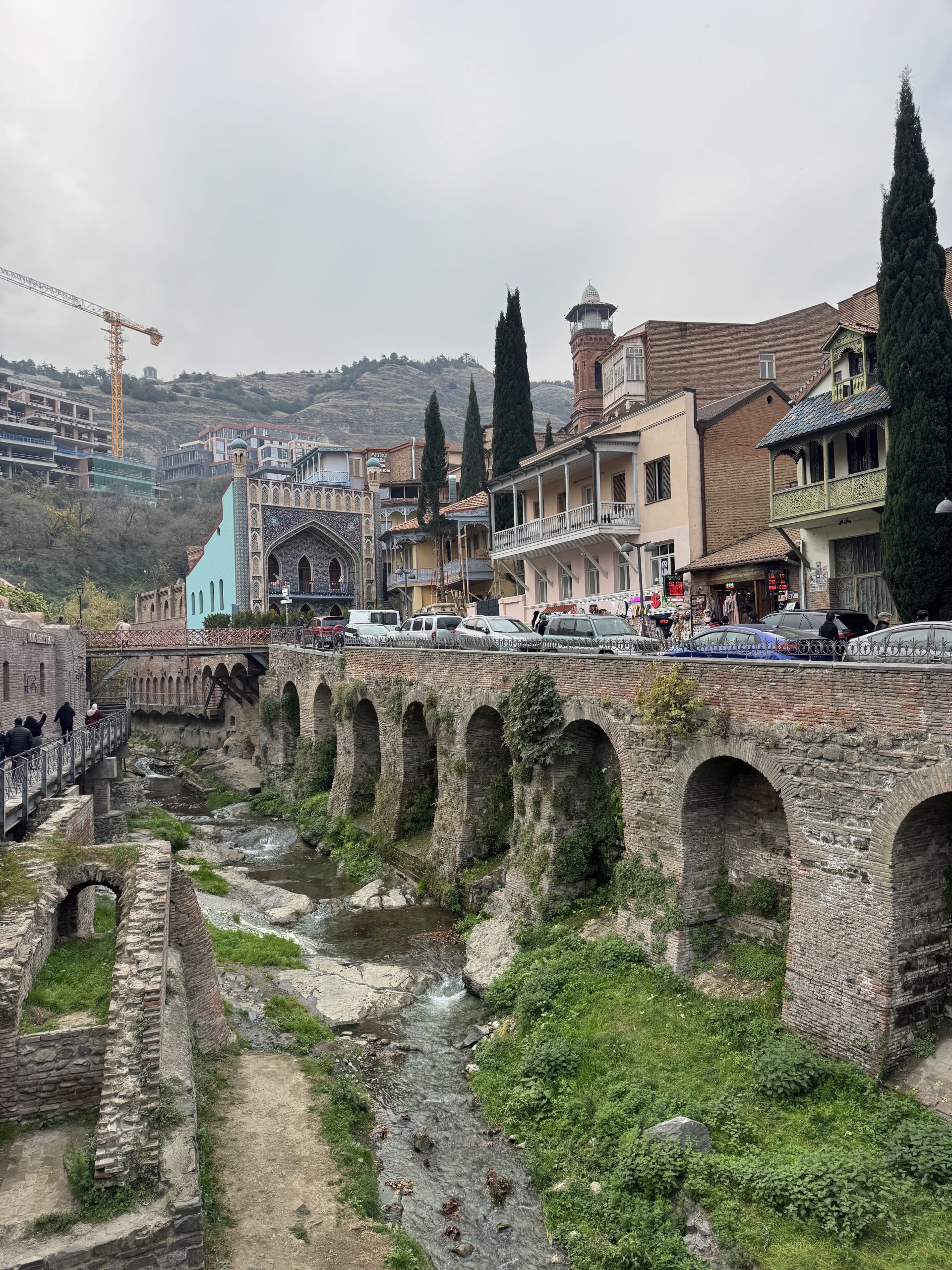
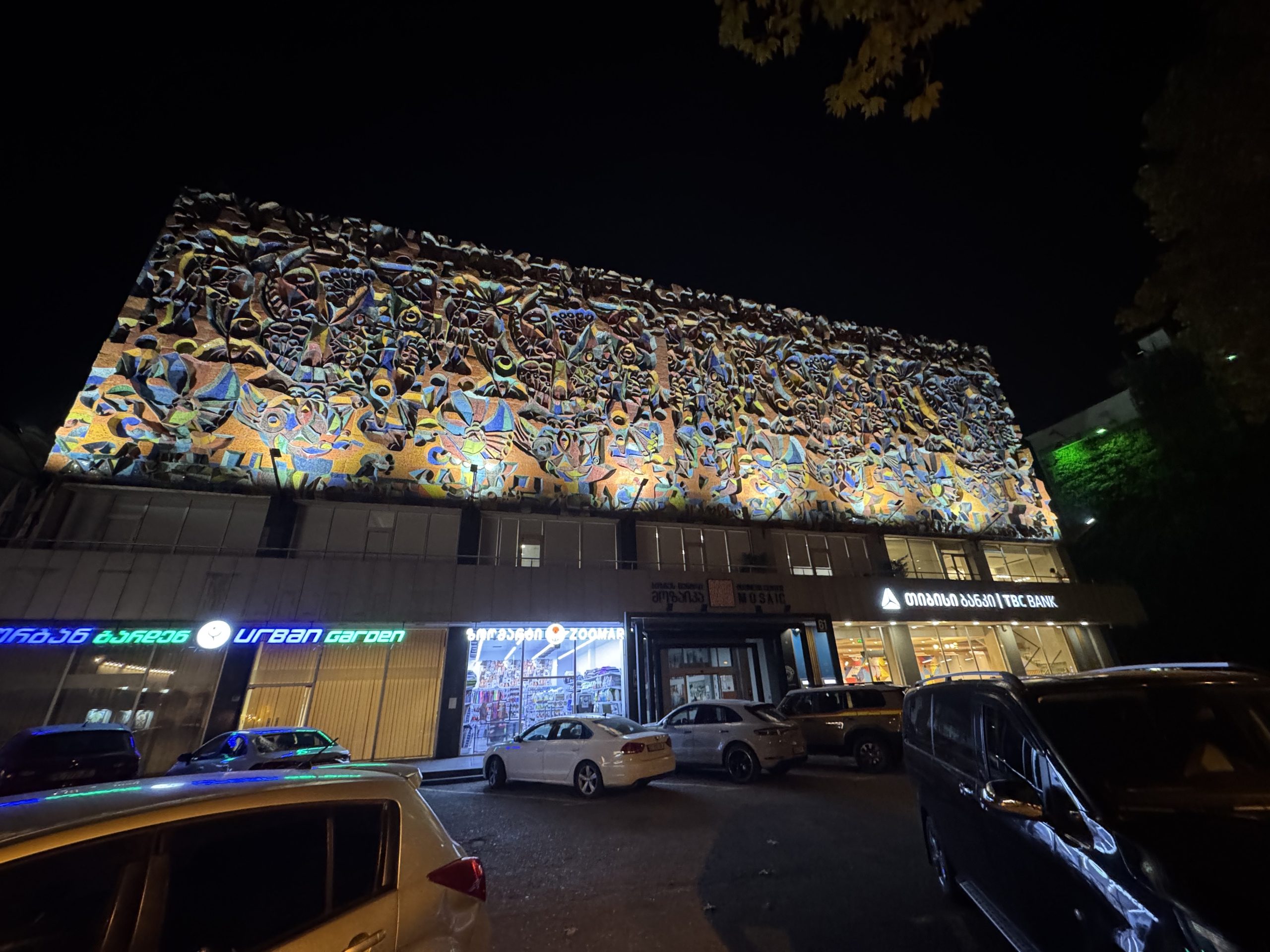
One of the other interesting cultural experiences we had in Georgia was trying chacha. Chacha is a local brandy, similar to vodka or grappa, and it is made from the grape residue that’s left over from making wine. Georgia really is out here inventing all the new ways to drink liquor!
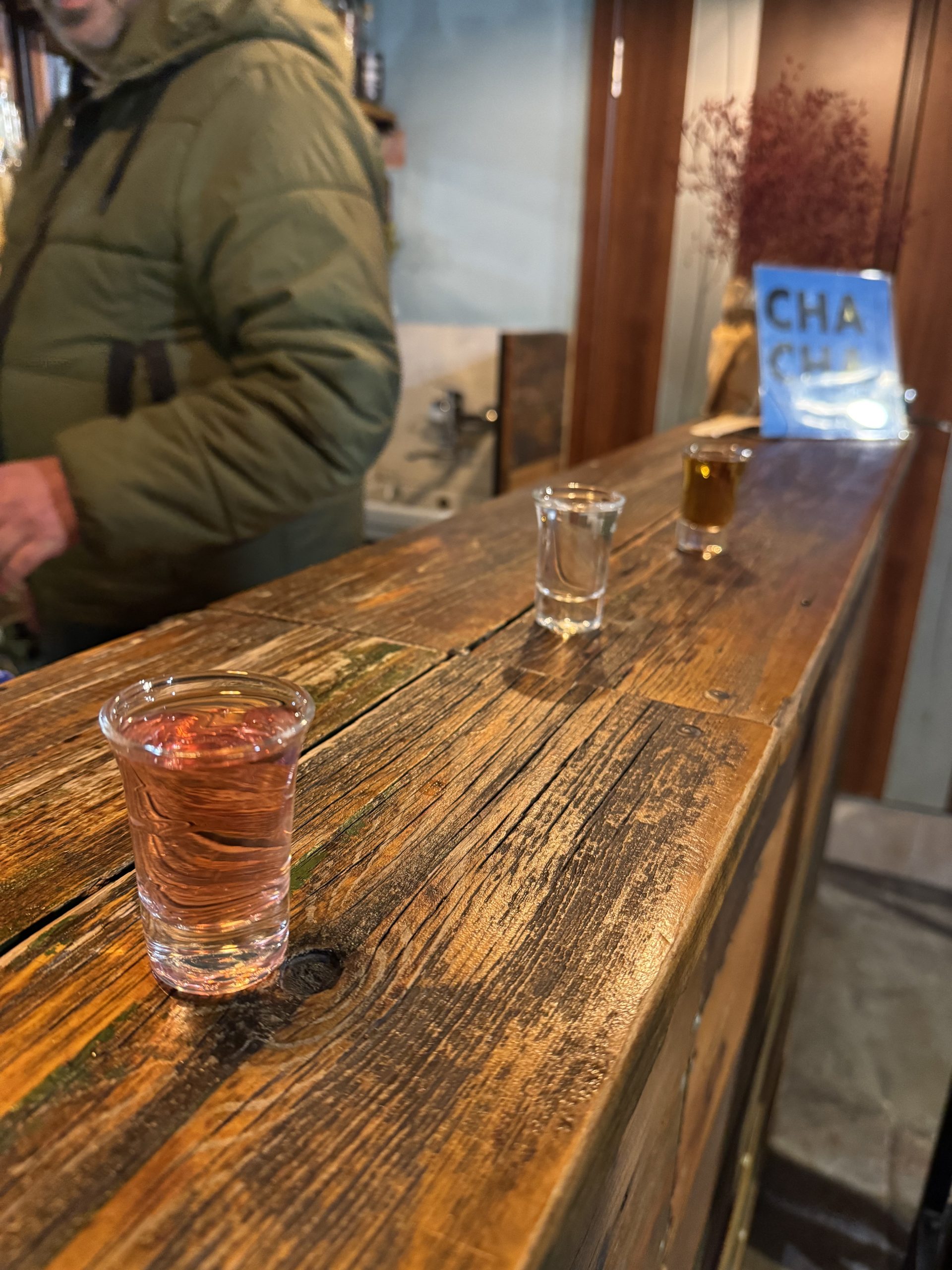
We went to a chacha bar and asked the guy for a tasting. It was sort of half bar, half liquor store, and he was clearly an expert. We tried three different types between us so we could each take a sip of each kind. It was very strong. I had the flavored one, which I was happy about because it went down a lot smoother than the original!
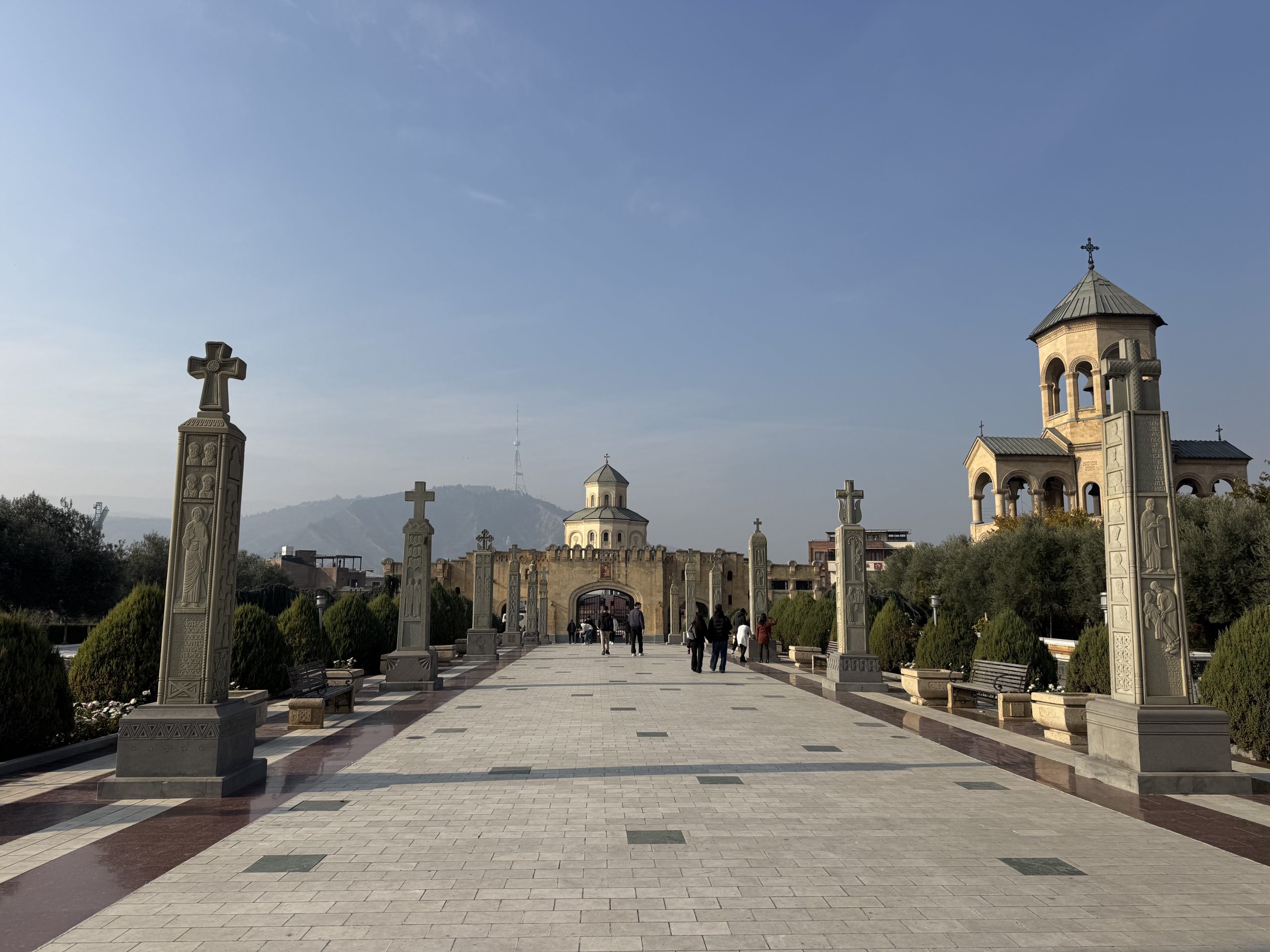
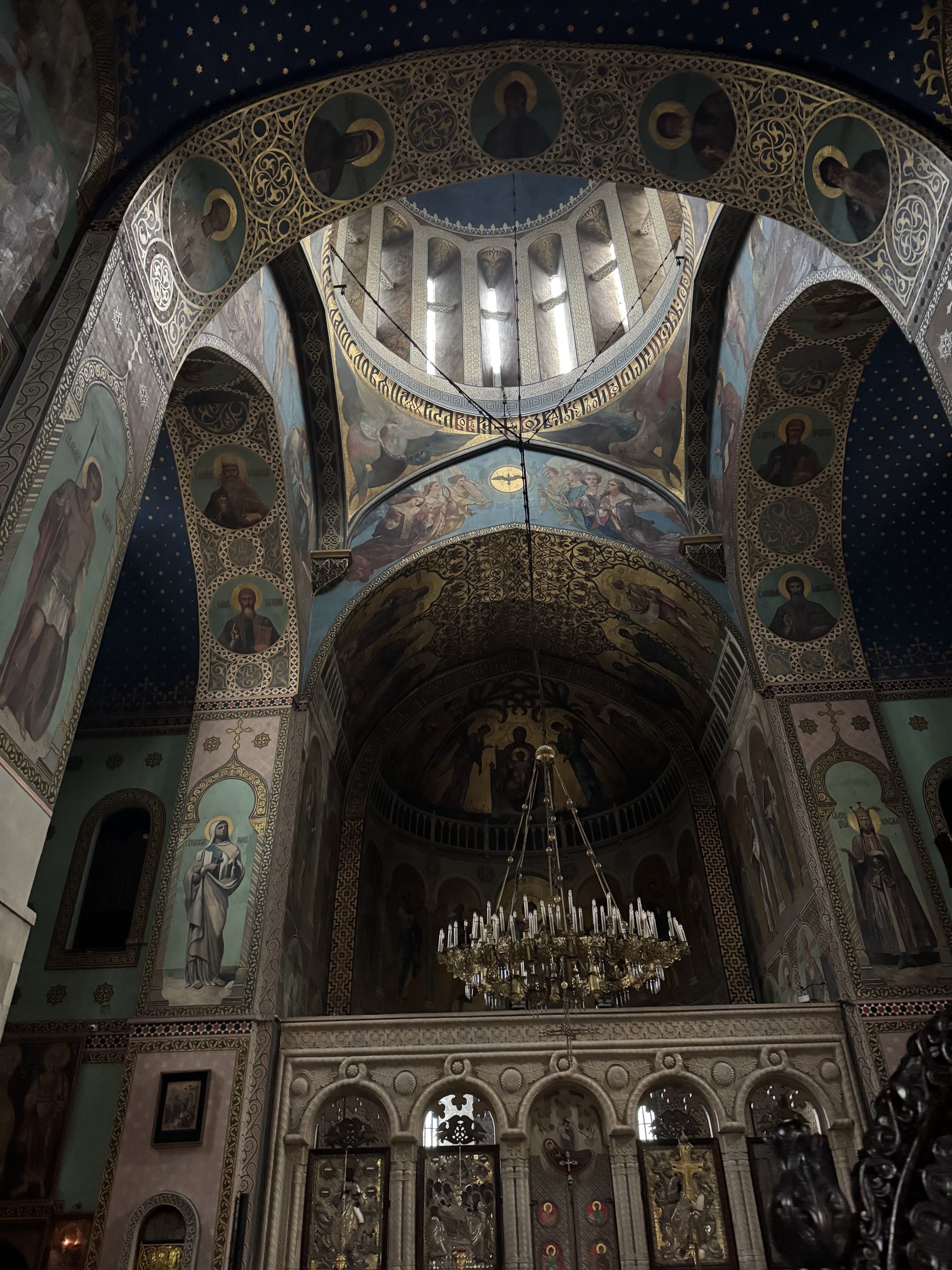
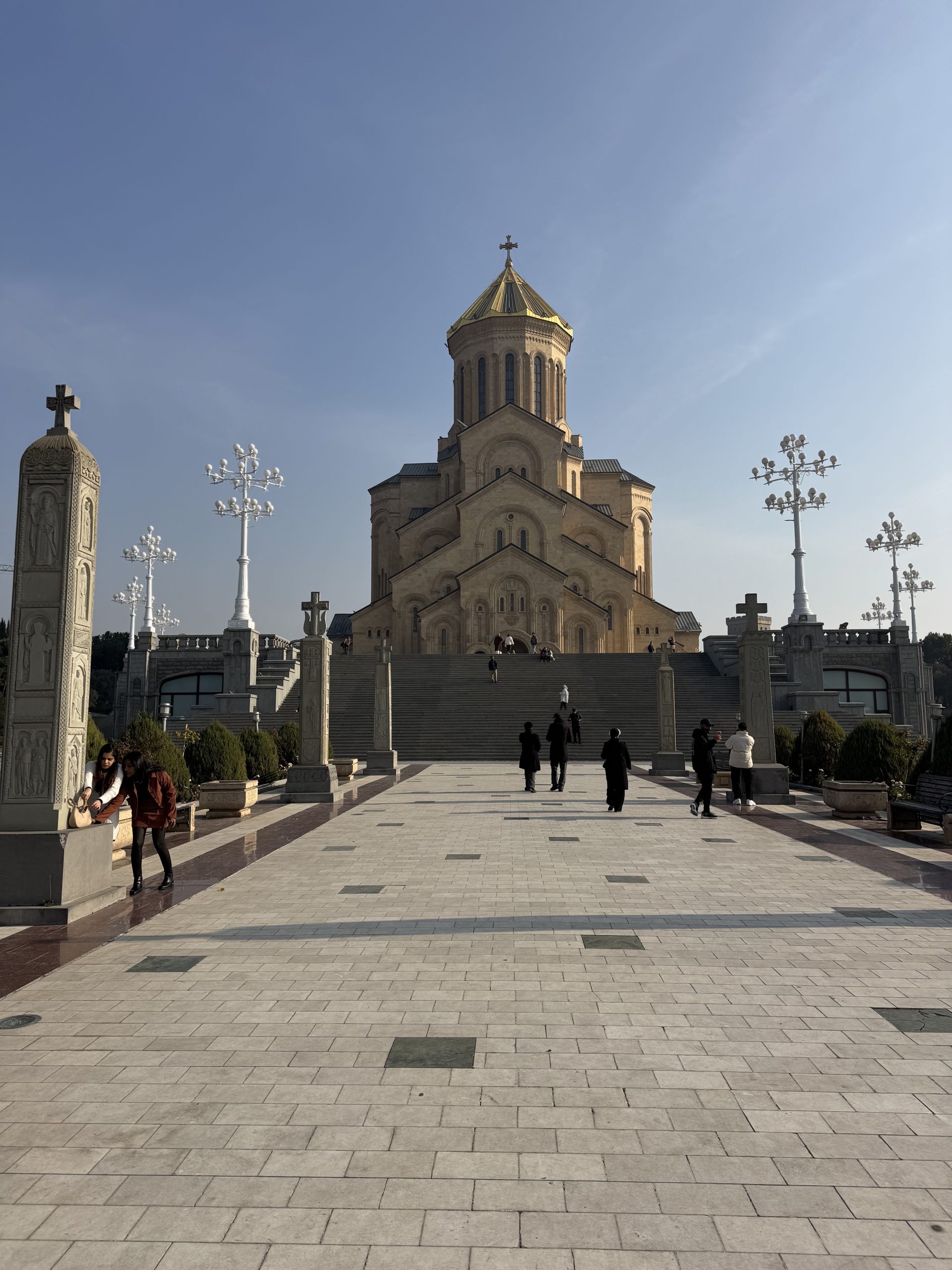
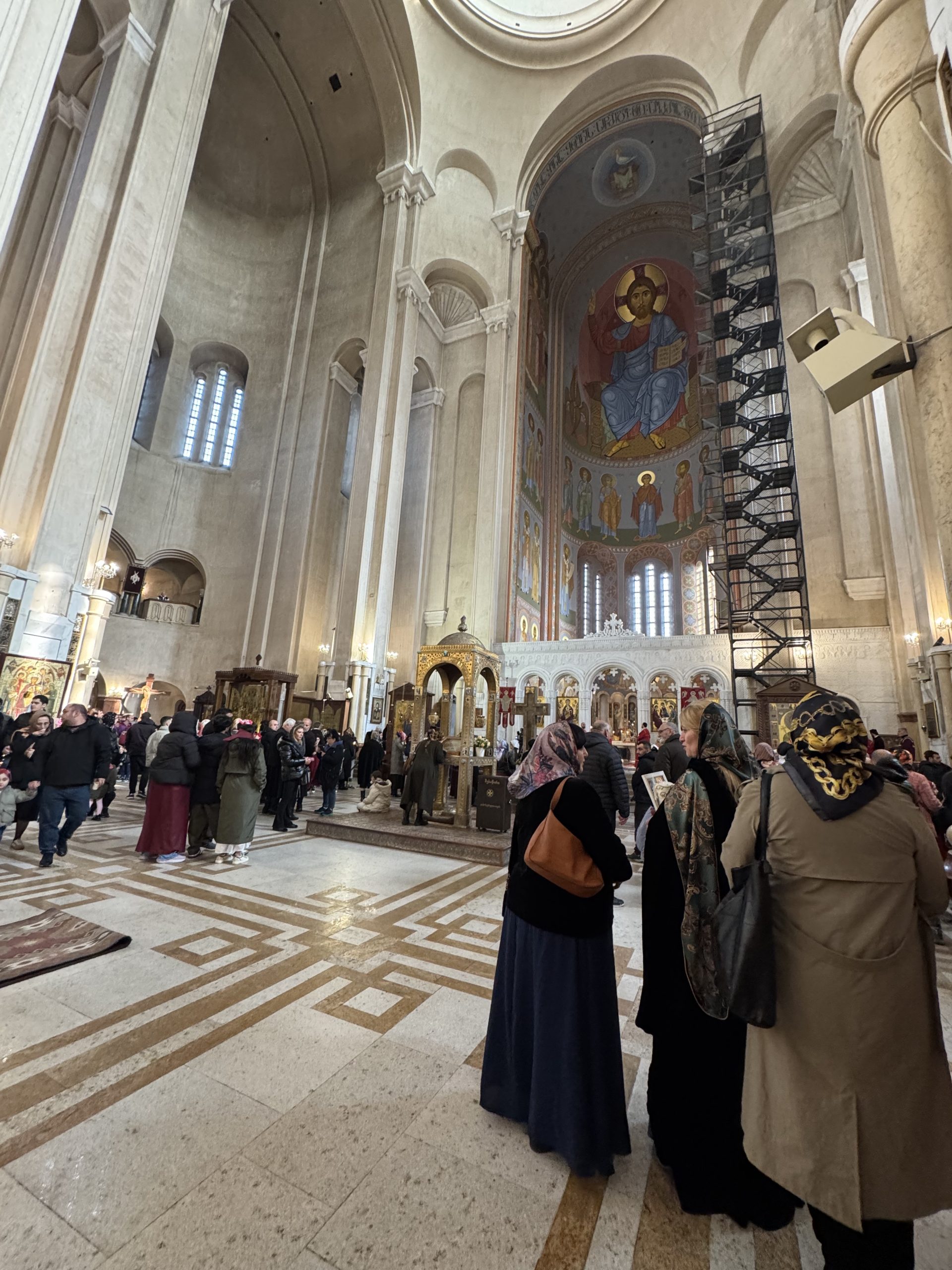
We also visited the Holy Trinity Cathedral of Tbilisi. Every time we found ourselves at a church in Georgia or Armenia, it was very well attended. This one seemed to be having some sort of confirmation or performance for children or something – there were tons of families there and the kids seemed to be in fancier outfits.
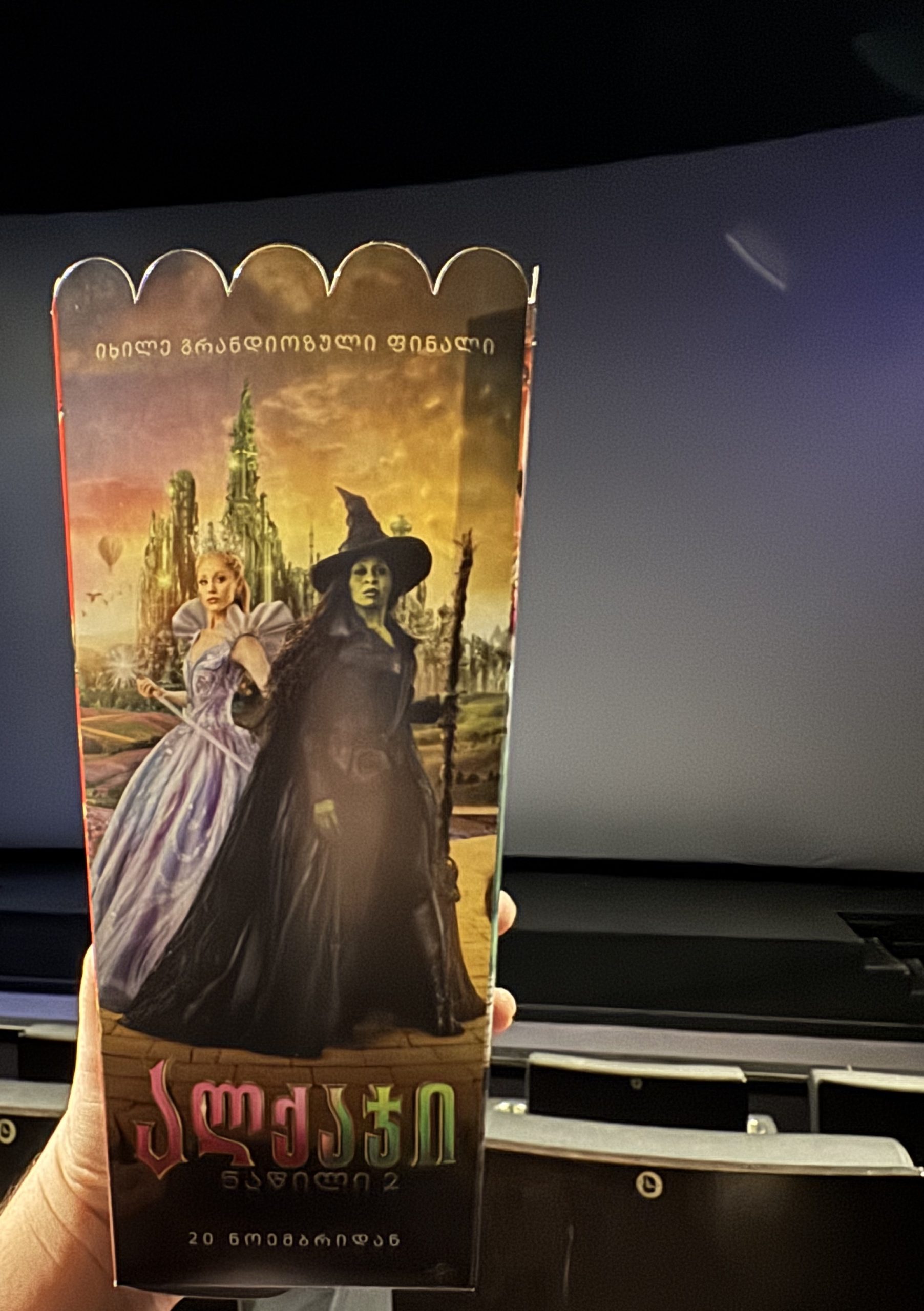
During our last night in Tbilisi, Colin was heading to the airport and it was just Alan and I again. We started talking about how we were both missing the chance to see Wicked: For Good with our friends at home, so we decided to see if it was available anywhere in Tbilisi in English. We found an English-language screening at the theater in the mall near the apartment we were renting and so we headed to the movies! I haven’t gone to the movies when I’m abroad very often, but it was kind of a great way to finish out our trip. Although I do wish the movie hadn’t been in 3D since it made the sets look a bit fuzzier than I remembered in Part 1.
I had an amazing time in Georgia! I feel like I saw a lot, but I would go back to explore more of the western part of the city and just spend more time there. I found the culture very warm and the food and wine there was great. I will definitely be back to the Caucasus region to visit Azerbaijan, and I would happily stop back in Tbilisi at that point.