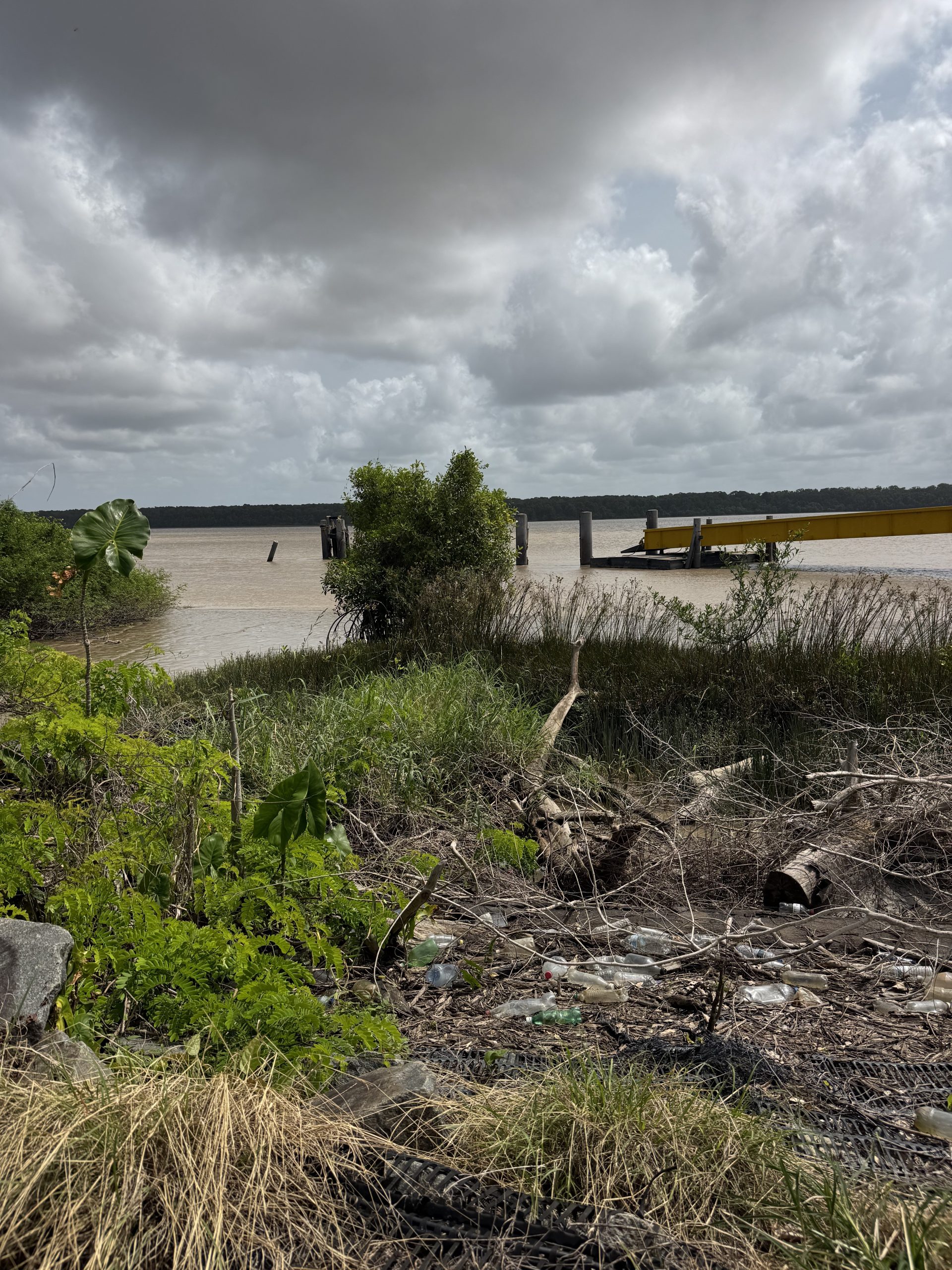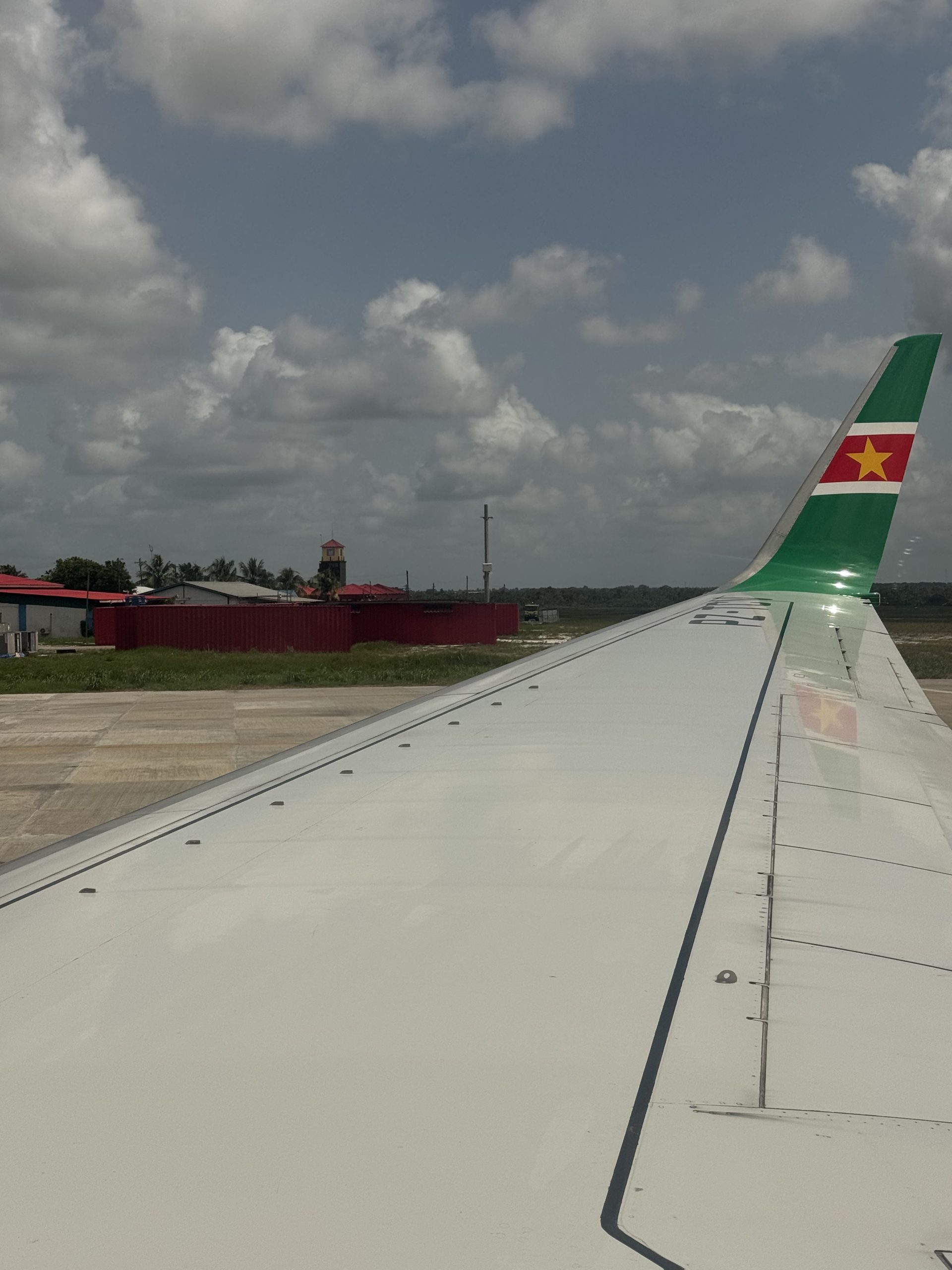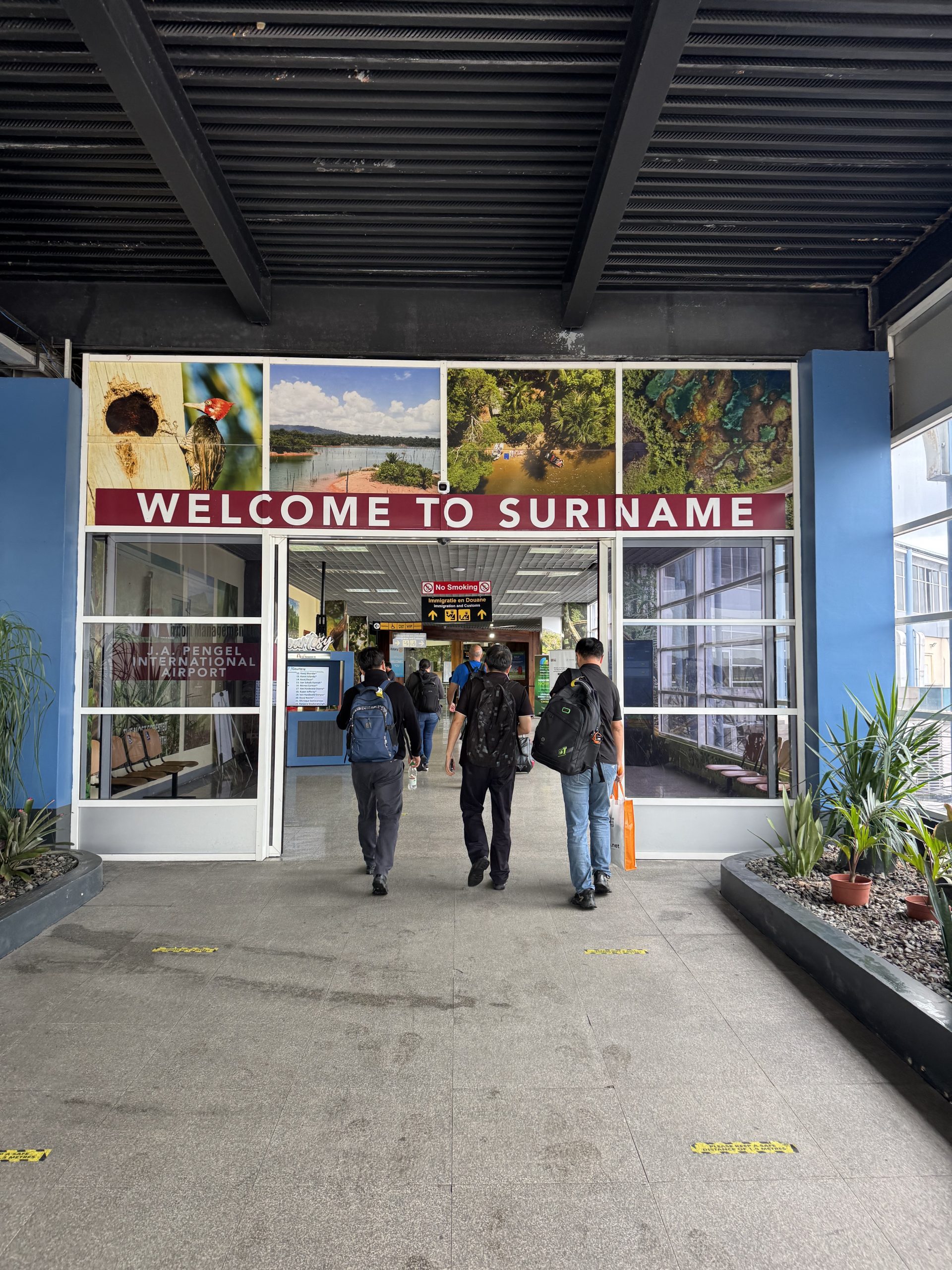
It took a lot of effort to get to Suriname, and the logistics didn’t stop once we arrived. From the airport, we drove for a couple hours until we got to a river, where we all loaded onto boats for about an hour’s ride to get to our ecolodge.
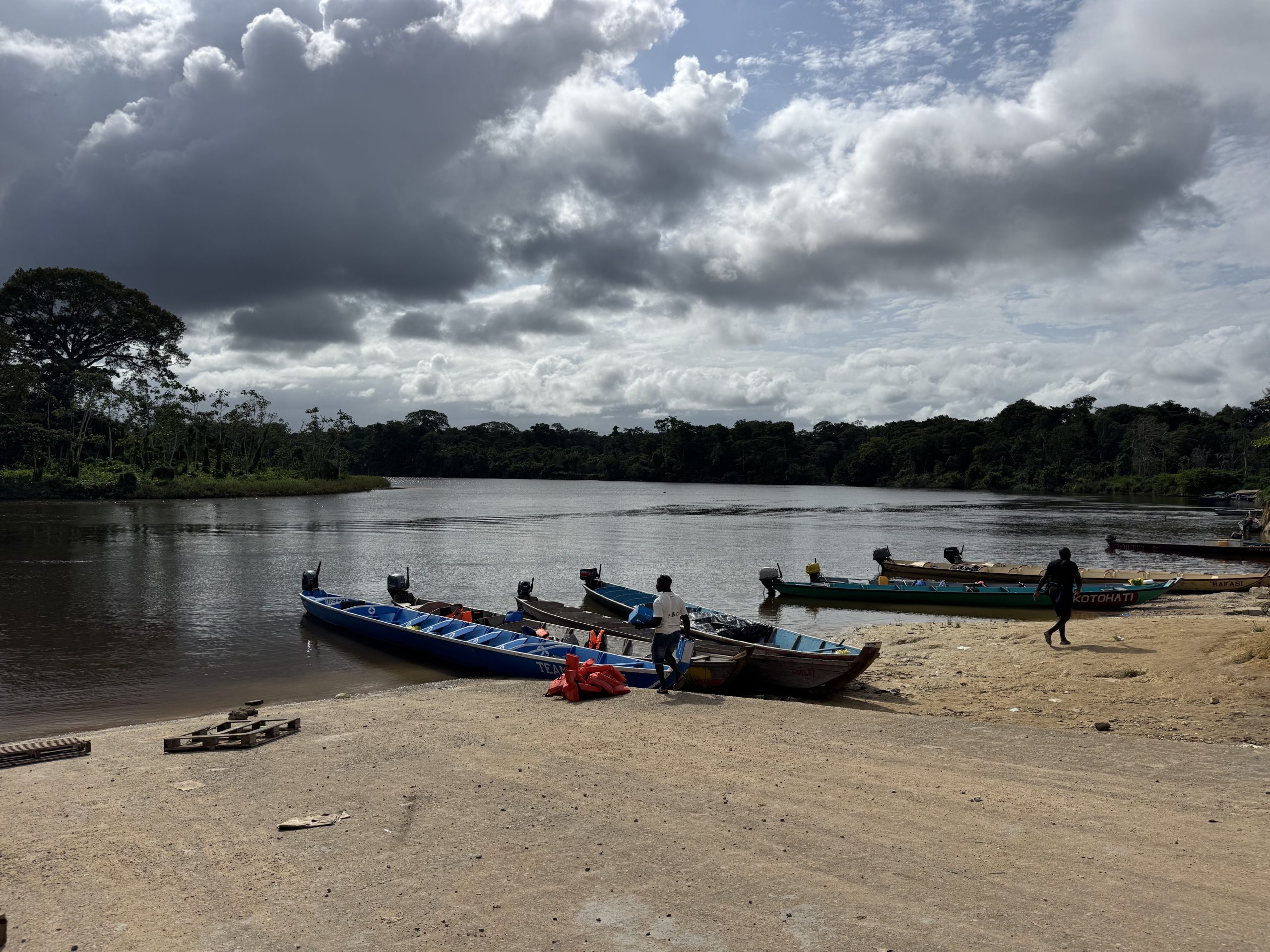
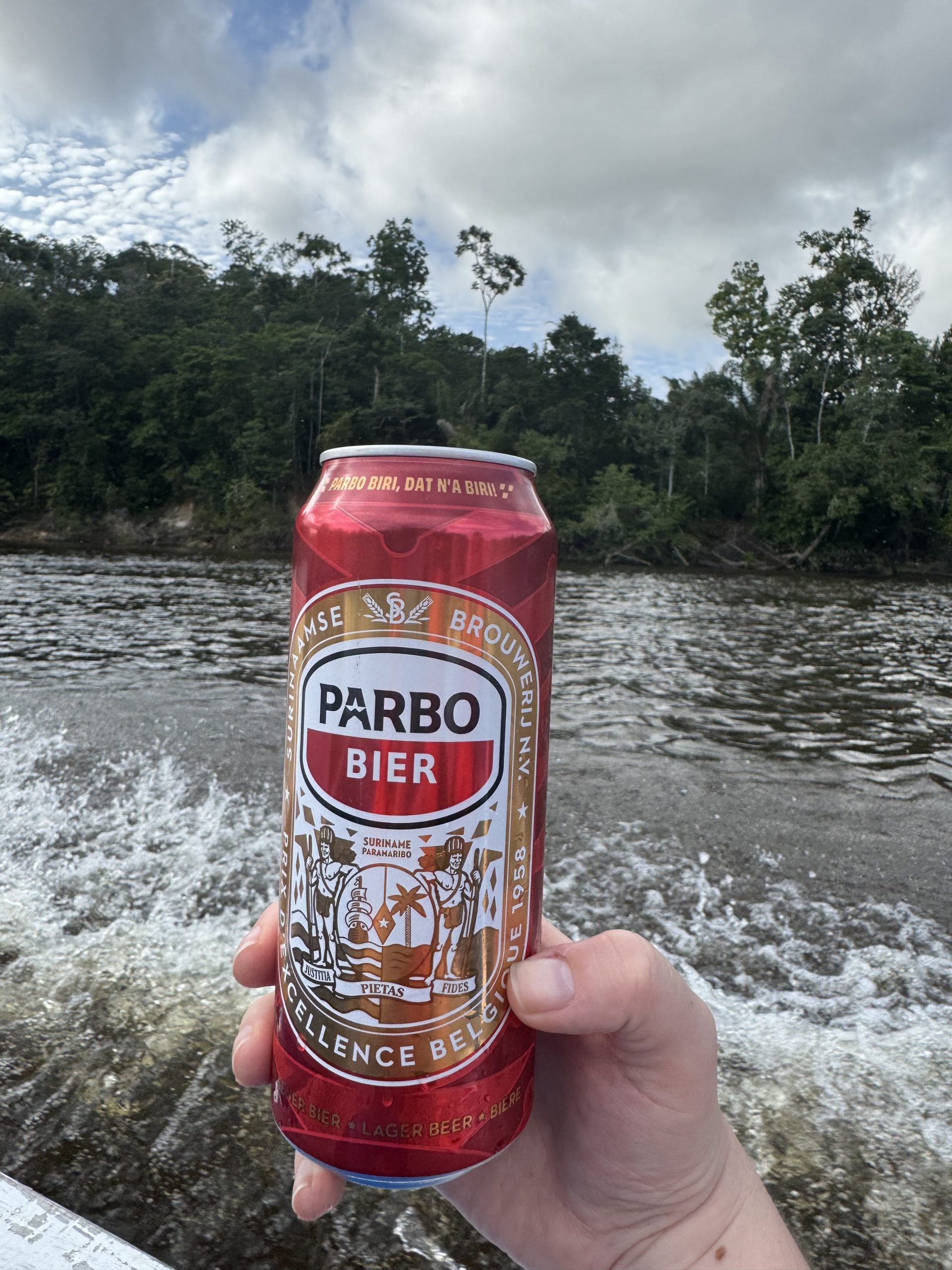
Getting on the boats was such a huge relief. I’m pretty sure the ecolodge would have been amazing regardless, but it was particularly nice after the failed ferry attempt and that extra night in Georgetown.
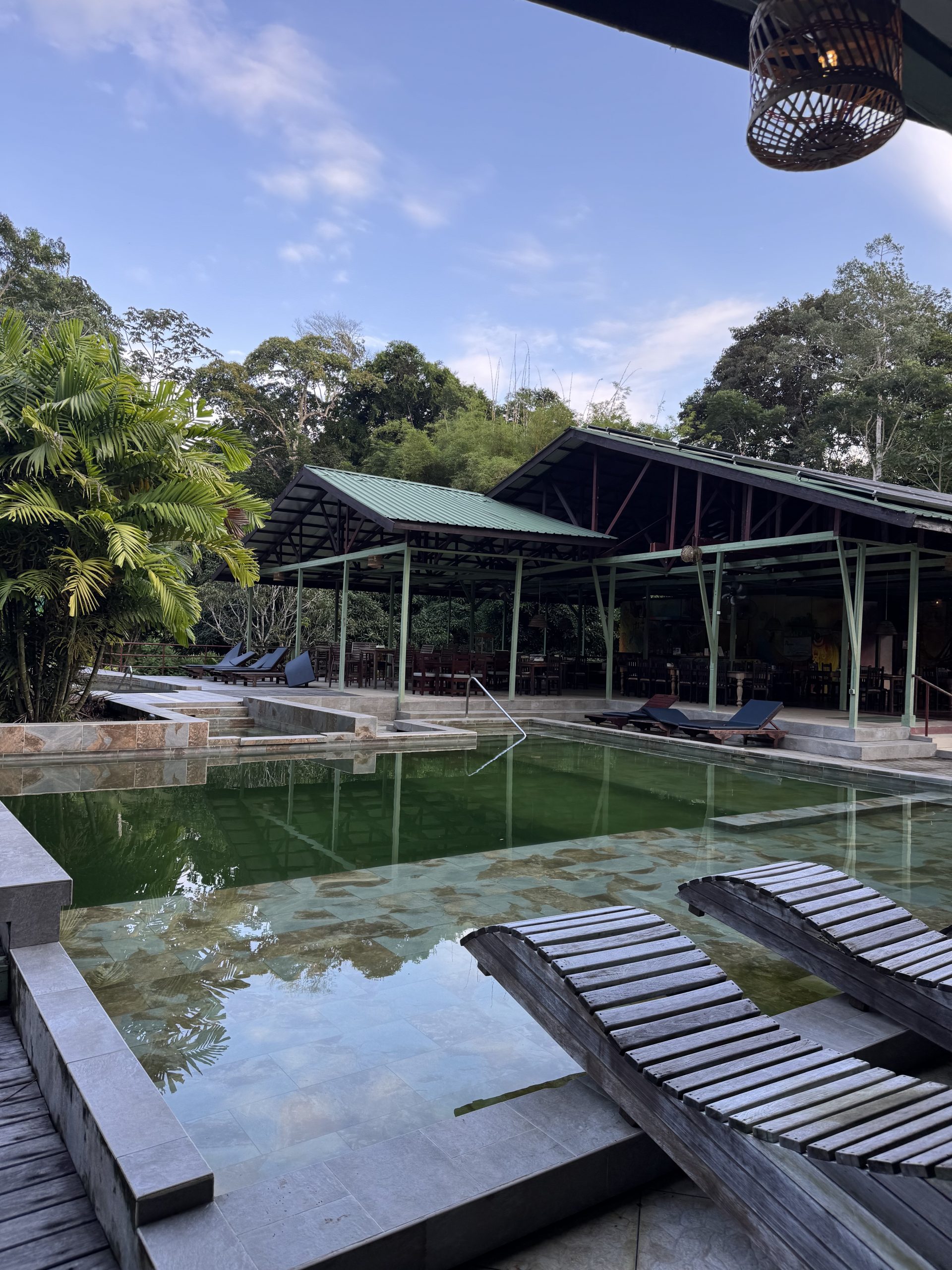
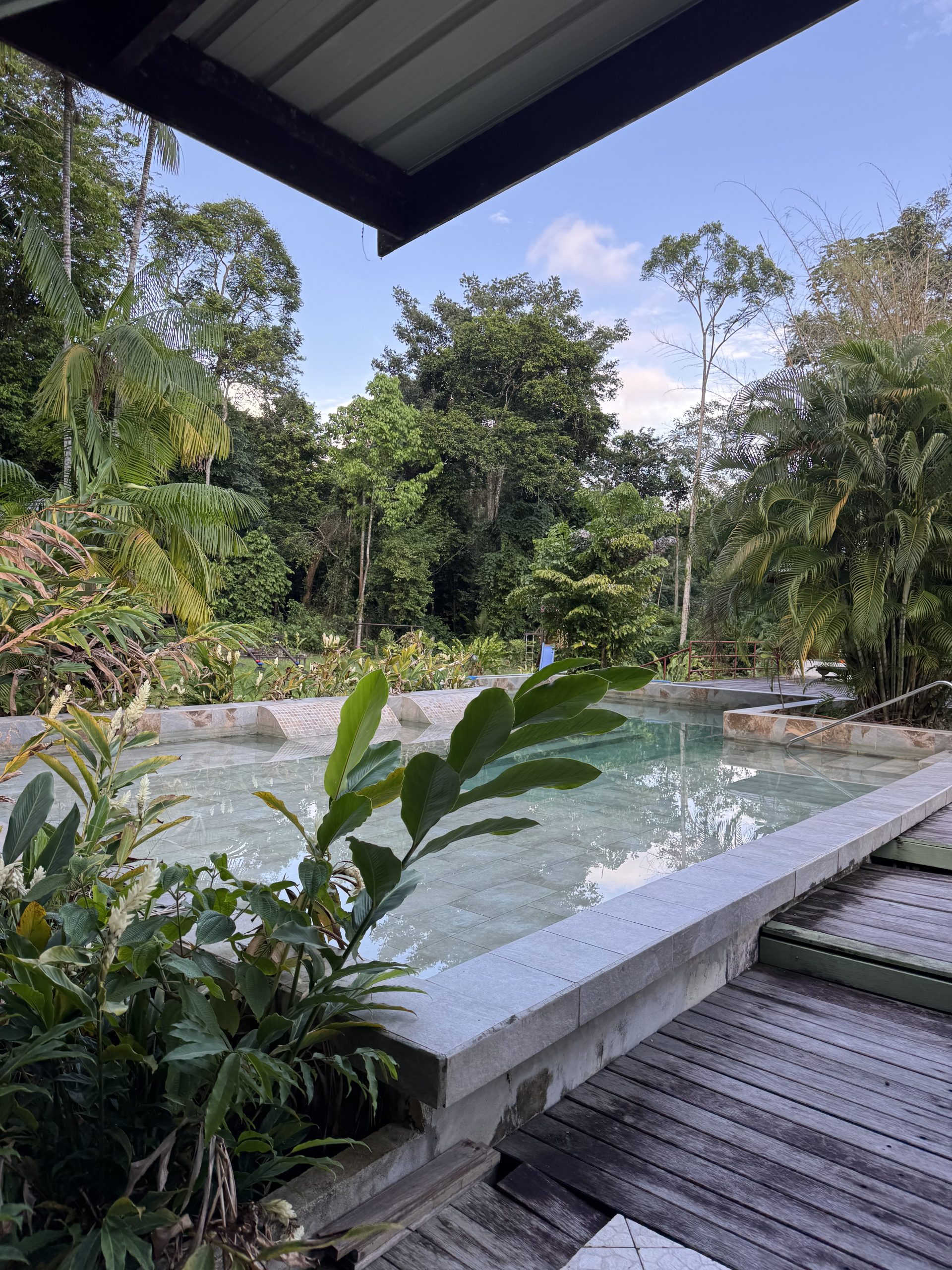
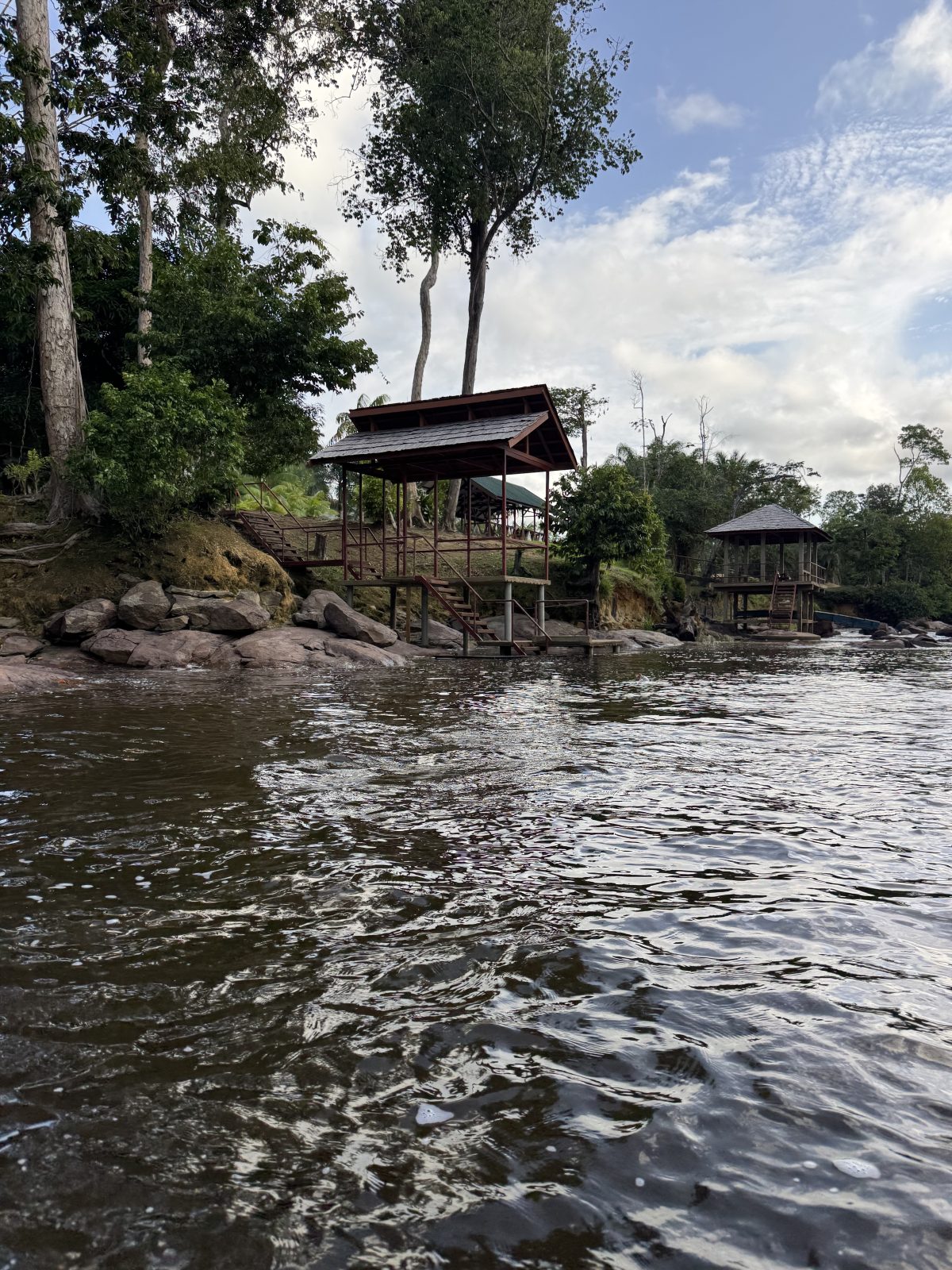
I loved the ecolodge. The way that it worked was as a sort of all-inclusive experience, where they served us breakfast, lunch, and dinner. There was always coffee and tea available as well, although alcohol was extra. Then they arranged activities for us along the Suriname River. We still had plenty of free time to relax by the pool or play games as a group. It was really well-balanced, and it was a great way to experience this region.
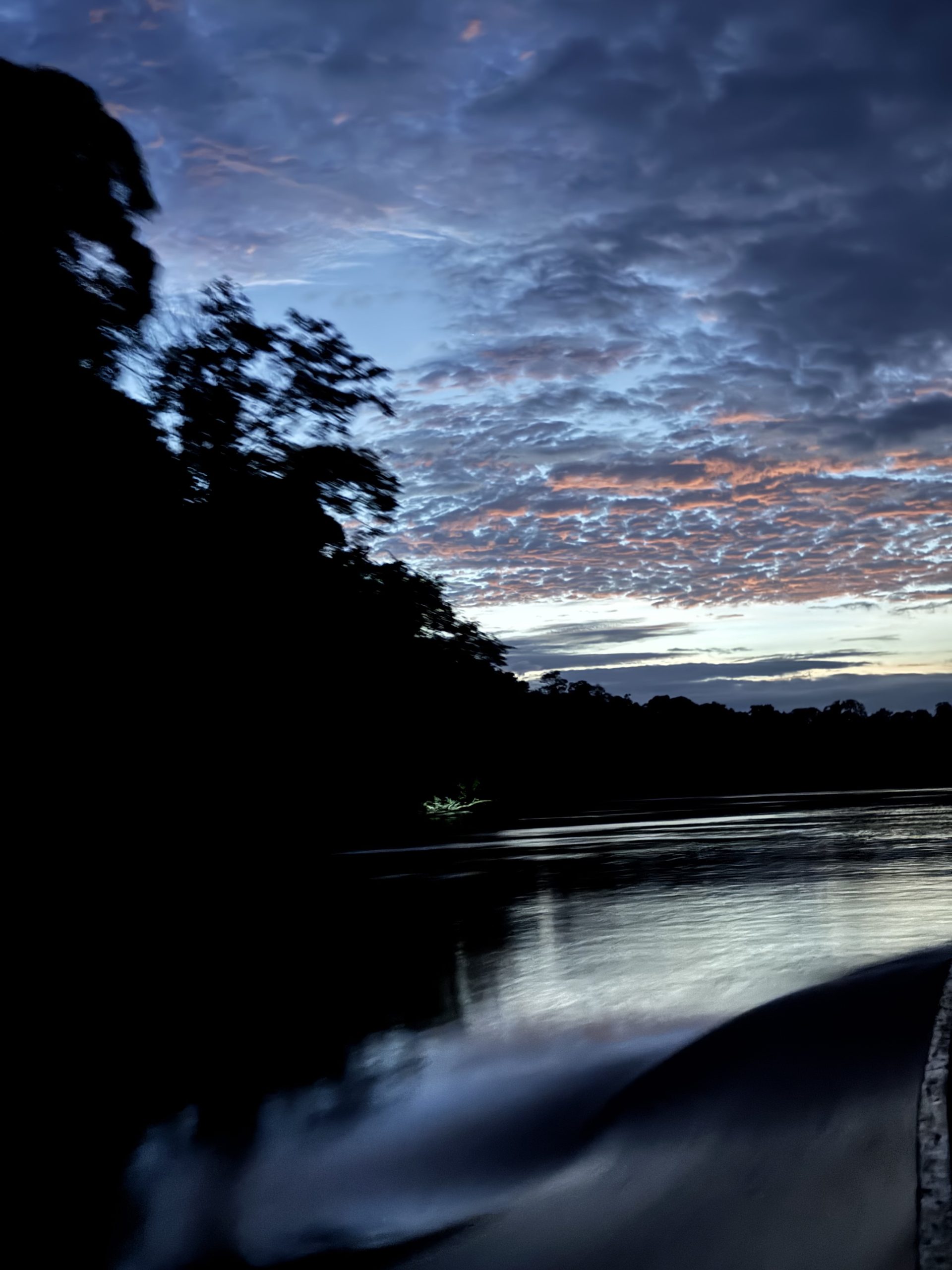
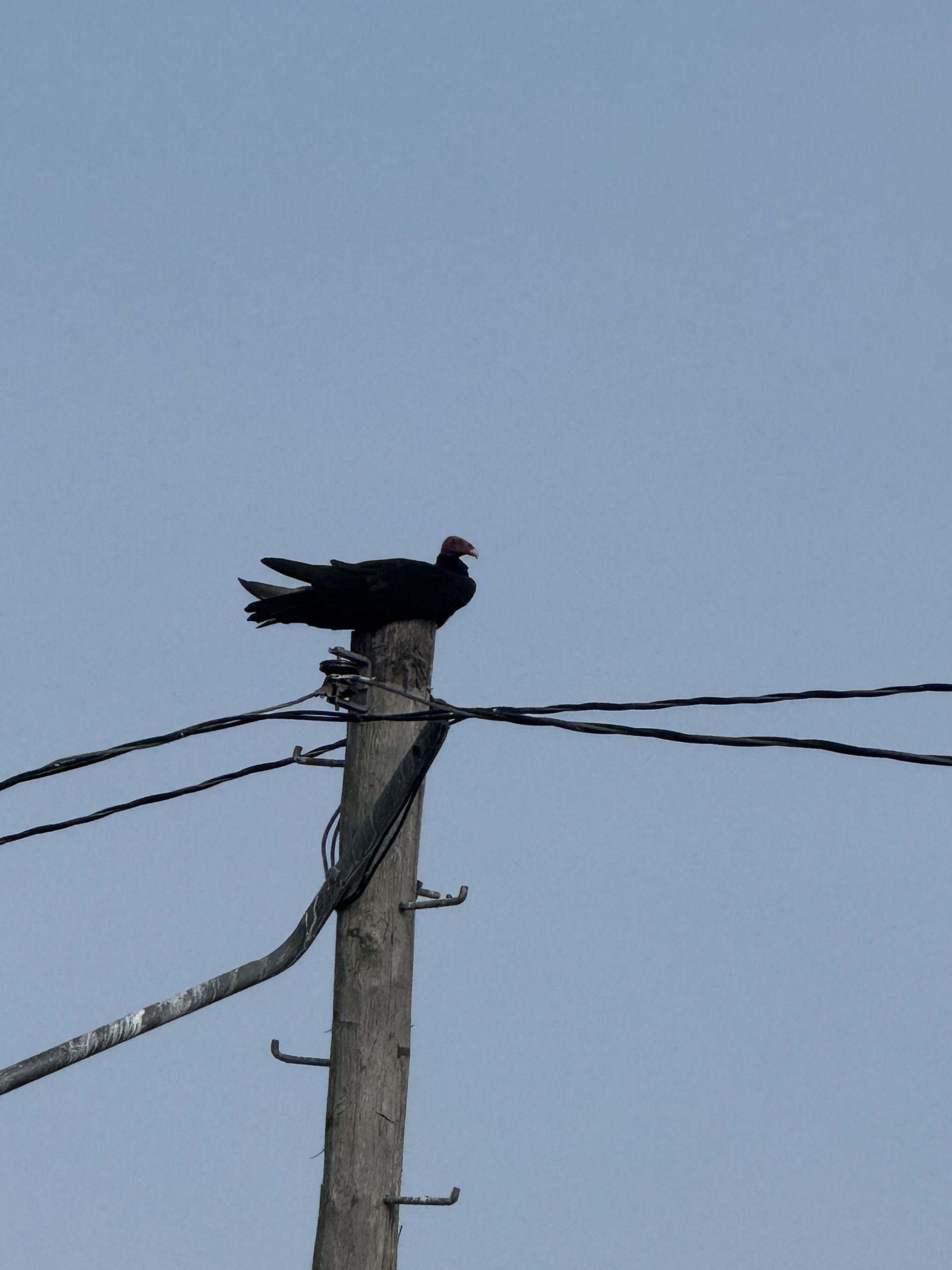
Our first activity was a night boat ride down the river to look at animals. For obvious reasons, I don’t have any pictures beyond this blurry sunset, but we did see some alligators and birds and bats.
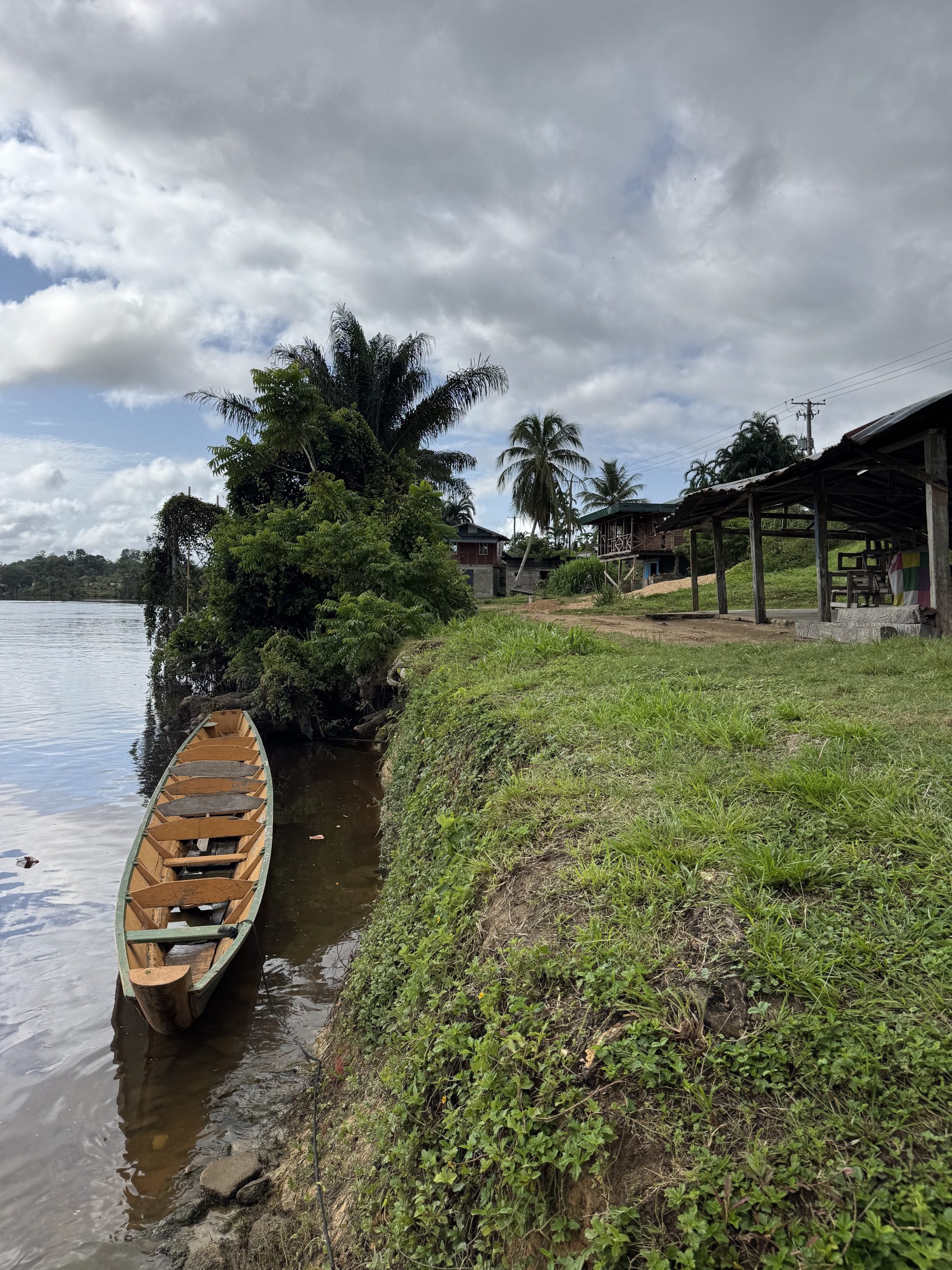
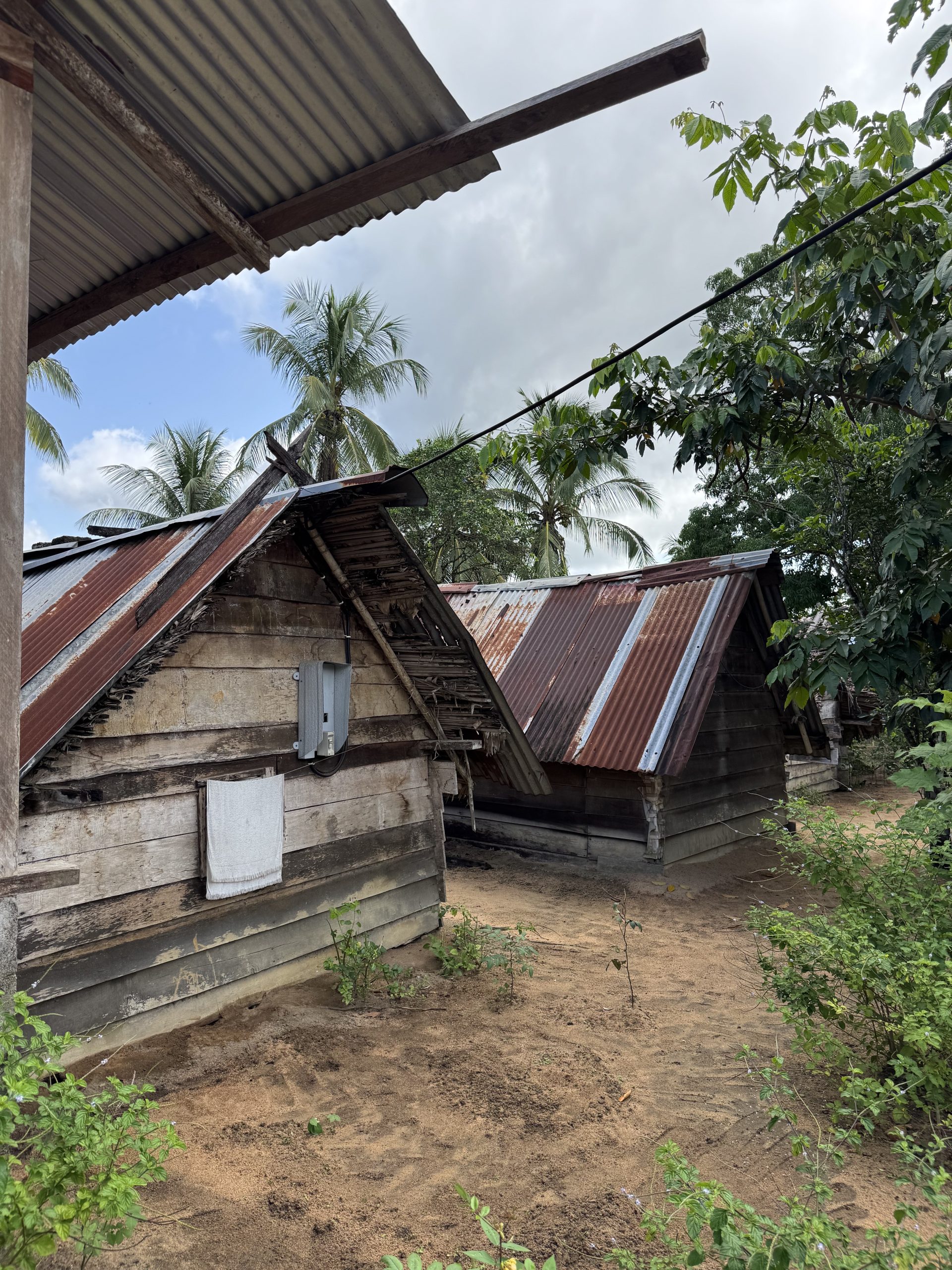
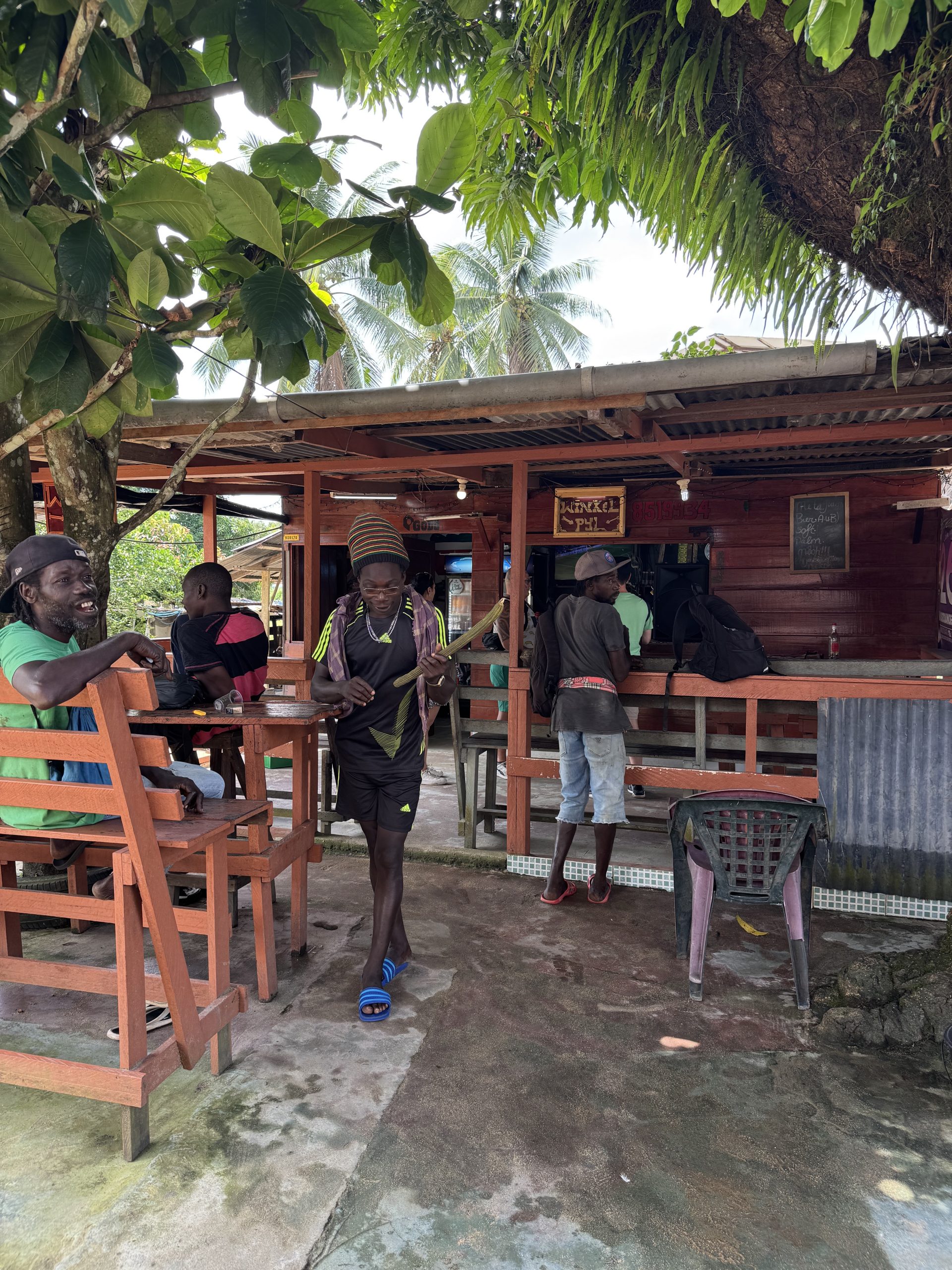
The next morning after breakfast we headed out to one of the Maroon villages for a tour. Huge shout out to our guide here, who was really engaging and good at explaining the local culture and way of life. The Maroons of Suriname are the descendants of the Africans who were brought across the Atlantic and enslaved by the Dutch, but managed to escape from the plantations and created their own communities in inland Suriname. They speak their own languages, practice their own religions (generally in addition to Christianity, which is taught in schools), run their own schools, and practice their own healthcare, making their culture quite distinct from the descendants of the Dutch colonizers.
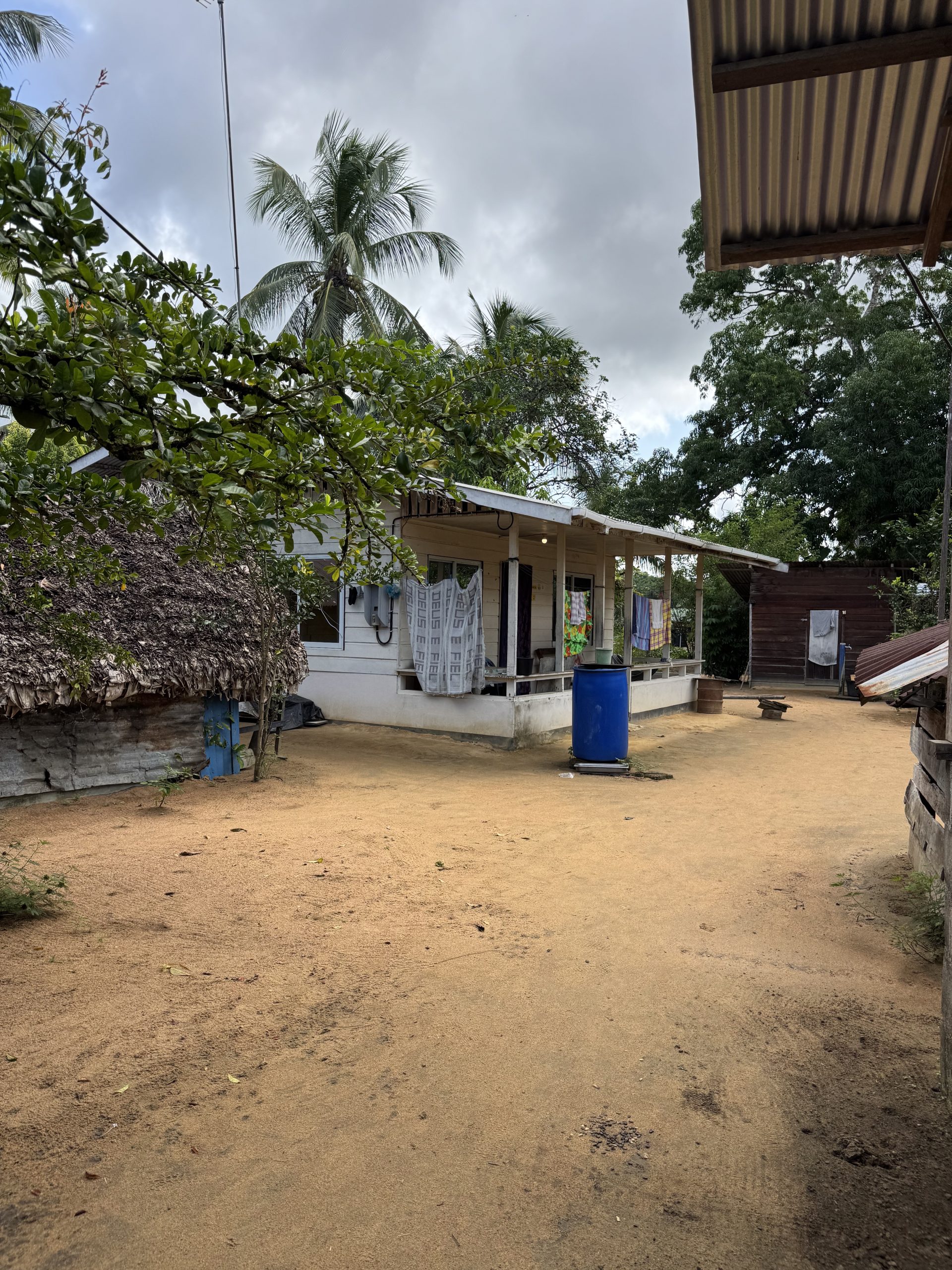
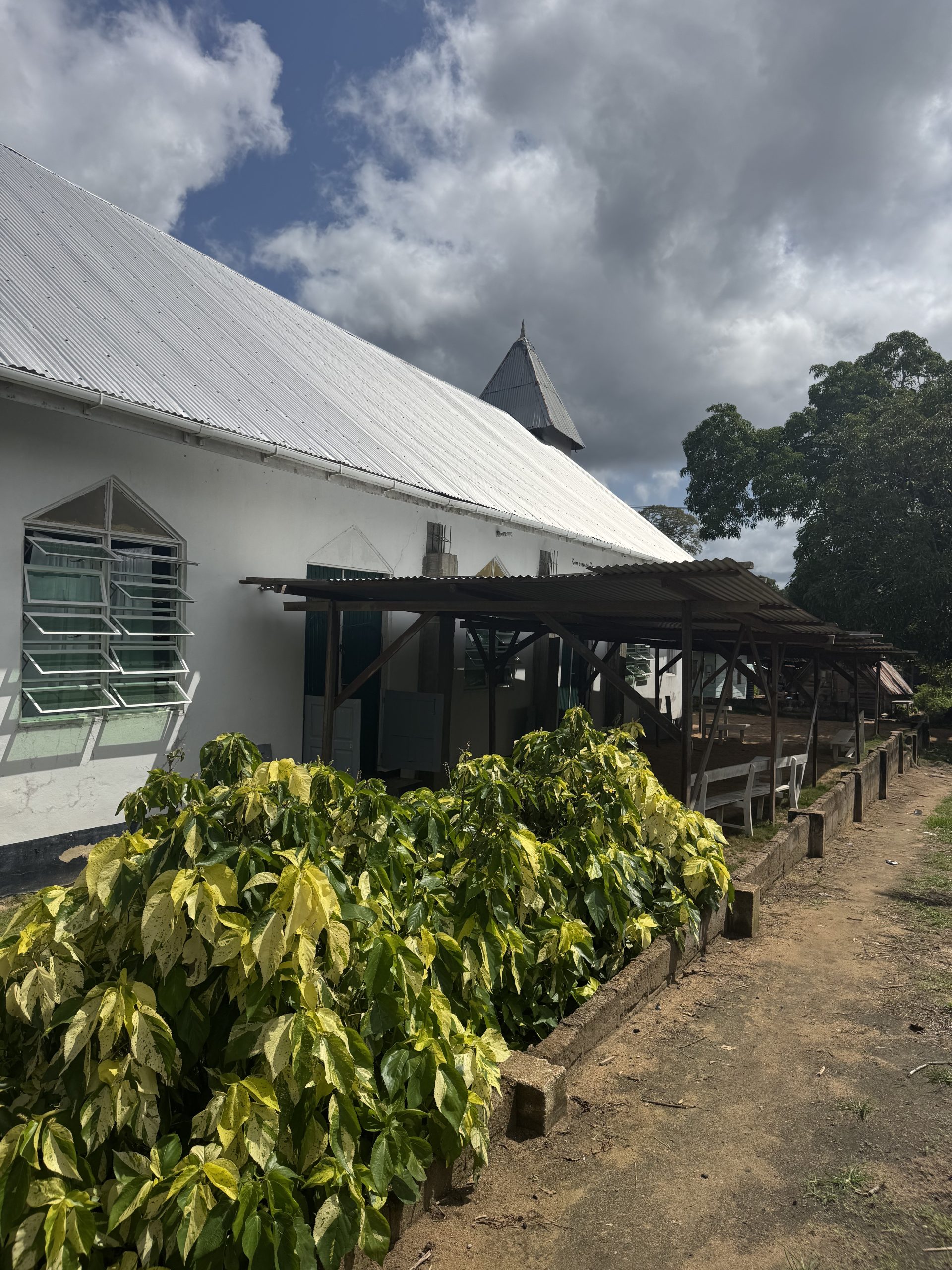
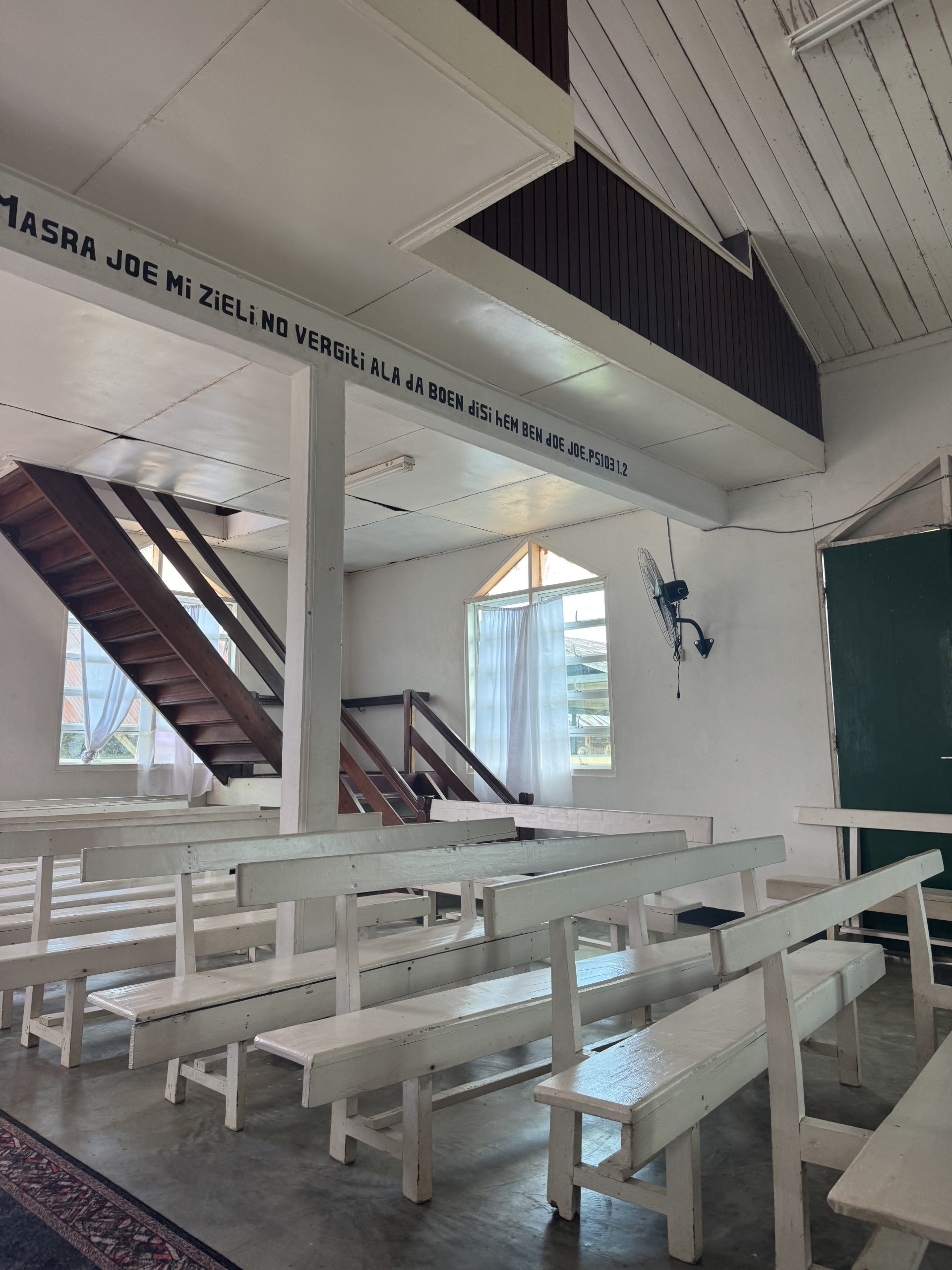
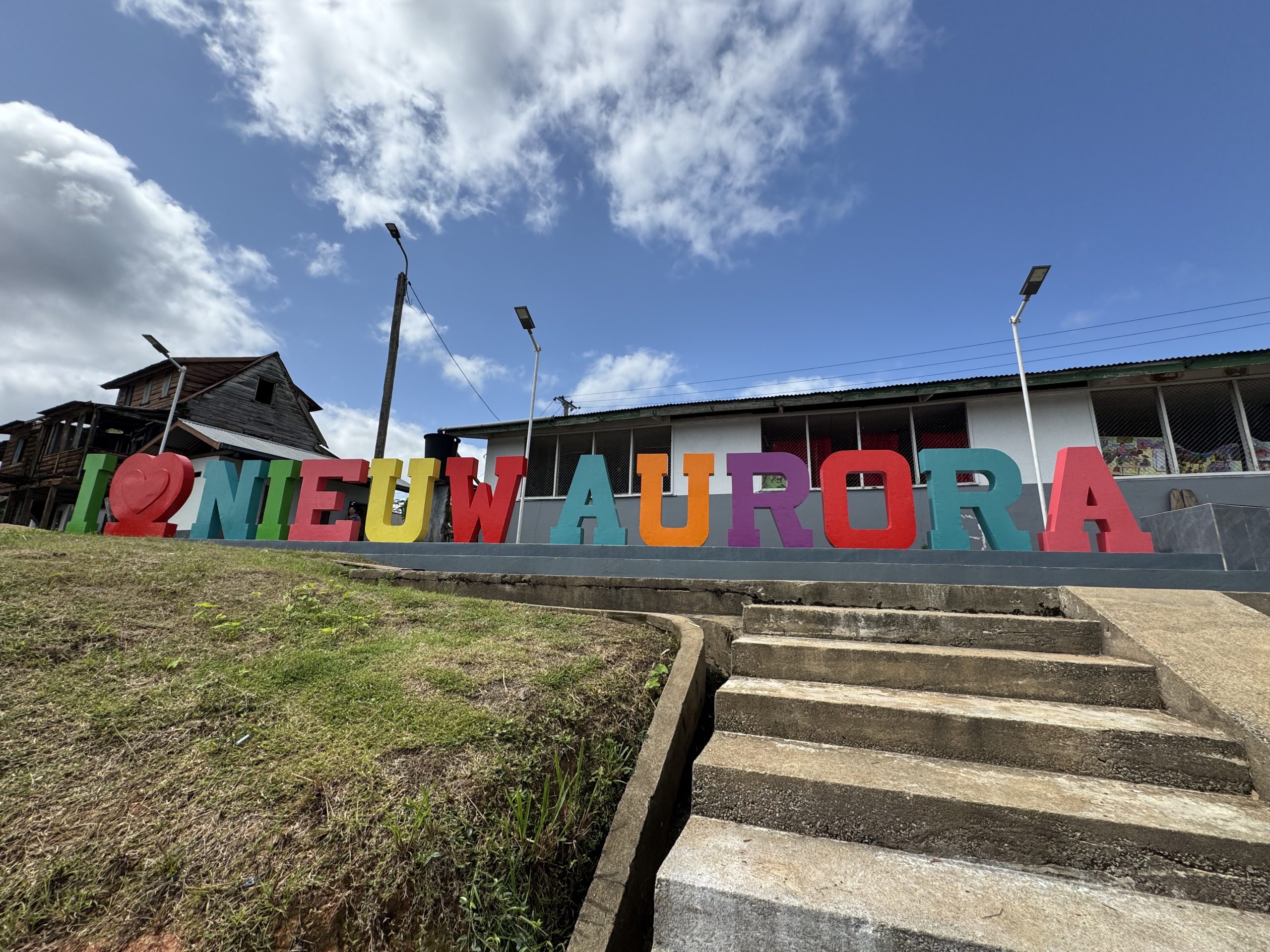
A few interesting tidbits from my notes:
1. Trades, such as boat building or local medicine, are taught matrilineally. Our guide was saying he is not able to learn boat building but his cousin can, because he is born from a son of the family where that trade comes from and his cousin was born from a daughter (his aunt).
2. There is a huge emphasis in coming back and investing in the community. Often, young adults will go to Paramaribo for school or job opportunities, but they do come back and re-invest in the community once they are more established.
3. School is taught in Dutch, but children don’t speak Dutch amongst themselves. In this village, their local language comes from a mixture of West African dialect and Portuguese, which is what everyone speaks amongst themselves. This can cause problems with fluency. He spoke about the difficulty that he had once he went to Paramaribo, because he wasn’t comfortable speaking Dutch casually. It took him a while to feel fluent enough to socialize in Dutch.
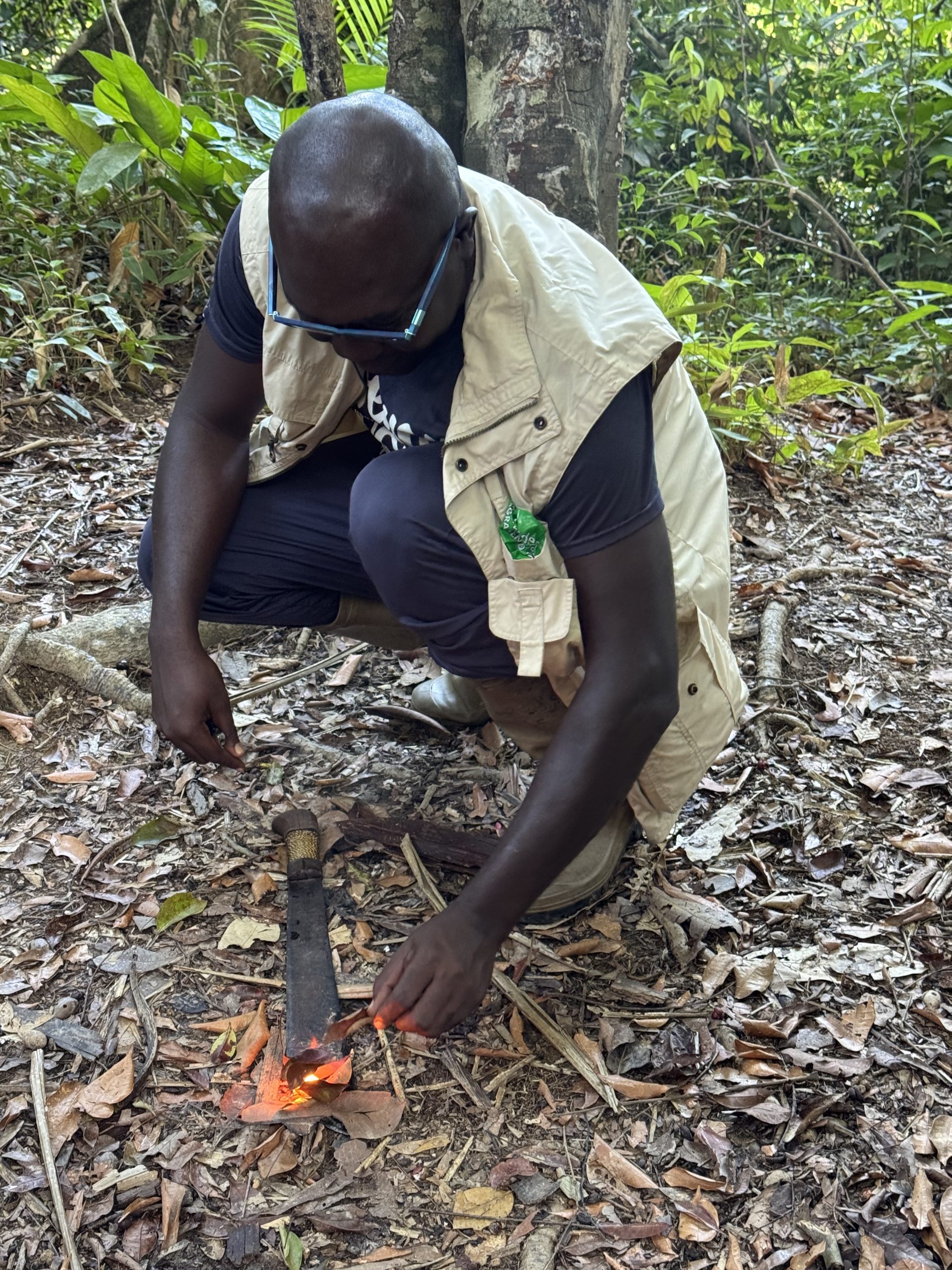
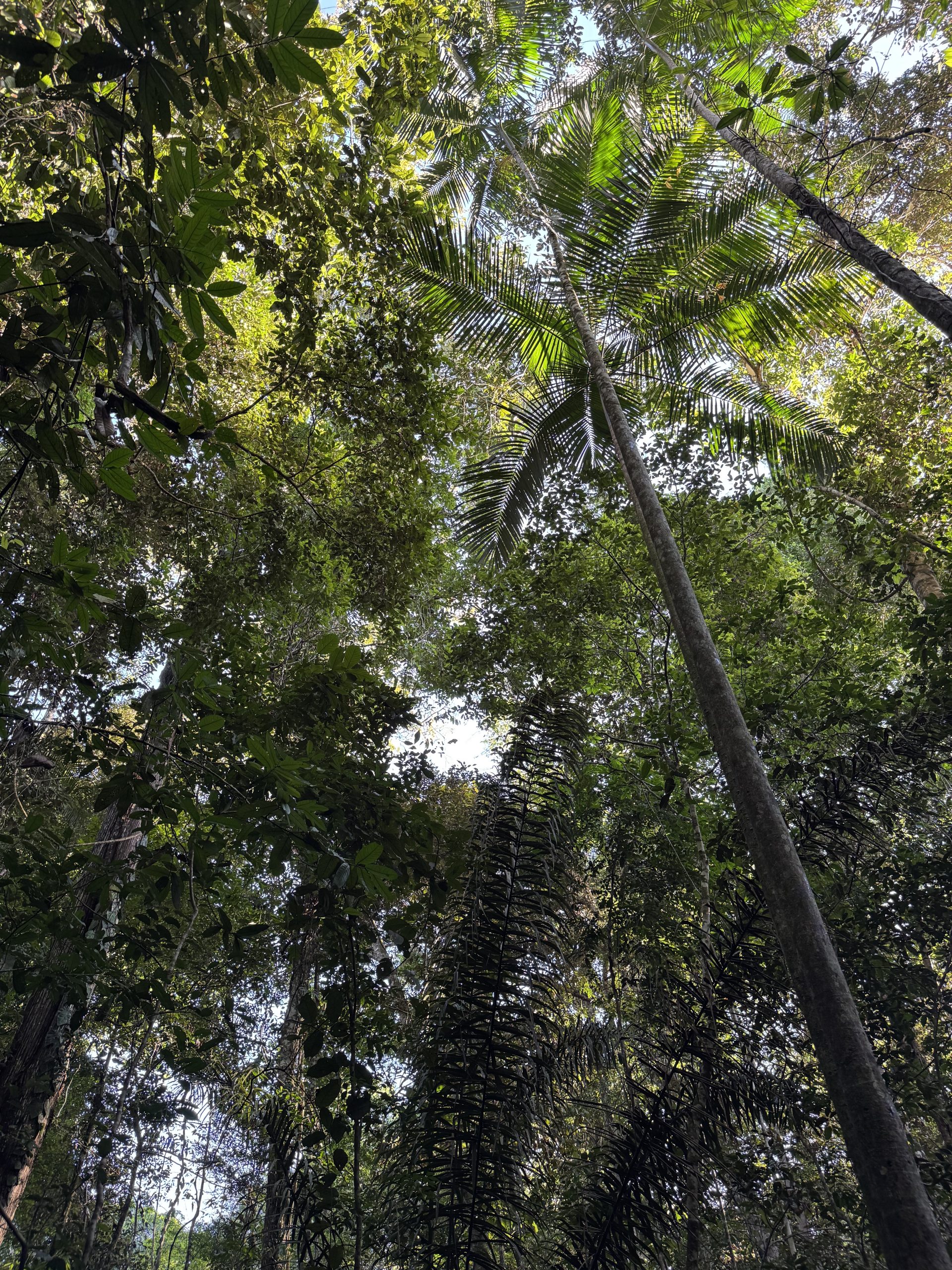
We also had a jungle tour that was focused on how to live off the land. Our guide pointed out sources of food and water, as well as how to build enough of a shelter to sleep out there. There was even a plant that he called a candle tree that was able to burn as sustained fire, as shown above. These are the kinds of skills that I never want to need, but interesting to learn about!
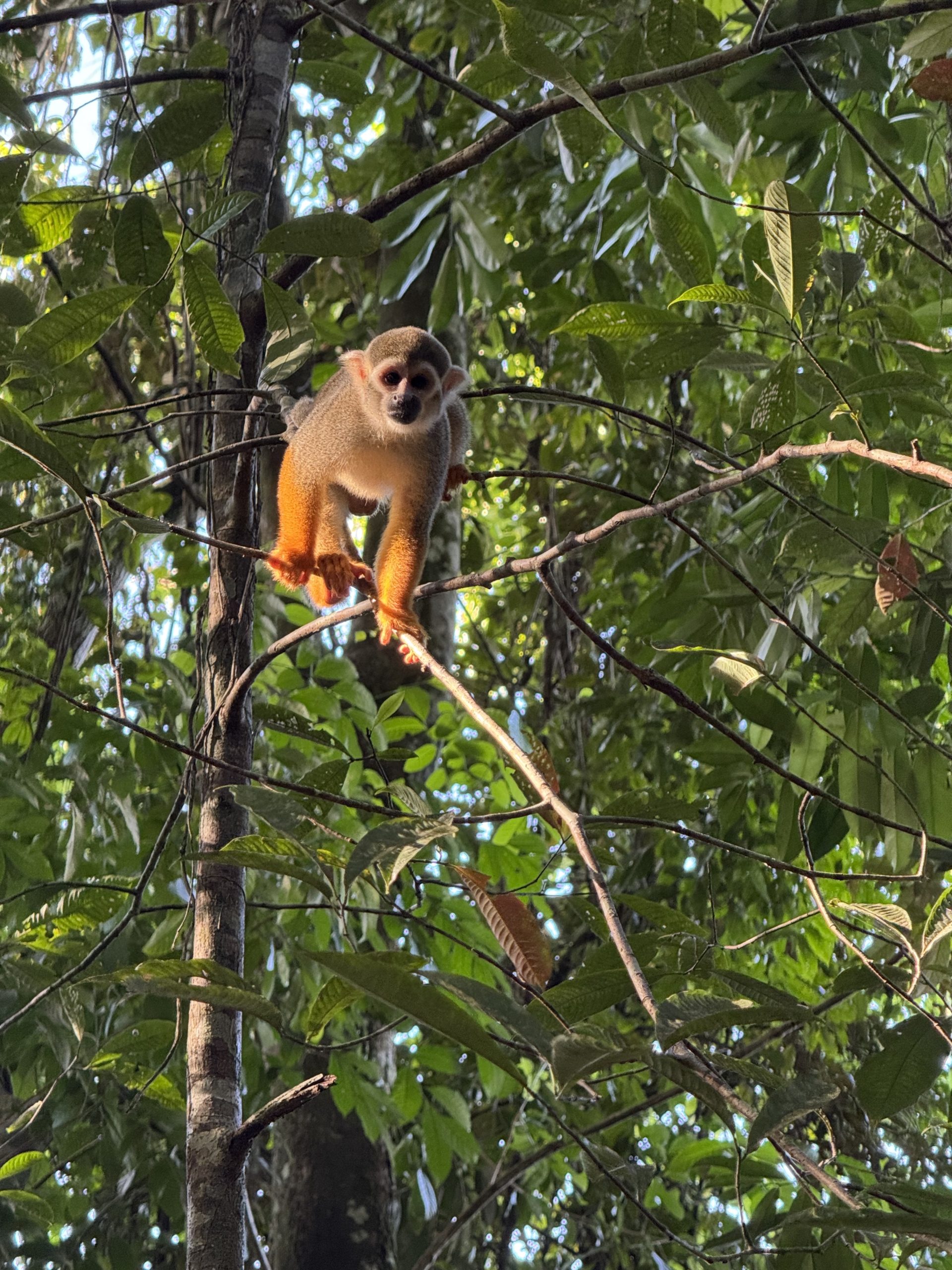
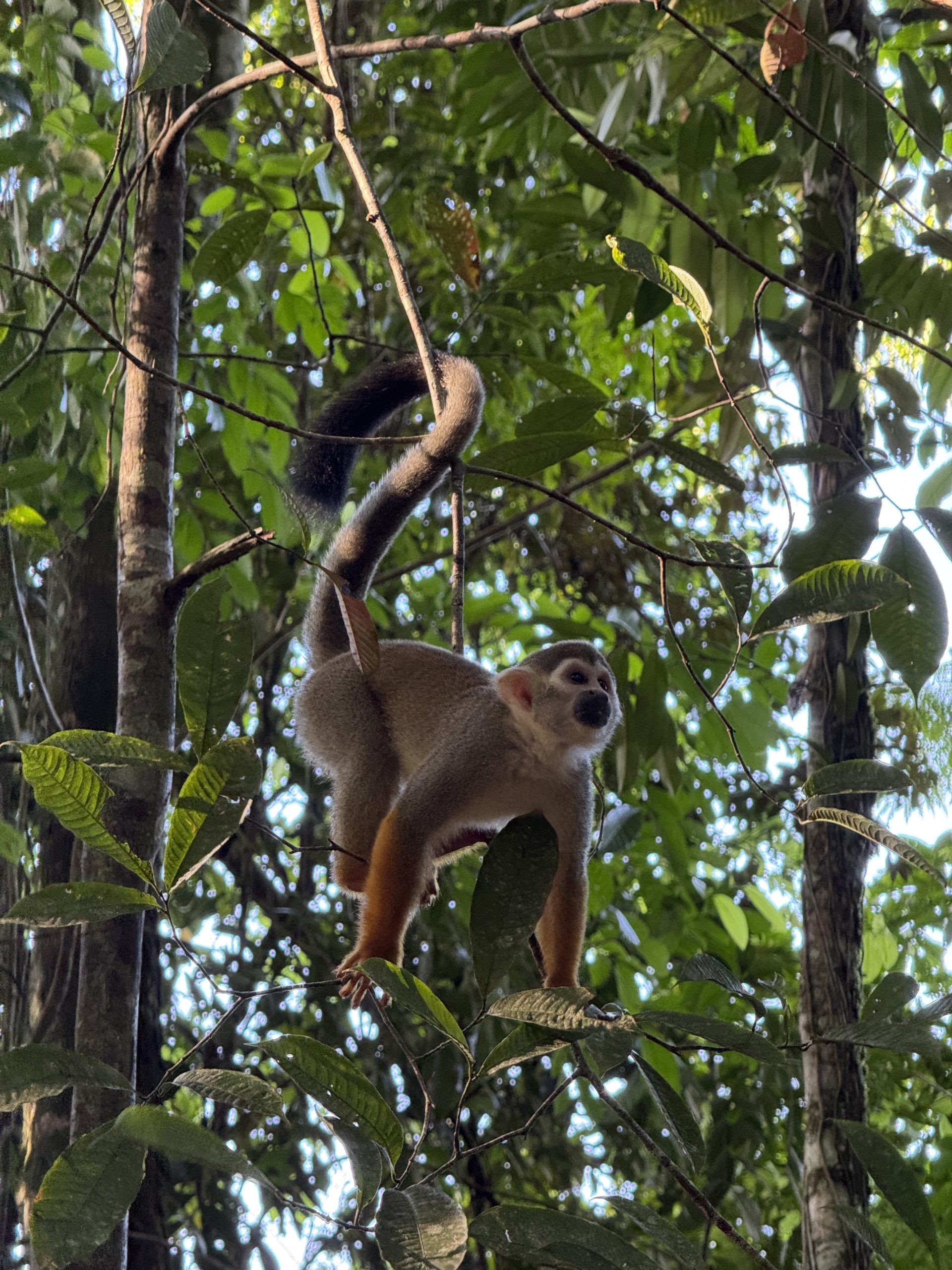
We saw lots of monkeys on the tour, as well as a tarantula (which I did not feel the need to get close to).
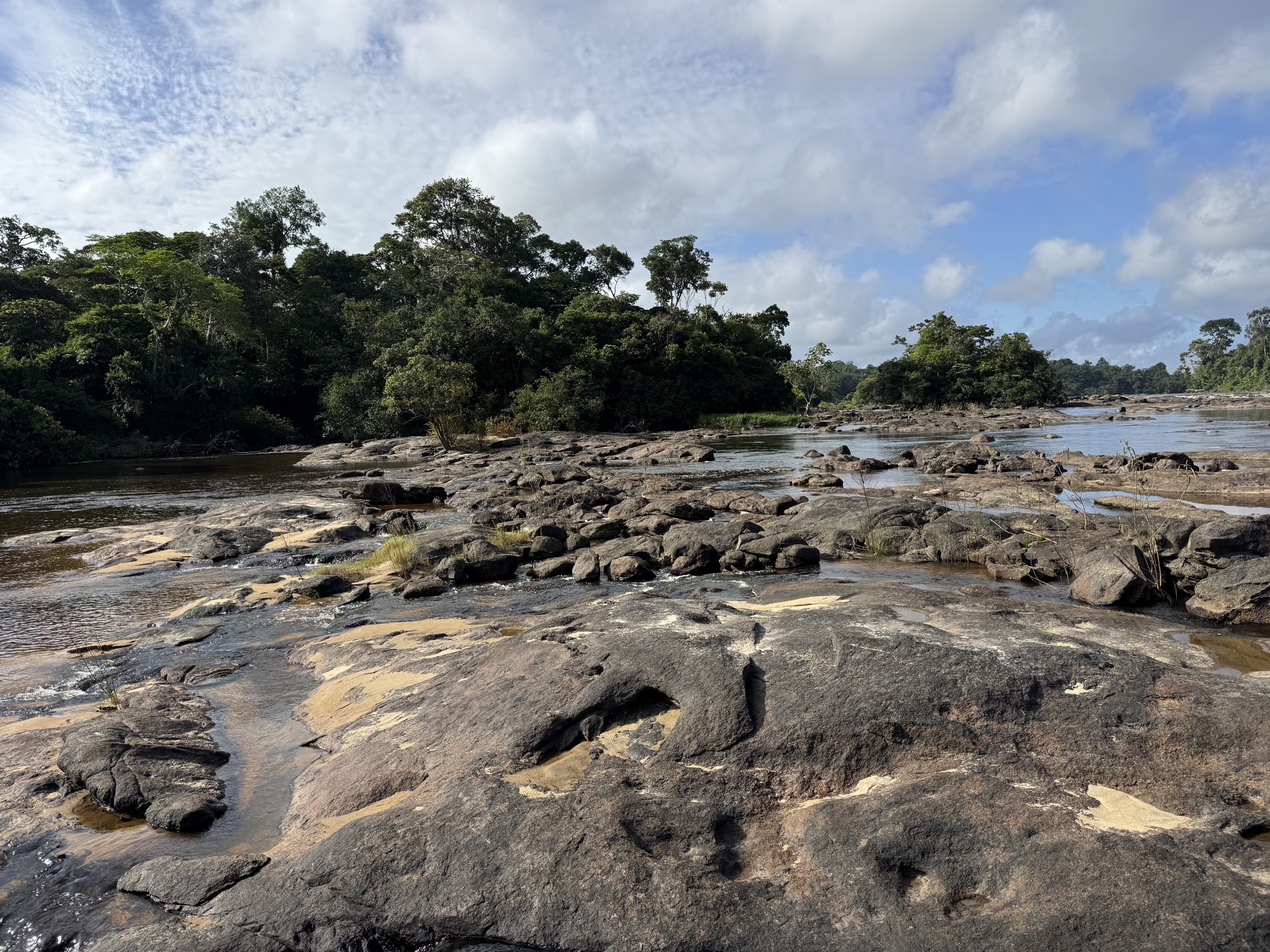
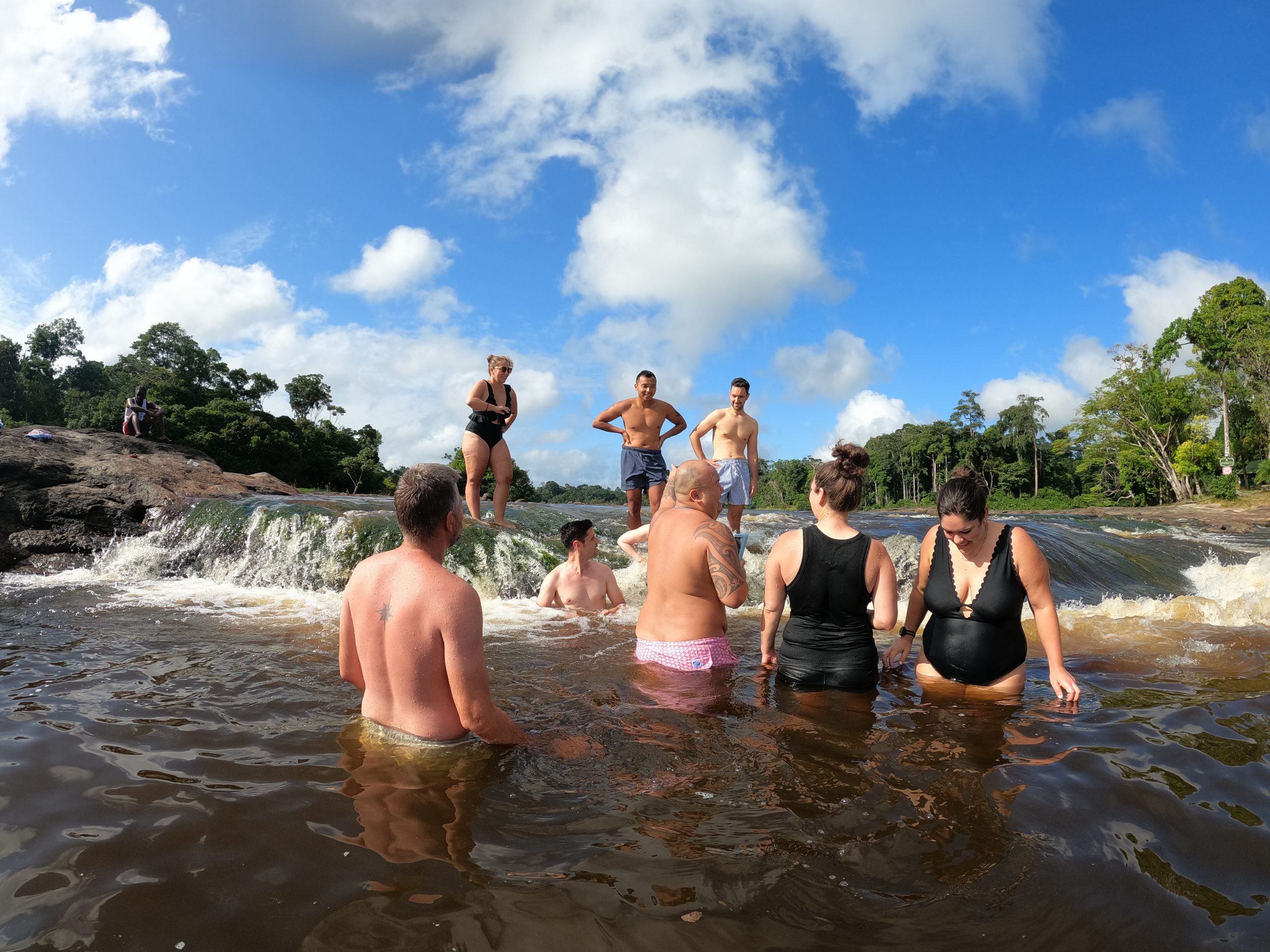
The last outing we had before we left was a chance to swim in the Suriname River!
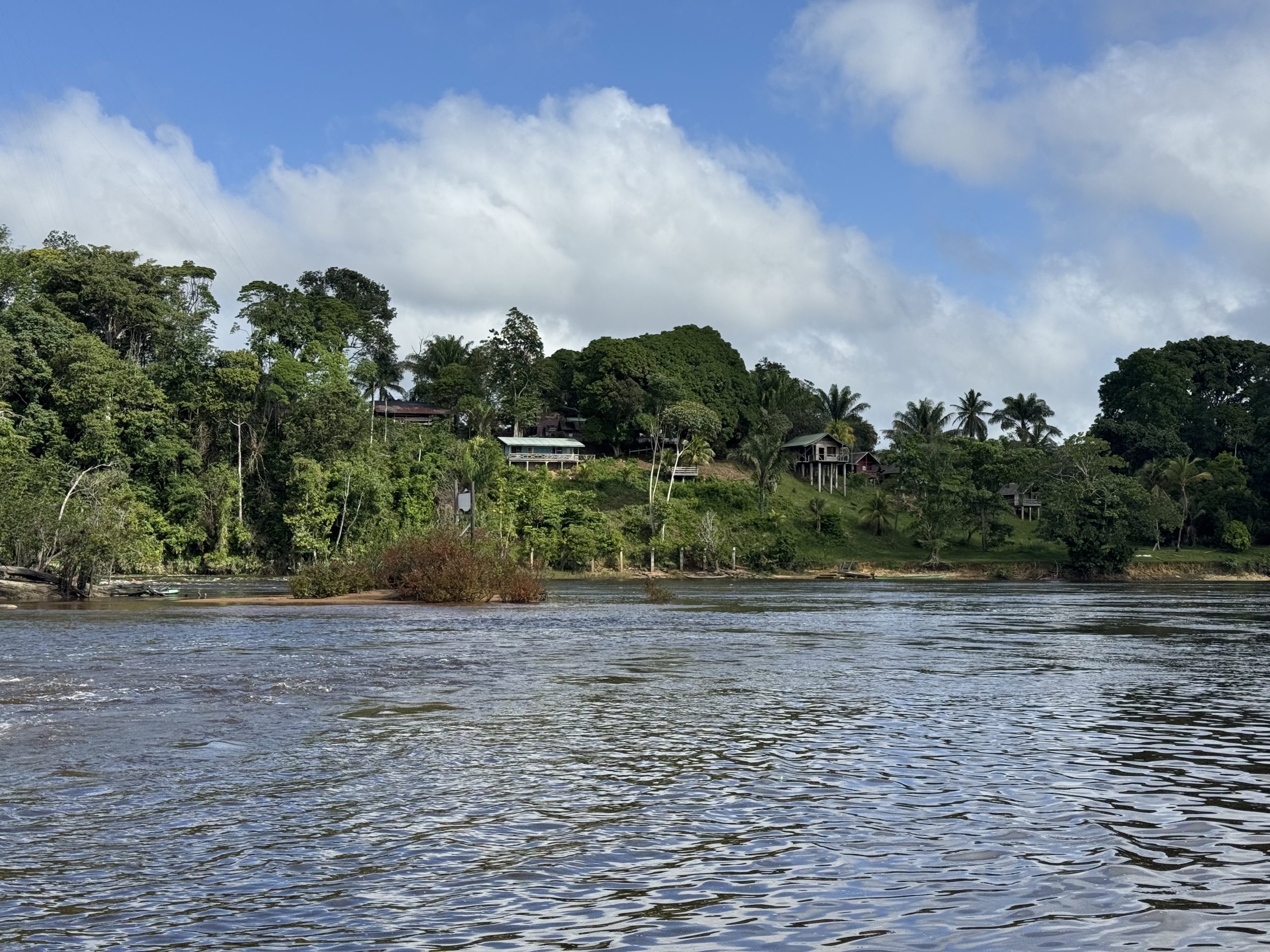
I was sad to leave our ecolodge utopia. This was such a cool experience, and I loved seeing a part of the Amazon rainforest here in Suriname. But it was time to head to our next stop: Paramaribo!