Another day, another hideous overnight domestic flight on Air Algérie. This one was even worse because it had a stop, so it was harder to nap. So we flew from Djanet to Tamanrasset from 2:30 am to 3:30 am, and then sat on the tarmac in Tamanrasset, and then left at 4:05 am and arrived in Algiers at 6:30. From there, we got straight on a bus and drove an hour and a half to Cherchell.
I barely remember any of this and I feel like I was in a fugue state for this section of travel. We arrived in Cherchell to absolutely pouring rain, which I was not prepared for, and after a quick stop in a café, we headed to the real destination of the day: Tipaza!
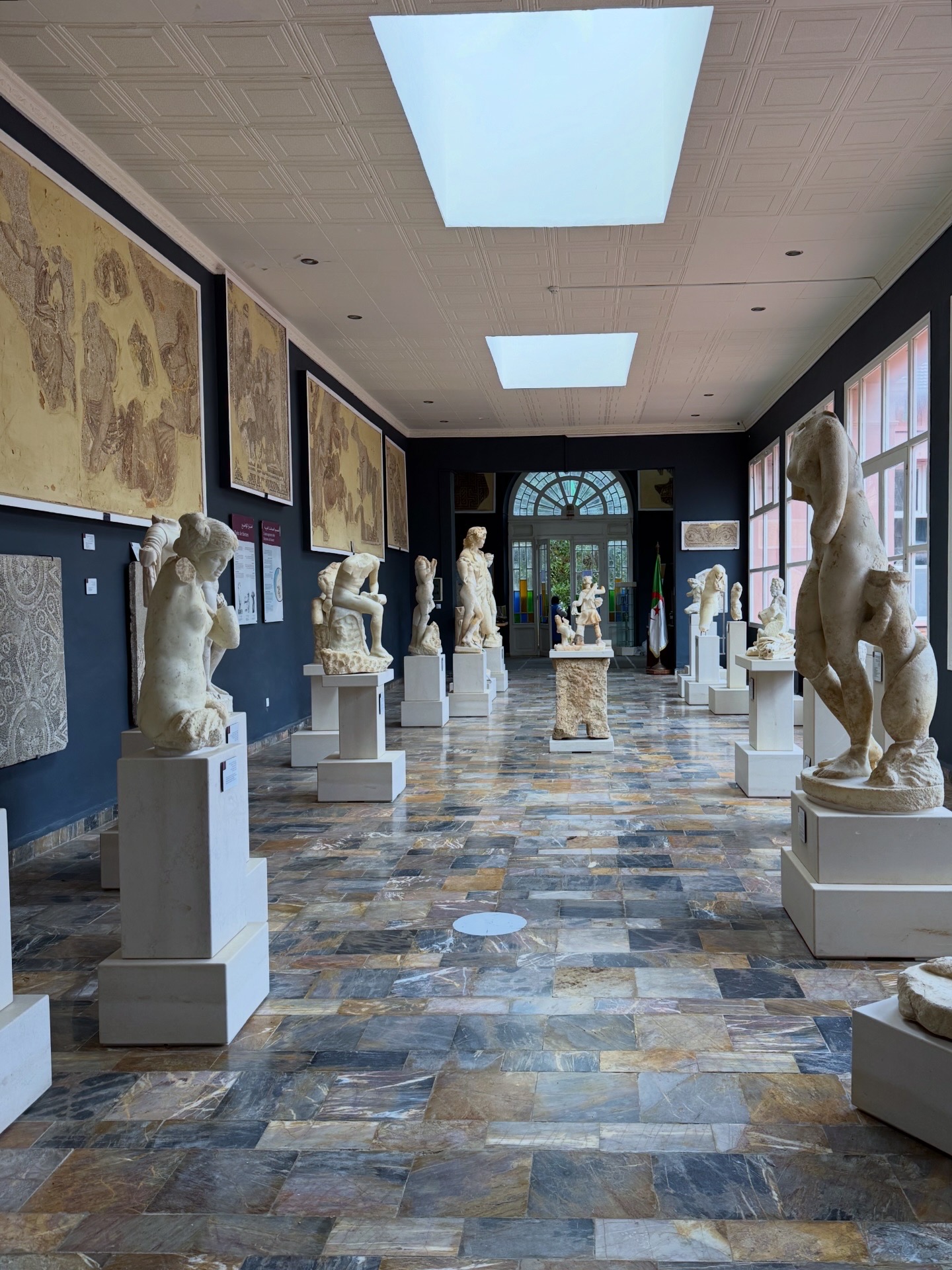
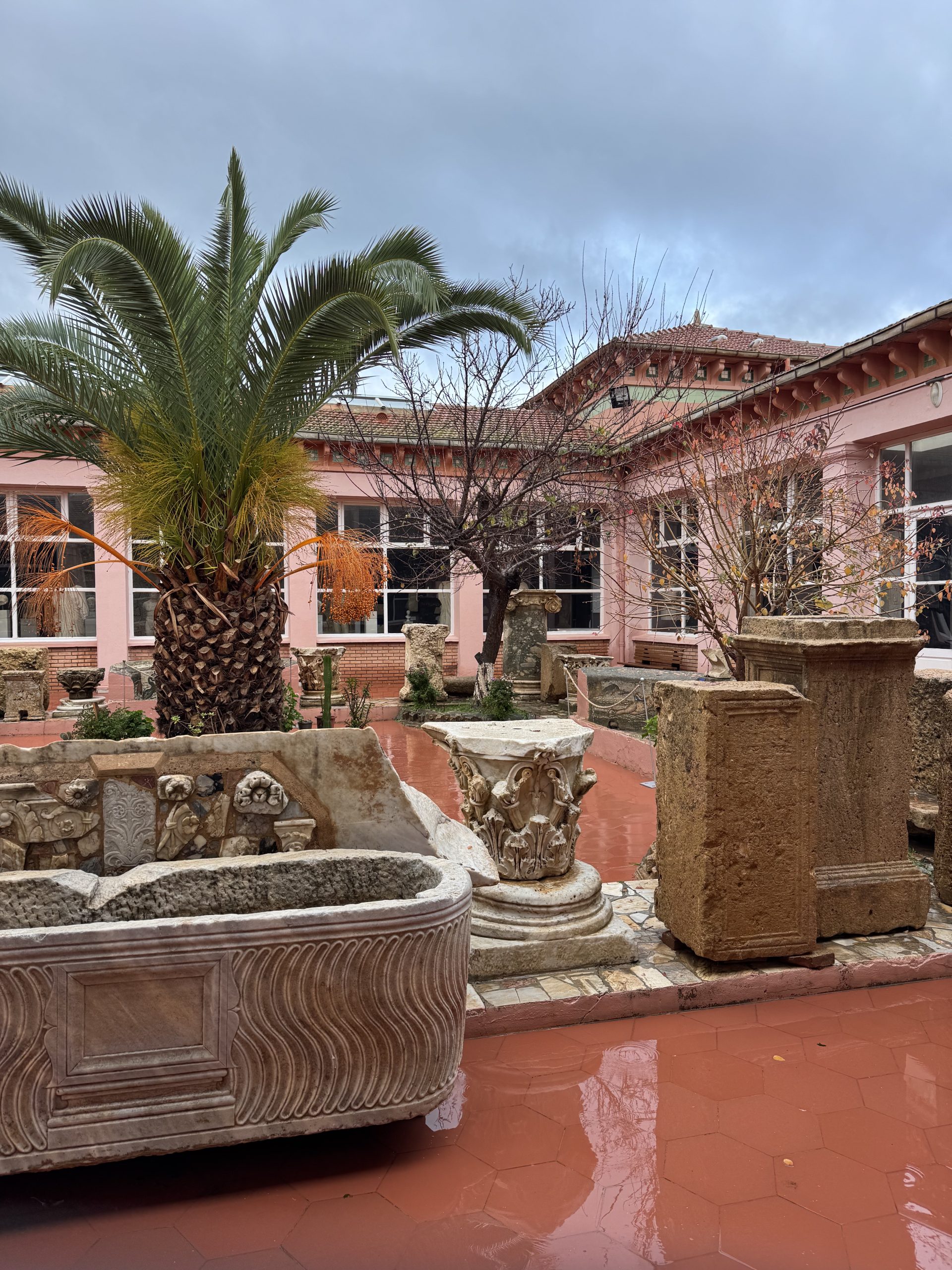
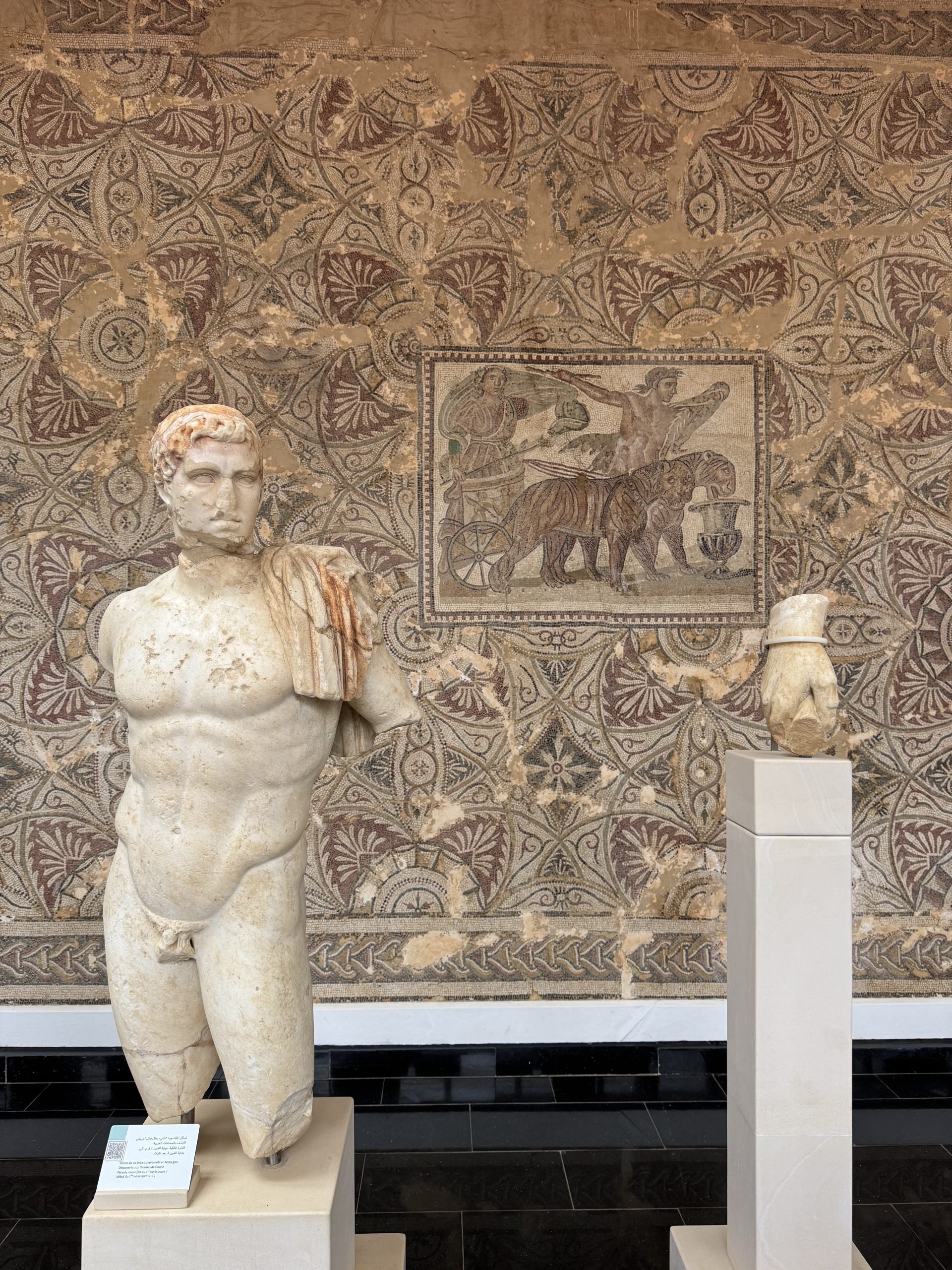
We started at the museum to get some context on what we were about to see (and wait out the rain a bit). Fun fact, Algeria has the second most Roman ruins in the world besides Italy. A lot of them are still incredibly well-preserved. I have never seen the kinds of mosaics as I saw in Algeria. And they aren’t just in the museums – a lot of the sites still have the mosaics embedded in the ground! It felt almost sacrilegious to walk on them. There were carvings that were still as clear as they must have been centuries ago when they were carved. But I’ll get to that later.
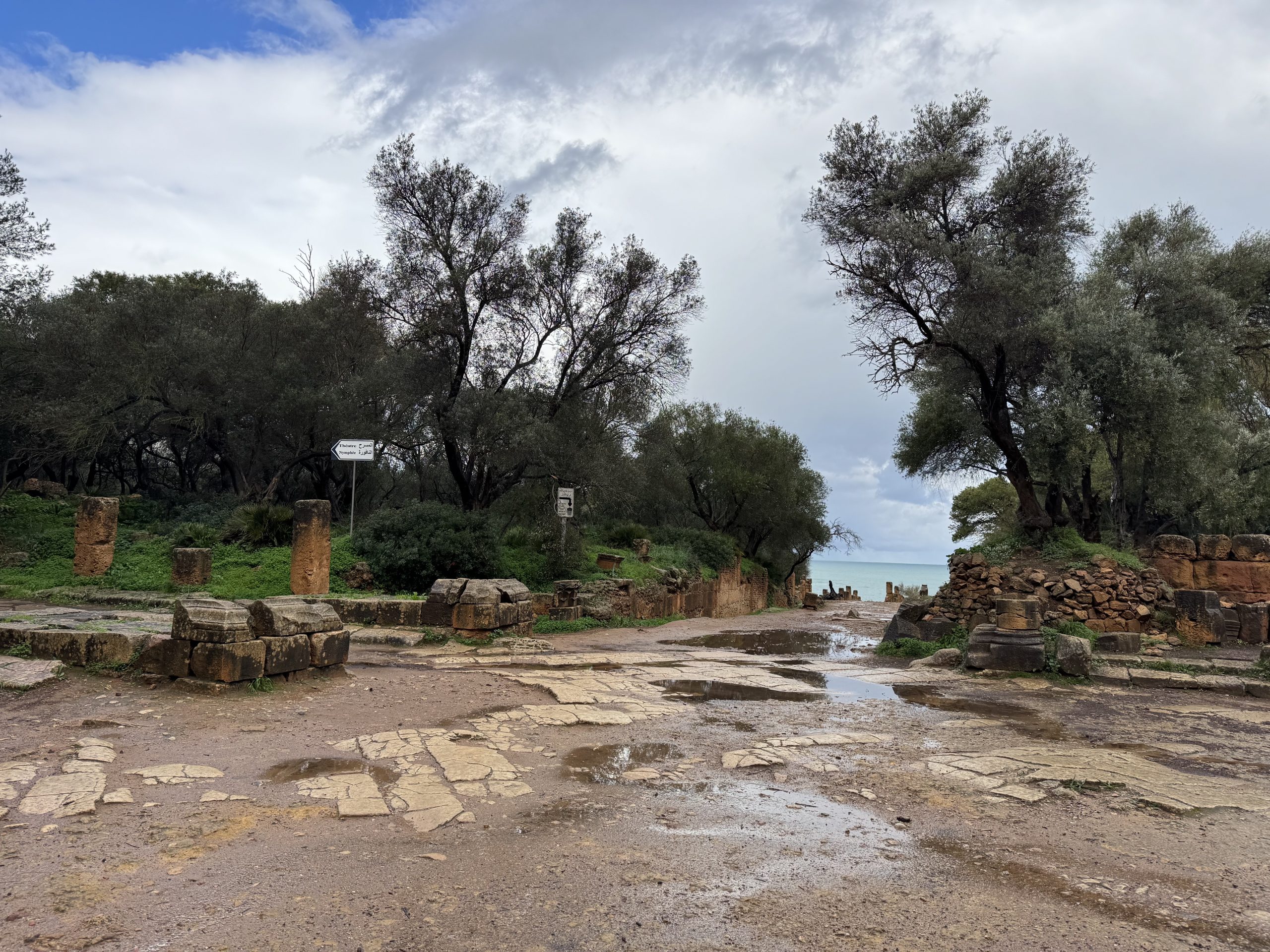
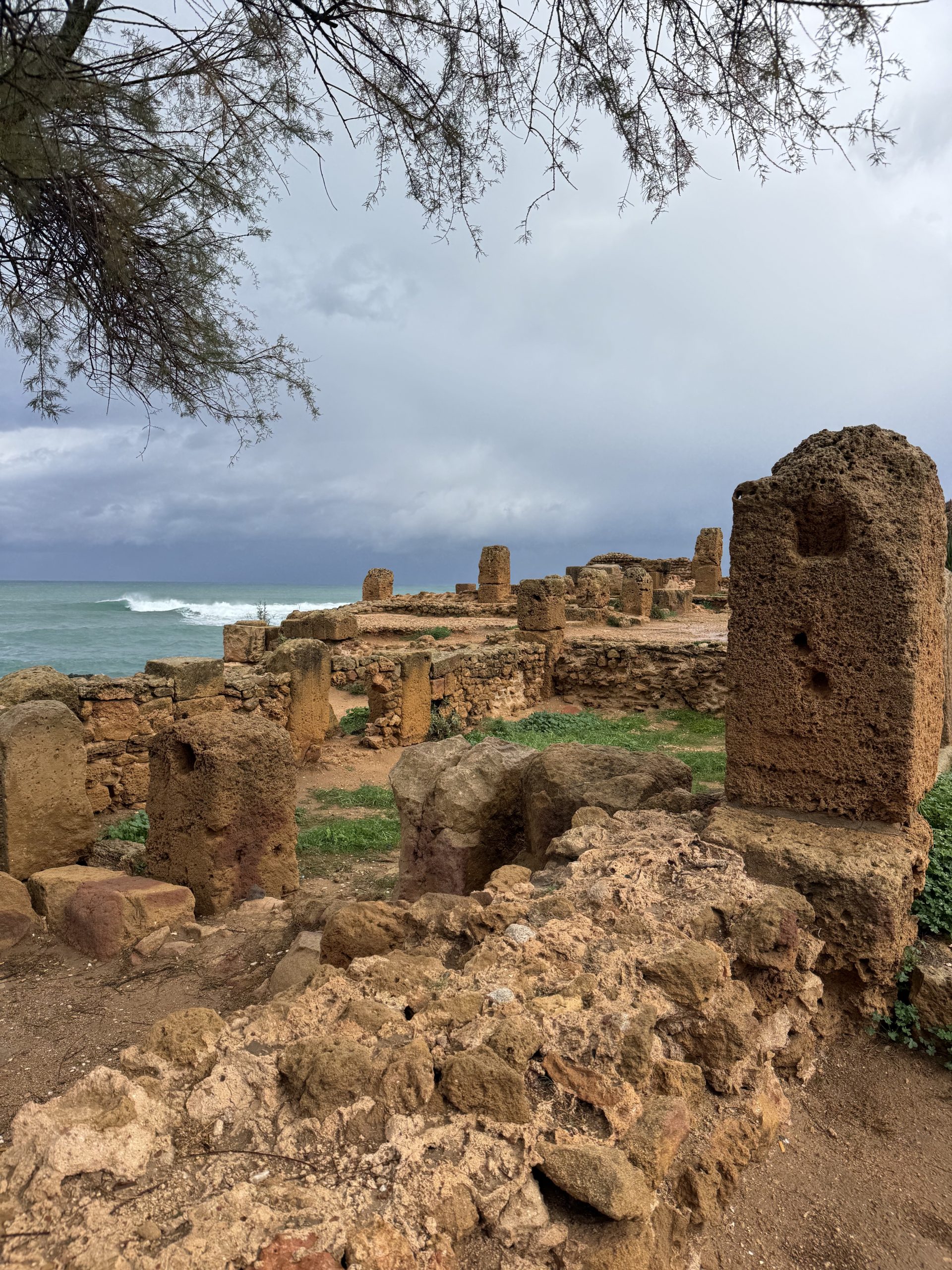
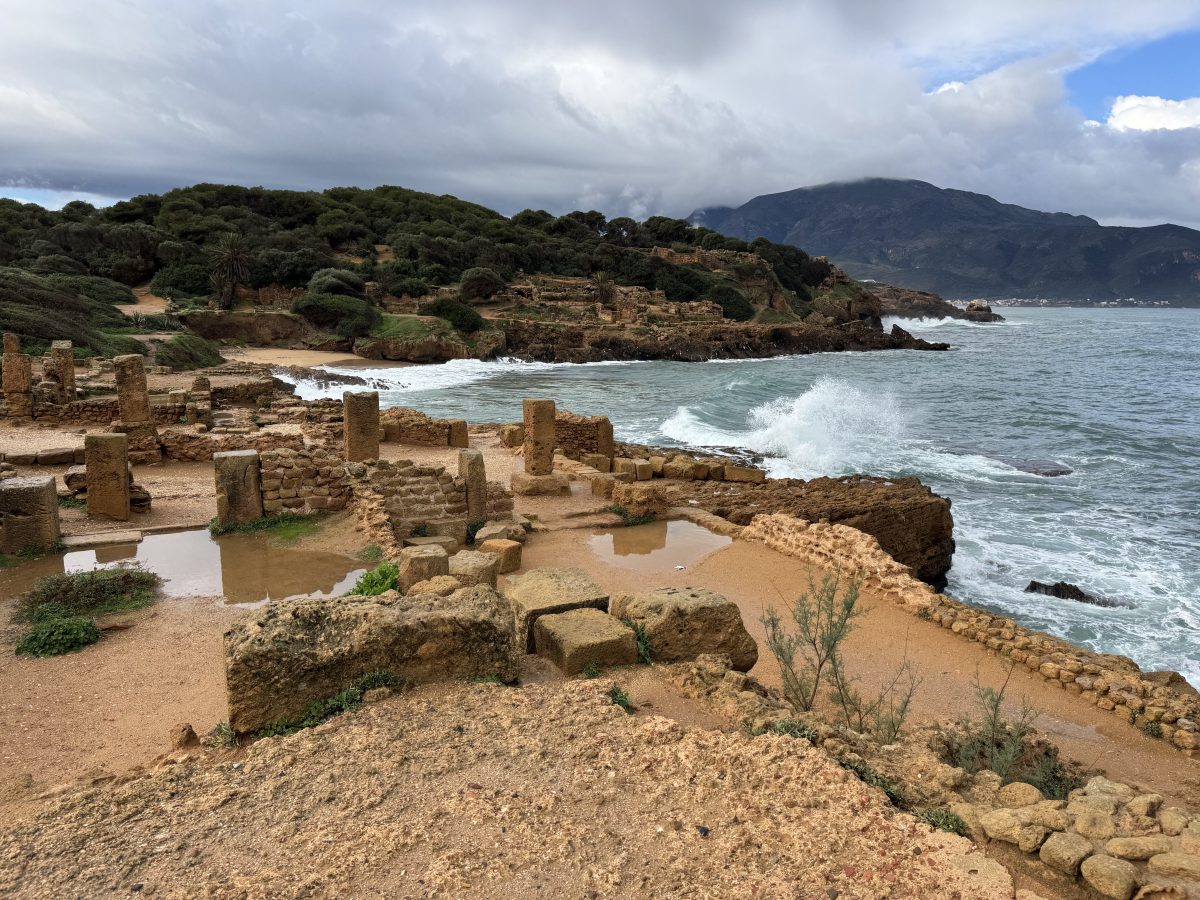
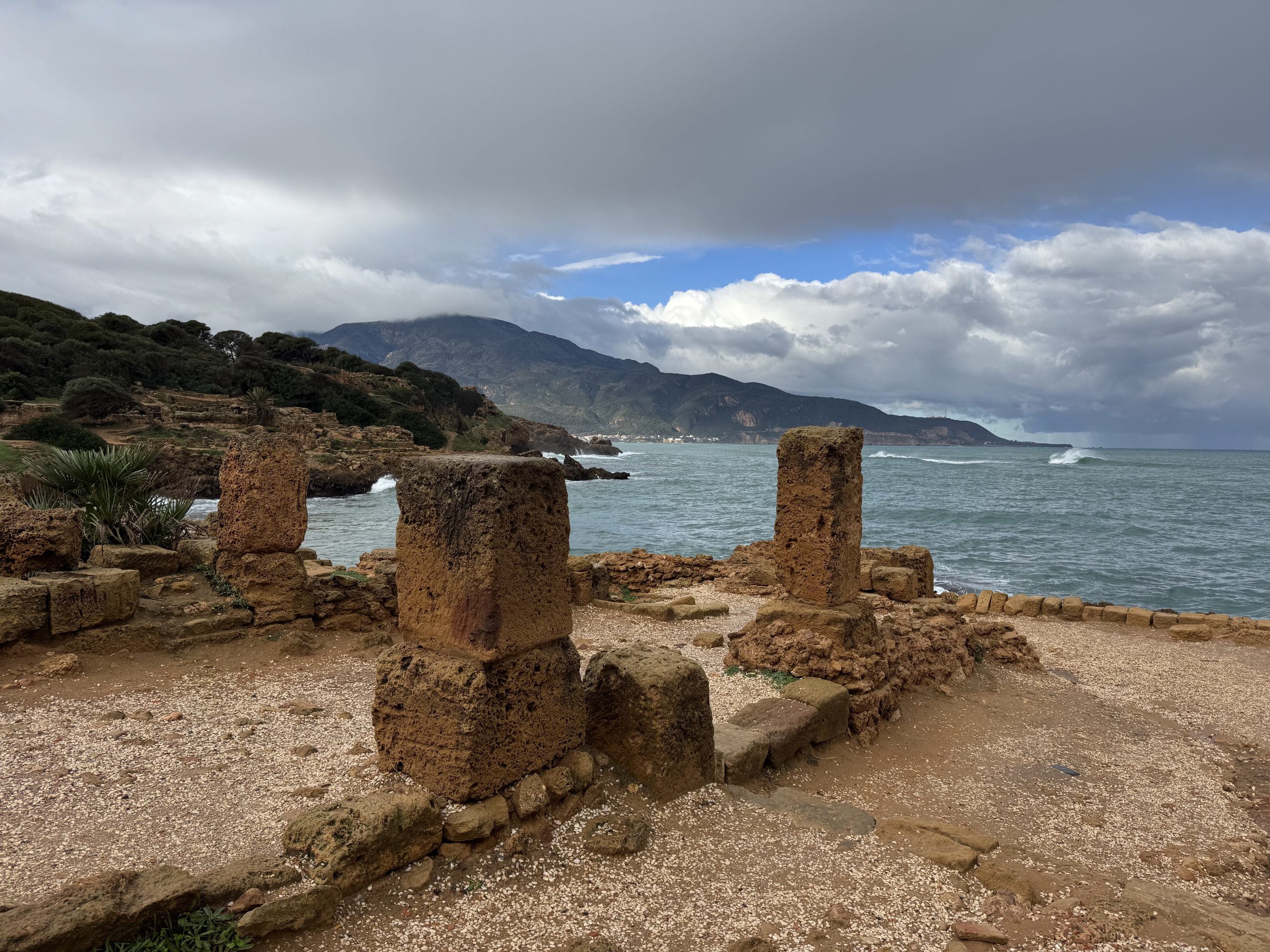
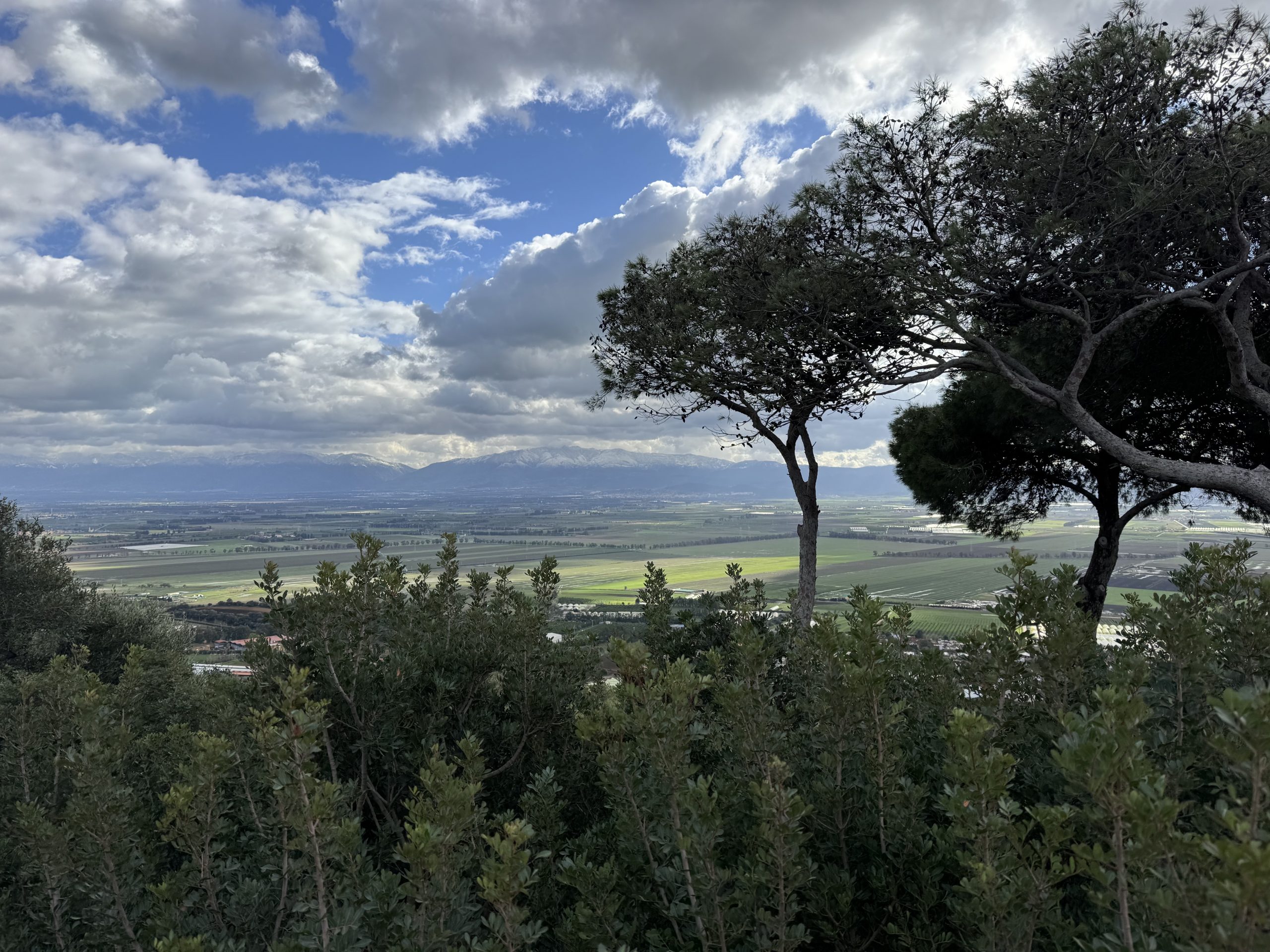
Tipaza was not the most impressive ruin site that we saw on that trip, but the landscape did elevate it a lot. The Romans built it right along the coast and the view was so beautiful. I wouldn’t want to live in the Roman era, but if I had to, I think being a merchant in Tipaza could be the way to go.
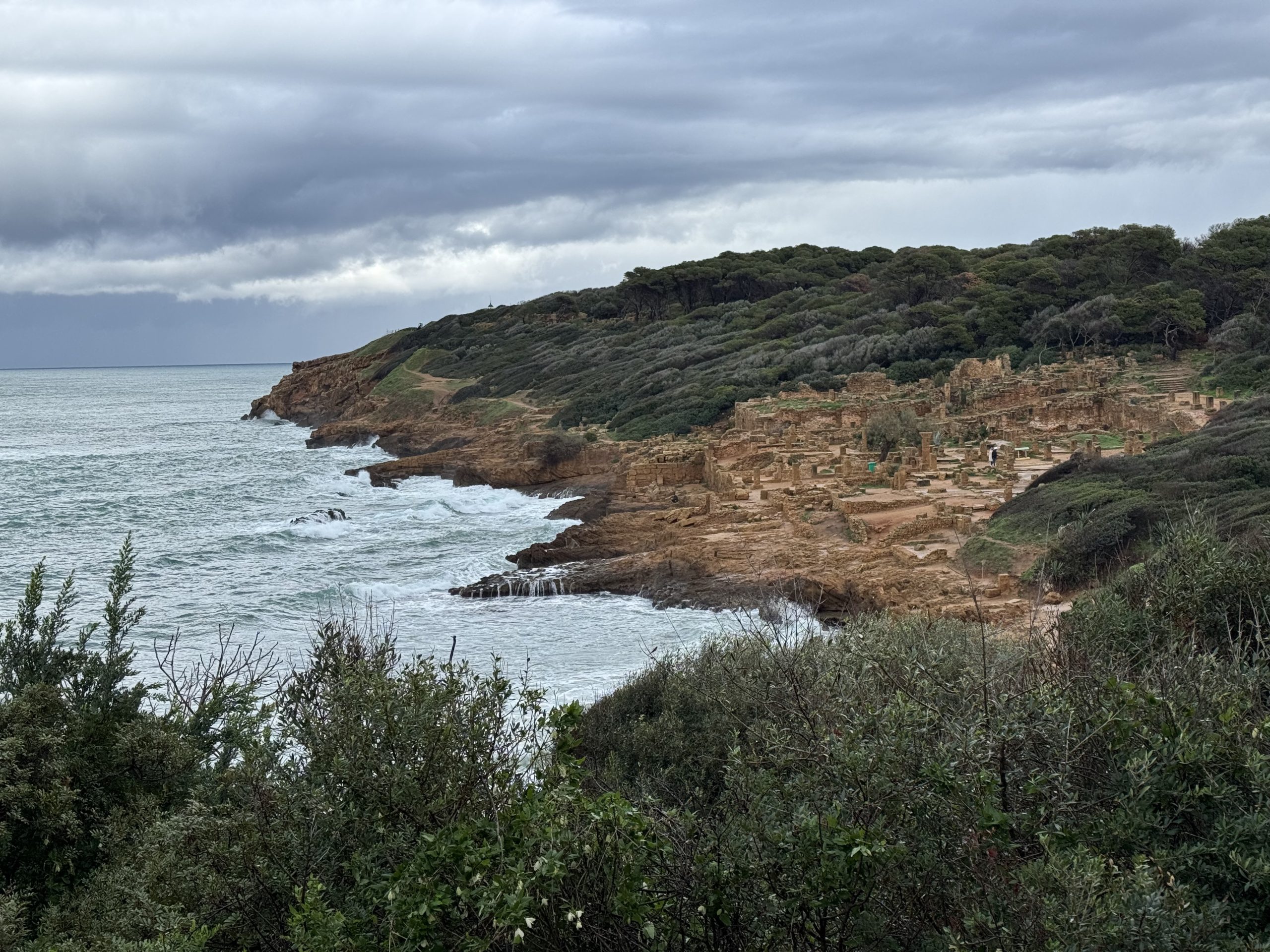
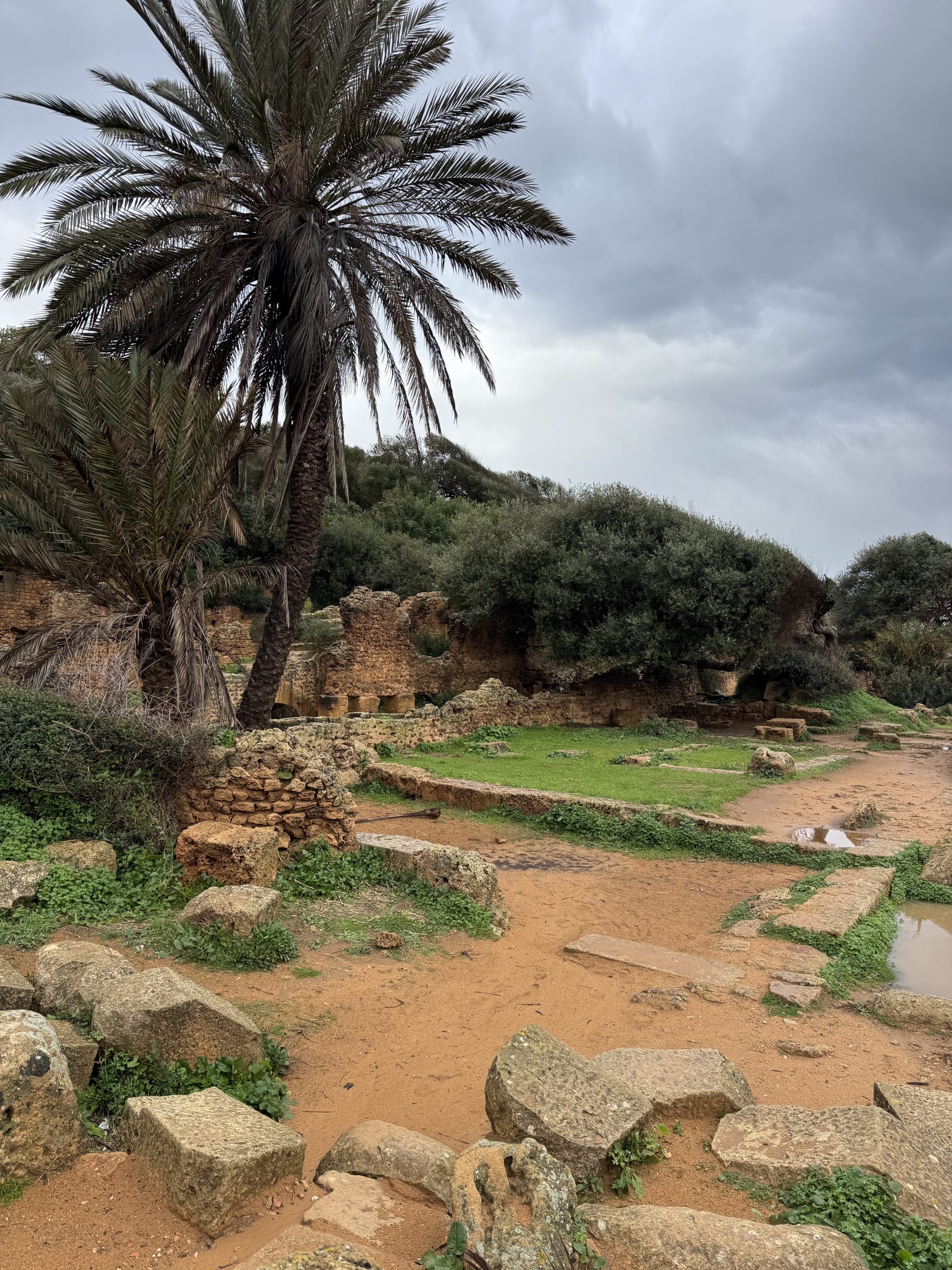
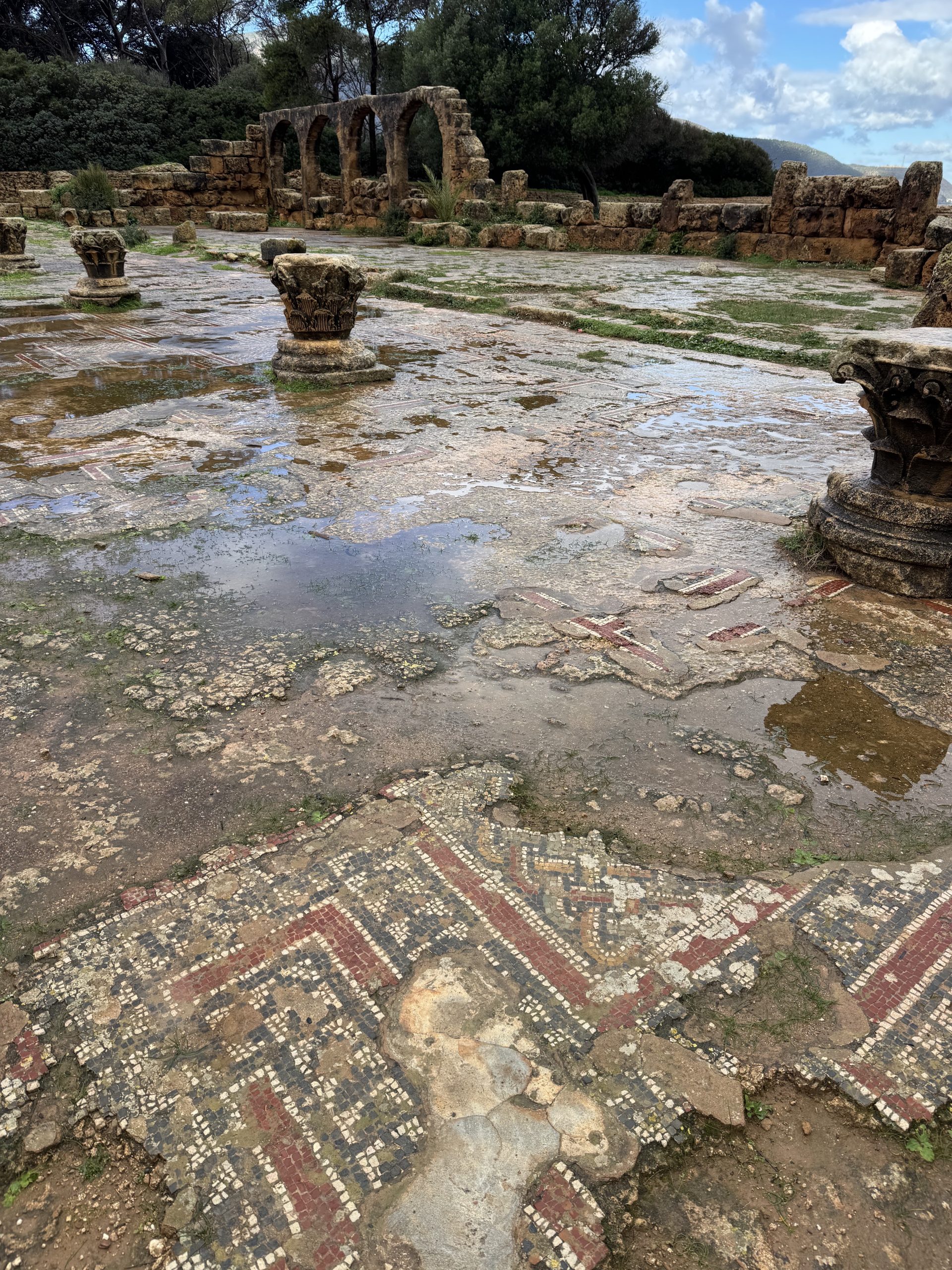
Here’s are some of the mosaics still on the ground! I truly cannot believe how well they’ve held up.
We had some very interesting conversations with our guide about Algeria’s relationships with its surrounding countries. What surprised me the most is that they have some tension with Morocco, because Algeria supports the independence of Western Sahara. I didn’t know that much about Western Sahara beyond the location of it and the fact that it is a disputed territory, so this did send me down a bit of a rabbit hole.
According to Wikipedia, it used to be colonized by Spain until 1976, which is when Spain tried to turn it over to Morocco and Mauritania even as the International Court of Justice told them they couldn’t. Obviously, the people of Western Sahara were not particularly excited about this and they started a war to try to gain their independence. Mauritania decided this wasn’t worth the effort but Morocco stuck around and occupied the territory, which has been in an uneasy ceasefire since the early 90s. I’m visiting Morocco next year and definitely intend to ask my future guide about their thoughts on the situation.
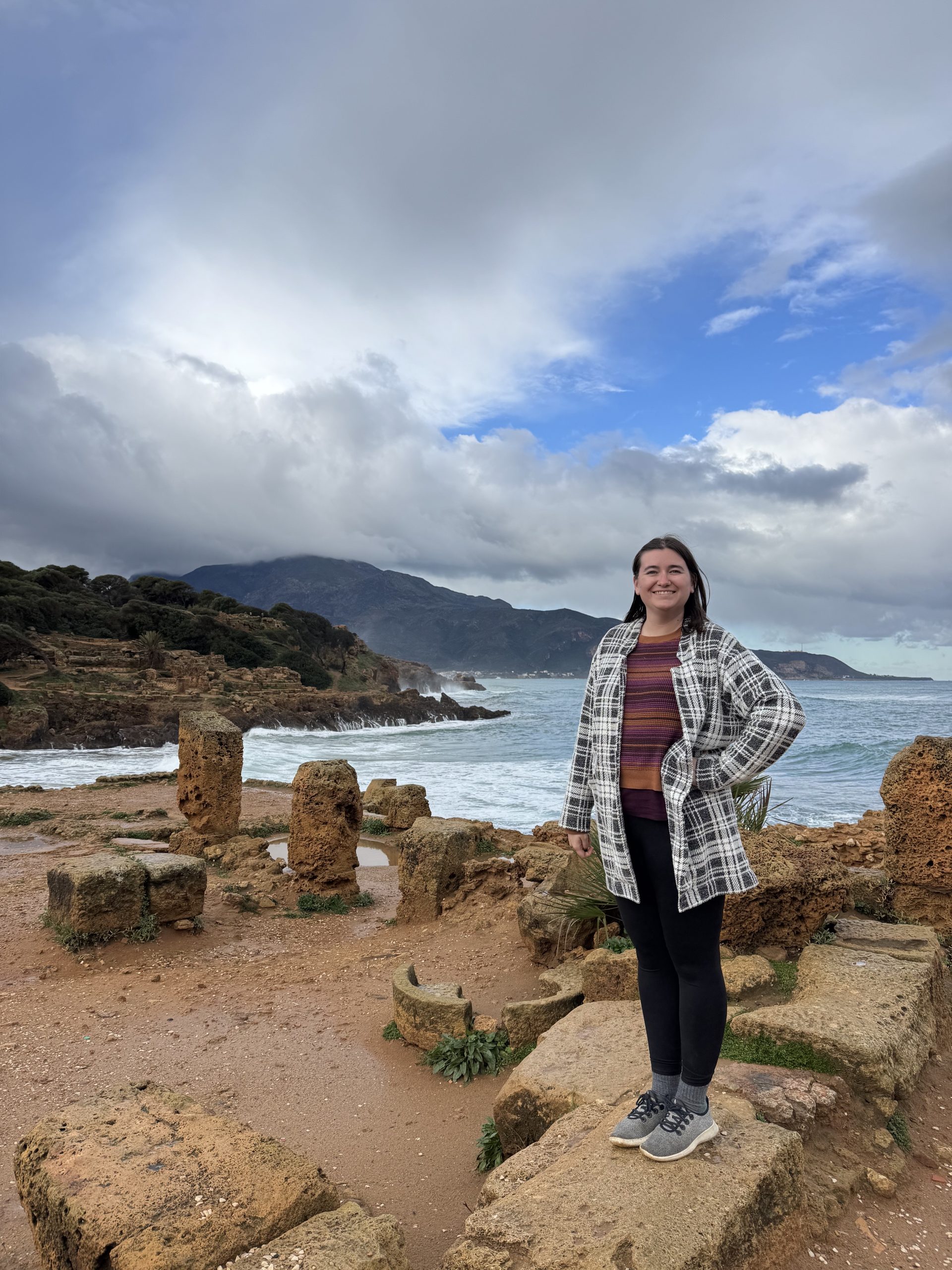
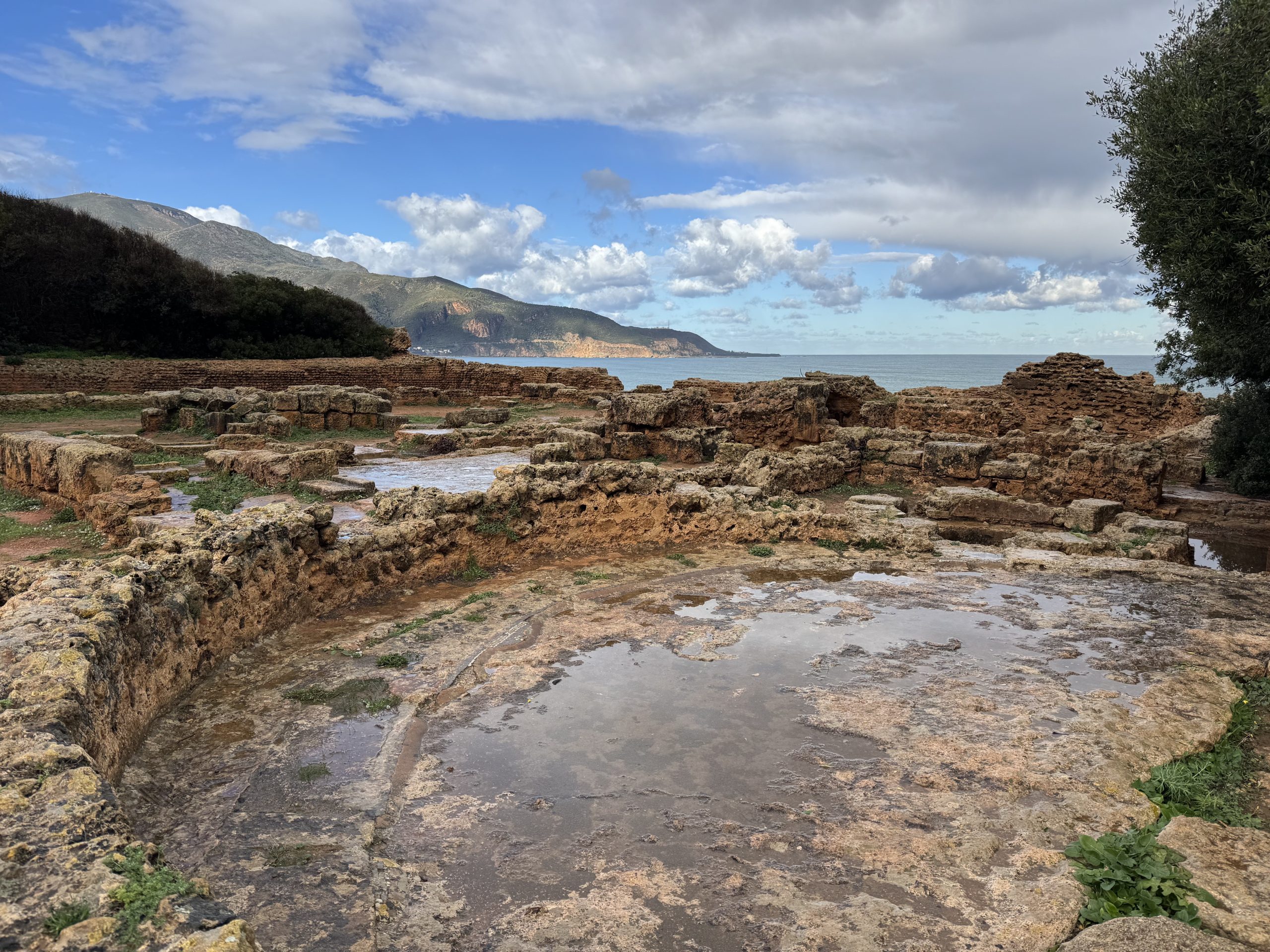
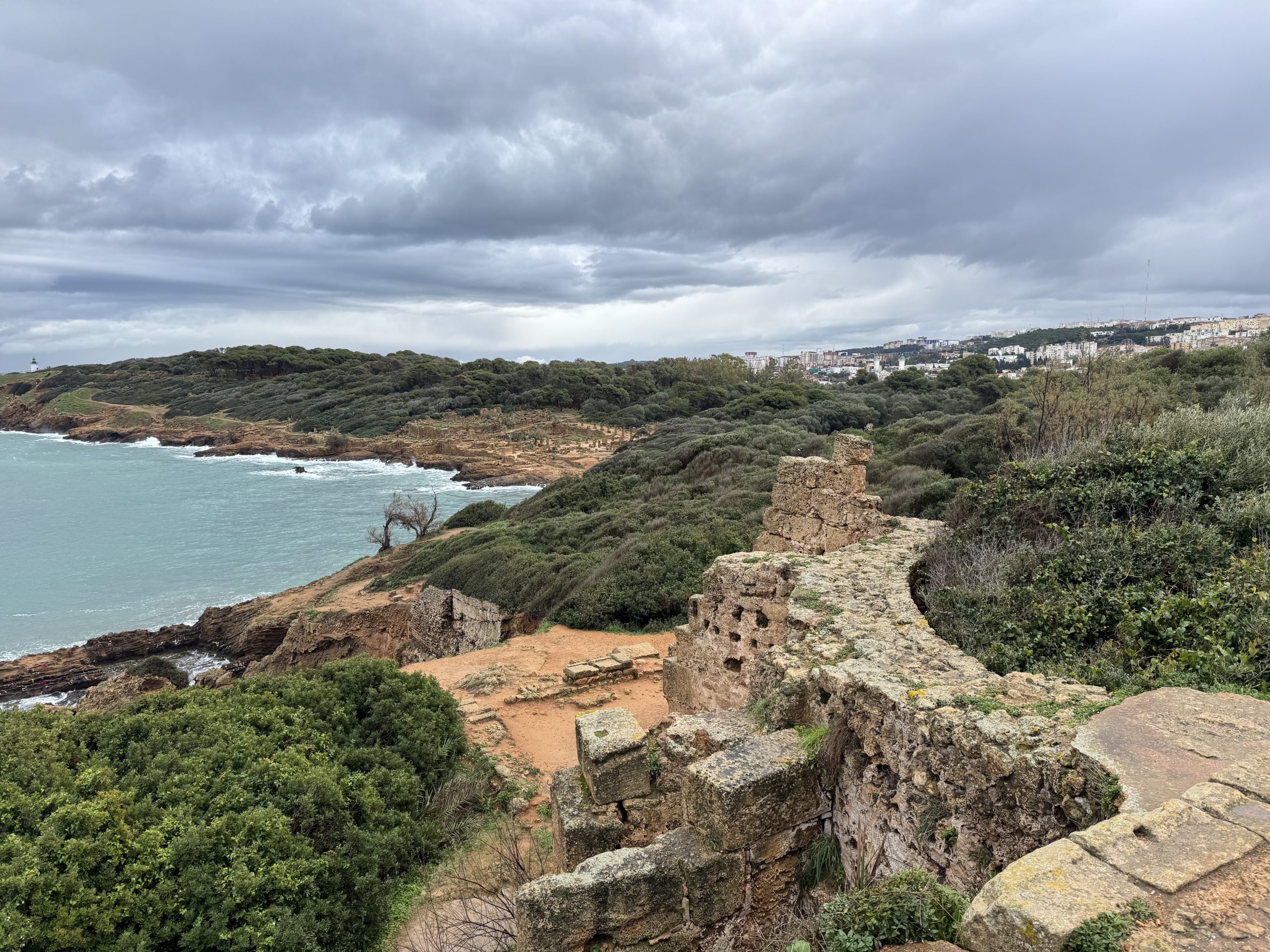
Anyway. Once we were done exploring the Tipaza ruins, we had one more stop: The Royal Mausoleum of Mauretania. This is one of those things where the historical context is interesting but the visit isn’t that exciting. It was built in 3 BC to bury King Juba II and Queen Cleopatra Selene II, and it is a pretty cool design of a mausoleum – I haven’t ever seen anything quite like it before. Unfortunately, it’s been damaged and you can’t go inside, so we basically walked around it as the wind howled around us. Nonetheless, worth a quick stop on the way from Cherchell and Tipaza back to Algiers!
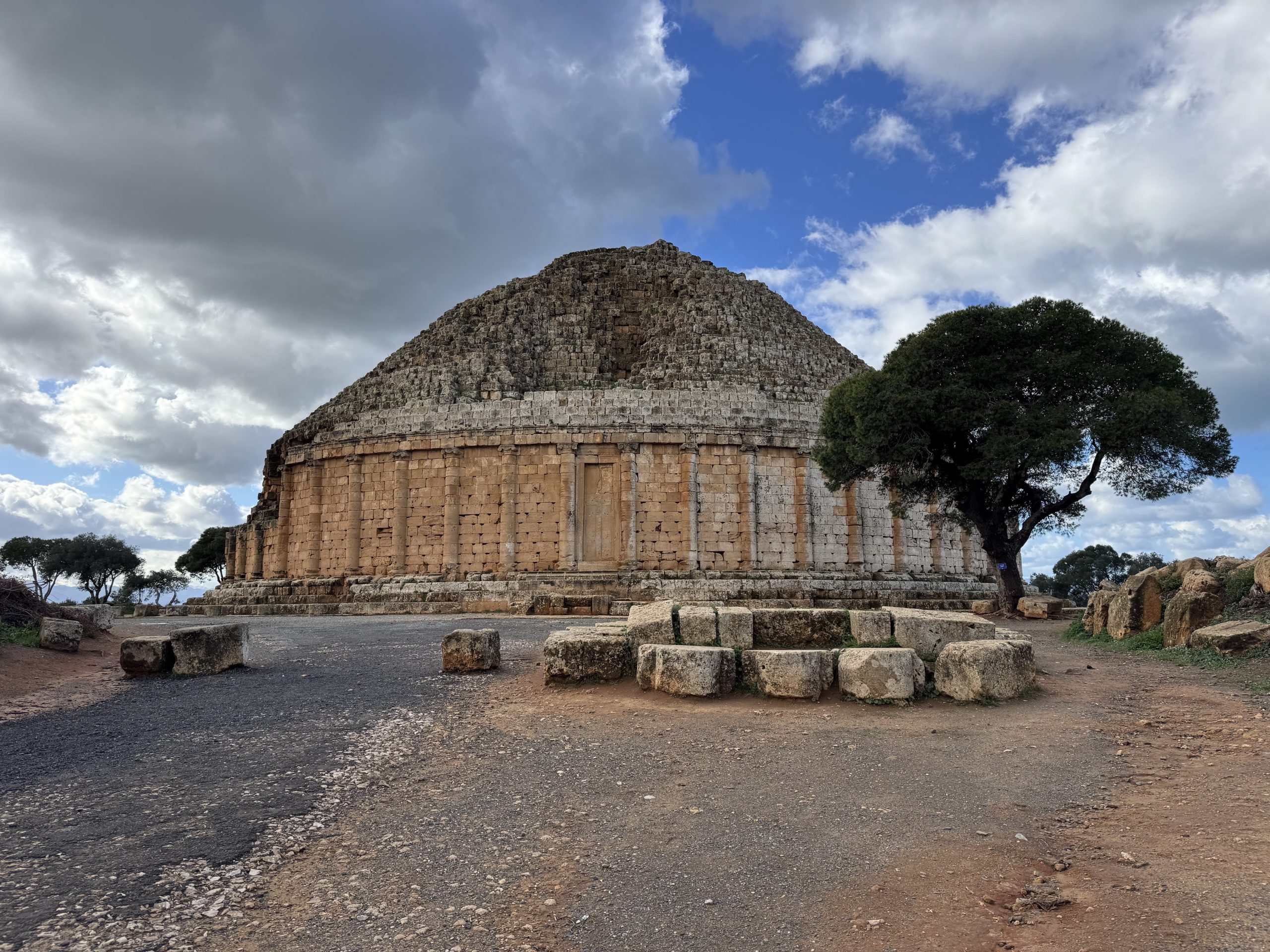
We had a lot more Roman ruins left to see on the trip, but Tipaza was a great transition from the Sahara back into the coastal area. I thought the walk through the ruins was gorgeous and I was excited for our next destination!