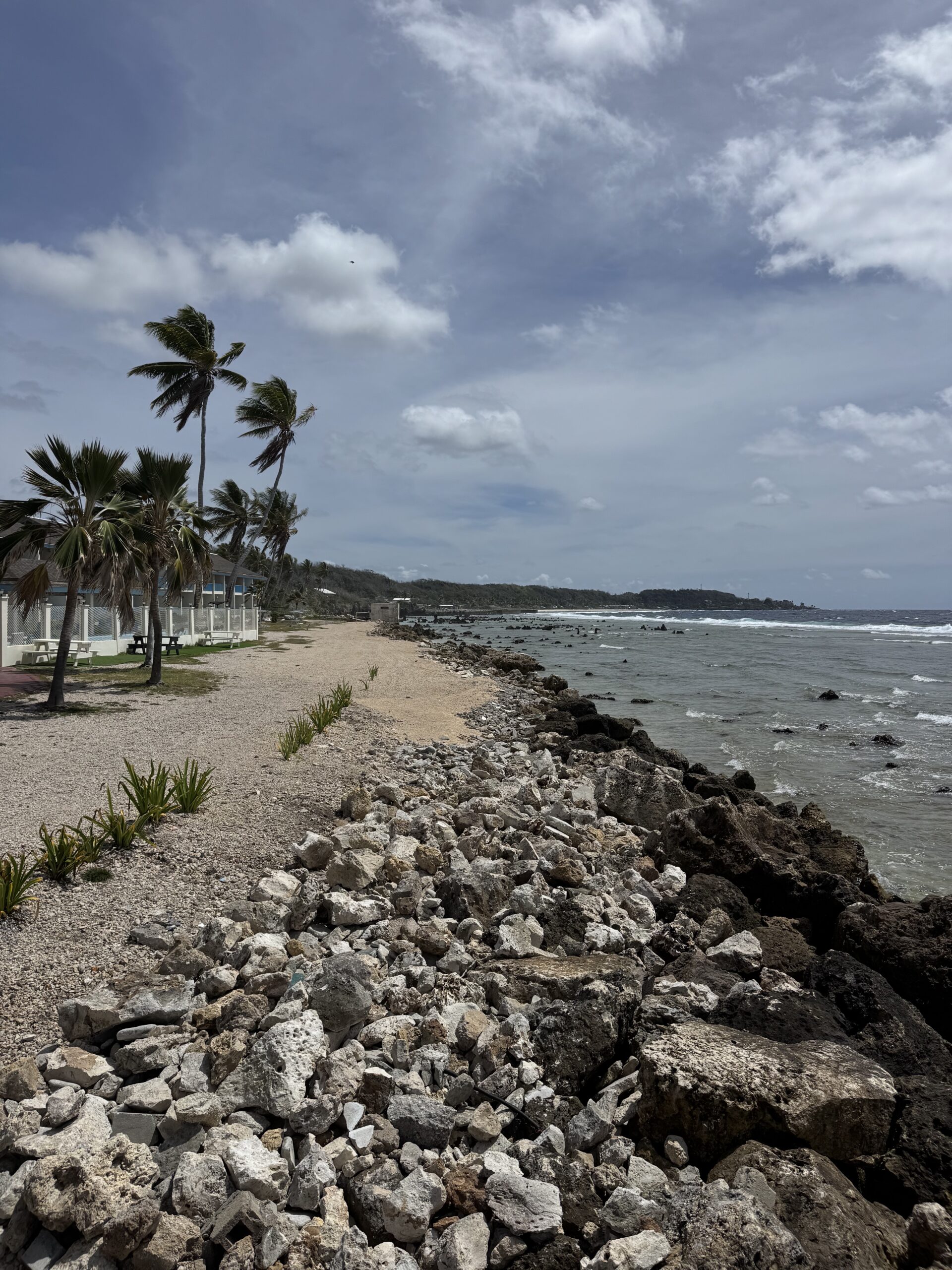
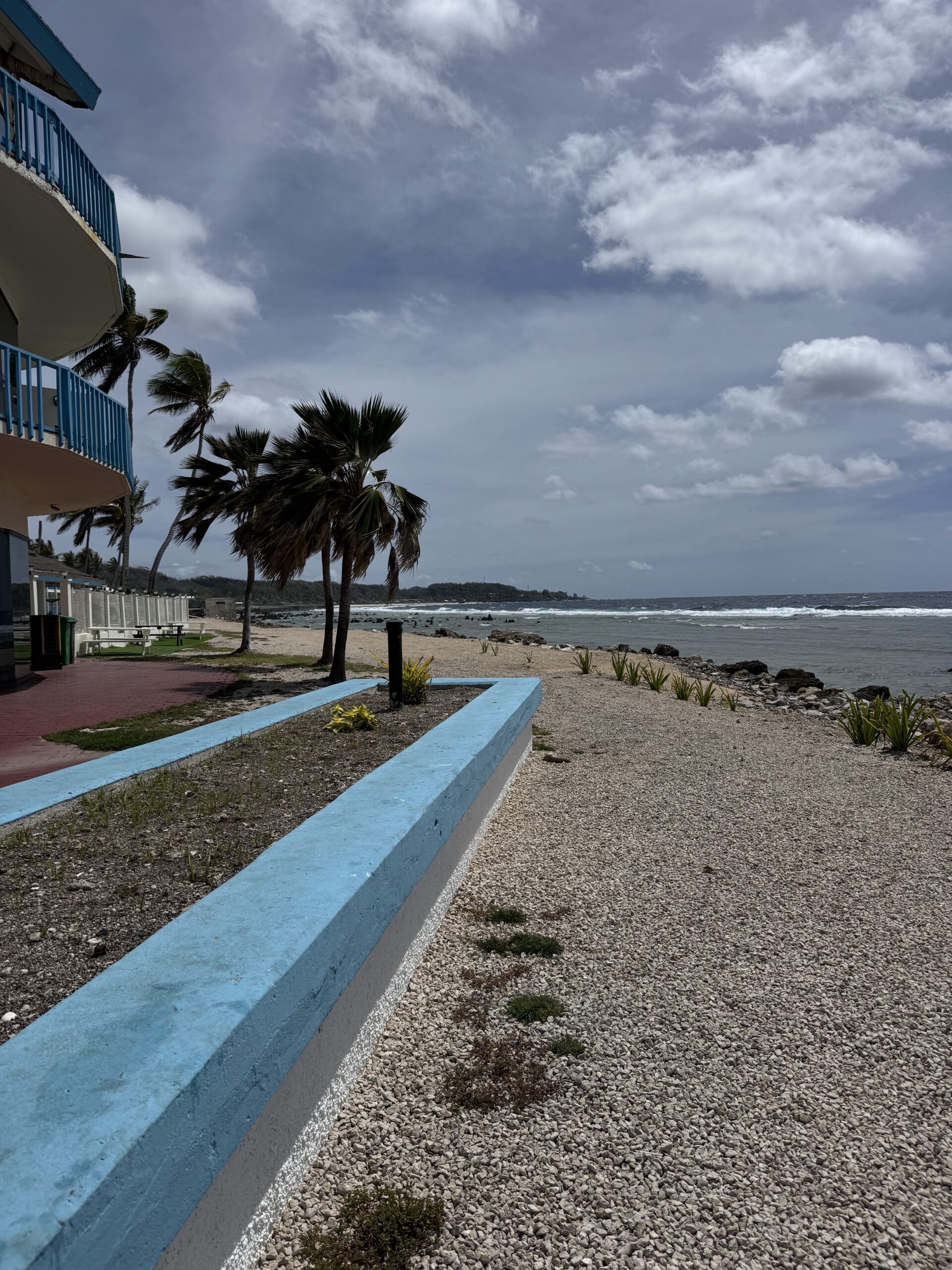
Two more flights and we landed in Nauru! Nauru is the world’s third smallest country, and it has a rather curious history. For a long time, it was rich in resources. It had phosphate deposits, and it was temporarily wealthy as the phosphate was systematically mined away. But at some point, the phosphate ran out, and the process of mining it had damaged Nauru’s environment so thoroughly that by the mid 60s, they thought it would be uninhabitable by 1990.
It isn’t uninhabitable, but it also isn’t doing great either. Its environment is still pretty wrecked, so the Nauruans can’t turn to agriculture either. They’ve acted as a tax haven, and tried to be more like Oceania’s answer to Switzerland or the Cayman Islands, and they’ve also offered land to Australia for an immigration detention center. The detention center has been used on and off since 2001, occasionally coming under fire for human rights issues. It is an interesting question – what can a country do if they don’t have any resources or pathways to make money? How does the country sustain itself?
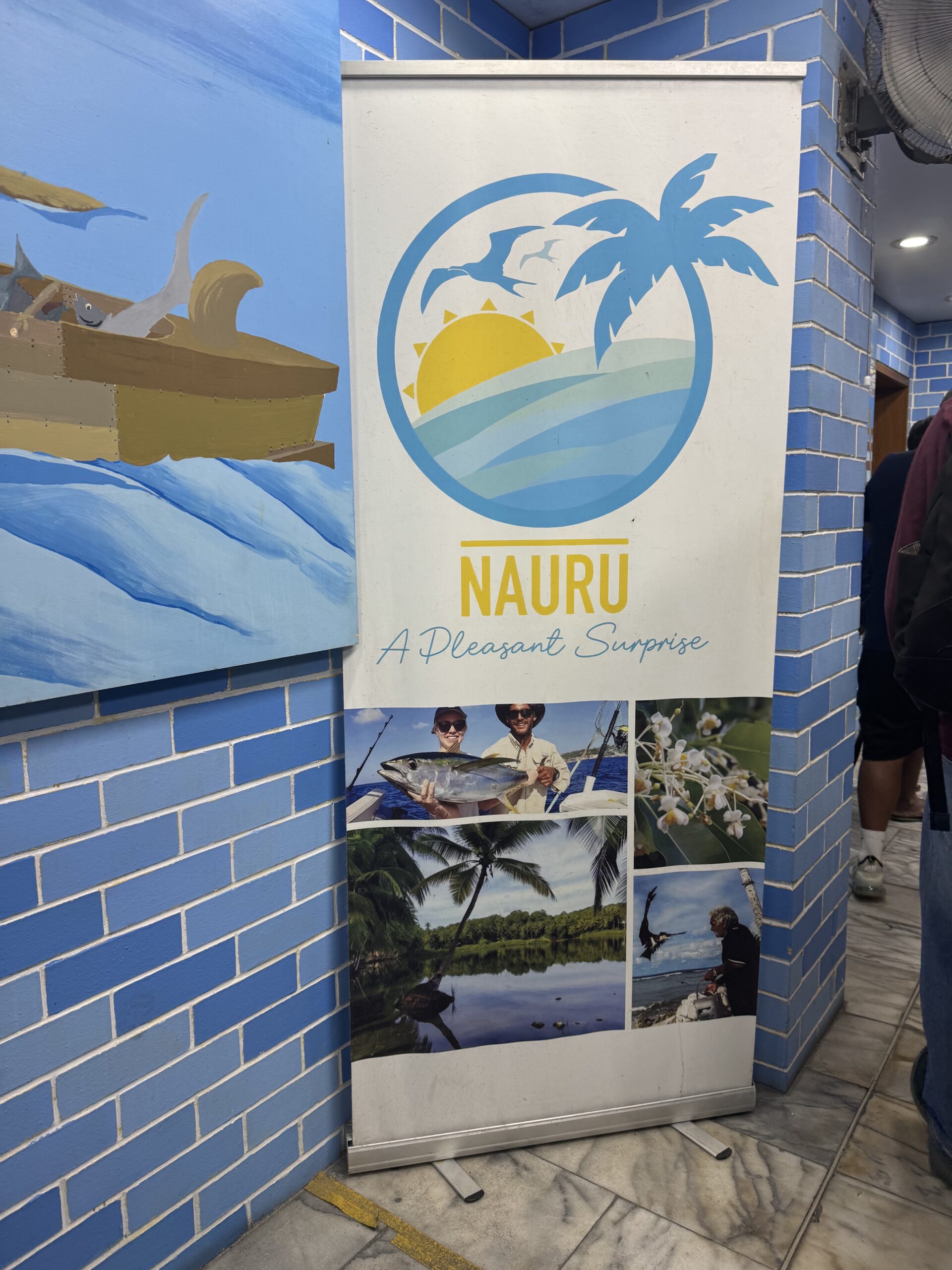

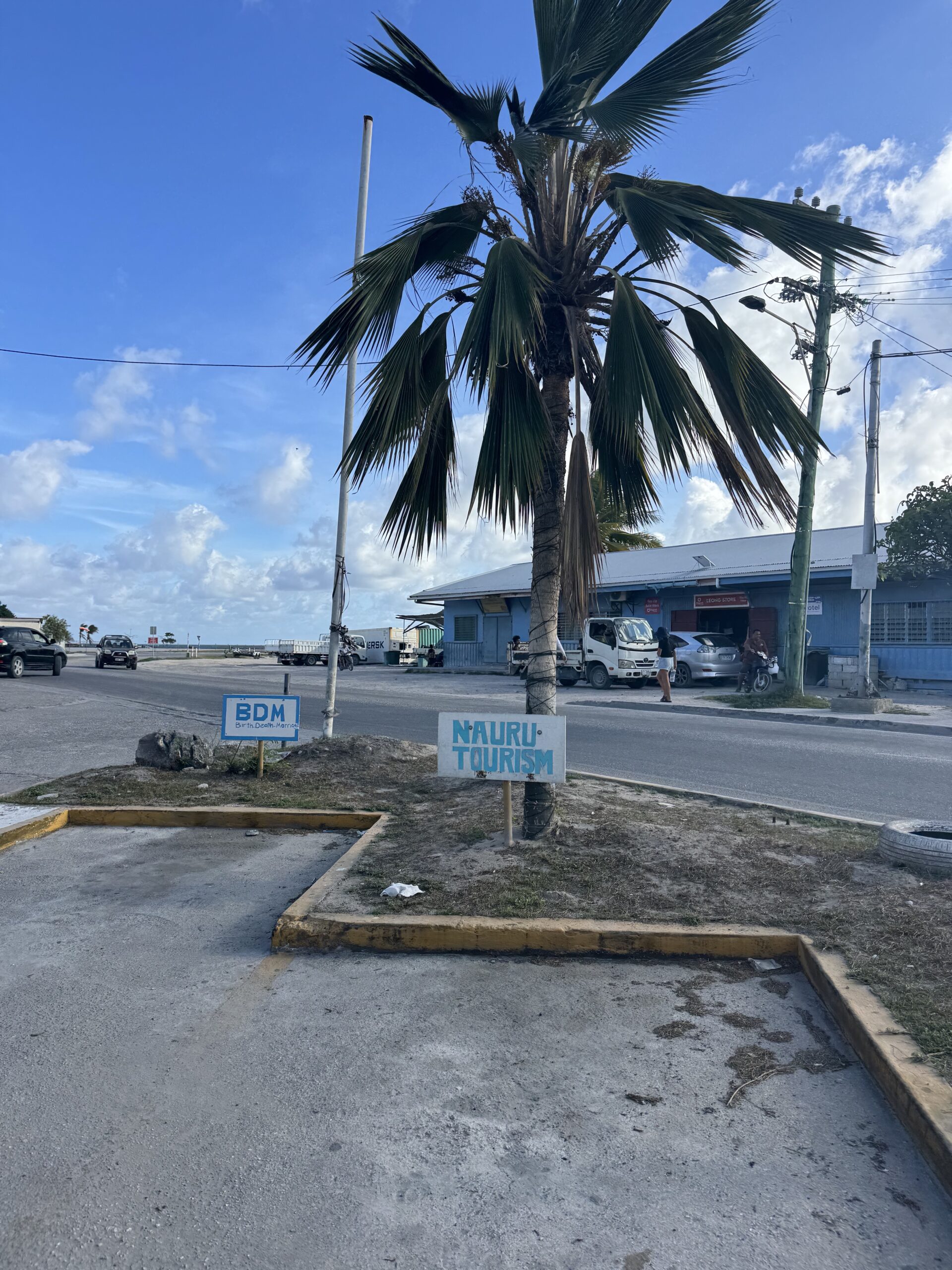
Side note, loving their tourism slogan of “A Pleasant Surprise.” There’s something very charming about that. I love seeing the tourism campaigns from the places that really need tourism campaigns – my favorites, of course, are Nebraska’s “Honestly, it’s not for everyone,” and Lithuania’s “G-Spot of Europe” (“no one knows where it is, but when you find it, it’s amazing”). But Nauru, with its remote location and lack of tourist infrastructure, is a hard sell. “A Pleasant Surprise” is probably fair because most people will have low expectations going into their trip there.
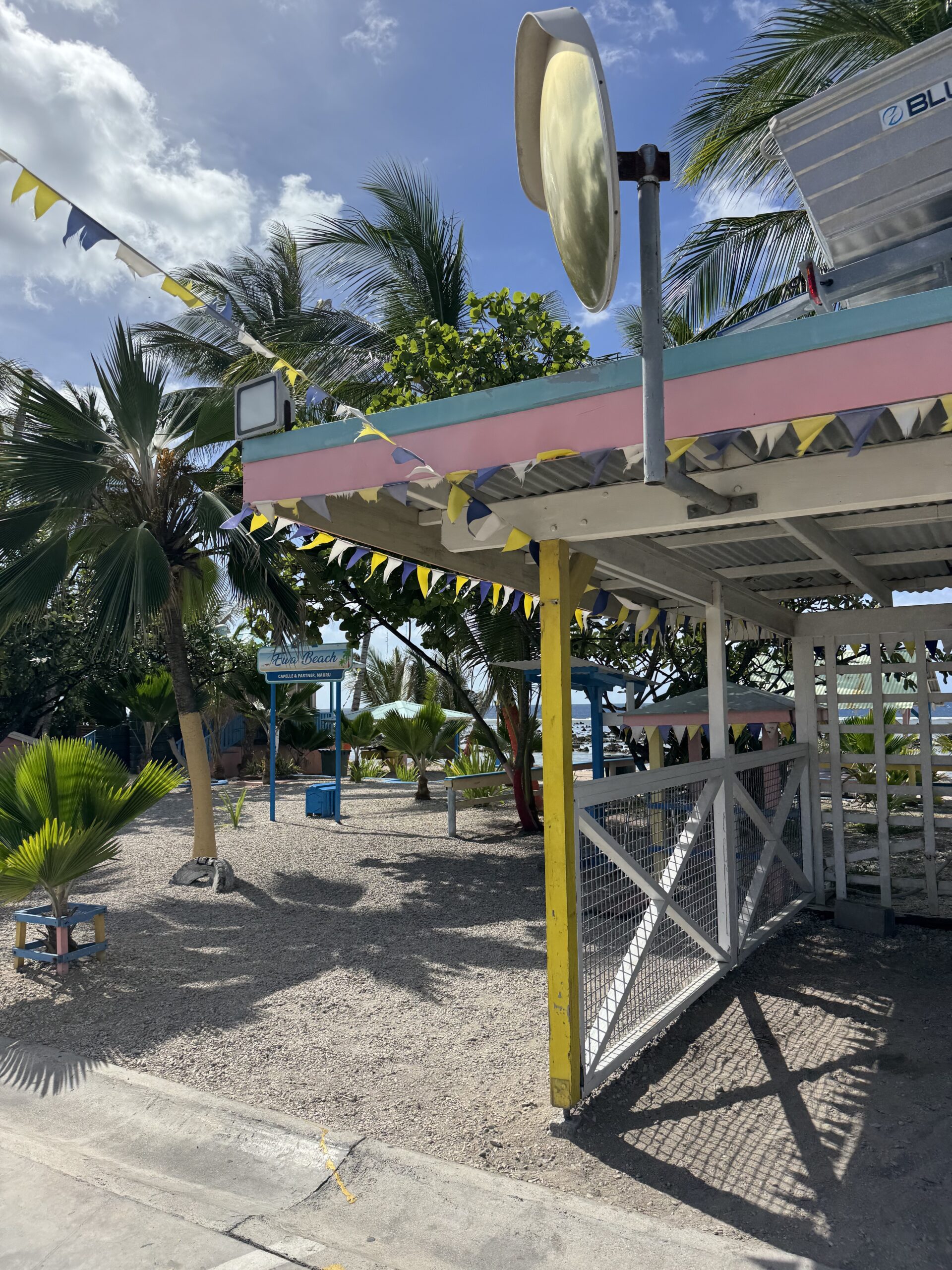
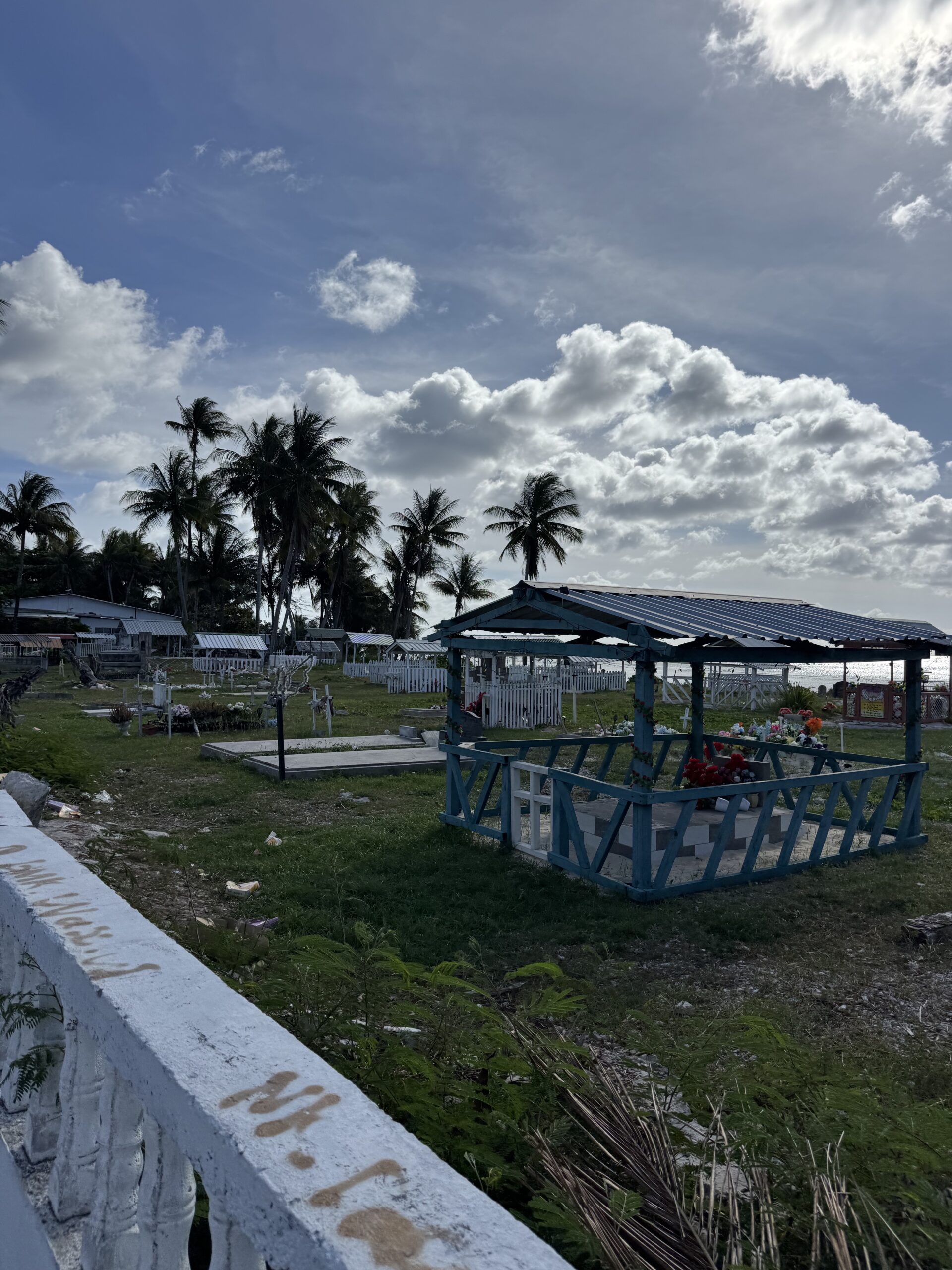
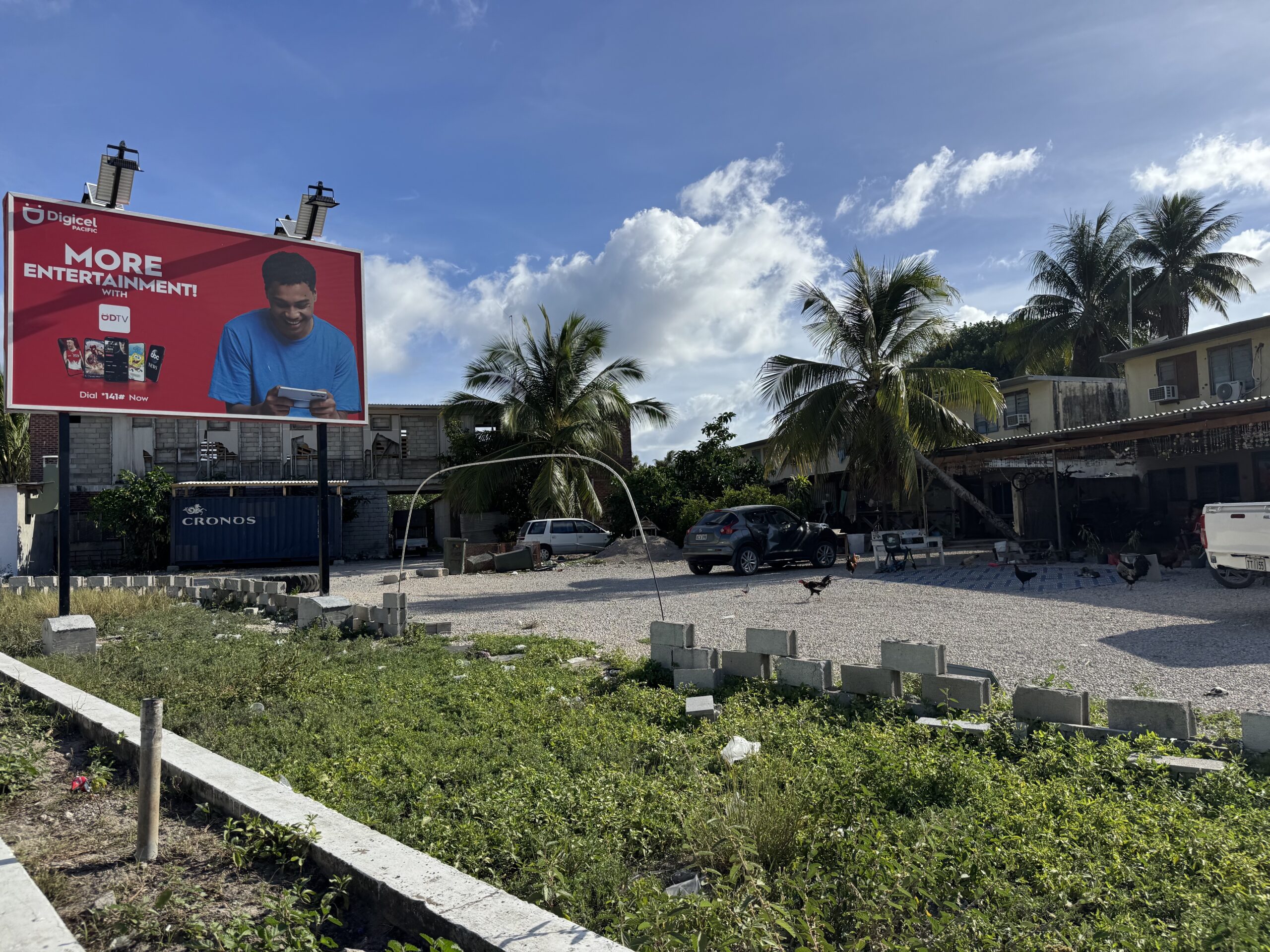
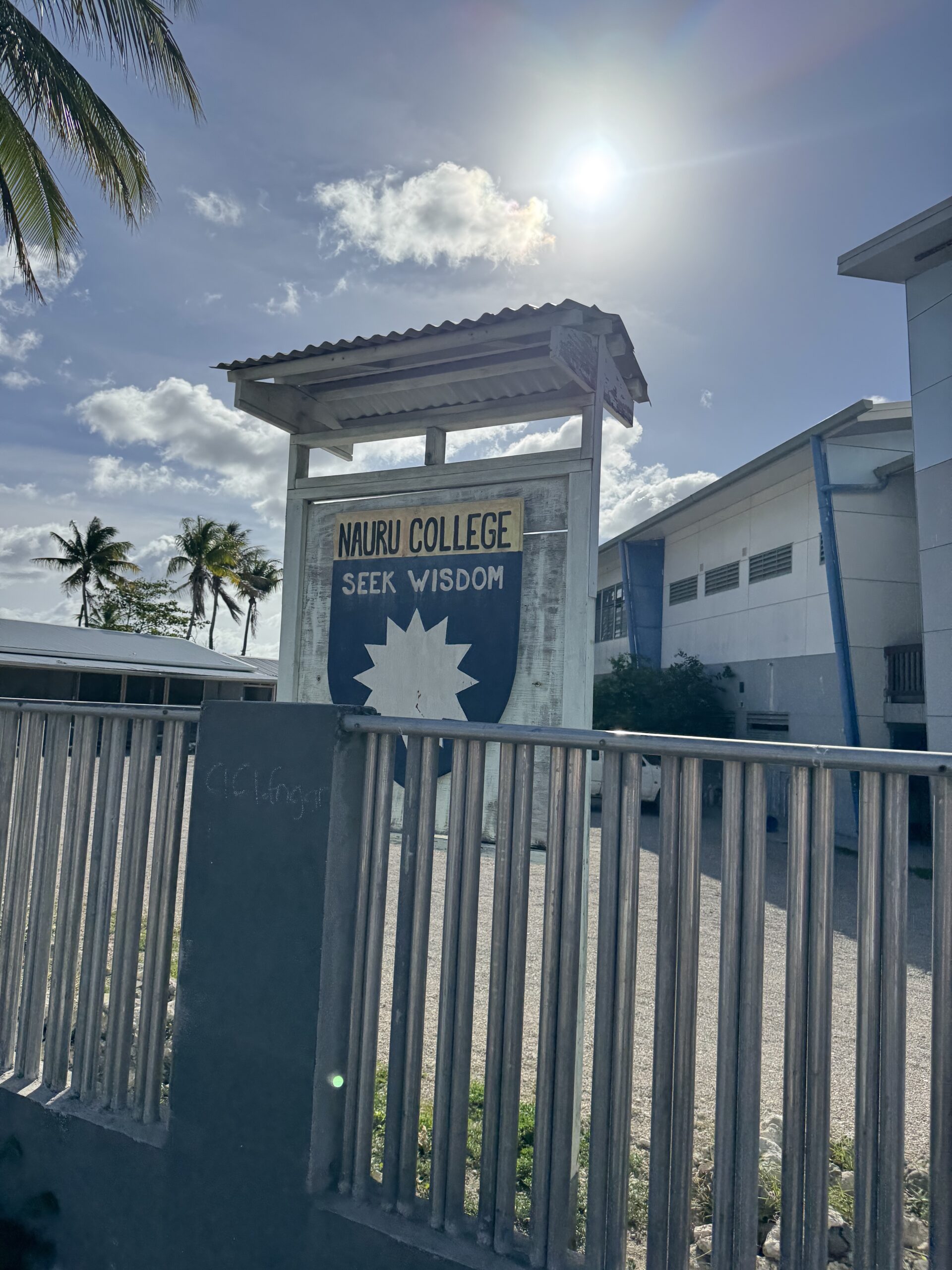
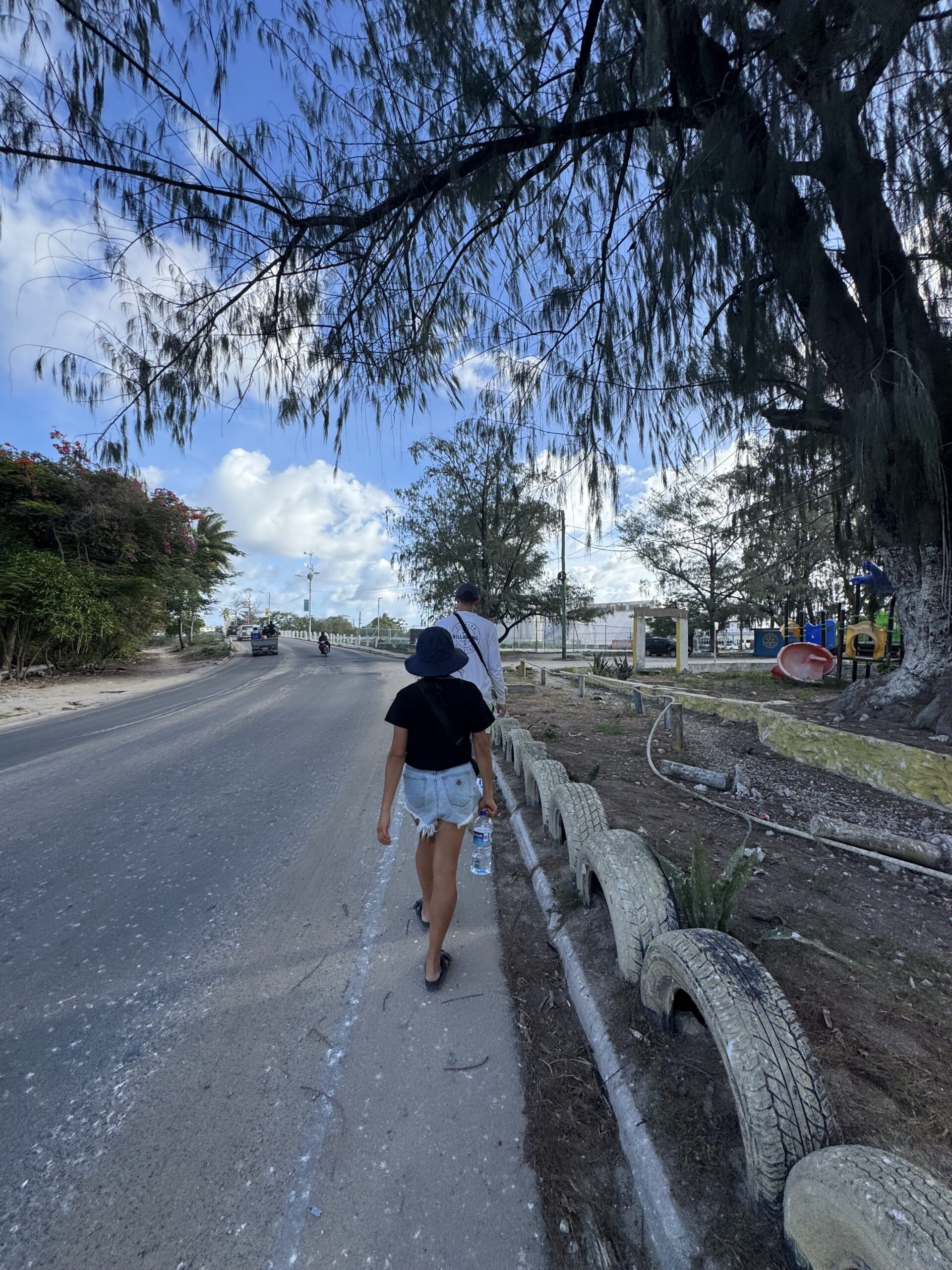
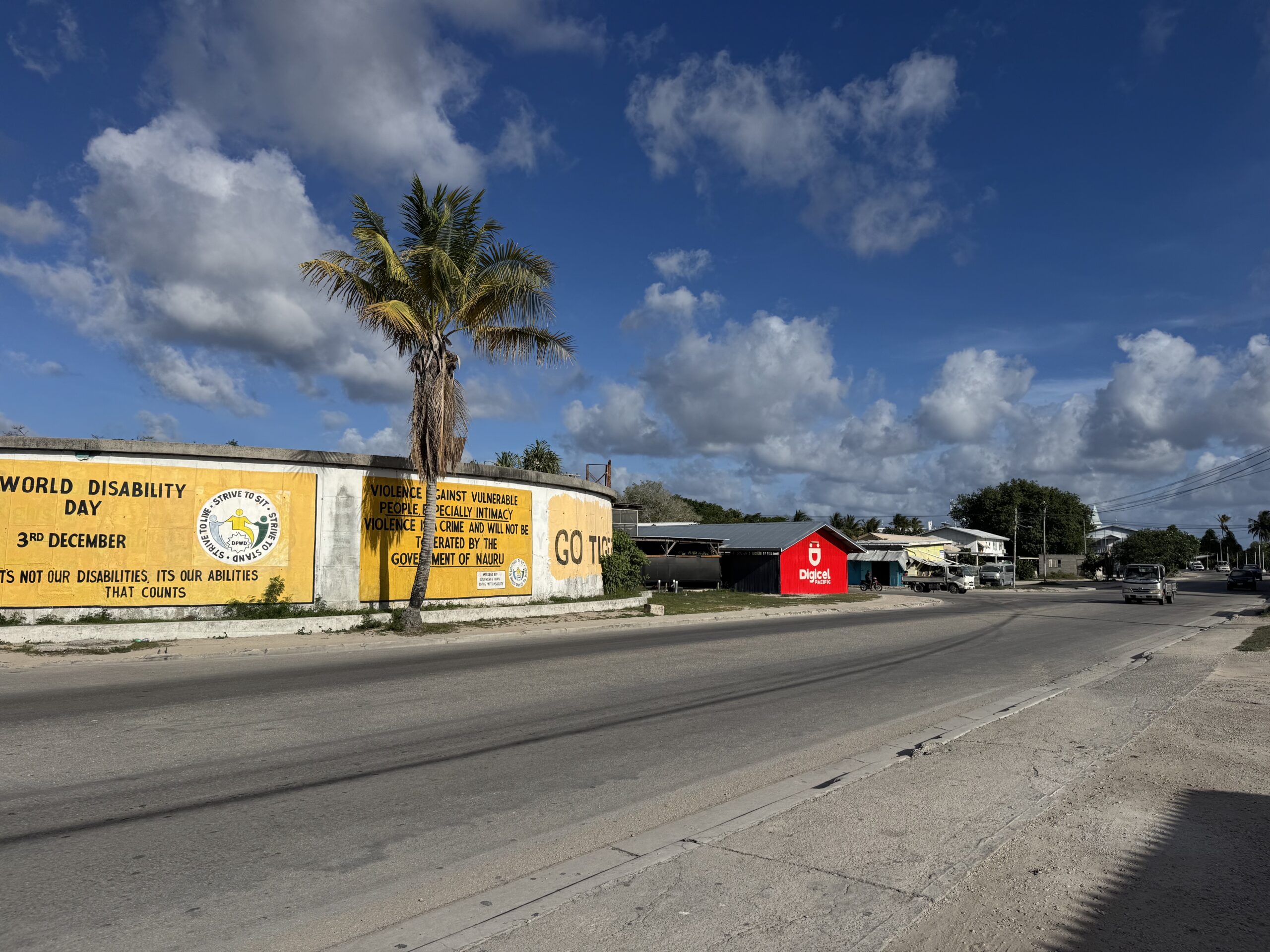
Our next day, we did the quintessential Nauru tourist thing (which is a bit of an oxymoron) and we walked around the entire country! It’s a little over 18 km or 11 miles walking along the road that hugs the coast.
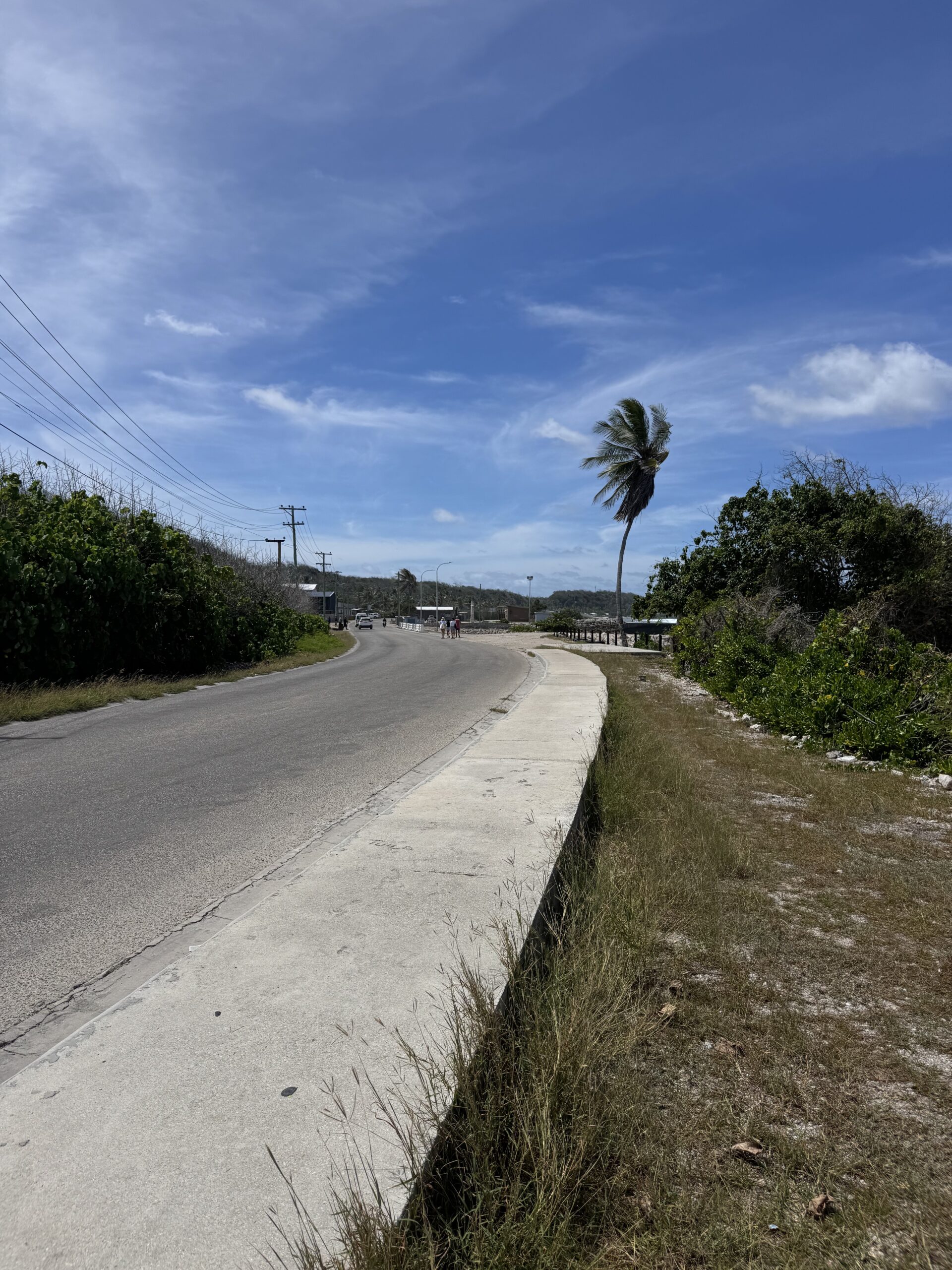
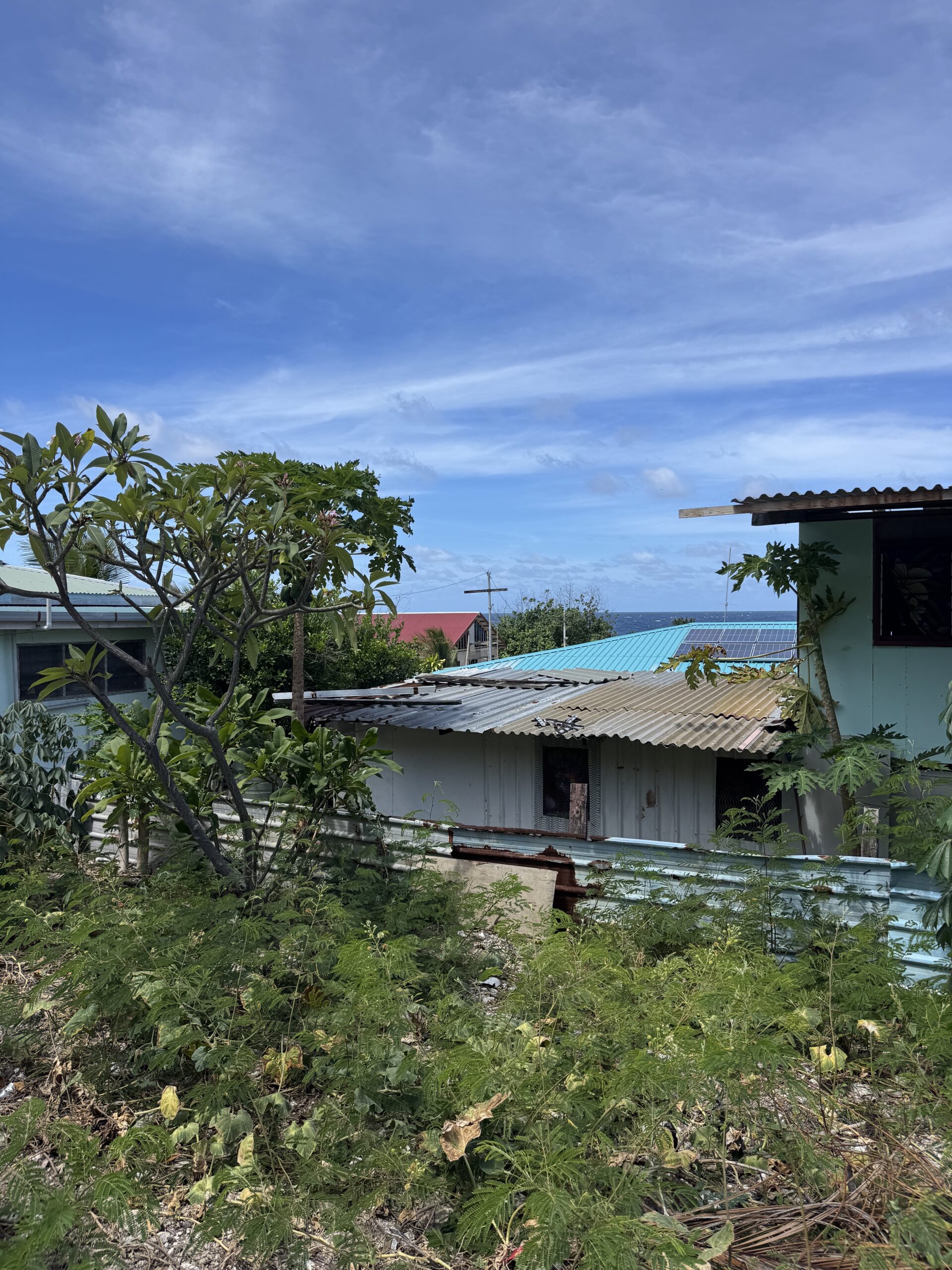
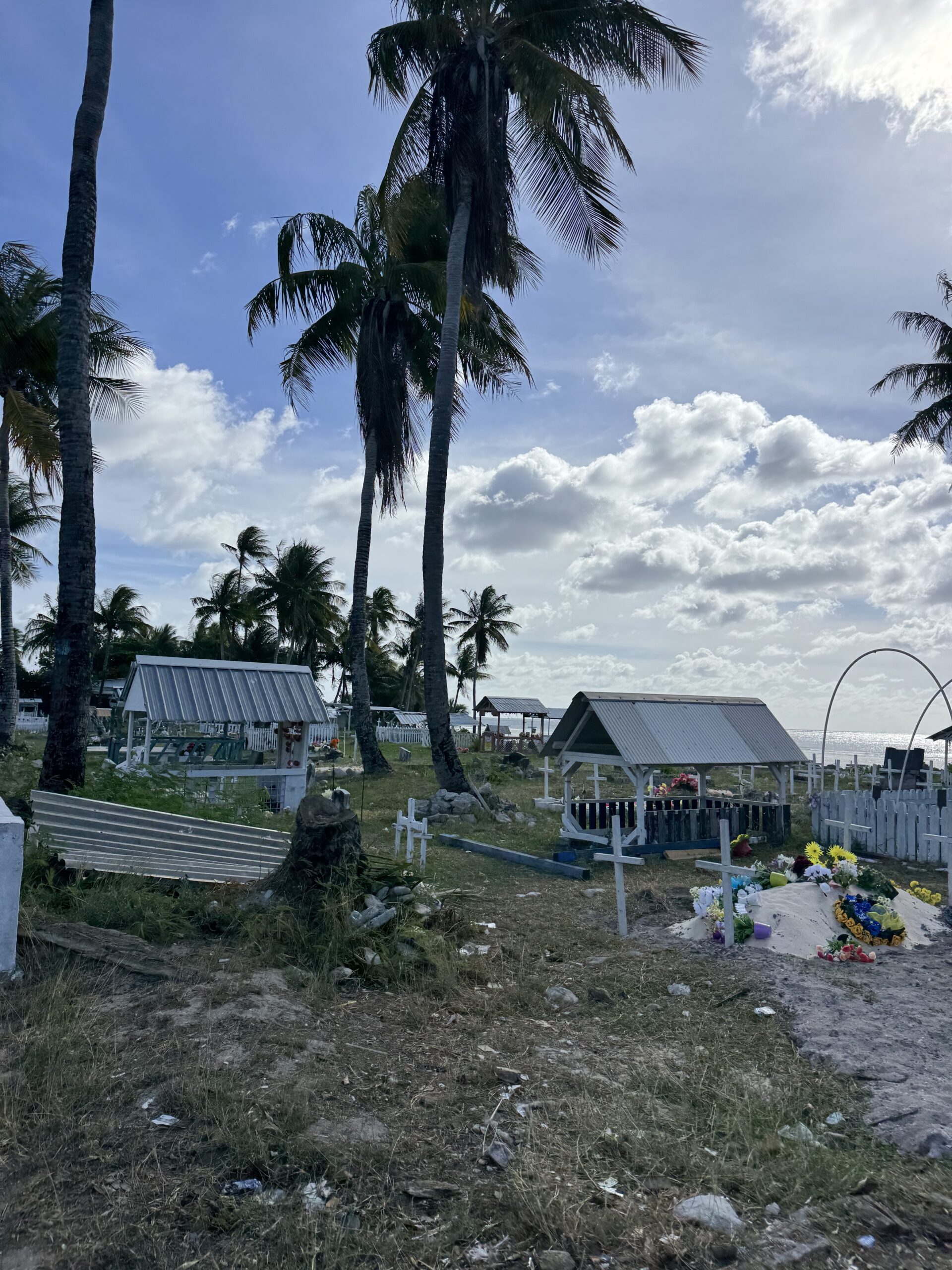
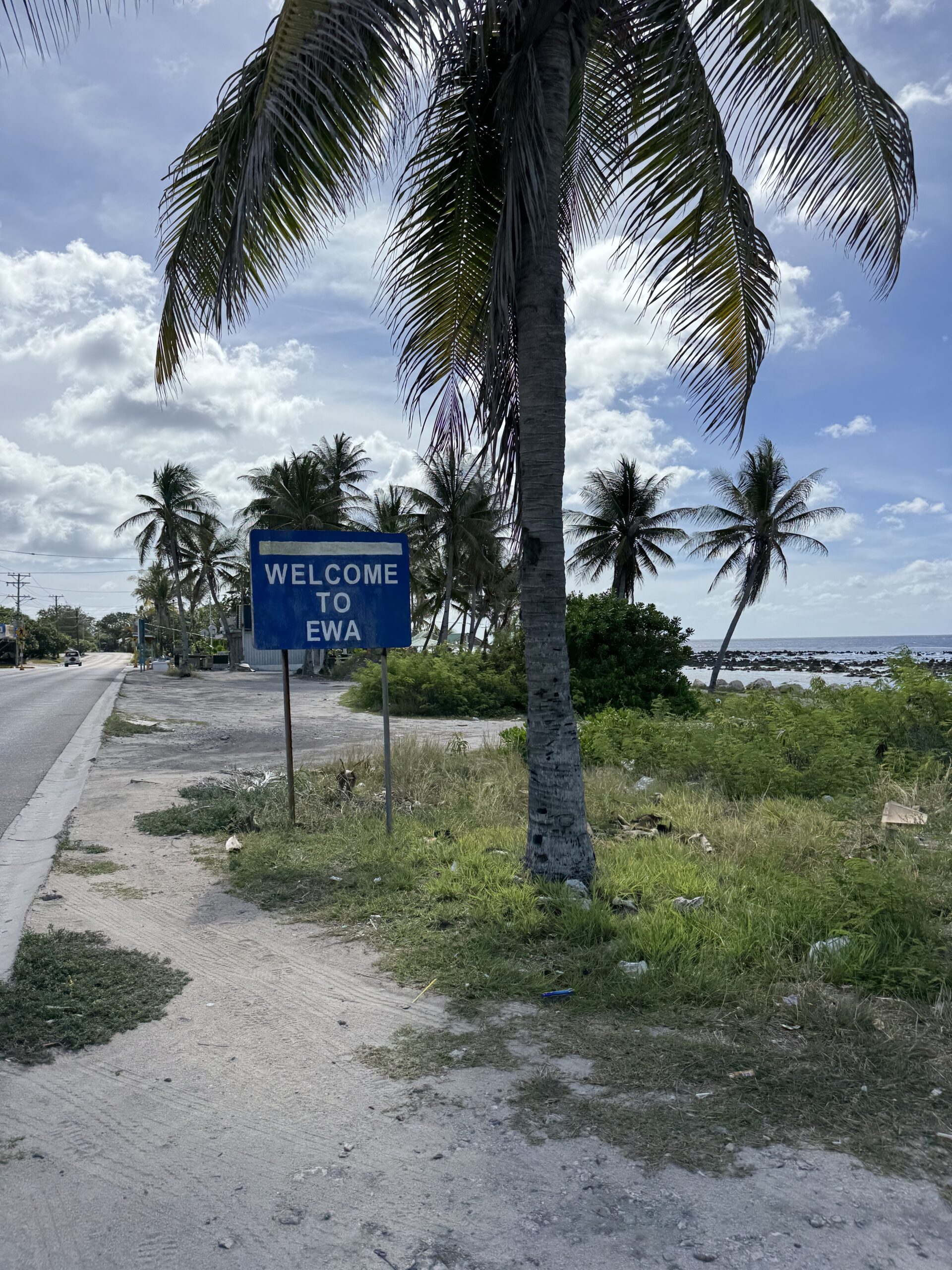
One annoying quirk of the timing of our trip – this big walk happened on a Sunday. Which meant that a lot of things were closed. The majority of restaurants were closed. There were little shops similar to a bodega-style convenience store that could at least sell us water or a cold drink or a snack on the way. But no other shops, no alcohol sales, and generally a lot fewer people out and about. Not quite as conducive to getting an experience of Nauru.
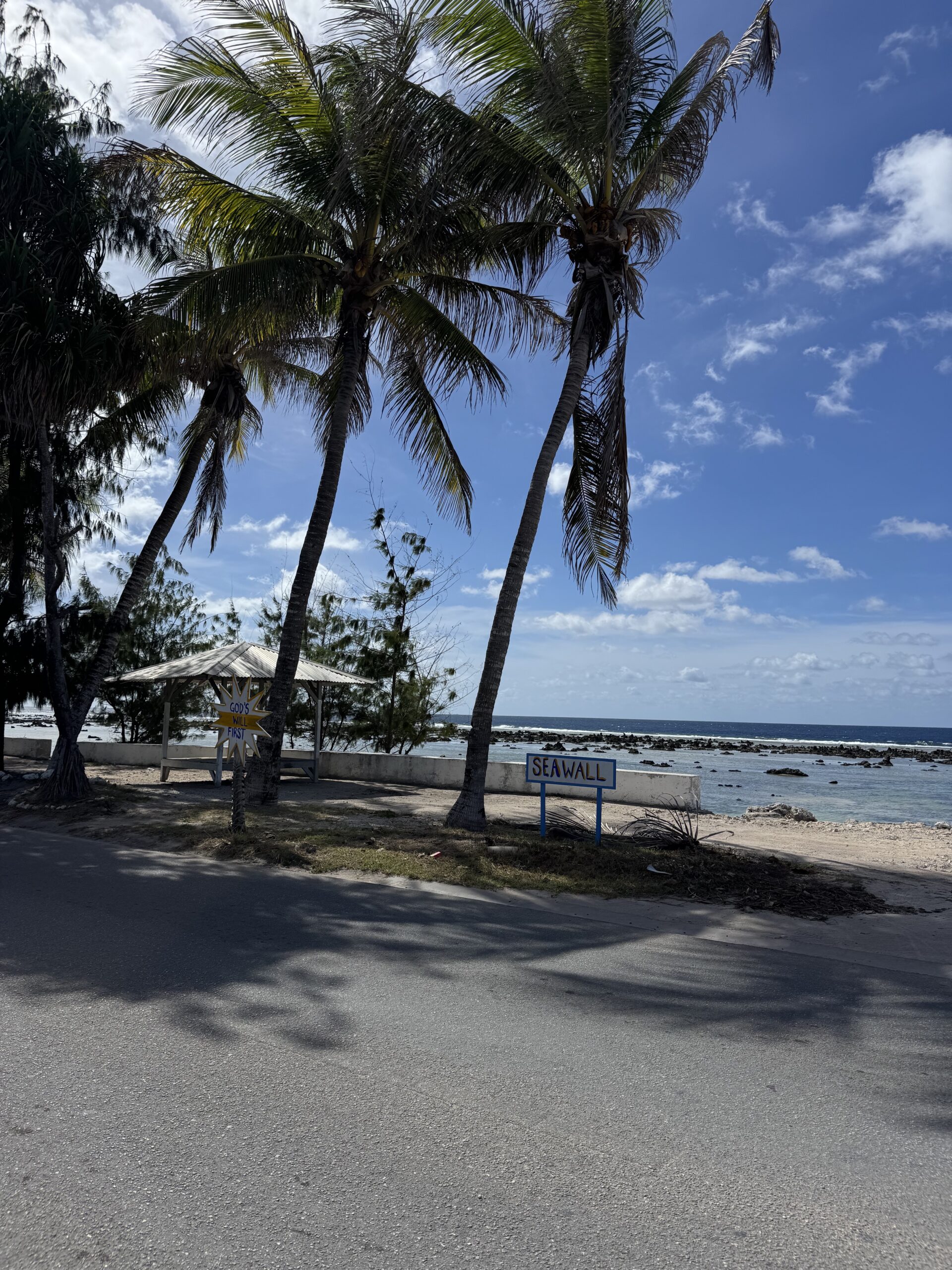
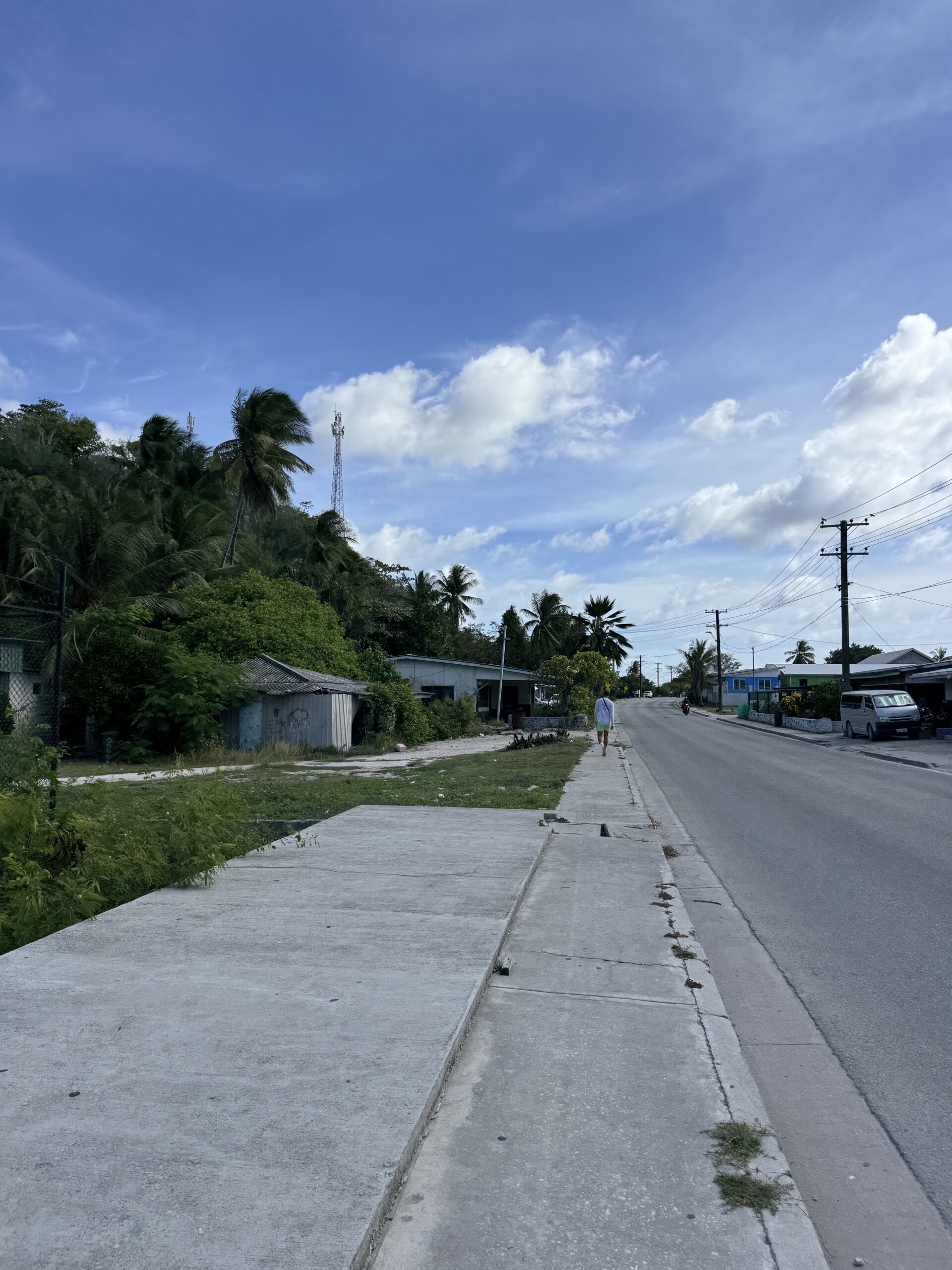
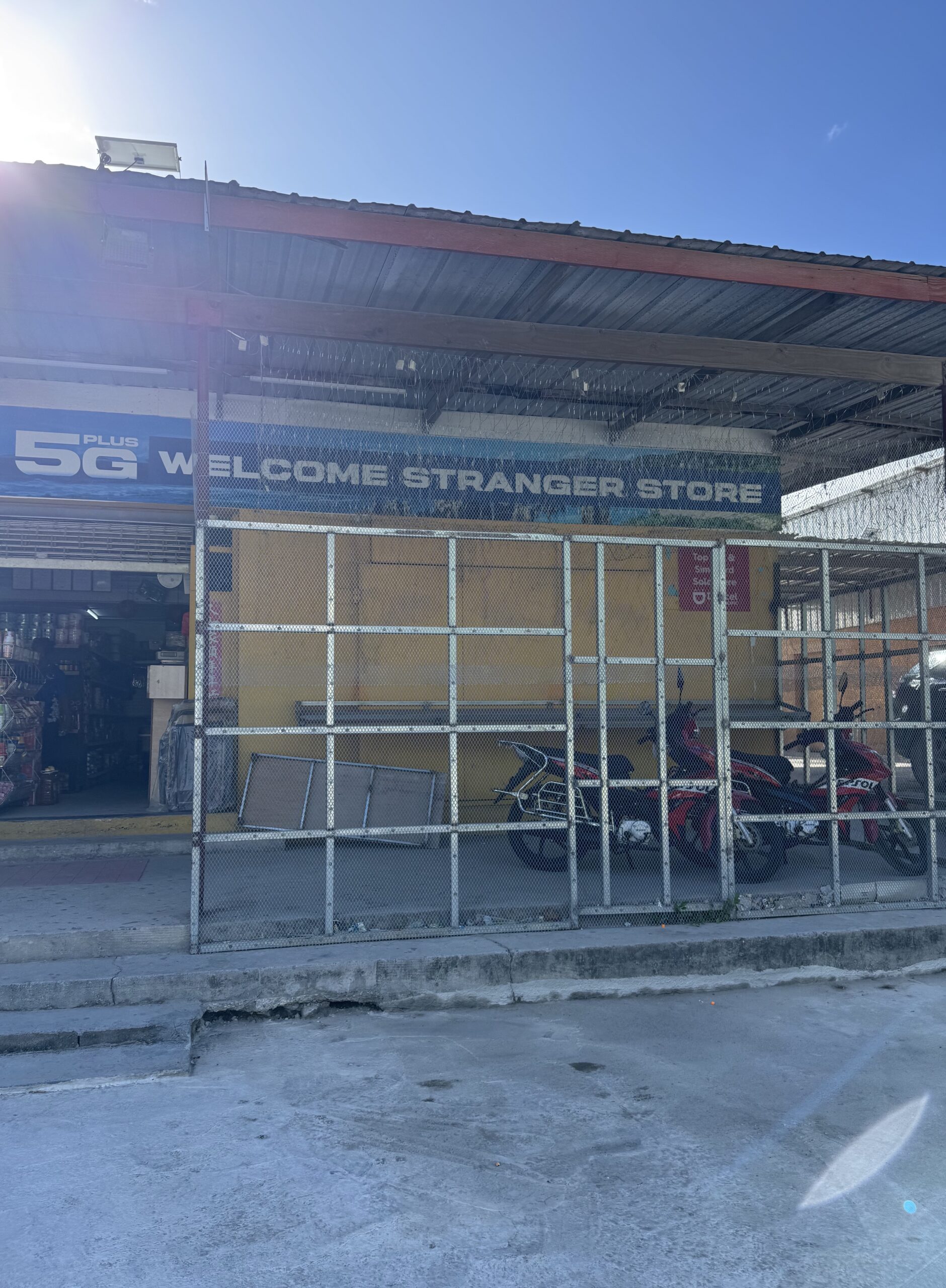
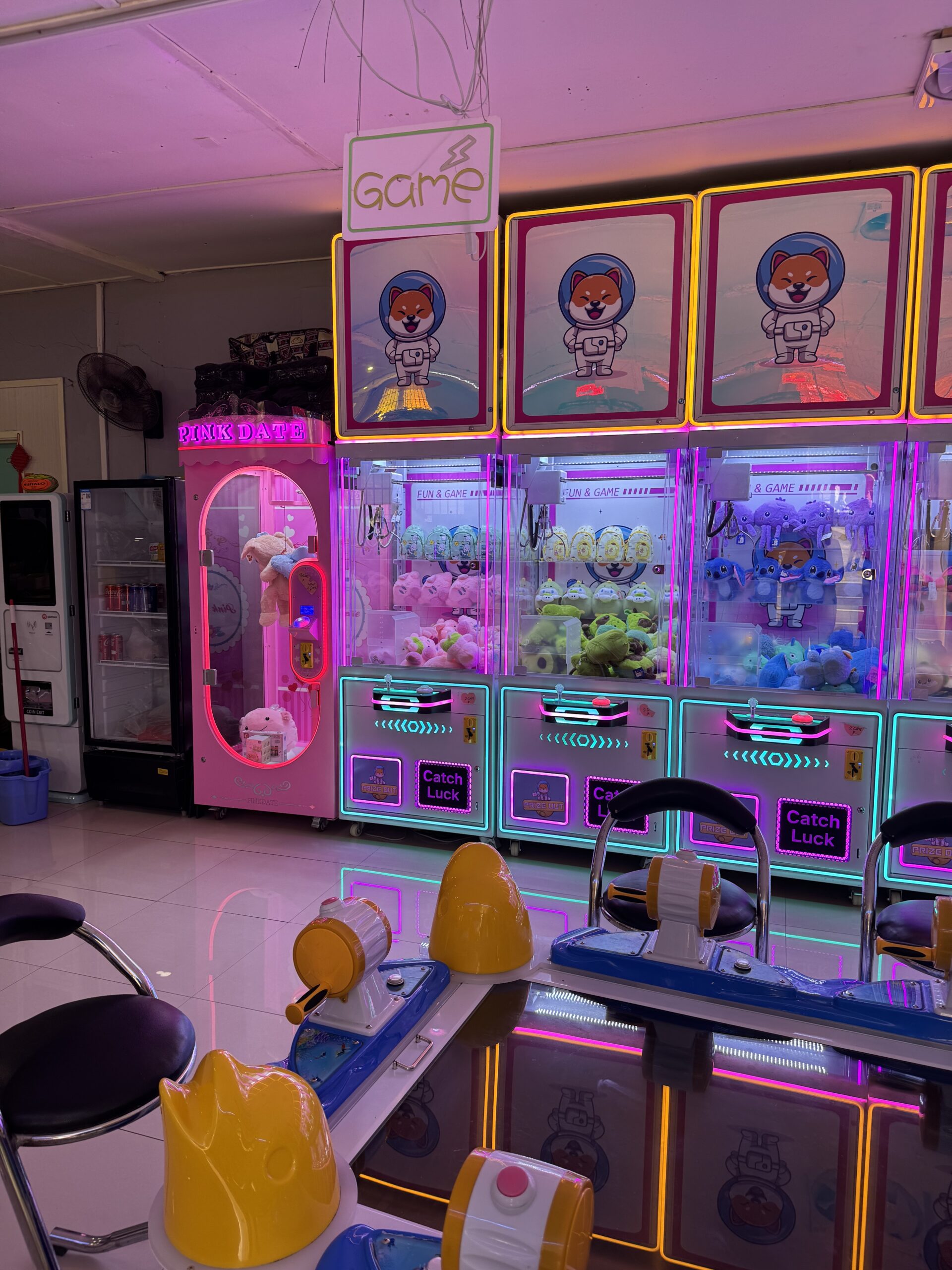
The convenience store shops all had great names, too. It reminded me of the shop names in West Africa, which were medleys of seemingly-random adjectives and nouns. We did find an arcade that was open, and Lucy and I played a couple quick games of air hockey as a fun break! It was nice to have some time in the air conditioning, since it had gotten pretty hot outside during our walk.
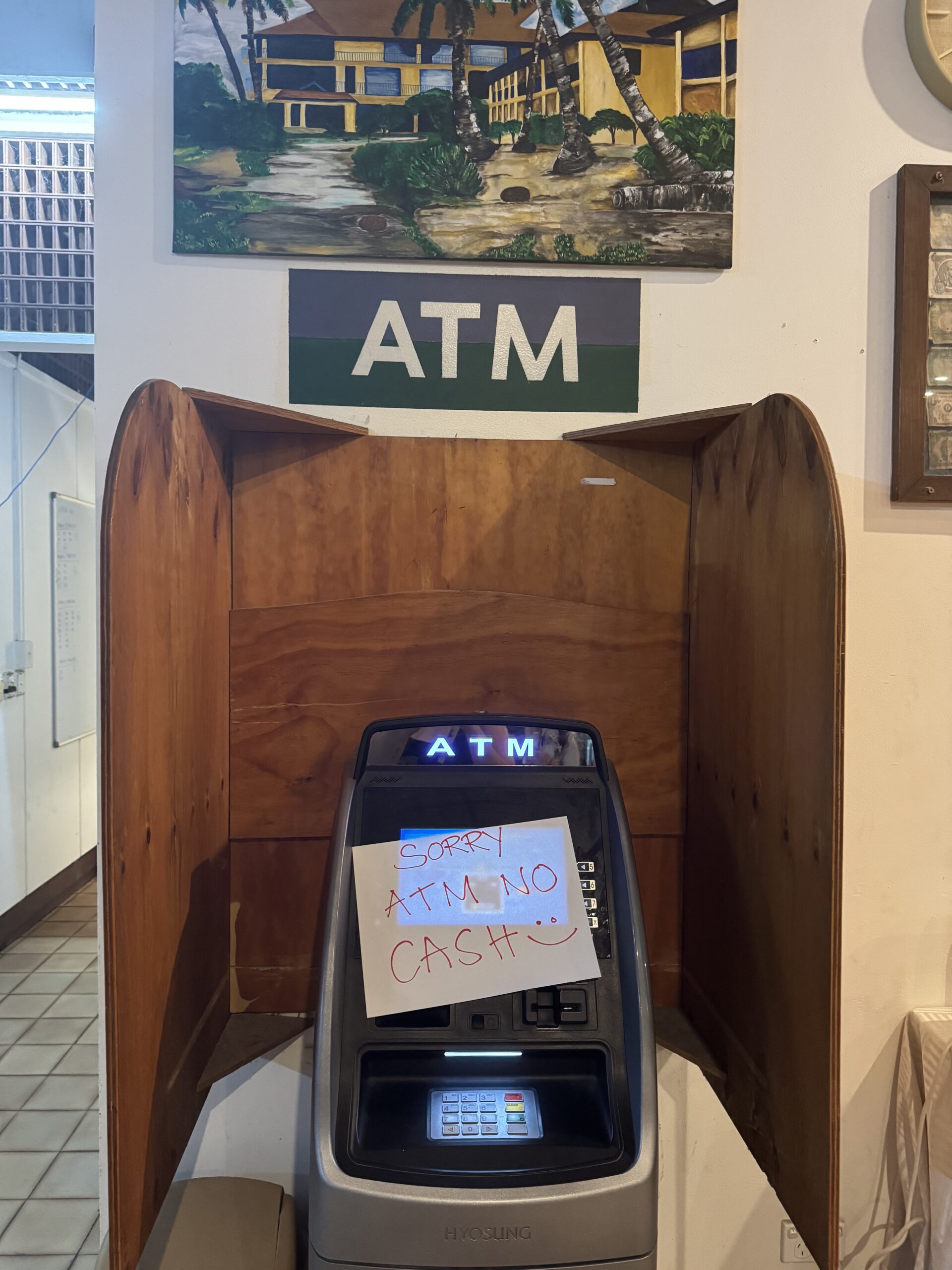
As we got closer to the airport, it started to get a little more built up. Thankfully, we finally found a working ATM. The one at the airport hadn’t worked and they didn’t have any cash exchange. Then the one at our hotel didn’t work either. I didn’t need a lot, I just wanted to have some Australian dollars in cash for Nauru and Kiribati because you can’t always assume that they’ll be able to take credit cards in this region.

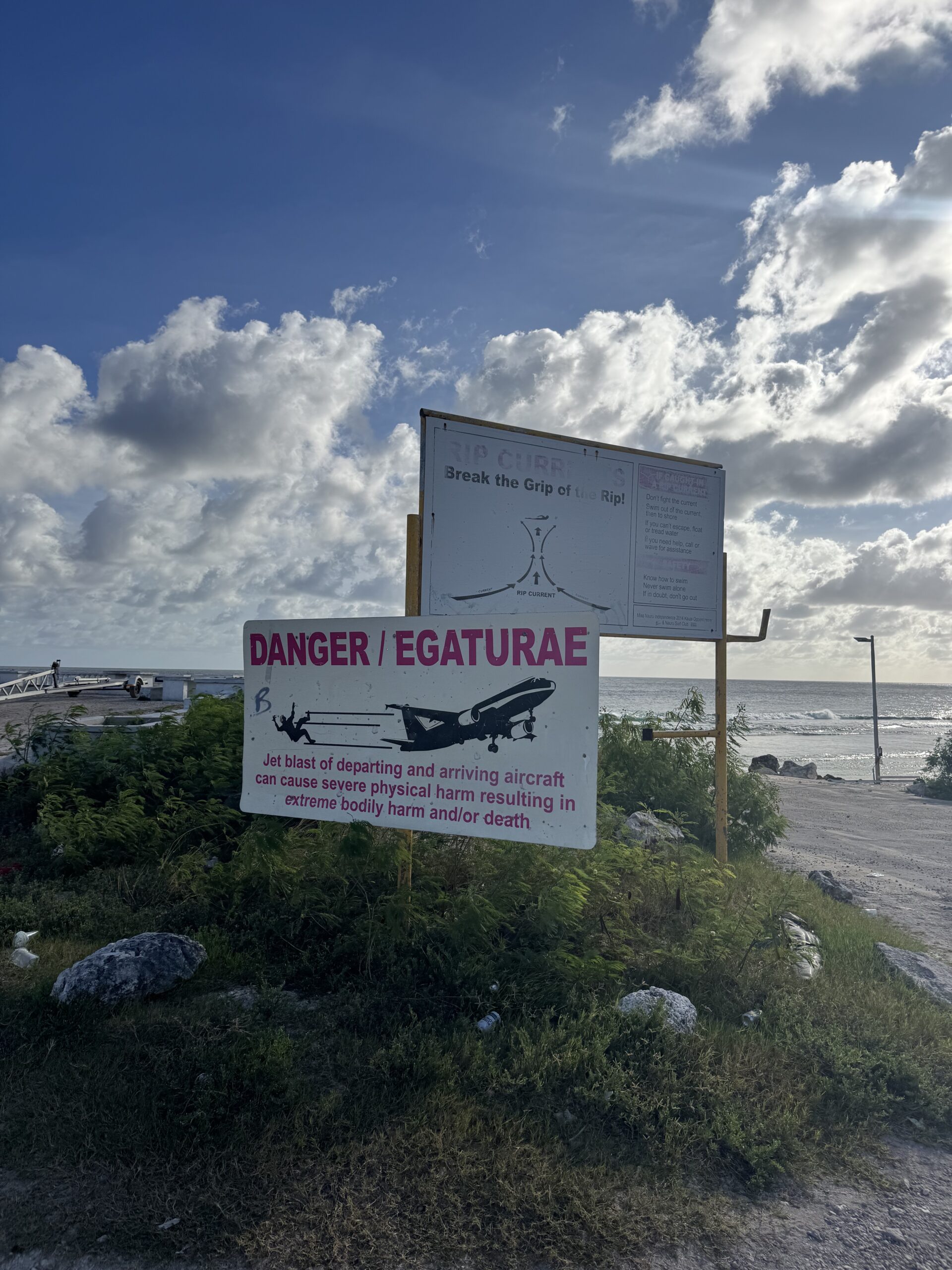
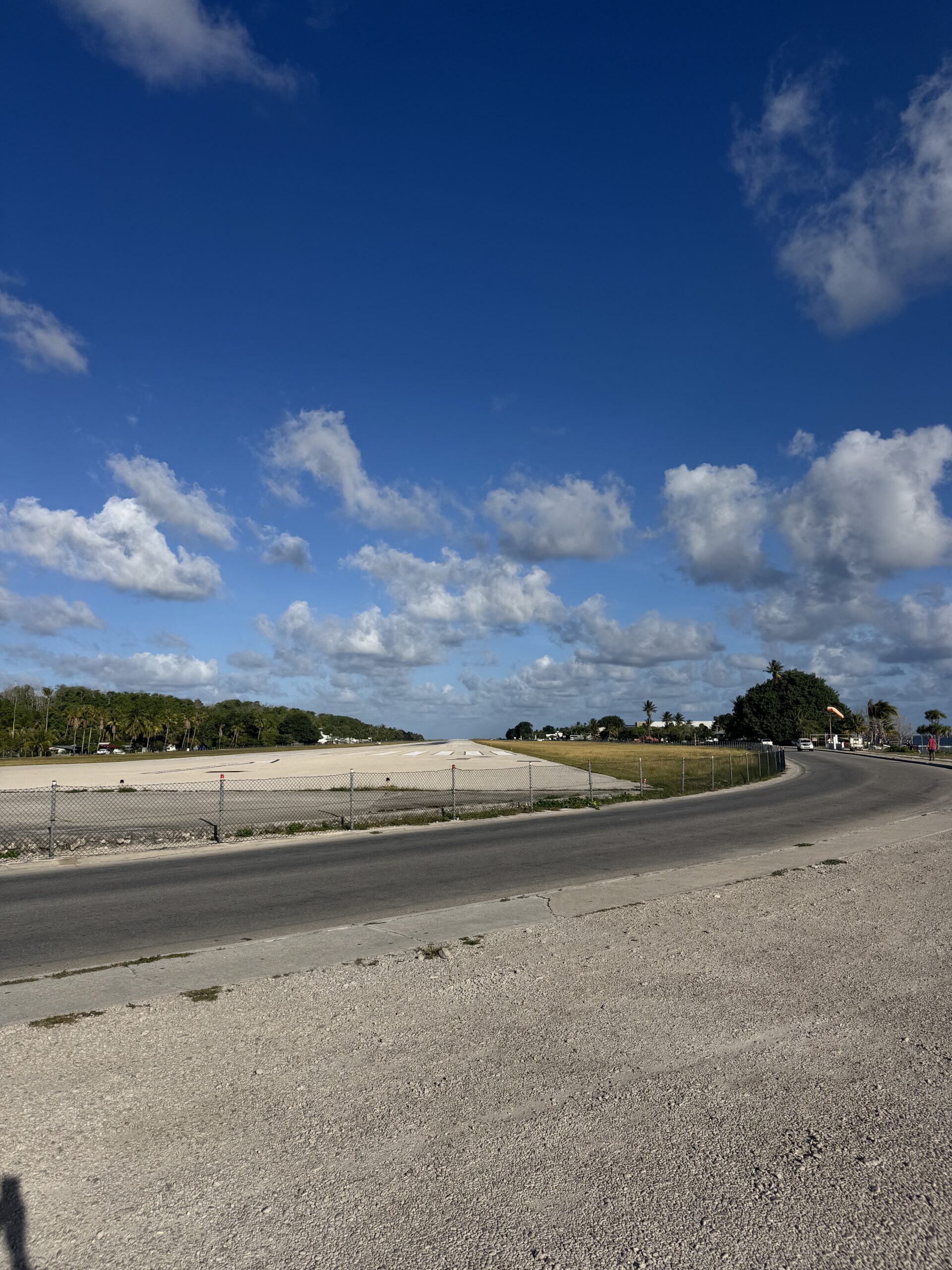
The airport itself was a bit of a wild experience – it’s rare that you can be that close to a runway. Most of the time, the airport is fenced off with barbed wire and with tons of fields surrounding it. This one just had a normal chain link fence and an intensely aggressive warning about not standing too close when planes take off and land.
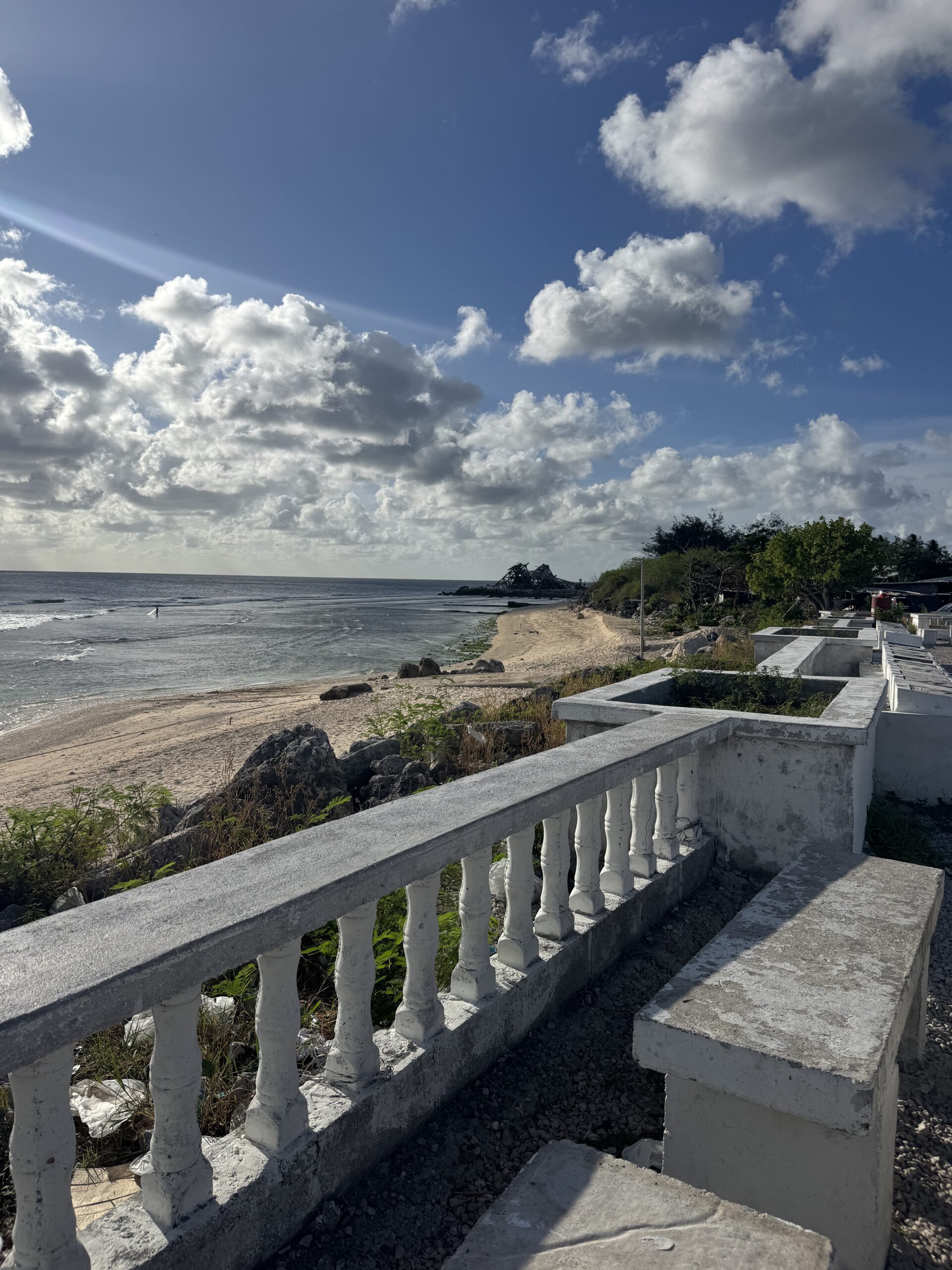
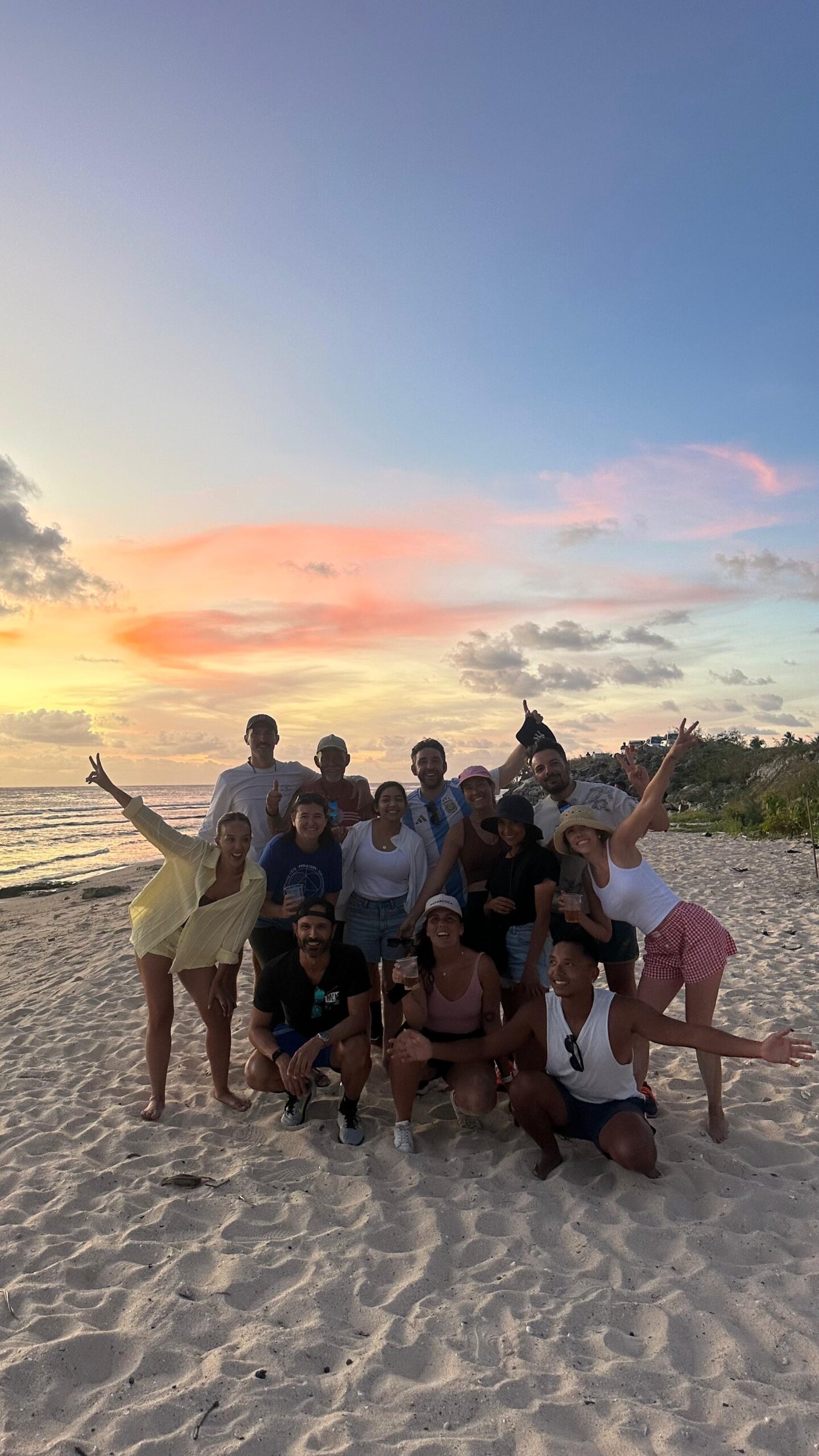
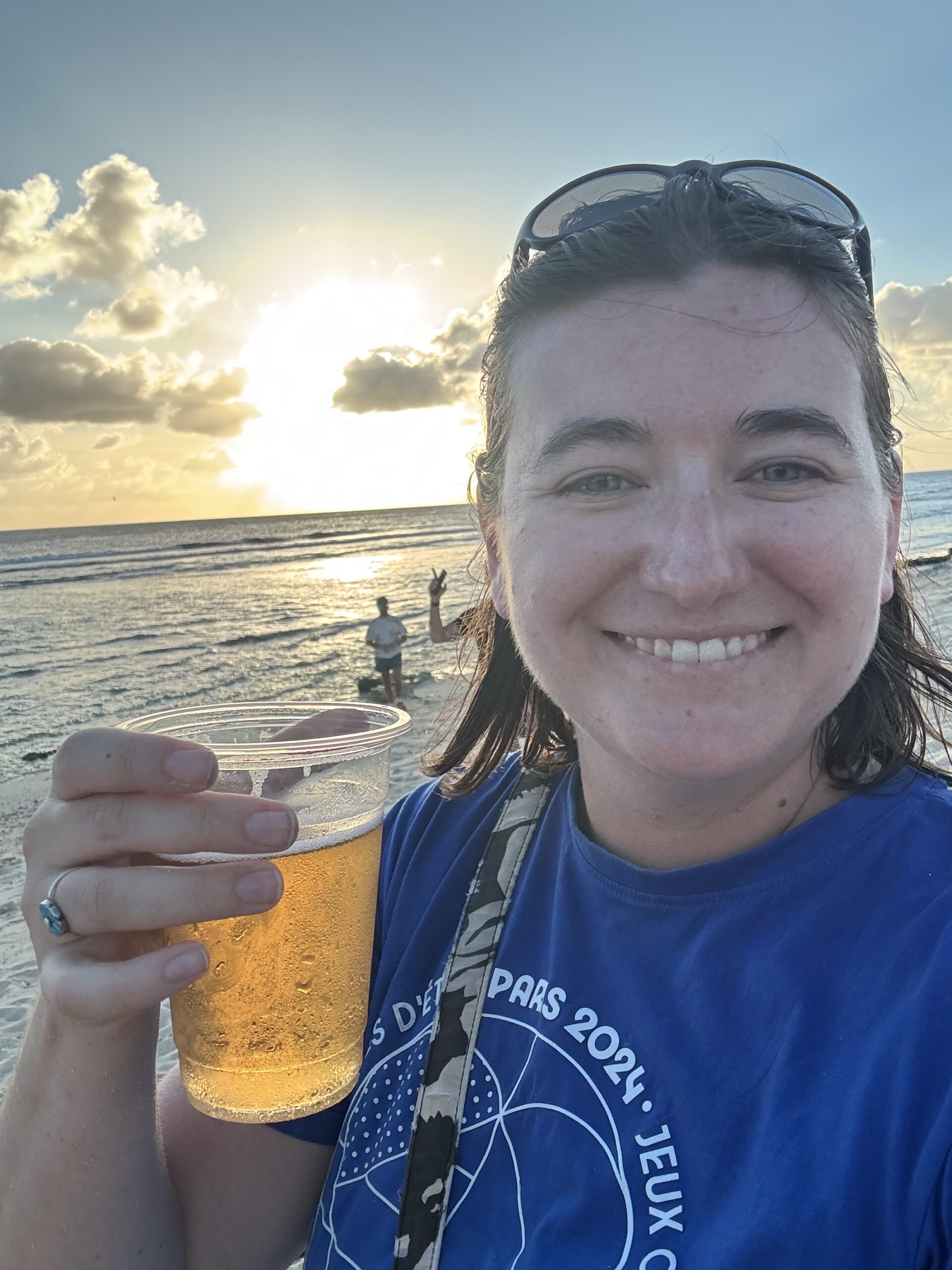
We took a break near the airport so that we could watch the sunset from a beach! And one of the women on my trip had managed to find a local who was willing to sell us some beer and some ice, so we had a really nice time.
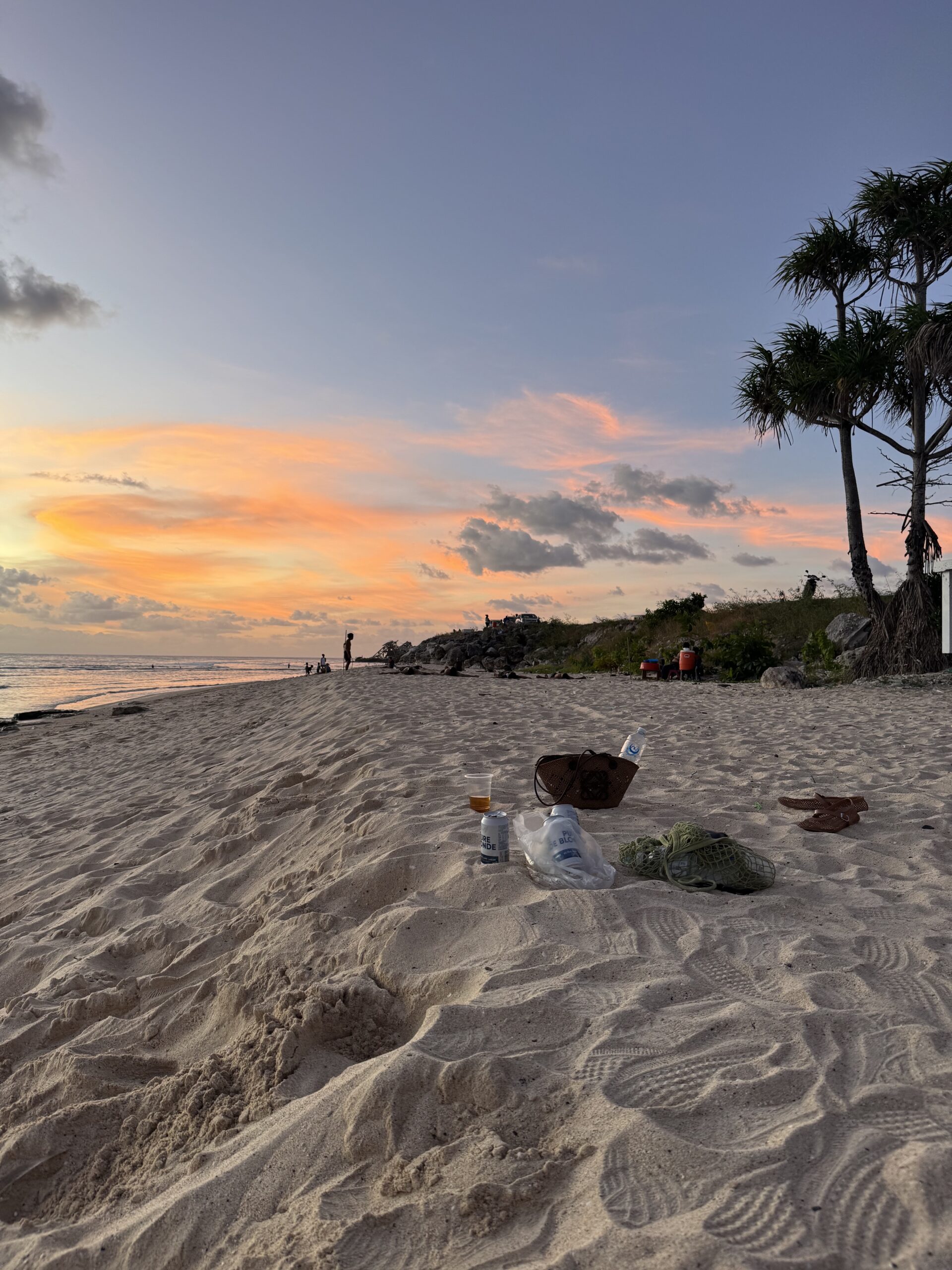

Once the sun set, though, it was time to finish up our walk. We powered through the rest of it in the dark, and made it back to the hotel for a last dinner in Nauru. We had officially made it around the whole country!
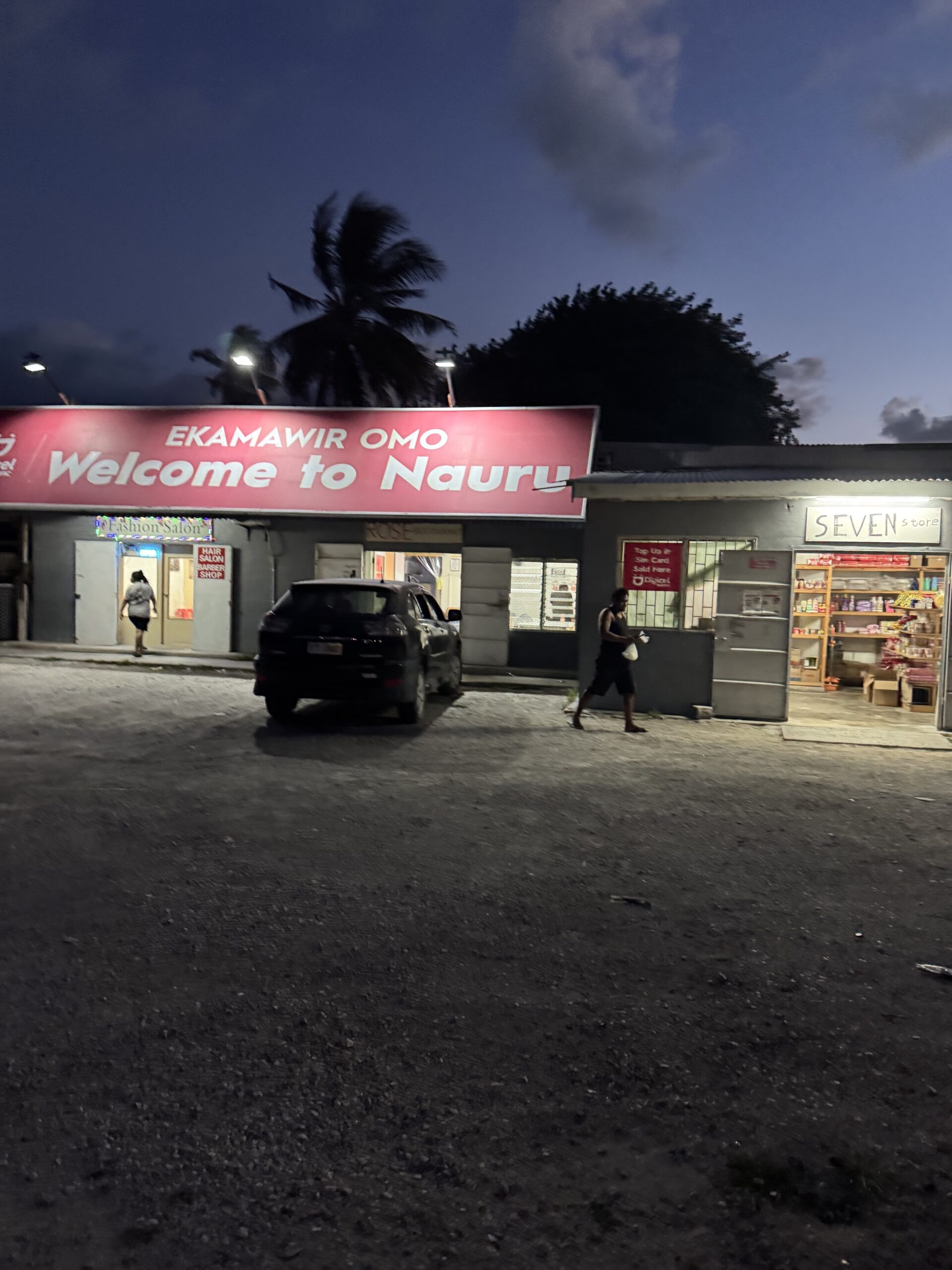
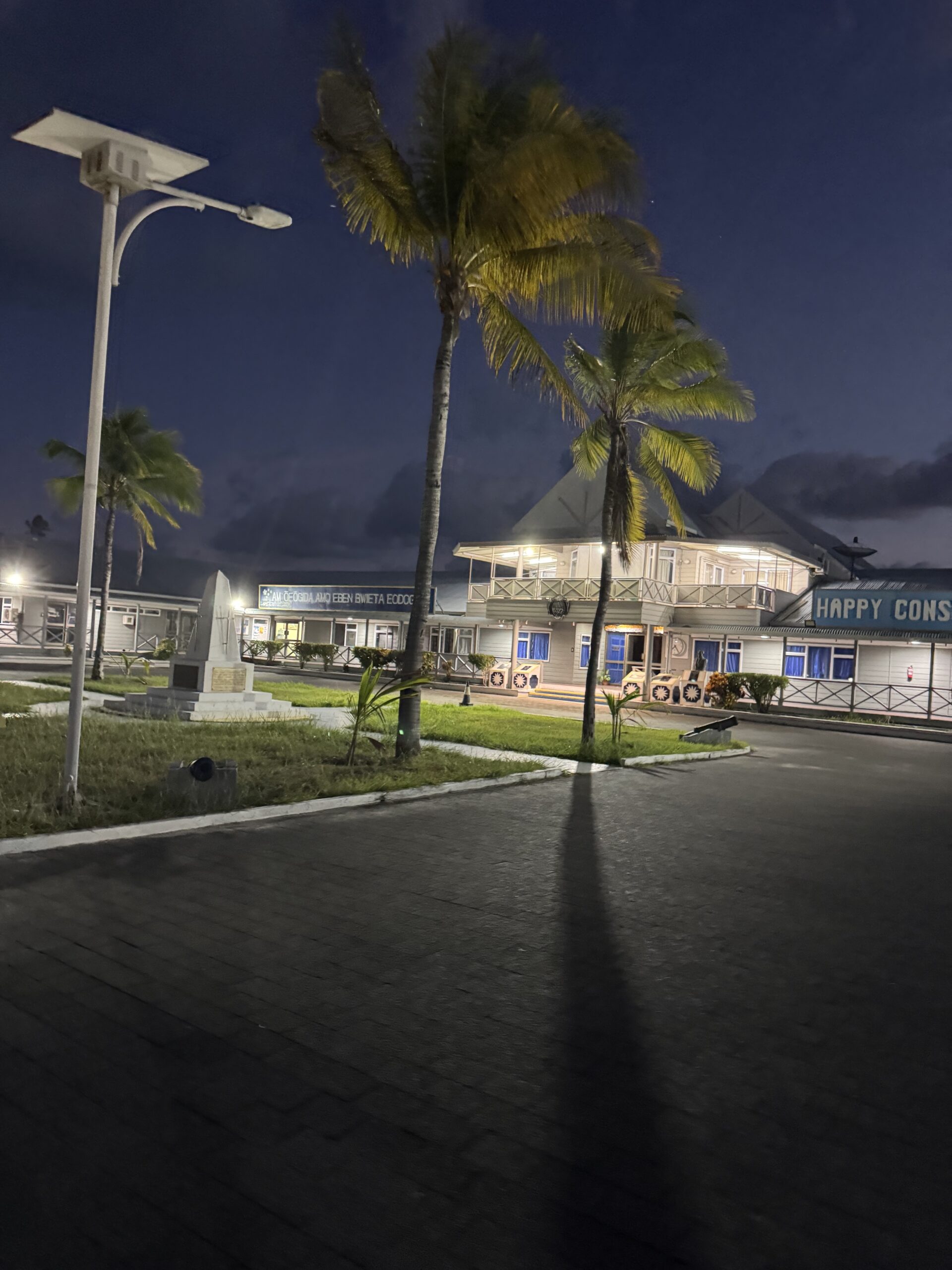
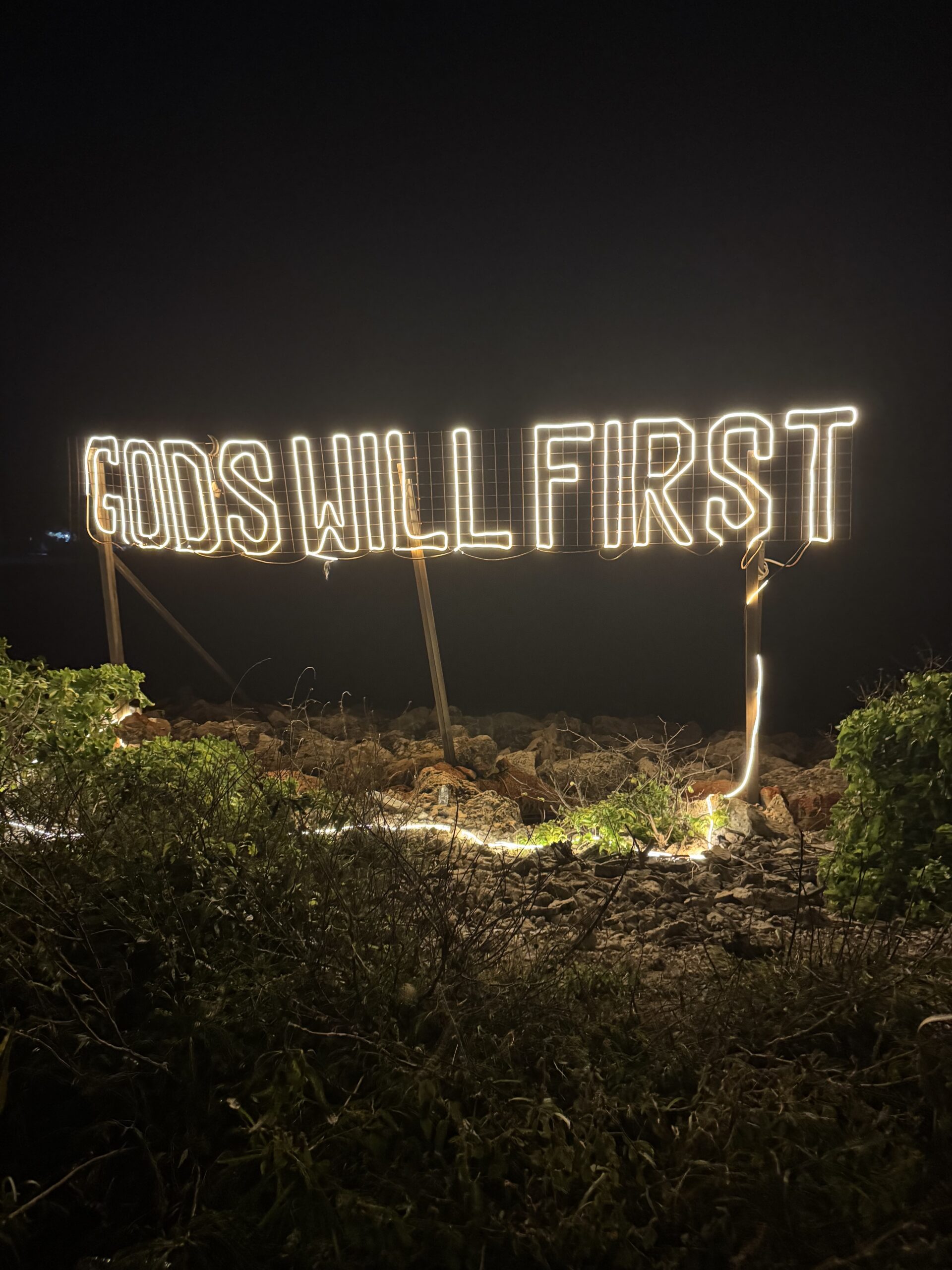
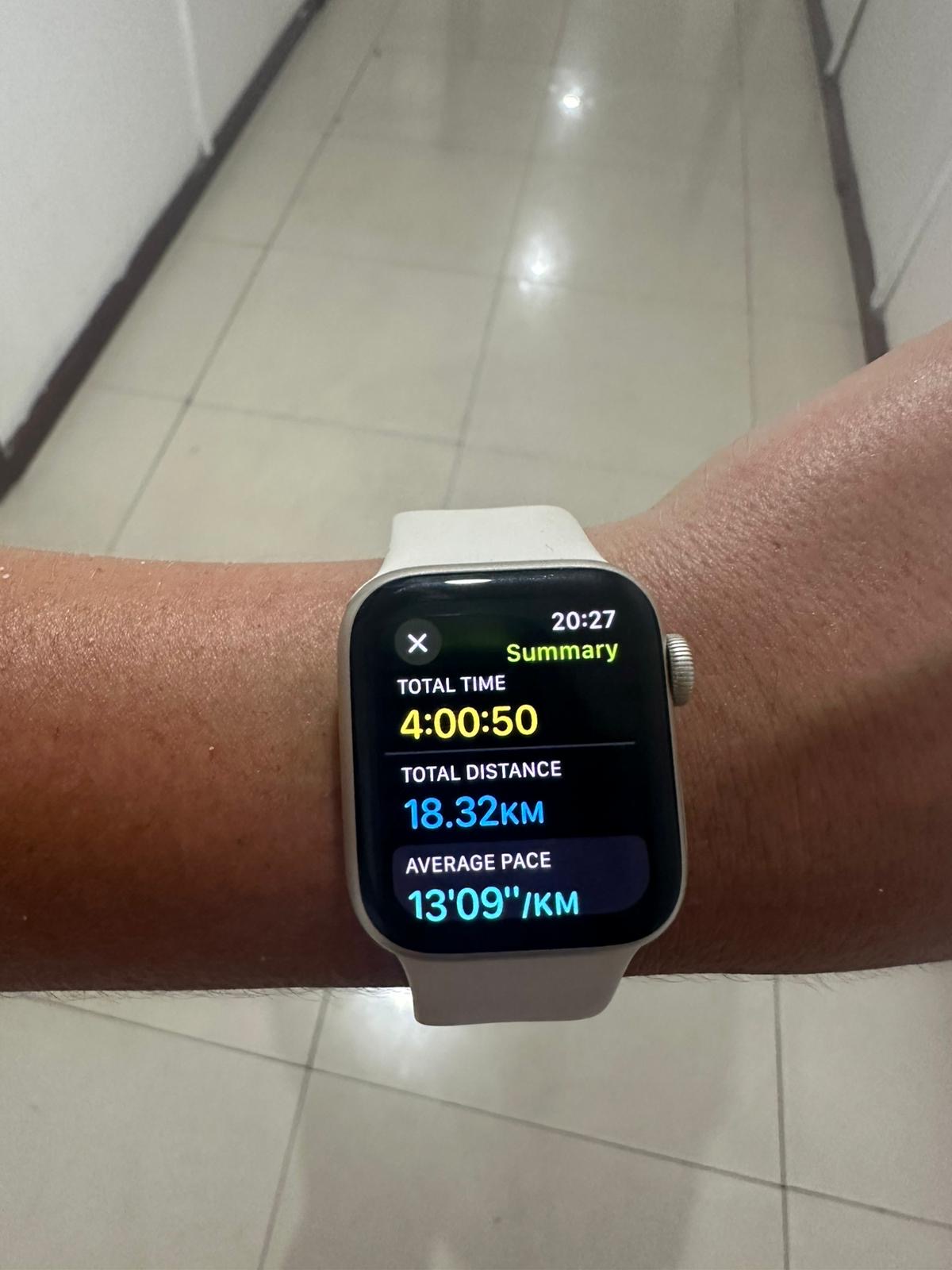
And that’s a wrap on Nauru! Walking around the whole country was a lot of fun, although I think more than the one day would get pretty boring if you’re here for tourism. We headed out very early the next morning for a quick flight to Kiribati.